-
Why Do My Teeth and Jaw Hurt After Wearing a Night Guard?

Night Guards Should Relieve Pain, Not Cause It
If you grind your teeth at night or suffer from TMJ, your dentist may recommend a night guard to protect your teeth and jaw. But what if you wake up with more pain after using it?
Many people ask, “Why do my teeth and jaw hurt after wearing my night guard?”
The short answer: the night guard should help, not hurt — but if it’s causing discomfort, something’s likely wrong.In this article, we’ll explain:
✅ What night guards are supposed to do
✅ Why they sometimes cause pain
✅ How to fix night guard-related discomfort
✅ When to see your dentistLet’s dive in.
What Is a Night Guard, and Why Do You Need One?
Night guards (also called dental splints or occlusal guards) are custom-made plastic devices that fit over your upper or lower teeth.
They are typically used to treat:
- Bruxism (teeth grinding or clenching at night)
- TMJ disorders (temporomandibular joint issues)
By placing a barrier between your teeth, night guards reduce:
✅ Tooth wear and damage
✅ Jaw tension and pain
✅ Headaches from clenchingBut if your guard is causing pain, it defeats the purpose — and you need to figure out why.
Why Do My Teeth or Jaw Hurt After Wearing a Night Guard?
There are several common reasons your night guard might cause discomfort:
1️⃣ Incorrect Fit
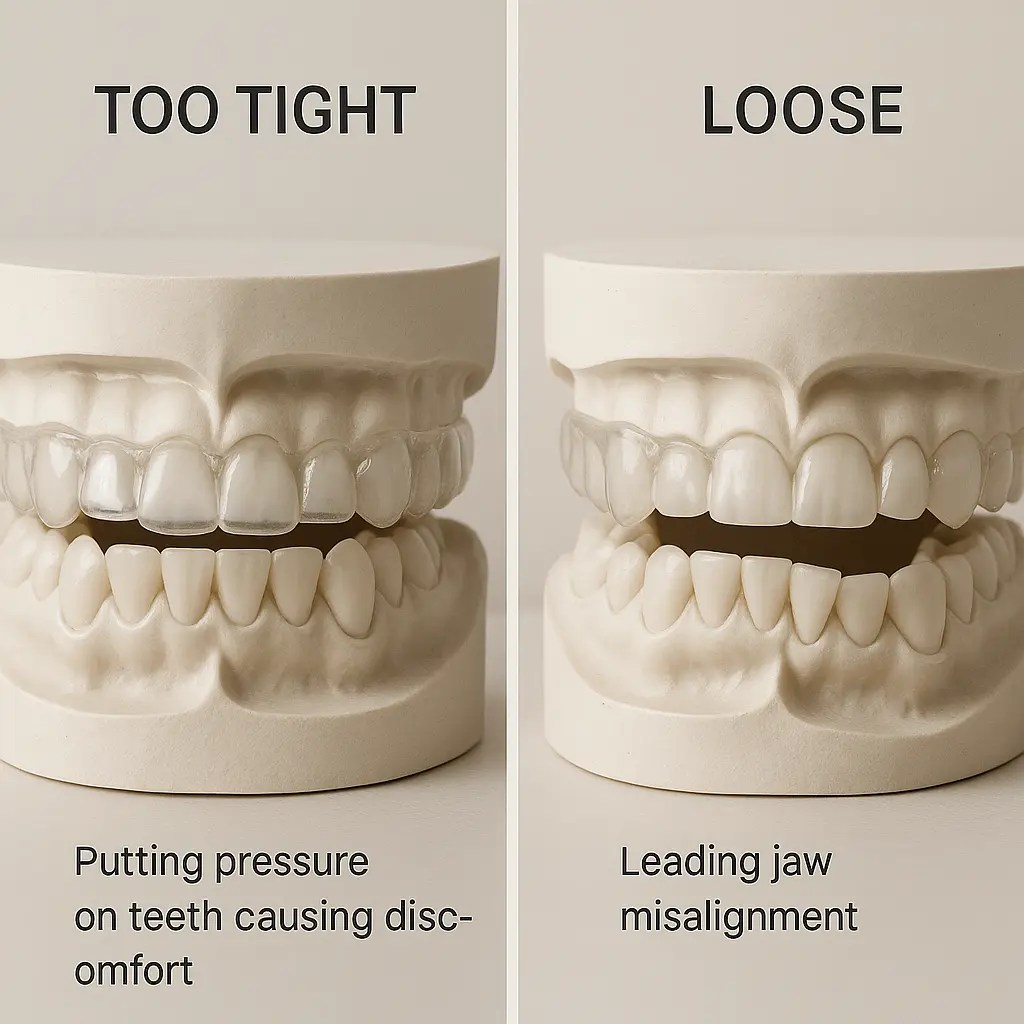
The #1 reason is a poor fit.
- If the night guard is too tight, it puts excessive pressure on your teeth, causing soreness and pain.
- If it’s too loose, your jaw may shift unnaturally, leading to muscle tension and joint discomfort.
This is especially common with over-the-counter (OTC) boil-and-bite guards, which can warp or not fit properly.
2️⃣ Normal Adjustment Period
Just like braces or new glasses, your body needs time to adjust to wearing a night guard.
In the first few days or weeks, you might feel:- Mild jaw tightness
- Slight tooth soreness
- A sensation of clenching more than usual
Pro tip: If the discomfort fades after a few weeks, it’s likely just part of the normal adjustment.
3️⃣ Existing Dental Problems
Sometimes the pain isn’t caused by the guard at all — it just brings attention to hidden dental issues.
- Cavities
- Gum disease
- Cracked teeth or abscesses
If you notice sharp pain, gum swelling, or sensitivity that persists even without the guard, book a dental exam ASAP.
How to Fix Night Guard Pain
Here’s what you can do if your night guard is causing discomfort:
✅ Check the Fit: Visit your dentist to ensure the guard is molded correctly. Custom guards can be adjusted, and sometimes a new material or design (such as a soft vs. hard guard) is better suited for your needs.
✅ Ease Into Wearing It: Start by wearing it for short periods while awake, then gradually extend use overnight.
✅ Address Underlying Issues: If pain persists, get a full dental checkup to rule out cavities, gum issues, or bite problems.
✅ Switch to a Custom Guard: If you’re using an OTC guard, consider investing in a professionally made one. The difference in comfort and effectiveness is often worth it.
Is It Normal to Feel Pain When Using a Night Guard?
Minor soreness during the first 1–2 weeks can be normal as you adjust.
However, persistent, sharp, or worsening pain is NOT normal and should always be checked by a dentist.Remember:
A night guard should protect your teeth, not damage them.

When Should You See a Dentist About Night Guard Pain?
👉 If pain persists beyond 2–3 weeks
👉 If you notice tooth shifting, gum irritation, or headaches
👉 If your guard feels loose, too tight, or cracked
Never ignore dental pain — early intervention can prevent bigger (and more expensive) problems down the line.
Final Thoughts: You Deserve a Pain-Free Night Guard Experience
A well-fitted night guard is one of the best tools to protect your teeth and jaw from damage caused by bruxism or TMJ.
If you’re experiencing pain, don’t give up — work with your dentist to get the fit and material just right. With a few adjustments, you can sleep soundly knowing your smile is safe.
Want to Learn More?
Check out our other articles:
-
The Jaw-Back Connection: How Teeth Grinding Could Be Causing Your Back Pain
The Hidden Link You Might Be Missing
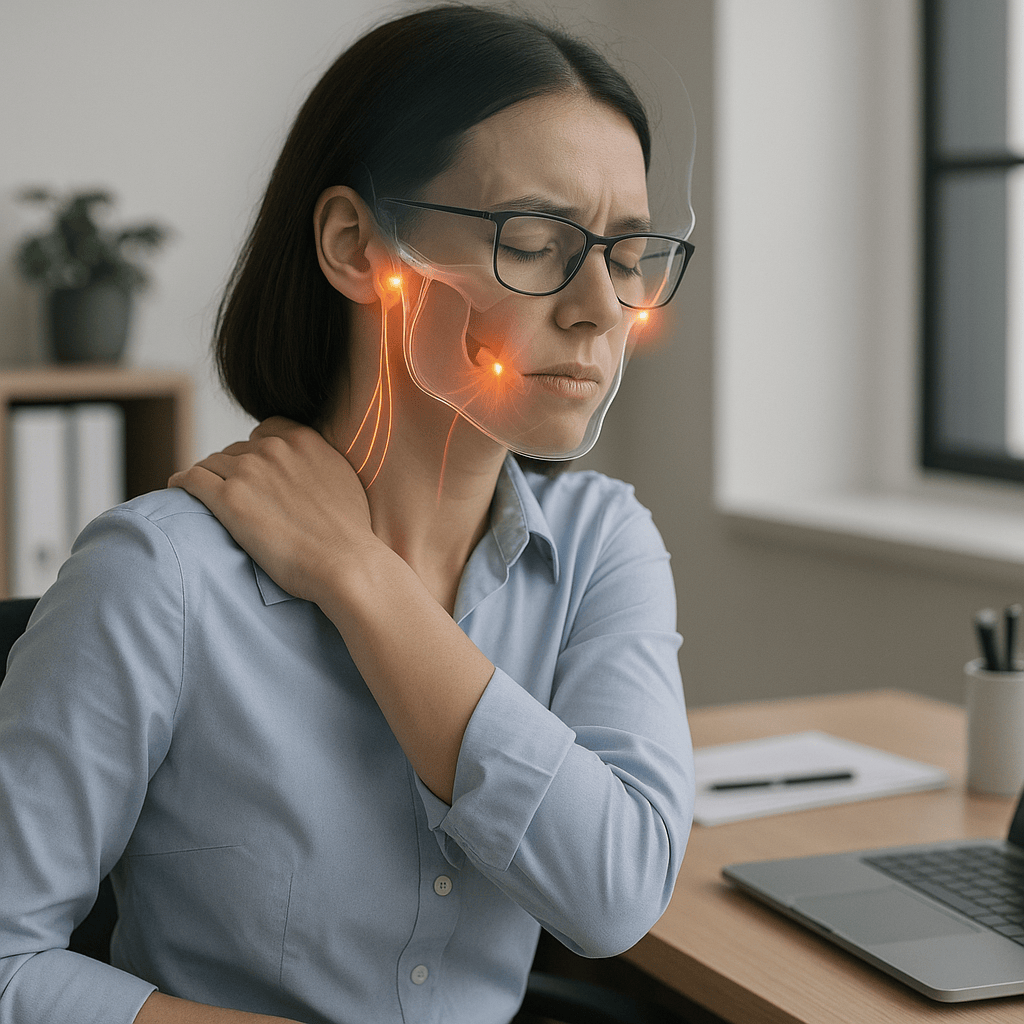
Waking up with a sore back? Before blaming your office chair or that intense weekend workout, consider this surprising culprit: teeth grinding. As a young professional spending long hours at a desk, understanding this connection could be a game-changer for your daily comfort.
How Your Jaw Affects Your Back: The Science
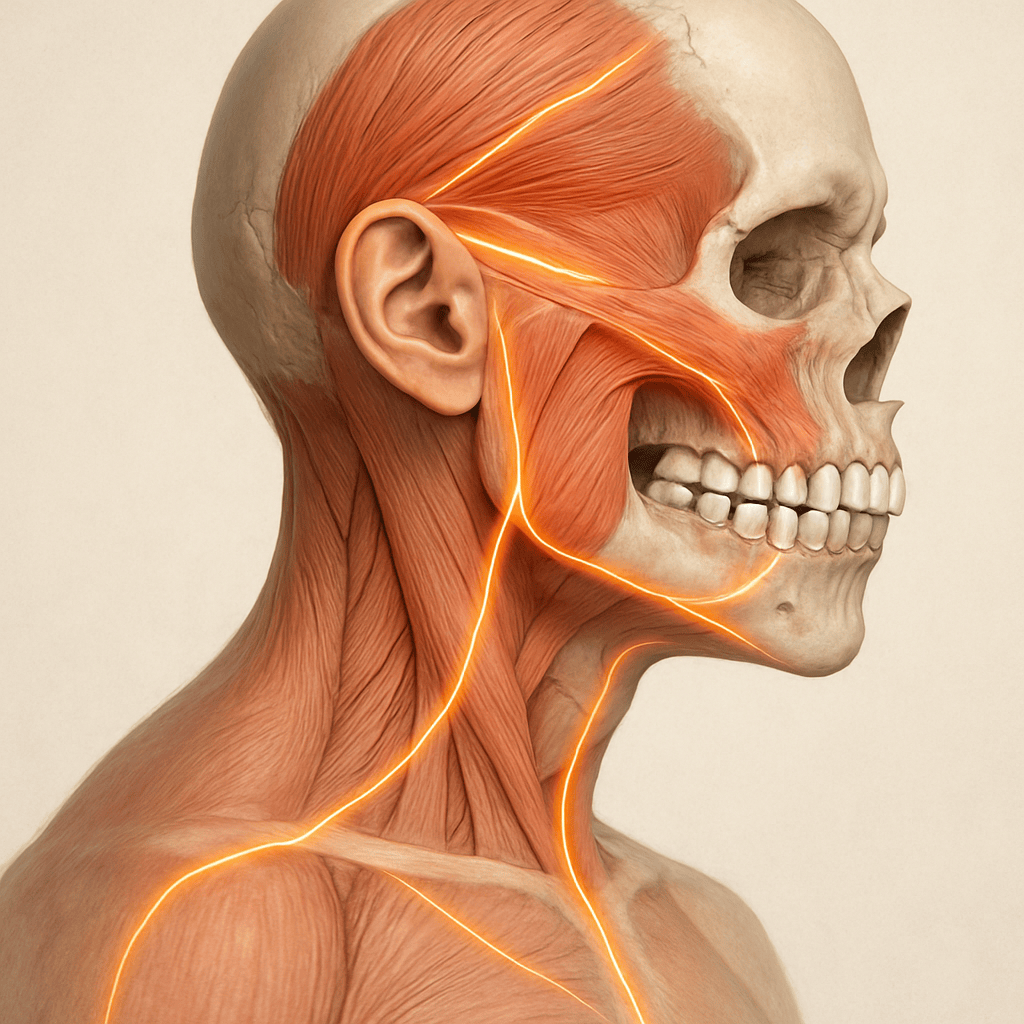
Your jaw connects to your skull through the temporomandibular joints (TMJs) – those little “sliding hinges” right in front of your ears. When you grind your teeth at night (a condition called bruxism), you’re essentially giving these joints and surrounding muscles an intense, unwanted workout. Research shows that these jaw muscles don’t work in isolation. According to a 2019 study in the Journal of Oral Rehabilitation, they’re connected to a network of muscles that extends down your neck and into your upper back [1].
The Domino Effect Explained
When you grind your teeth, here’s what happens:
- Jaw muscles tighten – Your masseter muscle (the one that helps you chew) gets overworked
- Connected muscles join in – Your temporalis muscle (connecting to your temple) tenses up
- Headaches develop – These tense muscles can trigger migraines (studies published in the journal Pain have confirmed the connection between migraines and back pain) [2]
- Neck and back muscles compensate – Your body tries to maintain head support, causing tension throughout your upper body
Spot the Warning Signs
As someone working at a desk all day, you might notice:
- Morning neck stiffness (that wasn’t there before)
- Upper back pain that seems to come from nowhere
- Headaches that start at the base of your skull
- Pain that radiates to your shoulders
Why You Might Be Grinding Your Teeth
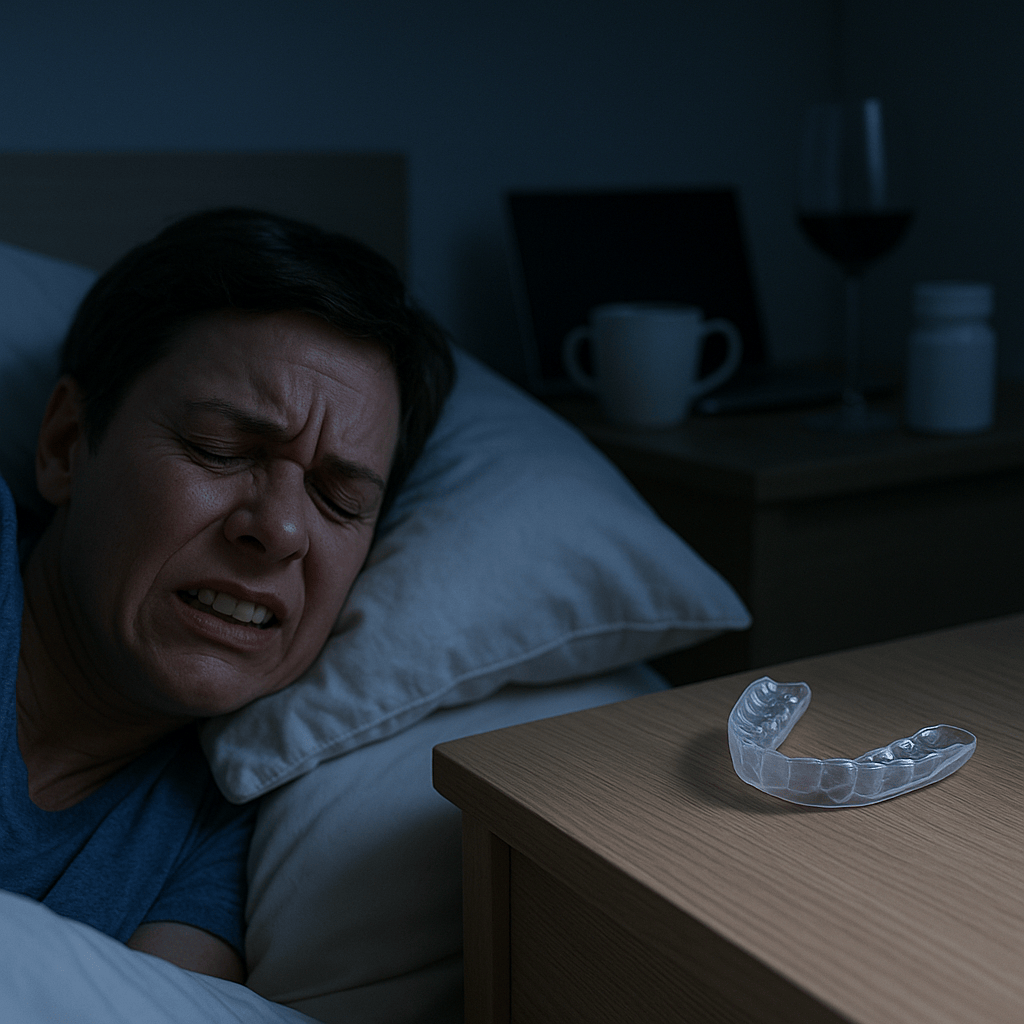
Stress is a major factor – and let’s face it, office deadlines can definitely contribute! According to the American Dental Association, up to 15% of adults experience sleep bruxism [3]. Other potential causes include:
- Too much coffee (that office pot might be partly responsible!)
- Evening wine or cocktails
- Certain medications
- Genetics
- Those lengthy Zoom meetings (tension from concentration)
Simple Solutions You Can Try Tonight
- Consider a night guard – A custom-fitted one from your dentist works best, but pharmacy options can help too
- Pre-bedtime relaxation – A warm bath or 10-minute meditation app session can reduce grinding
- Watch your daytime habits – Chewing gum or nibbling on pens during meetings can reinforce jaw clenching
- Desk ergonomics check – Proper monitor height and chair support reduce overall body tension
- Quick desk stretches – Set a timer to do neck and jaw relaxation exercises every hour
When to Seek Professional Help
If reducing teeth grinding doesn’t improve your back pain within a few weeks, it’s time to consult with a healthcare provider. Persistent back pain needs proper diagnosis, especially if you’re experiencing:
- Pain that wakes you at night
- Numbness or tingling in arms or legs
- Pain that worsens even with rest and better habits
Addressing this jaw-back connection now, in your 20s or 30s, can prevent more serious issues as you age. Your future self will thank you!
References: [1] Wieckiewicz M, et al. (2019). Reported concepts for the treatment modalities and pain management of temporomandibular disorders. Journal of Oral Rehabilitation, 46(8), 774-796.
[2] Ashina S, et al. (2018). Prevalence of neck pain in migraine and tension-type headache: A population study. Cephalalgia, 38(13), 1345-1354.
[3] American Dental Association. (2020). Bruxism (Teeth Grinding). Retrieved from https://www.ada.org/en/member-center/oral-health-topics/bruxism
-
How Sleep Positions Influence Nighttime Teeth Grinding

If you wake up with a sore jaw or headaches and suspect you grind your teeth at night, you might wonder: Could the way I sleep be making it worse?
Surprisingly, the answer is yes. Your sleep position can play a role in how often and how intensely you grind your teeth (also known as bruxism). In this article, we’ll break down the connection between sleep posture and bruxism, the best and worst positions, and what adjustments might help.
What’s the Link Between Sleep Position and Teeth Grinding?
Nighttime bruxism is often influenced by:
- Jaw alignment
- Muscle tension
- Airway restriction
- Nervous system activation during sleep
Your sleep position affects all of these. For example, sleeping on your stomach or side can put uneven pressure on your jaw or push your head into awkward angles, increasing muscle tension. Certain positions may also restrict your airway, triggering stress responses in the brain that contribute to grinding.
The Best and Worst Sleep Positions for Bruxism
Let’s break it down.
1️⃣ Back Sleeping (Supine Position)

✅ Best for jaw alignment
Sleeping on your back allows your head, neck, and spine to stay neutral, reducing pressure on the jaw and surrounding muscles. It also lowers the risk of jaw compression and can help prevent teeth clenching.⚠ Watch out if you have sleep apnea:
If you snore or have mild sleep apnea, back sleeping might worsen airway restriction, which can increase grinding in some people.
2️⃣ Side Sleeping
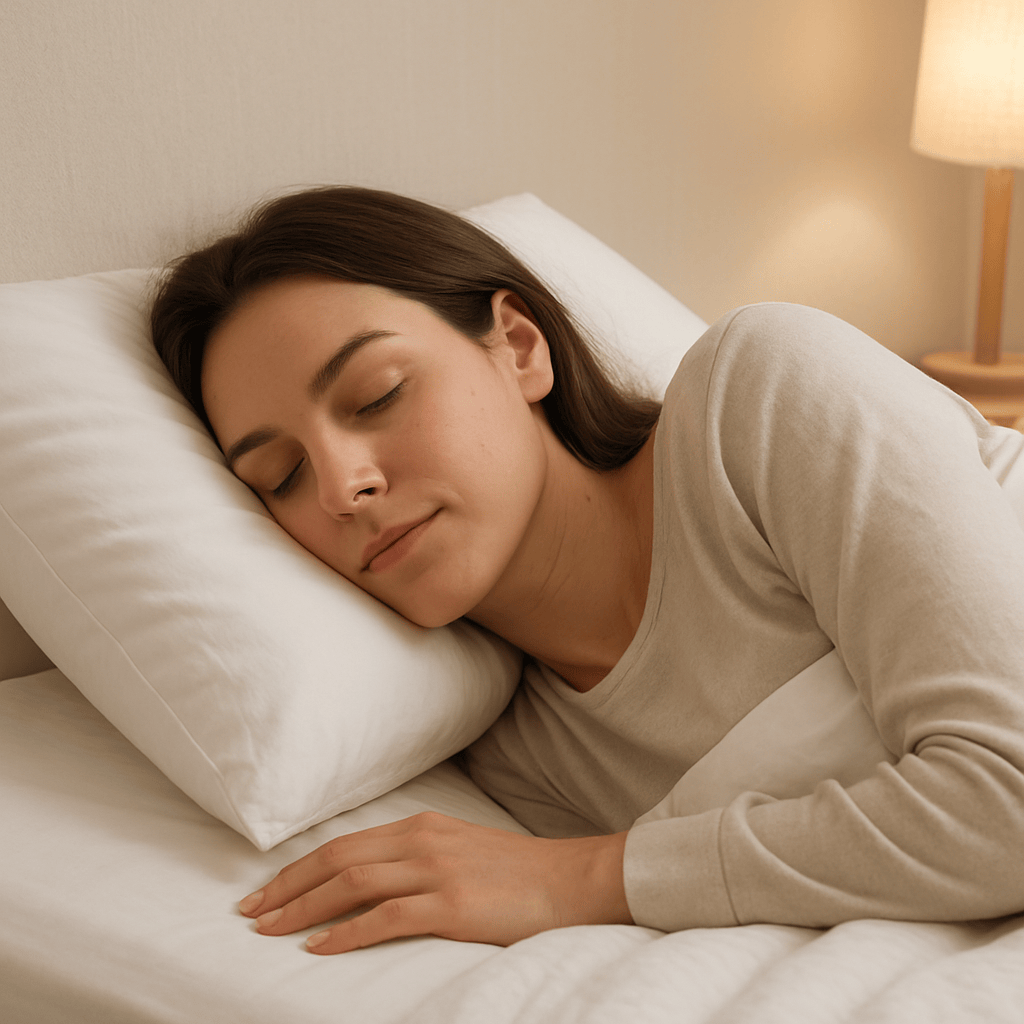
✅ Generally okay, with caution
Side sleeping is popular and often recommended for people with sleep apnea. However, depending on your pillow and head position, it can sometimes cause uneven jaw pressure, especially if you sleep with your face pressed into the pillow.👉 Tip: Use a supportive pillow to keep your head and neck aligned and avoid pressing your jaw hard against the mattress or pillow.
3️⃣ Stomach Sleeping (Prone Position)
❌ Worst for bruxism
Stomach sleeping forces your head to twist to one side and can put significant pressure on your jaw joints. This unnatural alignment increases muscle tension and may worsen grinding.👉 Tip: If you’re a stomach sleeper, consider gradually shifting to side or back sleeping. Start by propping a body pillow alongside you to discourage rolling onto your stomach.
Can Changing Your Sleep Position Help Reduce Grinding?
For some people — yes. While sleep position isn’t the only factor behind bruxism, improving your posture can help:
- Reduce unnecessary jaw pressure
- Support relaxed muscles
- Minimize nighttime stress triggers
Keep in mind, though, that sleep position alone won’t “cure” teeth grinding. It’s best paired with:
- Wearing a night guard
- Reducing daily stress
- Practicing good sleep hygiene
Additional Sleep Tips for Bruxism Relief
✅ Choose a pillow that supports your neck and keeps your head aligned.
✅ Avoid high or stacked pillows that push your head forward.
✅ Keep your bedroom cool, dark, and quiet to promote deeper, more restorative sleep.
✅ Consider relaxation techniques (like meditation or stretching) before bed to reduce jaw tension.
Final Thoughts
While you can’t consciously control your jaw movements while you sleep, you can adjust your sleep position and environment to minimize triggers. By combining smart posture choices with other bruxism management strategies, you can improve your chances of waking up pain-free.
Want to learn more about nighttime habits that affect teeth grinding?
Check out: Our most recent articles -
The Role of Magnesium Deficiency in Teeth Grinding: Can Supplements Help?
Many people dealing with teeth grinding (bruxism) are looking for answers beyond just mouthguards and stress management. One surprising connection that’s gaining attention is the role of magnesium deficiency in bruxism — especially when grinding is linked to anxiety, poor sleep, or muscle tension.
In this article, we’ll explore the science behind magnesium’s role in the body, why a deficiency might contribute to teeth grinding, and whether taking a magnesium supplement could help relieve your symptoms.

Why Magnesium Matters
Magnesium is an essential mineral that plays a key role in:
- Muscle and nerve function
- Stress regulation
- Sleep quality
- Energy production
It acts as a natural calcium blocker, helping your muscles relax after contracting. Without enough magnesium, your muscles may stay tense — and this could contribute to jaw clenching or grinding at night.
Is There a Link Between Magnesium Deficiency and Bruxism?
While more direct research is still needed, many health practitioners believe there’s a connection between low magnesium levels and muscle-related conditions, including:
- Nighttime muscle cramps
- Restless leg syndrome
- Bruxism and jaw tension
One theory is that low magnesium levels may contribute to:
- Increased neuromuscular excitability (your muscles and nerves being “on edge”)
- Poor quality sleep, which is a known trigger for grinding
- Heightened stress and anxiety, another major cause of bruxism
📌 A 2012 study published in Magnesium Research found that magnesium supplementation improved sleep quality in older adults with insomnia — which supports the idea that improving magnesium levels may help reduce nighttime grinding in some people.
Signs You Might Be Low in Magnesium
Magnesium deficiency can be hard to detect, but common signs include:
- Muscle cramps or twitches
- Insomnia or restless sleep
- Anxiety or irritability
- Fatigue
- Frequent headaches
- Jaw tension or soreness in the morning
If several of these sound familiar, it may be worth discussing magnesium testing with your doctor.
Can Magnesium Supplements Help Reduce Teeth Grinding?
For some people — yes.
Magnesium supplements may help reduce bruxism symptoms by:
- Relaxing jaw muscles before sleep
- Improving sleep quality, especially deep (REM) sleep
- Lowering cortisol and calming the nervous system
⚠️ Important: Not all types of magnesium are the same. For bruxism, look for highly absorbable forms such as:
- Magnesium glycinate – calming and gentle on the stomach
- Magnesium citrate – well absorbed, though may have a laxative effect
- Magnesium threonate – known for cognitive and nervous system benefits
How to Use Magnesium for Bruxism Relief
If you’re considering trying magnesium, here are a few tips:
1. Talk to Your Doctor First
Especially if you have kidney issues or take medications that may interact with magnesium.
2. Start with a Low Dose
Begin with 200–400 mg per day and increase slowly as needed.
3. Take It in the Evening
Magnesium has a calming effect — taking it before bed may help with both stress and sleep quality.
4. Combine with Lifestyle Support
Magnesium works best when paired with:
- A custom-fitted night guard
- Stress-reduction techniques
- Sleep hygiene habits
Can You Get Magnesium From Food?
Yes! Some magnesium-rich foods include:
- Dark leafy greens (spinach, swiss chard)
- Almonds, cashews, and pumpkin seeds
- Avocados
- Bananas
- Black beans
- Dark chocolate (70%+ cacao)
That said, it can still be hard to reach optimal levels through food alone — especially if you’re dealing with chronic stress or poor sleep.
Final Thoughts
While magnesium isn’t a “cure” for teeth grinding, it may be a powerful support tool — especially for people whose bruxism is linked to stress, anxiety, or sleep disruption.
If you’ve tried night guards and still wake up with jaw tension or sore teeth, a magnesium supplement might be worth adding to your nightly routine.
-
The Connection Between Teeth Grinding and Ear Pain: What You Need to Know
If you’ve ever woken up with a sore jaw and an unexplained ache near your ear, you’re not alone. Many individuals are surprised to learn that teeth grinding (bruxism) can lead to symptoms resembling ear pain. Understanding this connection is crucial for effective relief.
In this article, we’ll explore how bruxism contributes to ear discomfort, differentiate between ear-related and jaw-related pain, and discuss strategies to alleviate these symptoms.
Can Teeth Grinding Really Cause Ear Pain?
Yes, and here’s why:
Your temporomandibular joint (TMJ) is located close to your ear canal, connecting your lower jaw to your skull. This joint facilitates movements like chewing, talking, and yawning. When you grind your teeth, excessive strain is placed on the TMJ and surrounding muscles, leading to:
- Inflammation or tension in the joint
- Muscle fatigue or spasms in the face and neck
- Referred pain that radiates to the ear area

Due to the TMJ’s proximity to the ear, this discomfort often feels as though it originates from the ear itself, when in reality, the jaw is the source. Medical News Today
Symptoms Indicating Bruxism-Related Ear Pain
Distinguishing between ear pain caused by bruxism and that from an actual ear condition, like an infection, can be challenging. Indicators pointing to teeth grinding as the culprit include:
- Dull, aching pain near the ear, especially upon waking
- Sore or tight jaw muscles
- Clicking or popping sounds when moving the jaw The Guardian
- Headaches or pain originating from the temples
- Absence of infection signs (e.g., fever, fluid discharge, hearing changes)
If these symptoms resonate with you, it’s advisable to investigate nighttime teeth grinding as a potential cause.
Why This Pain Often Goes Undiagnosed
Many individuals are unaware they grind their teeth at night, as it occurs subconsciously during sleep. Moreover, ear pain is a less obvious symptom and is frequently attributed to sinus issues, ear infections, or stress. This misattribution can lead to misdiagnosis and ineffective treatments. Therefore, considering the full spectrum of symptoms is essential, especially if you also experience:
- Jaw soreness Neurology Solutions
- Headaches
- Tooth sensitivity
- Neck or shoulder tension
A dentist or sleep specialist can confirm the diagnosis by examining your teeth for signs of wear and inquiring about your sleep habits.
Strategies for Alleviating Symptoms
If bruxism is identified as the cause of your ear pain, several management strategies can help:
1. Night Guards
Custom-made mouthguards can protect your teeth and reduce strain on your jaw during sleep.
2. Stress Reduction
Since bruxism is often linked to stress, incorporating relaxation techniques like meditation, stretching, and deep breathing can be beneficial.
3. Physical Therapy
Jaw exercises and posture training can enhance TMJ function and alleviate muscle tension.

4. Dietary and Lifestyle Adjustments
Limiting caffeine and alcohol intake, especially in the evening, and avoiding gum chewing can help reduce symptoms.
5. Medications or Botox
In severe cases, muscle relaxants or Botox injections may be recommended by healthcare professionals.
Final Thoughts
If you’re experiencing unexplained ear pain, consider that teeth grinding might be the underlying cause. Understanding the connection between bruxism and the TMJ allows you to take proactive steps toward relief and enjoy restful, pain-free mornings.
Concerned about teeth grinding?
Explore our Comprehensive Guide to Bruxism Symptoms to identify early signs and seek appropriate intervention. -
Do I swallow microplastics from my night guard?
Night guards are commonly used dental appliances to protect teeth from grinding during sleep. However, recent concerns have emerged regarding the potential release of microplastics from these devices. This blog post examines the current scientific understanding of microplastics in night guards and their potential health implications.

Composition of Night Guards
Night guards are typically made from plastic-based materials such as acrylic, polyvinyl chloride (PVC), thermoplastic elastomers (TPE), and certain resins. The specific composition can vary depending on the manufacturer and type of night guard. Some common materials include:
- Copolyester (for hard night guards)
- Ethylene-vinyl acetate copolymer (for soft night guards)
- Silicone-based polymers
- BPA-free thermoplastics
Potential for Microplastic Release
While night guards are designed to be durable, there is growing concern about the potential degradation of these materials over time, possibly leading to the release of microplastics. Microplastics are defined as plastic particles less than 5 mm in size. Recent research has begun to investigate this possibility:
- A study published in 2023 evaluated the potential detachment of microplastics from clear orthodontic aligners due to mechanical friction. The study found that all tested aligners released some level of microplastics, with particle sizes ranging from 5 to 20 μm.
- Another study in 2024 assessed microplastics in various oral healthcare products, including toothbrushes, toothpastes, and mouthwashes. While this study did not specifically examine night guards, it highlighted the presence of microplastics in dental care products.
Factors Influencing Microplastic Release
Several factors may influence the potential release of microplastics from night guards:
- Material composition
- Manufacturing process
- Usage duration and frequency
- Grinding intensity
- Cleaning methods
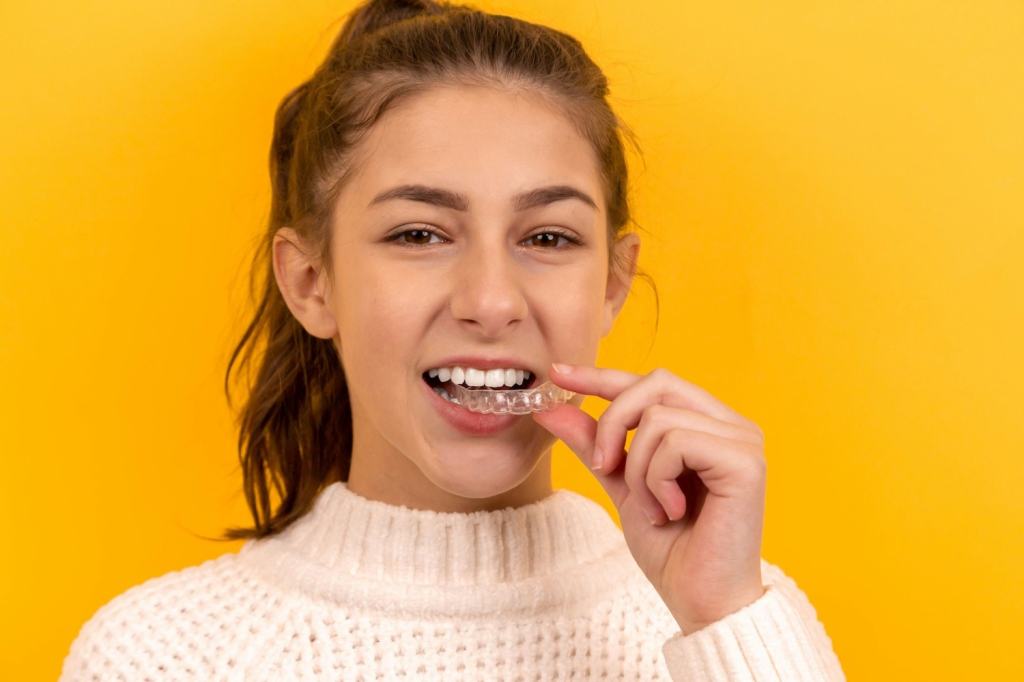
Health Implications
The health implications of potential microplastic ingestion from night guards are not yet fully understood. However, research on microplastics in general suggests some concerns:
- Oxidative stress: Microplastics may induce oxidative stress in cells, potentially leading to inflammation and tissue damage.
- Cellular uptake: Plastic particles can be taken up by cells through various mechanisms, potentially affecting cellular functions.
- Chemical leaching: Additives in plastics, such as bisphenols and phthalates, may leach out and potentially cause adverse health effects.
Current Research Limitations
It’s important to note that specific research on microplastic release from night guards is limited. Most studies have focused on other dental appliances or general oral healthcare products. More targeted research is needed to fully understand the extent of microplastic release from night guards and its potential health impacts.
Recommendations
While the scientific community continues to investigate this issue, individuals concerned about microplastic exposure from night guards may consider the following:
- Consult with a dentist about alternative materials, such as silicone-based night guards.
- Regularly inspect and replace night guards as recommended by dental professionals.
- Properly clean and store night guards to minimize potential degradation.
In conclusion, while the potential for microplastic release from night guards exists, more research is needed to quantify the risk and understand its health implications. The benefits of using night guards to prevent dental damage should be weighed against these potential concerns in consultation with a dental professional. At the moment, our guess is that the benefits of not grinding your teeth down to stubs is totally worth it. In the meantime, you can read up on how to avoid the 9 major side effects from wearing night guards.
Alternatively if you’re looking for an option to *potentially* reduce your need for a night guard, and you could try applying heat and massage regularly before bed. We’re partnered with YourTMJ Pen and love their story and device for applying pinpoint heat and massage to your masseter muscles. Save $15 with our link!
Frequently Asked Questions:
1. Do night guards release microplastics into the mouth?
Research on microplastic release from night guards is still limited, but early studies on similar dental devices (like clear aligners) suggest that plastic-based appliances can shed tiny microplastic particles over time. Factors like grinding intensity, cleaning methods, and material composition may increase the likelihood of microplastic release.
2. Are BPA-free or silicone night guards safer for reducing microplastic exposure?
Yes, BPA-free and silicone-based night guards are generally considered safer alternatives because they avoid certain chemical additives found in other plastics. However, even BPA-free thermoplastics may still degrade into microplastics with heavy use. Discussing material options with your dentist can help you choose a guard that balances durability, comfort, and lower risk of microplastic release.
3. What are the potential health risks of ingesting microplastics from night guards?
The long-term health effects of microplastic exposure are not fully understood. Current research suggests possible risks including oxidative stress (which can damage cells), inflammation, and chemical leaching from additives like phthalates. While the risks are still being studied, the proven benefits of night guards in preventing tooth damage usually outweigh these potential concerns.
4. How can I minimize microplastic exposure from my night guard?
To reduce potential microplastic release, choose a high-quality or custom-fitted night guard, clean it properly with non-abrasive methods, and replace it as recommended by your dentist. Avoid exposing your night guard to hot water, harsh cleaners, or extended wear beyond its intended lifespan. These steps help minimize degradation and keep your night guard both safe and effective.
-
The Effects of Alcohol on Teeth Grinding

Hello there, fellow teeth grinders! Today, we’re looking into the impact of alcohol on teeth grinding or bruxism as it’s also called. Bruxism has been linked to several causes, but one that is often overlooked is the connection to alcohol consumption. There’s three main areas to cover: the effect of alcohol on sleep quality, its muscle-relaxing properties, and other additional factors. Let’s uncover how that Friday night glass of wine might impact your endless teeth grinding troubles.

Night Cap Nightmares: The Impact of Alcohol on Sleep Quality
Most of us have probably heard that alcohol can help you sleep. Often we think about getting a glass of wine before a flight that we need to sleep on as supposedly it helps. But this supposed advantage of alcohol can actually turn into a major downside, especially when it comes to bruxism. Alcohol, though initially a sedative, drastically alters the structure of your sleep, leading to low quality rest that might exacerbate teeth grinding. Don’t believe us? Grab one of the many sleep tracking watches/connected mattresses and test days with and without alcohol and you’ll see a massive difference in the quality of sleep. Nothing has been a bigger draw for sobriety than sleep tracking in my opinion.
The science is quite clear – alcohol induces what we call “sedative hypnotic” sleep, meaning it can help you fall asleep faster. But here’s the catch – this is typically followed by a rebound effect, characterized by lighter, disrupted sleep in the second half of the night. This disruption in sleep architecture can amplify the occurrence of bruxism.
Deep sleep or Rapid Eye Movement (REM) sleep is critical for us. However, alcohol reduces the amount of time we spend in this restorative phase. Instead, it increases the duration of non-REM sleep, specifically the lighter stages. During these periods of lighter sleep, the jaw muscles can involuntarily contract, leading to grinding or clenching.
Furthermore, alcohol, being a potent relaxant, can increase the chances of sleep apnea, a disorder strongly associated with bruxism. Sleep apnea, characterized by temporary cessations of breathing during sleep, can lead to arousal responses and trigger teeth grinding.
Cheers to Relaxation? The Role of Alcohol in Muscle Relaxation
Now, let’s clink our glasses to the next topic – alcohol’s role as a muscle relaxant. You may think, “Hey, relaxed muscles mean no clenching or grinding, right?” Well, not quite. Here’s why.
Alcohol has a complex dual role – it acts as both a stimulant and a depressant. Initially, it produces stimulating effects like lowered inhibitions and feelings of relaxation. However, as the blood alcohol concentration rises, the depressant effects become more pronounced, leading to drowsiness, slower reactions, and yes, muscle relaxation.
While relaxed jaw muscles might seem beneficial, it’s more complicated than that. As we established earlier, alcohol disrupts normal sleep patterns. So, while the jaw muscles may be relaxed initially, this muscle relaxation is not consistent throughout the night due to disrupted sleep cycles. During periods of lighter sleep, muscle tone can increase, leading to potential bruxism.
In addition, alcohol’s muscle-relaxing effect can exacerbate sleep apnea, as it relaxes the throat muscles and makes the airway more prone to collapsing. As we already discussed, sleep apnea is a significant risk factor for bruxism.
More Rounds, More Risks: Additional Factors
Beyond sleep disruption and muscle relaxation, there are other ways alcohol might indirectly affect teeth grinding. For example, regular alcohol consumption can lead to dehydration. The lack of proper hydration can increase the mouth’s dryness, leading to discomfort and potential teeth grinding at night.
Another factor to consider is alcohol’s impact on stress. Many people turn to alcohol as a coping mechanism for stress, yet paradoxically, chronic alcohol consumption can lead to increased anxiety and stress levels. Given that stress is a major contributor to bruxism, this additional anxiety can potentially exacerbate teeth grinding.
Bottom Line
While we all love a good night out or a relaxing glass of wine after a long day, it’s important to remember that everything comes with a trade-off. Understanding the complex interactions between alcohol and bruxism can help us make more informed decisions about our health and wellbeing. It’s not about giving up that glass of wine completely, but about moderation and awareness.
Remember, everyone’s body reacts differently to alcohol, and the relationship between alcohol and bruxism is complex. If you’re dealing with bruxism, consult with your healthcare provider or a dental professional to get the right advice for your specific situation.
So the next time you’re reaching for that bottle, don’t forget about the potential effects on your sleep, muscles, and ultimately, your teeth. Keep it balanced, stay informed, and keep those pearly whites shining! Cheers!
Medical Disclaimer: The information provided in this blog post, including all text, graphics, and other material, is for informational purposes only and is not intended to serve as a substitute for the consultation, diagnosis, and/or medical treatment of a qualified physician or healthcare provider. The content is not meant to be exhaustive or to apply to every individual’s specific situation.
-
Unveiling the Best Daytime Mouth Guards for Grinding Teeth
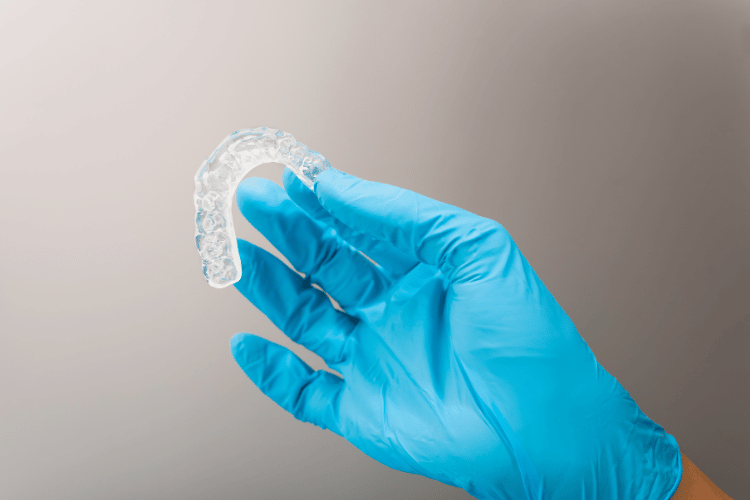
Welcome to my journey of finding the perfect daytime mouth guard to combat teeth grinding. As an entrepreneur and scientist, I believe that if anyone can crack this case, it’s me.
I understand the struggles of dealing with teeth grinding during the day, the discomfort, and the potential dental damage it can cause. That’s why I started this blog – to share what’s working and what’s not.
In this article, we’ll dive into the world of daytime mouthguards, exploring their benefits, popular questions, and conducting a round-up review of the top contenders.
So, let’s protect our smiles and find the ultimate solution for daytime teeth grinding together!
Teeth Grinding: A Brief Overview
Teeth grinding, scientifically known as sleep bruxism, can wreak havoc on your oral health and overall well-being. It often occurs unconsciously during sleep, but it can also persist during the day, leading to the need for daytime mouthguards.
Stress, anxiety, an abnormal bite, or even certain medications can contribute to this habit. The constant grinding and clenching exert excessive force on your teeth and jaw muscles, causing various complications.
The consequences of untreated teeth grinding can be severe. It can lead to tooth wear, chipped or broken teeth, jaw pain, facial pain, tension headaches, and even joint disorders. Additionally, nocturnal bruxism, when left unaddressed, can affect your sleep quality.
Fortunately, daytime mouth guards offer a practical solution to protect your teeth during waking hours. These guards cushion the impact, prevent tooth damage, and reduce muscle tension.
They serve as a physical barrier between your upper and lower teeth, ensuring that the guard absorbs the grinding forces rather than your precious pearly whites.
The Benefits of Daytime Mouth Guards
Daytime mouthguards offer a range of benefits that can help alleviate the negative effects of teeth grinding during the day.
By utilizing daytime mouth guards, you can effectively protect your teeth, alleviate discomfort, and prevent dental damage caused by teeth grinding during the day.

So, let’s explore these advantages in more detail:
1. Protection Against Teeth Grinding During the Day
Daytime mouthguards act as a protective barrier, preventing the upper and lower teeth from grinding against each other.
By absorbing the excessive forces generated during teeth grinding, these guards help minimize the risk of tooth damage, such as wear, fractures, or chips.
2. Alleviation of Symptoms and Discomfort
Teeth grinding can lead to various uncomfortable symptoms, including jaw pain, facial pain, and tension headaches.
Daytime mouthguards can help alleviate these symptoms by providing cushioning and reducing the impact of clenching and grinding.
They promote relaxation and help alleviate the symptoms that interfere with daily activities.
3. Preventing Dental Damage and Wear
The constant grinding and clenching of teeth can cause significant dental damage over time.
With their ability to lessen the damaging effects of grinding, daytime mouth guards are essential in promoting optimal oral health and preventing long-term dental complications.
By cushioning the impact and redistributing the forces, these guards help maintain the integrity of your teeth.
4. Custom Fit for Maximum Comfort
Many daytime mouthguards offer customizable features, allowing for a custom fit that ensures maximum comfort.
Custom-fitted guards can be obtained through dental offices or dental impression kits, ensuring a precise fit tailored to your mouth’s unique shape and size.
This personalized fit enhances comfort and ensures that the guard stays securely in place during the day.
5. Relieving Jaw Muscles and Joint Pain
Teeth grinding excessively strains the jaw muscles and temporomandibular joint (TMJ), leading to discomfort and pain.
Since daytime mouth guards provide a buffer between your teeth, they reduce the strain on the jaw muscles and alleviate joint pain.
By promoting proper alignment and reducing muscle tension, these guards improve jaw health and comfort.
Round-Up Review: 5 Top Daytime Mouth Guards
Remember, when choosing a daytime mouthguard, consider your specific needs, grinding habits, and personal preferences.
Consulting with a dental professional can also provide valuable guidance in selecting the most suitable option for your requirements.
That said, let’s check out my 5 top picks for daytime mouthguards.
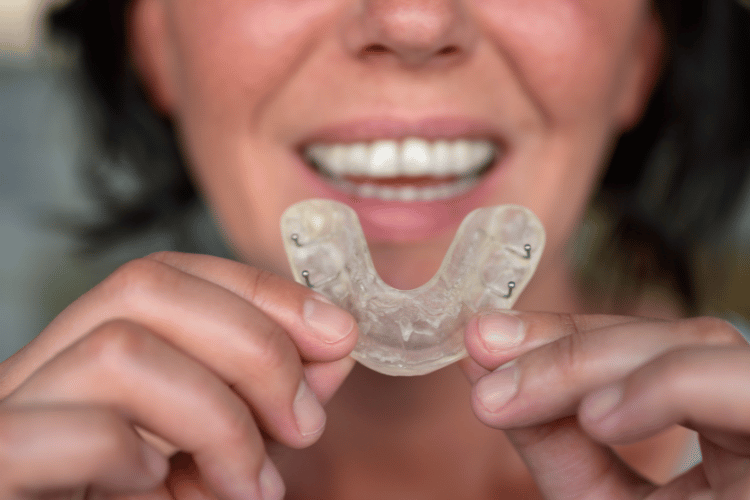
1. Chomperlabs Daytime Ultra Thin Night Guard
We kick off our list with the Daytime Ultra Thin Mouth Guard. This isn’t an OTC mouth guard that you can purchase randomly from a store, it’s specifically fabricated to be a perfect fit for your teeth.
The ultra-thin 0.8 mm thickness makes it easy to wear, take off, and get used to. Its thickness and transparent colors make it one of the least noticeable mouthguards out there, both for the wearer and whoever they’re talking to.
Further, the producing company gives a decent list of guarantees to ensure quality, like allowing you to return the mouthguard within 100 days if you’re not satisfied with the product, a 6-month grind-free warranty, and free-of-charge adjustment if your mouthguard isn’t fitting.
You also get a protective case, all-inclusive 3-way shipping, and a pre-paid return label.
Unfortunately, all those bells and whistles don’t come cheap. The night guard costs over $140 per jaw.
Pros
- Excellent fit and low thickness for extreme comfort
- A 6-month guarantee and the ability to return the mouthguard within 100 days
Cons
- The price tag is a bit high
Best Suitable For
Day grinders who prefer comfort and invisibility over all else.
2. DenTek Professional-Fit Maximum Protection Dental Guard
The DenTek Professional-Fit Maximum Protection Dental Guard is a custom-fit guard that offers maximum protection against grinding. It utilizes advanced bite plate alignment technology for optimal comfort and effectiveness.
Pros
- The custom-fit design ensures a secure and comfortable fit.
- Utilizes advanced bite plate alignment technology.
Cons
- It may take some time to adjust to the custom-fit design.
Best Suitable For
Those who prefer a custom-fit guard with advanced bite plate alignment technology for maximum protection and comfort.
3. The ConfiDental Athletic Mouth Guard
Some people clench their teeth naturally, but most of us instinctively grind our teeth while playing hard or contact sports.
That’s where the ConfiDental mouth guard comes in.
This heavy-duty mouth guard is suitable for both day and nighttime users, and it has five moldable guards in the pack for the best fit.
Pros
- It’s moldable to give you the perfect fit over your teeth
- It’s suitable for both day and nighttime use.
Cons
- Multiple users said that the molding instructions were a bit vague
Best Suitable For
Athletes who need affordable mouthguards that they can rely on.
4. Cheeky Night Guard
The Cheeky Night Guard offers a sleek and comfortable design which makes it useful for both day and nighttime use. Its streamlined appearance ensures discretion while offering a comfortable fit for extended wear.
Crafted from high-quality dental-grade materials, the Cheeky Night Guard offers exceptional durability and longevity. The custom-fit design of the Cheeky Night Guard ensures optimal comfort and effectiveness as well.
Pros
- Sleek and discreet design for daytime use.
- Comfortable fit for extended wear.
Cons
- May not be suitable for heavy grinding or individuals with specific bite alignment issues.
Best Suitable For
Those of you in search of a sleek and comfortable daytime mouth guard to protect against teeth grinding.
5. Sentinel Mouthguards No-Show Day Mouth Guard
The Sentinel Mouthguards No-Show Day Mouth Guard is designed to be discreet and comfortable for daytime use. It offers a custom-fit design and effective protection against teeth grinding and clenching.
Pros
- Discreet and nearly invisible when worn during the day.
- Custom-fit design for optimal comfort and protection.
Cons
- The custom-fit process requires taking dental impressions, which some users may find cumbersome.
Best Suitable For
Those desiring a discreet and custom-fit daytime mouth guard for effective shielding from the pain of grinding and clenching.
6. Js Dental Lab Daytime – On-the-Go Protection
Js On-the-Go Protection is a decent blend between subtleness and comfort. It does cover all teeth, but its minimalist design makes up for that.
It has a 1.5 mm thickness which, despite not being the lowest on our list, is still fairly comfortable.
One thing that makes this mouthguard unique is its hardness. Whenever you hear about mouthguards, you often hear “soft and smooth” in the process, but not the On the Go Protection.
The hardness of this mouthguard might be uncomfortable at first, but once you get used to it, it’ll stay usable for a much longer time than your average mouthguard.
That’s why there’s a 365-day return policy. Also, you can’t miss out on the free shipping and the extra backup putty set that comes in the box.
Pros
- Highly durable, made in the USA with materials imported from Germany
- The clear and simple design makes it perfect for daytime use
Cons
- It takes time to get used to the hardness of it
Best Suitable For
Those who tear through soft mouthguards will find this one extra useful.
What Is the Difference Between a Daytime Mouth Guard and a Night Guard?
A daytime mouth guard is specifically designed to be worn during the day, while a night guard is intended for use during sleep.
The main difference lies in their purpose and design. Daytime mouthguards are typically slimmer and more discreet, allowing for comfortable wear and speech during daily activities.
Night guards, on the other hand, are often bulkier and provide more extensive coverage to protect against unconscious grinding and clenching during sleep.
Both serve the purpose of reducing dental damage, but they suit different contexts of teeth grinding.
How Do Daytime Mouth Guards Work?
Daytime mouthguards act as a protective barrier between your upper and lower teeth. They help absorb the grinding forces and minimize the impact on your teeth.
By redistributing the pressure, these guards reduce the risk of tooth wear, fractures, and other dental damage. Preventing direct contact and reducing muscle tension also helps promote relaxation and alleviates the discomfort associated with teeth grinding.
Overall, daytime mouth guards offer an effective solution to protect your teeth and maintain optimal oral health during waking hours.
Can I Talk and Drink Water While Wearing a Daytime Mouth Guard?

Yes! One of the advantages of daytime mouthguards is their slim design, which allows for comfortable speech and hydration.
Unlike bulkier night guards, daytime guards are specifically made to be less intrusive, so you can communicate clearly and drink water without removing the guard.
The slim profile and custom-fit options ensure that the guard remains securely in place while allowing you to go about your daily activities with ease.
However, keep in mind that maintaining proper oral hygiene by rinsing the guard after drinking and brushing your teeth regularly is still essential for overall oral health.
Can I Wear a Daytime Mouth Guard if I Have Braces?
Absolutely! Daytime mouthguards are suitable for individuals with braces who experience teeth grinding or clenching.
It’s important to choose a guard specifically designed for braces or opt for a custom-fit guard to ensure proper fit and protection. The guard should be compatible with braces and offer enough space to accommodate the brackets and wires.
By wearing a daytime mouth guard, you can protect your teeth, braces, and underlying oral structures from the potential damage caused by grinding or clenching while undergoing orthodontic treatment.
How Do I Clean and Care For My Daytime Mouth Guard?
Proper cleaning and care are essential to maintain the hygiene and longevity of your daytime mouth guard.
After each use, rinse the guard thoroughly with water to remove any debris or saliva. Regularly clean the guard using a non-abrasive toothbrush and mild soap or denture cleaner. Avoid using hot water, as it may distort the shape of the guard.
Store the guard in a clean, dry case when not in use to prevent contamination. Additionally, follow the manufacturer’s instructions regarding cleaning and replacement to ensure optimal performance and hygiene.
Can I Use Relaxation Techniques Instead of a Daytime Mouth Guard?
While relaxation techniques can help reduce stress and muscle tension, they may not provide sufficient protection against teeth grinding during the day.
Relaxation techniques can be complementary to using a daytime mouth guard, as they promote overall well-being and stress management. However, the physical barrier offered by a mouth guard is essential to prevent direct tooth-to-tooth contact and absorb the grinding forces.
If you experience teeth grinding or clenching, using a daytime mouth guard in conjunction with relaxation techniques can be a comprehensive approach to protecting your teeth and maintaining oral health.
Wrapping Up: Why Get a Daytime Mouth Guard?
Daytime mouthguards are valuable tools for protecting your teeth, alleviating discomfort, and maintaining optimal oral health. By wearing a properly fitted mouth guard, you can reduce the risk of tooth damage, jaw pain, and other negative effects of teeth grinding.
Whether you have occasional grinding episodes or a persistent habit, there are a variety of options available to suit your needs. Consider factors such as fit, comfort, level of protection, and personal preferences when choosing a daytime mouth guard.
Remember to consult with a dental professional for guidance and ensure proper maintenance for long-lasting effectiveness. Take control of your teeth grinding and embrace a healthier, more comfortable smile with a daytime mouth guard.
-
Can Invisalign Help With Clenching?

Teeth clenching and bruxism pose significant challenges to oral health. They can lead to various issues such as tooth wear and jaw discomfort.
Invisalign treatment, renowned for its effectiveness in straightening teeth discreetly, has sparked curiosity about its potential role in addressing clenching and bruxism.
So, can Invisalign help with clenching?
In this comprehensive guide, we explore the mechanisms by which Invisalign may help alleviate clenching and bruxism. We also cover the relationship between clenching and malocclusion.
Read on for valuable insights and considerations.
Understanding Invisalign Aligners
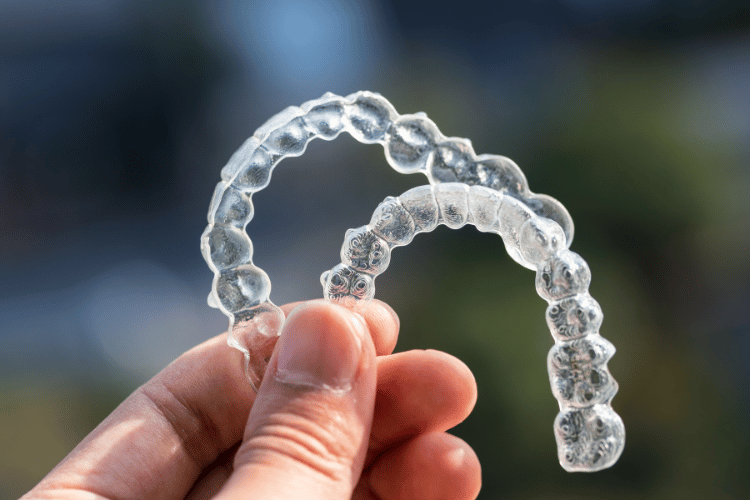
Invisalign aligners are transparent, custom-made orthodontic devices that offer a discreet and convenient alternative to traditional braces.
Made from medical-grade thermoplastic polymers of high molecular weight, these aligners are designed to fit snugly over the teeth and gently exert controlled forces to gradually shift them into proper alignment.
Each set of aligners is custom-designed using advanced 3D imaging technology, which ensures a precise fit for optimal treatment outcomes.
How Invisalign Achieves Straighter Teeth
The journey typically begins with a comprehensive examination, including dental impressions, photographs, and X-rays, to create a detailed treatment plan. This plan maps out the projected movement of the teeth throughout the course of treatment.
Based on the treatment plan, a series of custom aligners are created. Each set of aligners is worn for about 1-2 weeks, gradually moving the crooked teeth closer to their desired positions.
As the teeth progress, new sets of aligners are provided to continue the alignment process. The treatment duration varies based on individual needs, but it typically lasts around 12-18 months.
Benefits of Invisalign Over Traditional Braces
Invisalign treatment offers many benefits compared to traditional braces. Here are some of the most notable benefits of Invisalign aligners:
- Enhanced aesthetics with virtually invisible aligners.
- Increased comfort without metal brackets or wires.
- Removability for easy eating, drinking, brushing, and flossing.
- Reduced treatment time in certain cases.
- No dietary restrictions or complex cleaning routines.
- Custom-made aligners for a precise fit.
- Reduced likelihood of oral irritation or soreness.
- Minimal impact on daily activities and speech.
- Clear treatment progress with sequential aligner sets.
Can Invisalign Help With Clenching and Bruxism?

Orthodontic and dental experts have shared their opinions on the potential impact of Invisalign treatment on clenching and bruxism. And while individual experiences may vary, their insights provide valuable perspectives on the matter.
According to some orthodontists, addressing malocclusion through Invisalign treatment can potentially alleviate clenching and bruxism symptoms.
By improving the alignment of the teeth and jaws, Invisalign helps establish a more harmonious bite relationship, reducing potential triggers for clenching and grinding.
Straightening misaligned teeth may also help distribute biting and chewing forces more evenly, thereby relieving stress on the jaw muscles and joints.
A number of case studies have examined the potential effectiveness of Invisalign in managing bruxism symptoms. While research in this specific area is still evolving, initial findings seem to be promising.
Relationship Between Clenching/Bruxism and Malocclusion
Malocclusion refers to the misalignment of the teeth and jaws, which can manifest in various forms such as overcrowding, overbite, or underbite.
Malocclusion can disrupt the natural harmony of the bite, leading to potential complications, including clenching and bruxism.
When the teeth and jaws do not align properly, it can create imbalances in the way the upper and lower teeth come together.
Such imbalances include:
Uneven Distribution of Forces
Malocclusion can result in irregular contact between the teeth during biting and chewing. This can lead to uneven distribution of forces, causing specific teeth or areas of the mouth to bear excessive pressure.
The body’s natural response to this imbalance may involve clenching or grinding of the teeth as a way to alleviate discomfort or achieve a more stable bite.
Jaw Joint and Muscle Imbalances
Misaligned teeth can create jaw imbalances in the muscles and joints. The misalignment may cause certain muscles to work harder or be placed under increased tension.
Thi can lead to muscle fatigue and discomfort, and it can further contribute to the development or exacerbation of clenching and bruxism habits.
Abnormal Wear Patterns
The presence of malocclusion can result in abnormal wear patterns on the teeth, which can further perpetuate clenching and bruxism.
The irregular contact between misaligned teeth can lead to excessive forces on certain areas, accelerating tooth wear and potentially intensifying clenching and grinding habits.
Addressing malocclusion through an orthodontic treatment option, such as Invisalign, aims to correct the alignment of teeth and jaws, potentially reducing the triggers and severity of clenching and bruxism.
However, it is important to note that individual cases may vary, and a comprehensive evaluation by a dental professional is necessary to determine the most suitable treatment approach for each individual.
Mechanisms of Invisalign in Addressing Clenching
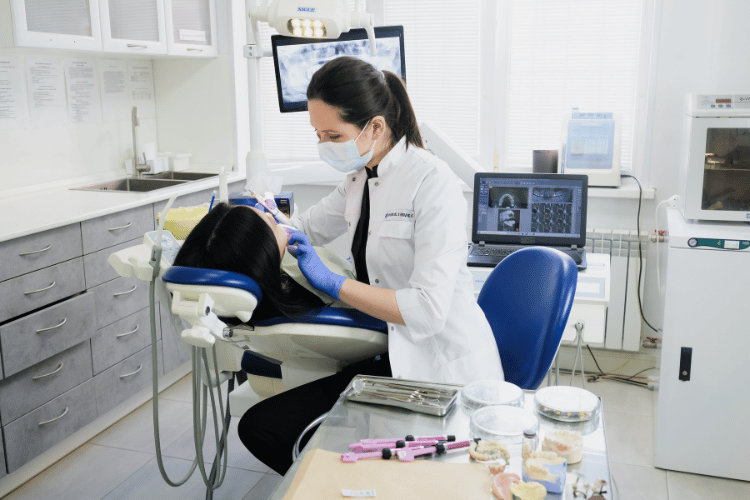
Proper bite alignment plays a big role in the management of clenching. Invisalign treatment can contribute to aligning the bite and reducing the potential triggers for clenching.
By gradually shifting the position of the teeth, Invisalign aligners aim to achieve a more harmonious bite relationship.
This improved bite alignment can help distribute the biting forces evenly across the teeth, reducing the need for compensatory teeth grinding or clenching.
When the teeth come together in proper alignment, it allows the muscles involved in jaw movement to function more efficiently.
The balanced occlusion achieved through Invisalign treatment may alleviate muscle tension and imbalances, potentially leading to a reduction in clenching and bruxism habits.
How Invisalign Can Correct Malocclusion and Alleviate Bruxism
By correcting the misalignment of teeth and jaws, Invisalign treatment can help alleviate bruxism symptoms in the following ways:
- Improved Tooth Positioning: Invisalign aligners gradually guide the teeth into their optimal positions. This can help establish a better alignment between the upper and lower teeth, reducing the potential triggers for clenching and grinding.
- Reduced Occlusal Interferences: Malocclusion can create interferences when the teeth come together, leading to imbalanced forces and muscle strain. Invisalign treatment aims to eliminate these occlusal interferences, allowing for a more harmonious bite relationship and reducing the need for compensatory clenching or grinding.
- Minimized Tooth Wear: Misaligned teeth can experience abnormal wear patterns due to irregular contact and excessive force. By correcting the alignment, Invisalign can help distribute biting forces more evenly, reducing the risk of excessive tooth wear associated with bruxism.
Potential Benefits of Invisalign for Jaw Relaxation and Tension Reduction
Beyond addressing the alignment of teeth, Invisalign treatment may provide additional benefits for jaw muscle relaxation and tension reduction:
- Reduced Muscle Strain: Invisalign treatment aims to achieve an optimal bite relationship, which can help relieve strain on the jaw muscles. By promoting a more balanced occlusion, Invisalign may help reduce muscle fatigue and tension associated with clenching and grinding.
- Improved Jaw Joint Function: Malocclusion can affect the functioning of the temporomandibular joint (TMJ), leading to discomfort and limited jaw movement. Invisalign treatment, by aligning the bite and reducing occlusal interferences, may contribute to improved jaw joint function and reduced TMJ-related symptoms.
- Muscle Relaxation Through Reduced Stress: Misaligned teeth and the associated bite imbalances can create jaw pain and stress in the jaw muscles. By addressing malocclusion, Invisalign treatment aims to reduce the stress on these muscles, potentially promoting relaxation and tension reduction.
While Invisalign treatment shows promise in addressing clenching and bruxism symptoms, it’s important to consult with a dental professional or orthodontist who can evaluate your specific situation and provide personalized recommendations.
They can determine whether Invisalign or other complementary approaches are suitable for managing your individual needs and symptoms.
Additional Strategies for Managing Clenching and Bruxism
In addition to Invisalign treatment, individuals dealing with clenching and bruxism can consider implementing the following strategies:
- Stress Reduction Techniques: Practicing stress management techniques such as relaxation exercises, meditation, and counseling can help reduce stress levels, which may contribute to bruxism.
- Improved Sleep Hygiene: Establishing a consistent sleep routine, creating a calm sleep environment, and avoiding stimulating activities before bedtime can promote better sleep quality and potentially keep you from grinding your teeth at night with no need for night guards.
- Lifestyle Modifications: Avoiding excessive alcohol and caffeine consumption, which can exacerbate bruxism, can be beneficial. Additionally, quitting smoking, if applicable, may contribute to overall oral health improvement.
- Regular Dental Check-Ups: Routine dental examinations can help monitor the progress of Invisalign treatment, evaluate changes in bruxism symptoms, and ensure that any potential dental issues are promptly addressed.
By incorporating these strategies into the treatment plan, alongside Invisalign, individuals may enhance their overall management of clenching and bruxism, promoting better oral health and well-being.
Conclusion
While Invisalign treatment shows promise in addressing malocclusion and its potential impact on clenching and bruxism, it’s important to note that individual experiences may vary.
Expert opinions, research studies, and patient testimonials suggest that Invisalign treatment can potentially alleviate clenching and bruxism symptoms by improving bite alignment, reducing occlusal interferences, and promoting muscle relaxation.
However, a comprehensive approach that includes collaboration between orthodontists and dental professionals, along with considering additional strategies, is crucial.
While Invisalign treatment may contribute to managing clenching and bruxism, it’s best to consult with dental professionals for personalized recommendations based on individual circumstances.
-
Can I Wear My Night Guard After Wisdom Teeth Removal?

Bruxism, or teeth grinding/clenching, is a common dental condition that affects many individuals. It can lead to many dental problems, including worn-down teeth, jaw pain, and headaches.
Night guards are often recommended as an effective solution for managing bruxism. That being said, if you’re scheduled for wisdom teeth removal, you must be asking, “Can I wear my night guard after wisdom teeth removal?”
In this article, we explore if it’s safe to wear night guards after wisdom teeth extraction and shed light on post-wisdom teeth removal considerations.
Understanding Wisdom Teeth Removal
Wisdom teeth, also known as third molars, often emerge in the late teens or early twenties. Due to limited space in the mouth, these molars can cause issues such as impaction, overcrowding, and misalignment.
Wisdom teeth removal is a common dental procedure that involves extracting these molars. The surgery may be performed under local anesthesia, sedation, or general anesthesia, depending on the complexity of the case.
Following wisdom teeth removal, the patient may experience swelling, discomfort, and restricted jaw movement. The recovery period usually lasts for several days to a couple of weeks.
During the recovery, it’s essential to take extra care of your oral health and make any necessary adjustments to your daily routine.
Wisdom Teeth Removal and Night Guards
Night guards, also referred to as occlusal splints, are custom-fitted dental appliances that are worn during sleep to protect the teeth from the damaging effects of bruxism.
Bruxism is characterized by the involuntary clenching, grinding, or gnashing of teeth, often during sleep. It can be caused by various factors, including stress, misaligned teeth, or an abnormal bite.
Night guards work by introducing a protective barrier between the upper and lower teeth. This barrier absorbs the forces generated during teeth grinding.
Night guards help alleviate symptoms associated with bruxism, including tooth wear, jaw pain, and headaches. They also assist in reducing muscle tension and promoting a more relaxed jaw position.
Can you wear a night guard after a wisdom teeth removal, though?
It’s generally recommended to avoid wearing a night guard immediately after a wisdom teeth removal. The timing depends on your specific case and the advice of your dentist.
Post-Wisdom Teeth Removal Considerations
When it comes to wearing night guards after a wisdom teeth removal, there are a few crucial factors to consider, namely:
Timing
The timing of wearing your night guard after wisdom teeth removal depends on the extent of the surgery and the recommendation of your dentist.
Wisdom teeth extraction is a surgical procedure that involves the removal of teeth, resulting in swelling, discomfort, and restricted jaw movement during the initial healing period.
Wearing a night guard too soon after the procedure may exacerbate the symptoms and interfere with the natural healing process. It’s crucial to allow your mouth time to heal without additional pressure or discomfort from the night guard.
Impact on Bruxism Management

Wisdom teeth removal does not eliminate bruxism. While the removal of a wisdom tooth may alleviate some discomfort or misalignment-related issues, bruxism can persist.
It’s important to manage bruxism effectively even after wisdom teeth extraction to prevent any potential dental problems from worsening.
Dentist’s Recommendations
Your dentist is the best person to advise you on when to start wearing your night guard again after wisdom teeth removal.
They will assess your individual case, taking into consideration factors such as the complexity of the extraction, any complications encountered, and the progress of your recovery.
Following their recommendations will ensure that you don’t jeopardize your healing process or compromise your oral health.
Choosing the Right Post-Extraction Night Guard
When it comes to selecting a night guard after a wisdom teeth removal, be sure to take the following factors into consideration:
- Consult With Your Dentist: Start by consulting with your dentist who performed the wisdom tooth extraction. They are familiar with your specific case and can provide valuable insights and recommendations tailored to your needs.
- Type of Night Guard: There are different types of night guards available, including stock, boil-and-bite, and custom-fitted night guards. Custom-fitted night guards, typically made by a dental professional, offer the best fit, comfort, and effectiveness. They are custom-designed to match your teeth and bite, providing superior protection and minimizing discomfort.
- Level of Protection: Consider the level of protection you require based on the severity of your bruxism and the recommendations of your dentist. Some night guards offer different levels of thickness and durability, providing varying degrees of protection against teeth grinding and clenching.
- Material: Night guards can be made from various materials, including soft or hard acrylic, flexible plastic, or a combination. Discuss with your dentist the pros and cons of different materials and choose one that balances comfort, durability, and protection.
- Fit and Comfort: The night guard should fit comfortably in your mouth without causing additional discomfort or irritation, especially during the healing process after wisdom tooth extraction. Custom-fitted night guards are designed to provide a precise fit, ensuring maximum comfort while effectively protecting your teeth.
- Maintenance and Longevity: Consider the ease of cleaning and maintaining the night guard. Some night guards require special cleaning solutions or regular adjustments, while others can be easily cleaned with regular toothpaste and a toothbrush. Make sure you maintain it so it doesn’t start to smell! Additionally, inquire about the expected lifespan of the night guard and whether it can be adjusted or replaced if needed.
Tips for Wearing Night Guards Post-Extraction
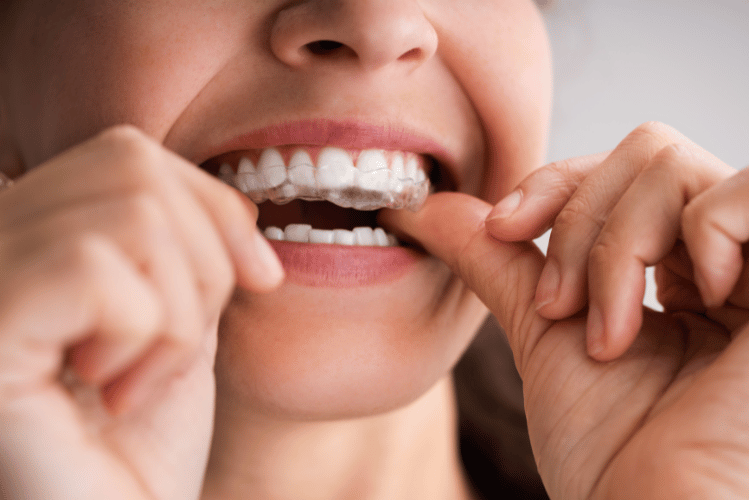
Once your dentist approves the use of your night guard after wisdom teeth removal, we strongly recommend following these tips:
- Cleanliness: Keep your night guard clean by rinsing it with warm water before and after each use. Avoid using hot water or harsh cleaning agents that may damage the guard.
- Oral Hygiene: Maintain a good oral hygiene routine, including brushing your teeth and flossing, before wearing your night guard. Clean your night guard separately to prevent the accumulation of bacteria.
- Comfort: If you experience any discomfort or pressure on your extraction sites while wearing the night guard, consult your dentist immediately. They may suggest modifications or adjustments to ensure a comfortable fit.
- Regular Check-Ups: Schedule regular follow-up visits with your dentist to monitor your oral health, the healing of the extraction sites, and the effectiveness of your night guard in managing bruxism.
Alternatives to Night Guards
While night guards are a recommended solution for managing bruxism, there are alternative methods that can complement or replace their use, including:
- Lifestyle Changes: Managing stress, practicing relaxation techniques, and establishing a consistent sleep routine can help reduce the frequency and intensity of teeth grinding.
- Physical Therapy: In some cases, bruxism can be a result of muscle tension or jaw misalignment. Physical therapy exercises, jaw stretches, and massages can help alleviate these issues.
- Medications: In severe cases of bruxism, medications such as muscle relaxants or antidepressants may be prescribed. However, the long-term use of these medications should be carefully monitored by a healthcare professional.
- Dental Procedures: If bruxism is severe and causing significant dental problems, your dentist may recommend dental procedures such as orthodontics, bite adjustments, or dental restorations to address the underlying issues.
Wrapping Up
In conclusion, managing bruxism after wisdom teeth removal is crucial for maintaining optimal oral health and preventing dental problems.
While wearing a night guard is an effective solution for bruxism management, the timing of using a night guard post-extraction requires careful consideration. This is why it’s advisable to consult with your dentist to determine when it is safe to resume wearing your night guard.
Bear in mind that wisdom teeth removal doesn’t eliminate bruxism, and managing this condition remains important for long-term oral health. Incorporating lifestyle changes, practicing relaxation techniques, and seeking alternative methods can complement the use of a night guard.
Further, choosing the right night guard, maintaining proper oral hygiene, and attending regular dental check-ups are essential for maximizing the effectiveness of your treatment and ensuring a comfortable fit.
Remember, your dentist is your best resource for personalized advice and guidance. By working closely with them, you can develop a comprehensive plan to manage bruxism effectively while avoiding the main side-effects of wearing a night guard.
Frequently Asked Questions:
1. Is it painful to wear a night guard after wisdom teeth extraction?Wearing a night guard too soon can cause pain or pressure on the healing gums. If your guard feels uncomfortable or presses against the extraction sites, stop using it and ask your dentist when it’s safe to try again.
6. Can I get a new night guard made after wisdom teeth removal?
Yes. Once your mouth fully heals and your bite has stabilized, your dentist may recommend a new custom night guard. This ensures the device fits properly and provides the best protection against teeth grinding.
7. What can I do to protect my teeth from grinding while I heal from wisdom teeth removal?
If you can’t wear your night guard during recovery, try stress-reduction techniques, jaw relaxation exercises, or warm compresses to ease tension. Your dentist may also suggest temporary alternatives until you’re ready to wear your guard again.
Medical Disclaimer: The information provided in this blog post, including all text, graphics, and other material, is for informational purposes only and is not intended to serve as a substitute for the consultation, diagnosis, and/or medical treatment of a qualified physician or healthcare provider. The content is not meant to be exhaustive or to apply to every individual’s specific situation.

Grind My Teeth
Sharing the scientific journey to stop teeth grinding
 Grind My Teeth