-
How to Manage and Avoid Top 9 Dental Night Guard Side Effects
Dental night guards are custom-made, removable dental appliances that fit over your teeth and align them to minimize damage from teeth grinding, also known as bruxism and temporomandibular joint (TMJ) disorders.
While these instruments can be highly effective in alleviating pain and preventing further dental issues, it’s essential to be aware of potential side effects. With that said, let’s look at the common and uncommon dental night guard side effects!
Common Dental Night Guard Side Effects
Discomfort and Soreness
When you first start wearing a dental night guard, it is common to feel some discomfort and soreness. This is usually due to the pressure applied to your teeth and gums as your mouth adjusts to the new instrument.
It generally takes a few days or even a week for your mouth to become accustomed to the night guard. However, if the pain persists, consult your dentist for adjustments or alternative options.

Speech Issues
At the start, wearing a dental night guard does make it difficult for some people when speaking. This is often due to the instrument’s thickness and positioning in the mouth. To overcome this, the best method is to practice speaking while wearing the night guard at home to help your mouth adapt more quickly.
Excess Saliva Production
It’s normal for your mouth to produce more saliva when you first start wearing a dental night guard. This is a natural response to the presence of a foreign object in the mouth. That said, it’s also potentially a good thing for protecting your teeth from decay!
Bad Morning Breath
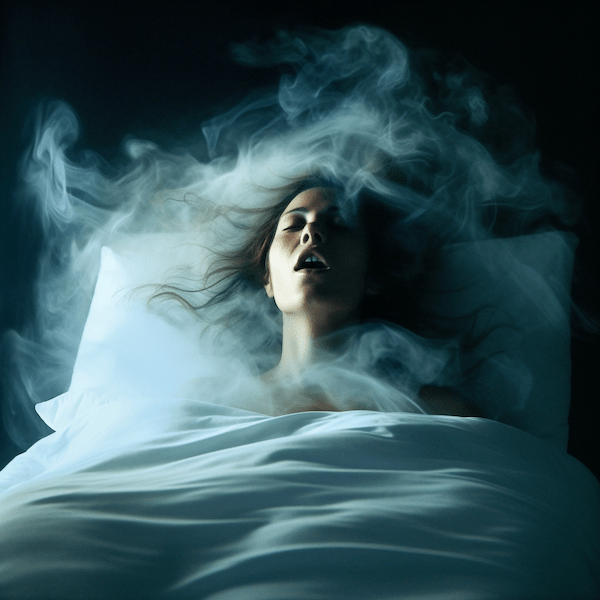
Everyone has bad breath in the morning and wearing a night guard only worsens it. When you sleep, your mouth produces less saliva, which allows odor-causing bacteria to thrive. A dental night guard can contribute to this situation by creating an environment that further encourages bacterial growth, leading to an increase in bad morning breath.
Allergic Reactions
Dental night guards are typically made from materials such as acrylic, silicone, or thermoplastic. While these materials are generally safe, some individuals may have an allergic reaction. Some symptoms of an allergic reaction include itching, redness, swelling, or discomfort around the mouth or gums.
If any of these symptoms occur, stop wearing your night guard, contact your doctor, and ask for a night guard made of a different material, such as hypoallergenic ones, to avoid allergic reactions.
One other thing to note here, and this one caught me off guard, is what you clean your mouthguard with. When I was new to mouthguards, I cleaned mine in a 70% isopropyl alcohol solution which was WAY too strong and damaged the night guard, also potentially absorbing into it (it was a cheap over the counter guard). I woke up the next morning with what felt like a mild chemical burn, so definitely be mindful of that too!
Shifting Teeth Concerns
Shifting teeth remains one of the many side effects of wearing dental night guards. While night guards are designed to protect your teeth from grinding and clenching, it’s essential to understand the potential risks and how to reduce them.
Teeth shifting can occur when constant pressure is applied to your teeth over time, causing them to move out of their original position. This is a valid concern when using a night guard, as the instrument can exert pressure on the teeth while being worn.
Most importantly, the issue of teeth shifting mostly occurs when using Ill-fitting, over-the-counter night guards as they may not provide an even distribution of pressure across your teeth. These generic appliances may not fit your dental structure correctly, leading to uneven pressure and an increased risk of teeth shifting.
This highlights the importance of opting for a custom-fitted night guard that is tailored to your unique dental needs and properly fits your teeth and jaw.
Uncommon Side Effects of Dental Night Guards
Infection
Infections can occur if you do not clean your dental night guard properly or maintain good oral hygiene. Bacteria can accumulate on the appliance, leading to potential infections in the mouth.
Moreover, some signs of an infection may include pain, swelling, or discharge around the affected area. If you suspect an infection, consult your dentist for appropriate treatment, which may include antibiotics and guidance on proper night guard care.
Breathing Difficulties
In rare cases, a dental night guard may obstruct your airways, leading to breathing difficulties. This is more likely to occur with poorly fitted or bulky night guards. Ensure that your night guard fits properly to minimize the risk of breathing difficulties.
Temporomandibular Joint (TMJ) Pain
The temporomandibular joint (TMJ) is the joint that connects your lower jaw to your skull. An ill-fitting or misaligned night guard can cause TMJ pain, as it may place additional stress on the jaw joint.
To prevent TMJ pain, it is crucial to have a night guard that is custom-made and properly fitted to your teeth and jaw. If you experience increased TMJ pain after starting to use a dental night guard, consult your dentist to discuss possible adjustments or alternative treatment options.
Importance of Professional Consultation
Seeking Advice From Dental Professionals
Each person’s dental structure and needs are unique, and it’s essential to consult a dental professional to determine the most appropriate type of night guard for your specific situation.
Moreover, a dentist can create a custom-fitted night guard tailored to your teeth and jaw, which will provide better comfort and effectiveness compared to over-the-counter options.

Regular Dental Check-Ups
With night guards, consistent dental check-ups will allow your dentist to monitor the effectiveness of your night guard and ensure that it continues to address your dental issues properly and efficiently.
It also provides an opportunity for your dentist to identify and address any side effects or complications related to your dental night guard use.
Tips for Reducing Side Effects and Ensuring Optimal Fit
Proper Cleaning and Maintenance
Keep your night guard clean by following your dentist’s recommendations for cleaning and disinfecting the instrument. This will help prevent the buildup of bacteria and reduce the risk of infection. We also have an in depth article on proper dental night guard cleaning here.
Gradual Adaptation to Wearing the Night Guard
Allow yourself some time to adjust to the sensation of wearing a night guard. Start by wearing it for shorter periods and gradually increase the duration until you can wear it comfortably throughout the night.
Appropriate Storage and Handling
Store your night guard in a clean, dry case when not in use. Keep it away from direct sunlight, heat, and moisture to prevent warping or damage.
Recognizing When to Replace the Night Guard
Over time, dental night guards can wear down or become less effective. Consult your dentist if you notice any changes in fit or effectiveness, as it may be time for a replacement.
Conclusion
While dental night guards can effectively prevent teeth grinding, bruxism, and TMJ disorders, it’s important to be aware of potential side effects.
By following proper care and maintenance guidelines, consulting with dental professionals, and addressing any side effects or complications promptly, you can ensure that your dental night guard provides the protection and relief you need.
Remember to seek personalized advice and care from your dentist to find the best solution for your unique dental needs.
Frequently Asked Questions:
1. Can a night guard cause jaw pain or make bruxism worse?
Yes, an ill-fitting dental night guard can sometimes cause jaw pain, tension, or worsen teeth grinding. This usually happens when the guard doesn’t align properly with your bite. Choosing a custom-fitted night guard from a dentist, or carefully selecting a high-quality over-the-counter option, helps prevent jaw discomfort and ensures the night guard protects rather than harms your teeth.
2. How do I stop a night guard from making my teeth hurt?
If your night guard makes your teeth sore, it may be too tight, poorly fitted, or the wrong type for your grinding or clenching pattern. Try adjusting to a softer guard, ensuring it’s properly molded, or consulting your dentist for a custom version. A properly fitted guard should feel comfortable after a short adjustment period and should not cause ongoing tooth pain.
3. Can wearing a night guard every night damage my teeth?
When properly fitted, wearing a night guard nightly is safe and highly recommended for bruxism. However, poorly made or worn-down guards can shift your bite, cause gum irritation, or trap bacteria. Regular cleaning, replacement when the guard shows wear, and dental check-ins help prevent long-term side effects while protecting your teeth from grinding damage.
4. How do I clean my dental night guard to avoid side effects?
Cleaning your night guard daily prevents bacteria buildup, bad breath, and gum irritation. Rinse it with lukewarm water after each use, gently brush with a soft toothbrush, and occasionally soak it in a non-abrasive cleaning solution. Avoid hot water, which can warp the material. Proper cleaning is one of the best ways to avoid night guard side effects and extend its lifespan.
References:
Bruxism Management, Updated March 2022
Teeth Grinding (Bruxism), from the NHS (UK), last reviewed June 2022
Teeth Grinding – what really happens when you fall asleep, September 2019
Unintended changes to the occlusion following the provision of night guards, October 2018
Medical Disclaimer: The information provided in this blog post, including all text, graphics, and other material, is for informational purposes only and is not intended to serve as a substitute for the consultation, diagnosis, and/or medical treatment of a qualified physician or healthcare provider. The content is not meant to be exhaustive or to apply to every individual’s specific situation.
-
Alcohol and Teeth Grinding

Teeth grinding effects many of us, and in some studies we’ve seen there’s a link between consuming alcohol and how much you grind your teeth. While it may not be a direct factor, it is thought to indirectly contribute to your bruxism by reducing your sleep quality. We get into the detail below and explore the relationship, and ways that you can reduce the impact of the alcohol.
Understanding Teeth Grinding (Bruxism)
Bruxism, more commonly known as teeth grinding, is a condition distinguished by the involuntary grinding or clenching of teeth. It often occurs subconsciously during sleep, although it can also manifest during waking hours, particularly in periods of intense stress or concentration.

The causes of bruxism can be multifaceted, ranging from stress and anxiety to more physiological factors such as an abnormal bite, or even sleep disorders. Individuals suffering from bruxism often experience a myriad of symptoms. These may include jaw pain, headaches, worn-down teeth, and in some instances, disrupted sleep. Moreover, the constant grinding can lead to more severe dental issues, such as loss of tooth enamel, increased tooth sensitivity, and even chipped or broken teeth.
It’s a widespread issue; the American Dental Association estimates that around 10-15% of adults experience bruxism. However, many aren’t even aware they have this condition until significant dental damage occurs. By that point, the effects of teeth grinding are already quite profound, underlining the importance of early detection and intervention.
The Impact of Alcohol on Teeth Grinding
Alcohol is a central nervous system depressant and can influence a myriad of bodily functions. Its effects on our body are varied and extensive, and one area it significantly affects is our sleep patterns. While alcohol might initially appear to promote sleep due to its sedative effect, it paradoxically leads to less restful and restorative sleep. This disruption in sleep quality can inadvertently exacerbate conditions like bruxism.
Several scientific studies have probed into the link between alcohol consumption and teeth grinding, with results indicating a probable correlation. Given how many variables are thought to effect teeth grinding, it’s hard to isolate just alcohol and do a study on that and draw strong conclusions. Generally though, it’s accepted that alcohol disrupts sleep, and given this and the effect that lack of sleep can have on stress in your life and your overall wellbeing, it’s easy to see how alcohol could have a potentially devastating impact on your teeth grinding. This is not a direct impact, at least there currently isn’t great evidence pointing to a direct relationship.

One interesting thing we found in our research of academic literature was that although there is a teeth erosion in alcoholics, it is thought to be from chemical damage (erosion) rather than from grinding or attrition. It may be that alcoholics having damaged teeth was part of why folks have always associated bruxism with alcohol.
Coping Strategies and Remedies
Even though the connection between alcohol and teeth grinding seems daunting, it’s important to know that bruxism is a manageable condition. Effective coping strategies exist, and in the case of bruxism being exacerbated by alcohol, the most obvious first step is to reduce alcohol consumption. This could lead to higher quality sleep, better overall health, lower stress, and ultimately less bruxism.
Additionally, stress management techniques can play a crucial role in managing bruxism. Practices such as yoga, meditation, and regular exercise can alleviate stress, one of the root causes of teeth grinding, thereby reducing its occurrence. Healthy sleep habits, including maintaining consistent sleep schedules and creating a conducive sleep environment, can also positively impact bruxism.
One other factor that is specific to alcohol consumption is dehydration. Alcohol is a diuretic and leads to your body becoming dehydration, and this has been implicated as a contributor to teeth grinding as well. Hydrating after consuming alcohol is important, and using electrolytes alongside your water is a sure bet.
For those with severe bruxism, dental interventions could be necessary. The use of dental night guards or other procedures like masseter botox can help manage the condition and prevent further dental damage. It’s always advisable to consult with a dental professional if you suspect you’re suffering from bruxism. Together, you can explore potential bruxism remedies and decide on a treatment plan that suits your specific needs.
Alcohol reduction strategies, stress relief practices, maintaining healthy sleep patterns, and seeking professional help can all play a vital role in managing bruxism. Implementing these changes can lead to a significant improvement in one’s quality of life and oral health.
Frequently Asked Questions (FAQs) about Alcohol and Teeth Grinding
- Can alcohol cause teeth grinding? While alcohol itself may not directly cause teeth grinding, it can contributes to conditions that make bruxism more likely. These include disrupting sleep patterns and encouraging muscular relaxation.
- What can I do to stop grinding my teeth after drinking? Reducing alcohol consumption, especially close to bedtime, can be beneficial. Good sleep hygiene practices and incorporating relaxation techniques can also help mitigate teeth grinding after drinking.
- Are there specific treatments for alcohol-induced teeth grinding? While there aren’t treatments specifically for alcohol-induced bruxism, common bruxism treatments like stress management, lifestyle changes, and dental interventions can be beneficial.
Conclusion: alcohol can be a contributing factor to bruxism
Increasingly the world is waking up to the damage alcohol can wreak on our health, both mental and physical. Given the impact of alcohol on all of these factors that we know contribute to teeth grinding, it’s a safe bet that further consumption of it is not helping your bruxism. If you can’t reduce or completely remove alcohol from your life, definitely look at some other areas of stress reduction in your life. Reducing other stimulant usage could be one step, as could be staying well hydrated before bed. Lastly, a dental night guard can be a cheap way to ensure you don’t damage your teeth in the long run.
References
- Association between sleep bruxism and alcohol, caffeine, tobacco, and drug abuse: A systematic review, 2016
- The Effects of Alcohol on Quality of Sleep, 2015
- Dental erosion in patients with chronic alcoholism, 1989
Medical Disclaimer: The information provided in this blog post, including all text, graphics, and other material, is for informational purposes only and is not intended to serve as a substitute for the consultation, diagnosis, and/or medical treatment of a qualified physician or healthcare provider. The content is not meant to be exhaustive or to apply to every individual’s specific situation.
-
How Long Does a Night Guard Last?
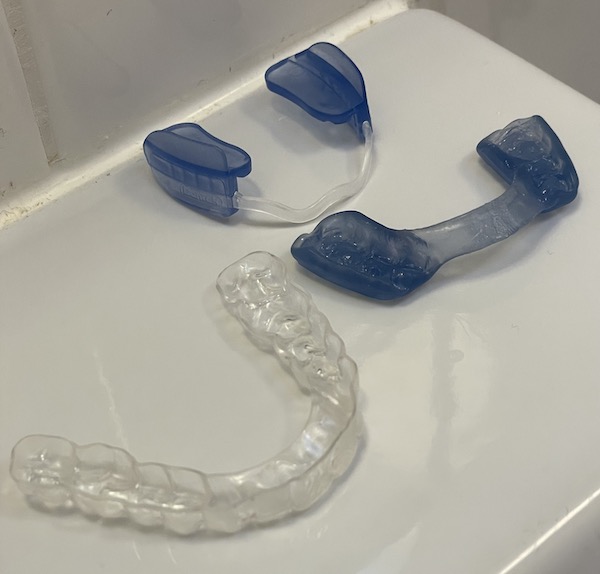
Dental night guards serve an essential purpose for individuals who suffer from teeth grinding, also known as bruxism, or temporomandibular joint (TMJ) disorders. By providing a barrier between the upper and lower teeth, night guards can help prevent tooth wear, reduce pain, and alleviate other related symptoms. Here, we will explore the factors that influence the lifespan of a night guard and provide tips on how to extend its durability.
Factors Influencing the Lifespan of a Night Guard
Material
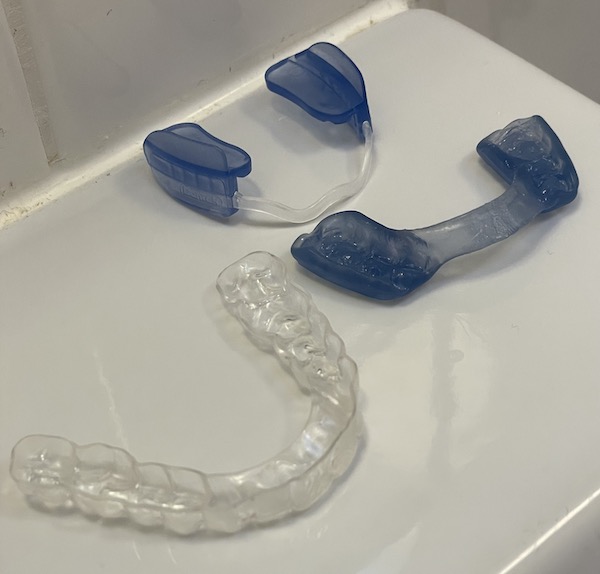
The material used to construct a night guard plays a significant role in its durability. There are three main types of night guards, which vary in terms of material and strength:
- Hard acrylic night guards: These night guards are made from a rigid acrylic material and are generally the most durable option.
- Soft night guards: Constructed from a softer material, these night guards tend to be more comfortable but less durable than their hard acrylic counterparts.
- Dual laminate night guards: These night guards feature a combination of hard and soft materials, offering a balance between comfort and durability.
Frequency and Intensity of Teeth Grinding
The lifespan of a night guard can also be influenced by how often and how intensely you grind your teeth. Individuals with more severe bruxism or those who grind their teeth more frequently may find that their night guards wear out more quickly than those with milder symptoms.
Proper Care and Maintenance
Taking care of your night guard by cleaning and storing it properly can significantly impact its lifespan. By maintaining good hygiene practices and following your dentist’s recommendations for cleaning and disinfecting it, you can help prevent the buildup of bacteria and prolong the life of your night guard.
Quality of the Night Guard (Custom-made vs. Over-the-counter)
Custom-made night guards, which are created by your dentist to fit your specific dental structure, tend to last longer than over-the-counter options. This is because custom night guards are made from high-quality materials and are designed to provide an optimal fit, reducing the risk of damage due to improper fit or uneven pressure.
Average Lifespan of Different Types of Night Guards
Hard Acrylic Night Guards
Hard acrylic night guards are typically the longest-lasting option, with an average lifespan of 2 to 5 years. Their durability can be attributed to the rigid acrylic material, which is more resistant to wear and tear compared to softer materials.
Soft Night Guards
Soft night guards, on the other hand, tend to have a shorter lifespan, usually lasting between 6 months to 2 years. While these night guards may be more comfortable for some individuals, the softer material is more susceptible to wear and tear, especially for those with moderate to severe teeth grinding.
Dual Laminate Night Guards
Dual laminate night guards, which combine the durability of hard acrylic with the comfort of a soft material, generally have an average lifespan of 1 to 3 years. This option provides a balance between comfort and durability for individuals with varying degrees of teeth grinding severity.
Signs That It’s Time to Replace Your Night Guard
Changes in Fit or Comfort
If you notice that your night guard no longer fits as comfortably as it once did, or if it begins to cause pain or discomfort, it may be time to replace it. Changes in fit can indicate that the night guard has worn down or that your dental structure has changed.
Visible Wear or Damage
Inspect your night guard regularly for signs of wear, such as thinning or cracking. If you notice visible damage, it’s essential to replace the night guard to ensure it continues to provide adequate protection for your teeth.
Persistent Odors or Discoloration
If your night guard develops persistent odors or discoloration despite regular cleaning, it could be a sign that it’s time for a replacement. Odors and discoloration can be indicative of bacterial buildup, which can not only reduce the effectiveness of the night guard but also pose a risk to your oral health.

Recurring Symptoms of Teeth Grinding or TMJ Issues
If you begin to experience symptoms associated with teeth grinding or TMJ disorders despite using your night guard consistently, it may be a sign that your night guard is no longer providing adequate protection. In such cases, consult your dentist to determine if a replacement or alternative treatment is necessary.
Tips to Extend the Lifespan of Your Night Guard
Proper Cleaning and Storage
To prolong the life of your night guard, clean it regularly following your dentist’s recommendations, or read our article on how to clean your night guard here. Store it in a clean, dry case when not in use, and keep it away from direct sunlight, heat, and moisture to prevent warping or damage.
Handling the Night Guard with Care
Handle your night guard gently to avoid causing damage. When inserting or removing the appliance, use both hands to evenly distribute pressure and avoid bending or twisting it.
Regular Dental Check-ups
Maintaining regular dental appointments will allow your dentist to monitor the effectiveness and condition of your night guard. They can provide guidance on when it’s time for a replacement and ensure that your night guard continues to provide the protection you need.
Using a Night Guard Case
Invest in a protective case designed specifically for night guards. This will not only help maintain the cleanliness of your night guard but also protect it from damage during storage or travel.
In Summary
The lifespan of a night guard can vary depending on factors such as the type of material, the severity of teeth grinding, and the quality of the night guard itself. By being mindful of these factors and taking steps to properly care for and maintain your night guard, you can help extend its lifespan and ensure that it continues to provide the protection and relief you need. Remember to consult with your dental professional for personalized advice and care, and to monitor the condition of your night guard regularly to determine when it’s time for a replacement.
Medical Disclaimer: The information provided in this blog post, including all text, graphics, and other material, is for informational purposes only and is not intended to serve as a substitute for the consultation, diagnosis, and/or medical treatment of a qualified physician or healthcare provider. The content is not meant to be exhaustive or to apply to every individual’s specific situation.
-
Botox for bruxism or teeth grinding: Masseter Botox

Bruxism, or teeth grinding and clenching, can cause a range of problems for those who suffer from it. Many people try various treatments to alleviate their symptoms, but when all else fails, they may consider masseter Botox as a last resort. In this blog post, we’ll delve into the details of how Botox works for bruxism, the benefits and risks associated with masseter Botox, and how to prepare for a treatment.
How Botox works for bruxism
Mechanism of action
1. Botox’s effect on muscles
Botox, or botulinum toxin, is a neurotoxin derived from the bacterium Clostridium botulinum. When injected into muscles, Botox works by blocking the release of acetylcholine, a neurotransmitter responsible for muscle contractions. By inhibiting the release of acetylcholine, Botox effectively weakens the targeted muscle, reducing its ability to contract and causing it to relax.
2. Relaxing the masseter muscle
The masseter muscle is a thick, powerful muscle located in the jaw, responsible for clenching and grinding of the teeth. When Botox is injected into the masseter muscle, it relaxes the muscle and reduces the force of contraction. This helps to alleviate the symptoms of bruxism and prevent further damage to the teeth and jaw.
Duration and effectiveness
1. Typical treatment timelines
It usually takes about 1-2 weeks for the full effects of a Botox injection to become apparent, and the results typically last for 3-6 months. After this period, the muscle gradually regains its strength and function, so follow-up treatments may be necessary to maintain the benefits.
2. Maintenance and follow-up treatments
Patients often require regular follow-up treatments to maintain the effects of Botox for bruxism. The frequency of treatments varies depending on the individual’s needs and response to the injections. Some people may require treatments every 3-6 months, while others may be able to go longer between sessions. Over time, the masseter muscle may become weaker due to the repeated treatments, which could result in longer-lasting effects and less frequent treatments.
Benefits of Masseter Botox
Reduction of teeth grinding and clenching
1. Preservation of dental health
By relaxing the masseter muscle and reducing the force of teeth grinding and clenching, Botox can help prevent further wear and tear on the teeth. This can reduce the risk of dental issues such as tooth fractures, enamel loss, and gum recession, ultimately preserving the patient’s dental health.
2. Decreased risk of temporomandibular joint disorders (TMJ)
Bruxism is a common cause of temporomandibular joint disorders (TMJ), which affect the joints and muscles responsible for jaw movement. By minimizing teeth grinding and clenching, masseter Botox can help decrease the risk of developing TMJ and alleviate symptoms for those who already have the condition.
Relief from pain and discomfort
1. Reduced muscle tension
Chronic teeth grinding and clenching can lead to muscle tension and soreness in the jaw, face, and neck. Masseter Botox injections help relax the masseter muscle, which can alleviate this discomfort and reduce the tension in the surrounding muscles.

2. Improved sleep quality
Bruxism often occurs during sleep, which can disrupt the quality of rest for both the person experiencing it and their bed partner. By reducing the intensity and frequency of teeth grinding and clenching, masseter Botox can help improve sleep quality for those suffering from bruxism.
Aesthetic improvements
1. Slimming of the jawline
For some individuals, an overdeveloped masseter muscle can lead to a wider, more square-shaped jawline. By relaxing and weakening the masseter muscle, Botox injections can result in a slimmer, more contoured jawline, which is often seen as a desirable aesthetic effect
2. Reduction in facial wrinkles
While the primary goal of masseter Botox is to treat bruxism, the injections can also provide some cosmetic benefits. The relaxation of the masseter muscle can lead to a reduction in facial wrinkles, particularly in the lower face and around the mouth, giving a more youthful and refreshed appearance.
Risks and potential side effects
Common side effects
1. Temporary pain or swelling at the injection site
As with any injection, masseter Botox treatments can cause some temporary discomfort and swelling at the injection site. These side effects are generally mild and subside within a few days.

2. Headaches or muscle weakness
Some patients may experience headaches or temporary muscle weakness after receiving masseter Botox injections. These side effects are usually mild and resolve on their own within a few days to a week.
Rare but serious side effects
1. Allergic reactions
Although rare, some individuals may have an allergic reaction to Botox or its components. Symptoms of an allergic reaction can include hives, difficulty breathing, and swelling of the face, lips, tongue, or throat. If you experience any of these symptoms after a Botox treatment, seek immediate medical attention.
2. Difficulty swallowing or breathing
In rare cases, Botox injections can cause difficulty swallowing or breathing due to the spread of the toxin to other muscles. This is a serious side effect that requires immediate medical attention
Importance of choosing a qualified and experienced provider
Many of the risks and side effects associated with masseter Botox can be minimized by choosing a qualified and experienced provider. A skilled injector will know the appropriate dosage and injection technique to minimize the risk of complications and ensure the best possible results.
Comparing Botox to other treatment options
Effectiveness of Botox vs. traditional treatments
1. Pros and cons of each option
Traditional treatments for bruxism include dental appliances, such as mouthguards and splints, as well as stress management and behavioral therapy. While these approaches can be effective for some patients, they may not provide sufficient relief for those with severe bruxism. Botox offers an alternative treatment option that can provide more immediate and noticeable relief from teeth grinding and clenching. However, Botox is not a permanent solution and requires regular follow-up treatments to maintain its effectiveness.
On the other hand, dental appliances and stress management techniques may provide long-term benefits without the need for ongoing treatments. However, they may not be as effective in addressing severe cases of bruxism or providing rapid relief from symptoms.
Cost Comparison
1. Initial costs and ongoing expenses
The cost of Botox injections for bruxism can vary depending on the provider, the number of injections required, and the geographic location of the treatment. Botox treatments are generally more expensive upfront than dental appliances or behavioral therapy, but the costs can add up over time as regular follow-up treatments are required to maintain the benefits.
Dental appliances, such as mouthguards and splints, typically have a lower initial cost, but may need to be replaced periodically. Additionally, the cost of stress management techniques and behavioral therapy can vary depending on the provider and the duration of the treatment program.
2. Insurance coverage and out-of-pocket expenses
Insurance coverage for Botox treatments for bruxism may be limited or unavailable, as it is often considered an off-label use or a cosmetic procedure. Patients should check with their insurance provider to determine whether the treatment is covered and what out-of-pocket expenses they may be responsible for.
Traditional treatments for bruxism, such as dental appliances and behavioral therapy, are more likely to be covered by insurance, resulting in lower out-of-pocket costs for patients. However, coverage can vary depending on the specific treatment and the individual’s insurance plan.
Preparing for a Masseter Botox treatment
Finding a qualified provider
1. Research and recommendations
When considering masseter Botox for bruxism, it’s essential to find a qualified and experienced provider. Begin by researching providers in your area, reading patient reviews, and asking for recommendations from friends, family, or your healthcare provider. Look for a provider with experience specifically in treating bruxism with Botox, as this requires specialized knowledge and skill.
2. Credentials and experience
Ensure that the provider you choose is board-certified and has extensive experience administering Botox injections for bruxism. Don’t hesitate to ask questions about their qualifications, experience, and success rates. A reputable provider will be happy to address your concerns and provide you with the information you need to make an informed decision.
Pre-treatment consultation
1. Discussing medical history and expectations
During your initial consultation, the provider will review your medical history, discuss your symptoms and concerns, and determine whether masseter Botox is an appropriate treatment option for you. It’s essential to be honest about your medical history, as certain conditions or medications may affect the safety or effectiveness of the treatment. Be sure to discuss your expectations for the procedure, as well as any concerns or questions you may have.
2. Customizing a treatment plan
Based on your individual needs and goals, your provider will develop a customized treatment plan for your masseter Botox injections. This may include the specific dosage, injection sites, and the number of treatments required to achieve optimal results.
Conclusion
Recap of Botox as a treatment option for bruxism
Masseter Botox has emerged as a promising treatment option for those suffering from bruxism, offering relief from teeth grinding and clenching, pain and discomfort, and even providing some aesthetic benefits. While it may not be suitable for everyone and requires regular follow-up treatments to maintain its effects, many patients find significant relief from their symptoms through Botox injections.
Encouragement to consult with a healthcare professional
If you’re struggling with bruxism and have not found relief through traditional treatment methods, it’s worth considering masseter Botox as a potential solution. However, it’s essential to consult with a qualified healthcare professional to discuss your symptoms, medical history, and treatment options to determine whether Botox is the right choice for you.
Final thoughts on the benefits of Masseter Botox for teeth grinding
Bruxism can have a significant impact on a person’s quality of life, from dental health issues to disrupted sleep and chronic pain. Masseter Botox offers a viable treatment option that can help reduce the severity of teeth grinding and clenching, improve sleep quality, and alleviate pain and discomfort. By choosing a qualified and experienced provider and working closely with them to develop a customized treatment plan, patients can enjoy the benefits of Botox for bruxism and regain control over their symptoms.
Medical Disclaimer: The information provided in this blog post, including all text, graphics, and other material, is for informational purposes only and is not intended to serve as a substitute for the consultation, diagnosis, and/or medical treatment of a qualified physician or healthcare provider. The content is not meant to be exhaustive or to apply to every individual’s specific situation.
Always seek the advice of your physician or another qualified healthcare provider with any questions you may have regarding a medical condition or treatment. Never disregard professional medical advice or delay in seeking it because of something you have read in this blog post.
The author and publisher of this blog post make no representations or warranties with respect to the accuracy, reliability, or completeness of the content provided herein, and specifically disclaim any implied warranties of merchantability, fitness for a particular purpose, or non-infringement. The author and publisher shall not be held liable or responsible for any errors, omissions, or inaccuracies in the information or for any user’s reliance on the information.
In no event will the author or publisher be liable for any direct, indirect, incidental, consequential, special, or exemplary damages arising from the use or misuse of the information in this blog post. Your use of this blog post and the information contained herein is solely at your own risk.
-
What is an occlusal guard vs a night guard

Night guard terminology can get confusing, so let’s break down what exactly an occlusal guard is real quick, and how it can help with your teeth grinding.
The definition of occlusion in dentistry
In dentistry, occlusion refers to the contact between the upper and lower teeth when the jaw is closed. This is an essential aspect of oral health, as proper occlusion ensures that the teeth and jaw are aligned correctly, allowing for efficient chewing, speaking, and overall comfort. The term “occlusal guard” is derived from this concept, as the primary purpose of these devices is to protect the teeth and jaw from damage due to improper occlusion or other issues.
Other names for occlusal guards
Occlusal guards are known by various names, often depending on their specific purpose or use. Some of these names include:
- Night guard
- Dental night guard
- Grind guard
- Bruxism protector
- Teeth Shield
- Bite guard
- Occlusal guard
- TMJ Mouth guard
- Night retainer
- Tooth protector
- Teeth guard
- Sleep guard
- Bruxism splint
- Clench guard
- Grinding retainer
- Bruxism guard
Occlusal splints
Occlusal splints are a type of occlusal guard that is typically custom-made to fit the user’s mouth. These devices may or may not differ from traditional occlusal guards, depending on the specific type and purpose of the splint. There are several different types of occlusal splints, including:
Repositioning splints
Repositioning splints, also known as anterior repositioning splints, are designed to reposition the jaw into a more comfortable and functional position. They are typically used to treat temporomandibular joint (TMJ) disorders and help alleviate the associated pain and discomfort.
Stabilization splints
Stabilization splints, sometimes referred to as flat plane splints, are designed to provide a stable and even surface for the teeth to contact when the jaw is closed. They help distribute the force of the bite evenly across the teeth, reducing the risk of damage and wear. These splints are often used to treat bruxism, TMJ disorders, and other issues related to an uneven bite.
The meaning of “full arch” in the context of occlusal guards
In the context of occlusal guards, a “full arch” refers to a guard that covers all of the teeth in one dental arch, either the upper or lower jaw. Full arch guards provide comprehensive protection for the entire set of teeth, ensuring that the force of the bite is distributed evenly and minimizing the risk of damage or wear.
The alternatives offer partial coverage. You can get some that are targeted at the front teeth, or at the back teeth. My personal preference to date has been partial guards as they are more comfortable.
In conclusion
Dentistry is a field filled with various terms and nomenclature, and this can sometimes make understanding the different types of occlusal guards and night guards confusing. However, it’s important to recognize that despite the diverse terminology, these devices ultimately serve a similar purpose: protecting the teeth and jaw from damage and discomfort caused by improper occlusion, grinding, clenching, or other issues. By understanding the various names and types of occlusal guards, you can make an informed decision about which device is right for your specific needs. Once you have it, make sure you clean it properly!
-
Why does my night guard smell?
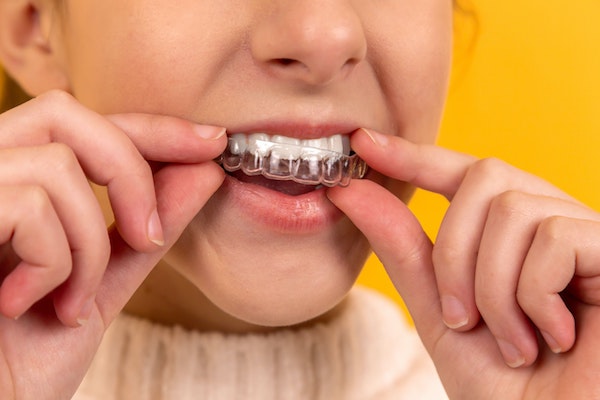
Imagine this: you’ve had a long day, you’re exhausted, and you’re ready to call it a night. You reach for your trusty night guard, only to be greeted by an unpleasant odor. If you’re one of the many teeth grinders who use a night guard, this scenario might sound all too familiar. But why is your night guard smelly? Is it something you’re doing (or not doing), or is it just a natural consequence of wearing a foreign object in your mouth? Let’s explore the possible causes behind this mysterious and unwelcome stench, and offer some tips on how to keep your night guard smelling fresh.
Possible Causes
Before we delve into the details, let’s quickly go over the main reasons why your night guard might smell:
- Bacteria buildup
- Fungal growth
- Inadequate cleaning
- Material breakdown
Bacteria Buildup
One of the primary reasons your night guard might smell is the buildup of bacteria. Your mouth is home to hundreds of different types of bacteria, many of which are harmless or even beneficial. However, when you wear a night guard, you create a warm, moist environment that can encourage the growth of less friendly bacteria. Over time, these bacteria can cause odors, discoloration, and even lead to infections.
To reduce the growth of bacteria on your night guard, it’s important to keep it clean and store it properly. A dry, ventilated storage case can help prevent the growth of bacteria when you’re not wearing the guard. Additionally, regular cleaning and disinfection can help keep bacteria at bay. We’ll discuss proper cleaning techniques in a later section.
Fungal Growth
Just like bacteria, fungi can also thrive in the warm, moist environment created by your night guard. The most common type of fungus found in the mouth is Candida, which can cause oral thrush, a fungal infection characterized by white patches on the tongue and inner cheeks. Candida can also grow on your night guard, leading to unpleasant odors.
To minimize the risk of fungal growth on your night guard, follow the same cleaning and storage tips mentioned for bacteria control. If you suspect you have a fungal infection, consult your dentist for treatment options and recommendations on how to keep your night guard fungus-free.
Inadequate Cleaning
Even with the best intentions, sometimes we just don’t clean our night guards as well as we should. Failing to clean your night guard properly can lead to a buildup of bacteria, fungi, and other debris, which can cause unpleasant odors. Additionally, using the wrong cleaning products or techniques can damage your night guard, making it even more susceptible to odor-causing microbes.

Proper Cleaning Technique
To keep your night guard fresh and clean, it’s important to follow a consistent cleaning routine. Here’s a step-by-step guide to help you maintain a clean and odor-free night guard:
- Rinse your night guard with warm water immediately after removing it from your mouth. This helps to remove any saliva, food particles, and debris that may have accumulated during the night.
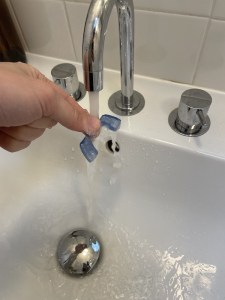
- Use a soft toothbrush and a non-abrasive toothpaste or a specialized night guard cleaner to gently brush the entire surface of the night guard.
- Rinse the night guard thoroughly with warm water to remove any remaining toothpaste or cleaner.
- Once a week, soak your night guard in a denture cleaning solution or a mixture of equal parts water and white vinegar for 15-30 minutes. This will help to disinfect the guard and remove any stubborn odors.
Material Breakdown
Another factor that might contribute to your night guard’s unpleasant smell is the breakdown of the materials used in its construction. Night guards are typically made from a variety of plastics, such as acrylic or thermoplastic materials. Over time, these materials can break down, which can lead to the release of volatile organic compounds (VOCs) and other odor-causing substances.
- Wear and Tear: Just like any other item that you use on a daily basis, your night guard is subject to wear and tear. As you clench and grind your teeth, the pressure exerted on the guard can cause it to weaken, crack, or become misshapen. This wear and tear can lead to an increased likelihood of material breakdown and the subsequent release of unpleasant odors. Regularly inspecting your night guard for signs of damage and replacing it as needed can help to reduce the impact of material breakdown on its smell.
- Heat Exposure: Exposure to high temperatures can also cause the materials in your night guard to break down more rapidly. For example, leaving your night guard in a hot car or using water that is too hot during the cleaning process can accelerate the degradation of the plastic. To prevent heat-induced material breakdown, avoid exposing your night guard to extreme temperatures and always use warm, not hot, water when cleaning it.
- Chemical Reactions: Certain chemicals, such as alcohol or bleach, can react with the materials in your night guard, causing them to degrade and release odors. To avoid this issue, always use gentle, non-abrasive cleaning products that are specifically designed for use with dental appliances or follow your dentist’s recommendations for cleaning solutions. Speaking from experience on this one, I once used rubbing alcohol to soak one of my cheap over the counter night guards, and that night I got some sort of chemical burn in my mouth!
- Material Quality: Lastly, the quality of the materials used to manufacture your night guard can play a role in its propensity to break down and smell. Cheaper, lower-quality materials may degrade more quickly than their higher-quality counterparts. Investing in a high-quality night guard made from durable materials can help to minimize the risk of material breakdown and the associated odors.
Conclusion
Understanding the possible causes behind your night guard’s smell can help you take the necessary steps to keep it clean and odor-free. By maintaining a consistent cleaning routine, storing your night guard properly, and buying higher quality mouth guards made from good materials, you can ensure that your night guard remains an effective and pleasant-smelling tool in your anti teeth grinding arsenal.
Frequently Asked Questions:
1. Why does my night guard smell bad?A smelly night guard is usually caused by bacteria or fungal buildup, inadequate cleaning, or breakdown of the plastic material over time. Warm, moist conditions in your mouth make odors more likely if the guard isn’t cleaned and dried properly.
2. How do I clean a night guard that smells?
Rinse your night guard after each use, brush it gently with a soft toothbrush and non-abrasive toothpaste or cleaner, and let it dry completely before storing. For deeper cleaning, soak it weekly in denture solution or a water-vinegar mix.
3. Can a smelly night guard cause health problems?
Yes. An unclean night guard can harbor bacteria and fungi, which may lead to bad breath, gum irritation, or even oral infections. Regular cleaning and proper storage greatly reduce these risks.
4. When should I replace a night guard that smells?
If odors persist despite cleaning, or if your guard shows cracks, discoloration, or material breakdown, it’s time to replace it. A worn or degraded night guard not only smells worse but also offers less protection against teeth grinding.
-
Night Guard Review: Dentek Comfort-Fit Dental Guard
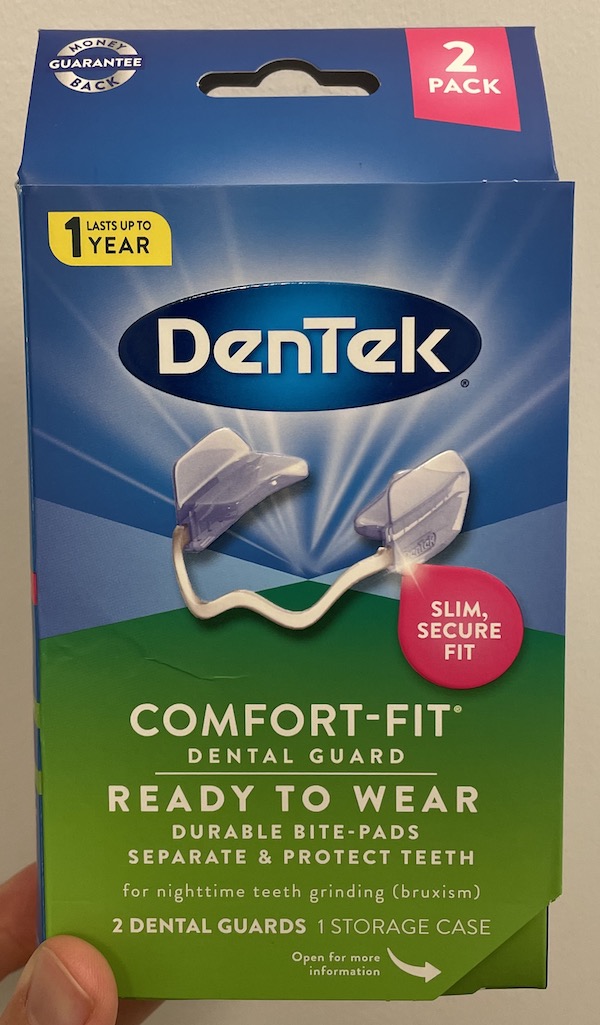
These Dentek guards are marketed for their slim profile, no boil required, ready-to-use out of the box, just rinse once in warm water. The guards have an adjustable size to fit small to large mouths, and they come two in a package, but only one case.

Initial thoughts: Dentek Comfort-Fit Dental Guard
I wanted to try this guard out because of the slim fit, and the fact that there’s in theory nothing showing at the front of your mouth while wearing it. I have to admit that at first I did not notice that this guard was not moldable in any way, and didn’t require boiling. This made me a little nervous, because I have woken up before to my (molded) night guard becoming dislodged from my teeth and me almost choking on it. That was not a pleasant way to wake up, so seeing that the only thing holding this in place was my teeth gripping it made me nervous.

Nevertheless, I took it on a trip to the mountains with me as a lightweight guard to stand in for my regular one, and committed to giving it a 2 night try out.
Night Guard Sizing:
So the first challenge you get, and really the only one, is sizing the guard. I figured I’d start on the biggest setting and work my way down, but very quickly realized that the smallest setting fit me pretty well, and I massively overestimated the size of my bite.
Comfort level:
Immediately when this sits in your mouth, it is pretty comfortable. As promised, it is slim line and barely noticeable in terms of bulk. It keeps your teeth apart with thin pads, and these are joined together by a small plastic loop that sits between your teeth and your lower lip. That loop is also small and slim line, so not immediately noticeable. Although I was worried about having to keep my jaw clenched to hold the guard in place, it was otherwise very comfortable.
Next morning, how did the night guard feel:
You know how sometimes with a new guard you notice that your bite feels a little strange the next morning. Like it’s slightly misaligned? Well I definitely felt that, but it was minor and was gone within a couple of hours. It’s not unusual for me to feel that with any new nightguard so it didn’t concern me really. That first night was very successful, I didn’t wake up choking on the guard, and I was comfortable through the night.

Second Consecutive Night:
Night two I was quite looking forward to trying it out again, but this was when the fit started to cause me some discomfort. The plastic loop was rubbing against my lower gum, and this made me subconsciously adjust the position of my jaw through the night. By morning it was obvious that I had irritated that lower gum with the guard, and it was not the best sleep ever.
Summary:
Pro’s:
- Ready-to-wear: I had it fitted within less than 60 seconds
- slimline comfort: it really was a slim fit, so my jaws were closer together than the classic, bulky mouth guards that you get over the counter.
- adjustable to any mouth size – there were 5 different sizes you could adjust it to.
- Because it’s not molded, there’s less nooks and crannies you need to clean on it, it’s easy to rinse off.
Con’s:
- Non-moldable: this means that you have to keep your teeth together through the night in order to keep this in place.
- Some discomfort after a 2nd night. This may have been an error on my part in picking the wrong size for my mouth, but I definitely felt the plastic loop that connected the two sides.
Ultimately, I will keep the two guards that I got in the package in my rotation, but they won’t be my go-to on a regular basis. I imagine they will be more for use on trips or when I want my guard to be the most covert possible. You can find them on Amazon here.
-
Dating with bruxism

One thing that everyone who is single and dating that also wears a nightguard has to contend with is the question of what to do when there’s eventually a sleepover?

For myself, I grind my teeth prolifically enough that even one night without a night guard risks chipping my two front teeth, both of which have repairs from a field hockey accident many years ago. So in my case, the choices are: high likelihood of waking up with chips of my teeth in my mouth, and needing an expensive visit to the dentist. Or I have to wear a nightguard in front of my date.
The next question is whether you can stealthily pull this off without your date noticing that when you’re actually going to sleep you’re putting one on. You could not disclose that you wear one, bring it with you and leave it out of sight until the moment you’re falling asleep. In my case, I can get the guard itself into my waistband so I can put it in my mouth at the last possible minute.
It would be much easier to just disclose to your date that you have to wear a nightguard, but it can be presumptive to even show up to a date with your mouthguard “just in case” you end up sleeping over.
This is a complete nightmare to navigate in dating, so my sympathy goes out to anyone living it. For my part, I have an over the counter night guard that is slim in profile and doesn’t cover my front teeth, it just holds them apart. So the night guard is small and inconspicuous and the case is also really slim line and fits in my jeans pocket no problem. This makes it super easy to carry around, but you still have to figure out if you want to go the disclosure or stealthy route.
The other relevant thing to think about is bad breath from wearing your nightguard. Especially if it causes you to sleep with your mouth open, you’ll likely wake up with a dry / gross mouth, even more so than normal. So make sure you’ve got access to the essentials to take care of that cottonmouth!

In my experience, it’s worth bringing the mouthguard, and just making a joke about the presumptiveness if you do end up having to use it (i.e. sleep over). Folks who don’t wear night guards won’t understand how important night guard compliance is for us, so you do you!
As things progress with someone you’re dating, you may also just want to buy a cheap over the counter night guard from a pharmacy or online and mold it at home to then leave at their place for future use. That way you don’t have to remember to bring yours, nor do you have to carry it around all the time. At this point I’ve got a ton of different cheap nightguards lying around so I never get caught out by forgetting it (although there’s always the occasional late night trip to a pharmacy to pick up one of the boil and mold night guards when I’ve forgotten mine on a vacation).
Ultimately, it seems like teeth grinding is getting more and more awareness with the general public. If you wearing a mouth guard during a first sleep over is an issue to your date, perhaps you should rethink whether they’re the right choice for you!
-
Why stimulants make you clench your jaw

Stimulants are a class of drugs that are commonly used to increase alertness and energy levels. They work by stimulating the central nervous system, which can cause a number of physical and psychological effects. One of the most common side effects of stimulant use is jaw clenching or teeth grinding, also known as bruxism. In this blog post, we will explore why stimulants make you clench your jaw and what you can do to prevent or manage this side effect. If you’re interested in reading about other causes of bruxism, you can read more here.
What are stimulants?
Stimulants are a class of drugs that increase activity in the brain and body. They are commonly used to treat attention deficit hyperactivity disorder (ADHD), narcolepsy, and obesity. They can also be used recreationally, as they produce feelings of euphoria and increased energy. Common stimulants include amphetamines, cocaine, caffeine, and nicotine.

How do stimulants work?
Stimulants work by increasing the levels of certain neurotransmitters in the brain. Neurotransmitters are chemical messengers that transmit signals between neurons. The most commonly affected neurotransmitters in stimulant use are dopamine, norepinephrine, and serotonin.

Dopamine is a neurotransmitter that is associated with pleasure, motivation, and reward. When you do something pleasurable, such as eating a delicious meal or engaging in sexual activity, your brain releases dopamine. Stimulants increase the levels of dopamine in the brain, which can lead to feelings of euphoria and increased motivation.
Norepinephrine is a neurotransmitter that is associated with the “fight or flight” response. It increases heart rate, blood pressure, and respiratory rate. Stimulants increase the levels of norepinephrine in the brain, which can lead to increased alertness and energy levels.
Serotonin is a neurotransmitter that is associated with mood regulation, appetite, and sleep. Stimulants increase the levels of serotonin in the brain, which can lead to feelings of well-being and decreased appetite.
Why do stimulants make you clench your jaw?
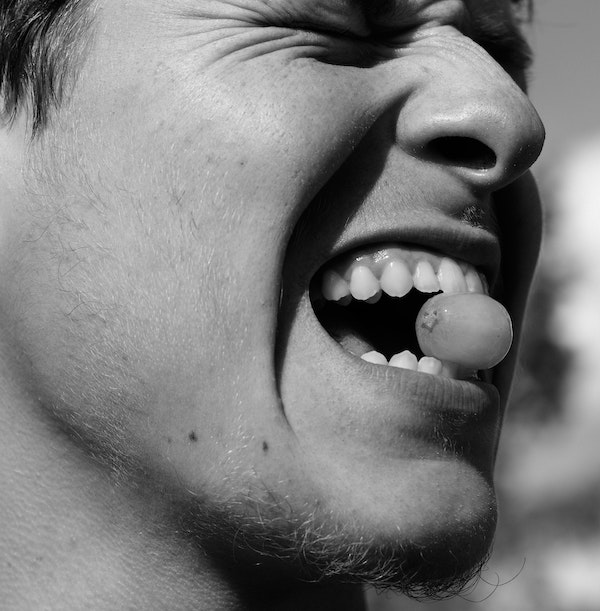
The exact mechanism behind why stimulants make you clench your jaw is not fully understood. However, there are several theories as to why this side effect occurs.
One theory is that jaw clenching is a result of increased muscle tension caused by the increased levels of norepinephrine in the brain. Norepinephrine is known to increase muscle tension, particularly in the jaw and neck muscles. This increased muscle tension can lead to jaw clenching or teeth grinding.
Another theory is that jaw clenching is a result of the increased dopamine levels in the brain. Dopamine is known to increase muscle tone and activity, particularly in the facial muscles. This increased muscle activity can lead to jaw clenching or teeth grinding.
It is also possible that jaw clenching is a result of the overall increase in physical activity that comes with stimulant use. Stimulants increase heart rate, blood pressure, and respiratory rate, which can lead to increased muscle tension and activity throughout the body, including in the jaw muscles.
Managing Jaw Clenching From Stimulant Use
While jaw clenching is a common side effect of stimulant use, there are several methods you can use to prevent or manage this discomfort. Here are some ways to manage jaw clenching from stimulant use:
- Take Breaks from Stimulant Use: One of the most effective ways to manage jaw clenching from stimulant use is to take breaks from using the drug. This can help reduce the amount of muscle tension in the jaw and allow it to relax. If you are taking stimulants for medical purposes, talk to your doctor about ways to gradually reduce your dosage or take a break from the medication altogether. If you are using stimulants recreationally, consider taking longer breaks between uses or using lower doses.
- Reduce Dosage: Another way to manage jaw clenching from stimulant use is to reduce your dosage. This can help reduce the overall muscle tension in the body, including the jaw muscles. Talk to your doctor about adjusting your medication dosage or reducing your recreational dose to see if this helps reduce your jaw clenching.
- Use a Mouthguard: A mouthguard is a dental appliance that can be worn over the teeth to prevent them from grinding or clenching. While typically used for individuals who grind their teeth at night, mouthguards can also be used during the day to manage jaw clenching from stimulant use. Mouthguards are available over-the-counter or can be custom-made by a dentist. They can help reduce jaw clenching-related pain and prevent dental problems caused by prolonged clenching.
While these methods can be effective in managing jaw clenching from stimulant use, it’s important to understand the potential risks and benefits of each method. Taking breaks from stimulant use can help reduce muscle tension, but it can also lead to a return of symptoms or other side effects. Reducing your dosage can also help manage jaw clenching, but it may also lead to a reduction in the overall effects of the medication. Using a mouthguard can be an effective way to prevent dental problems and manage pain, but it may not address the root cause of the jaw clenching.
In addition to these methods, there are several other tips and recommendations for individuals looking to manage jaw clenching from stimulant use:
- Stay Hydrated: Dehydration can increase muscle tension and make jaw clenching worse. Make sure to drink plenty of water throughout the day to keep your body hydrated and your muscles relaxed. Also consider using an electrolyte product to maximize your hydration.
- Use Warm Compresses: Applying a warm compress to the jaw muscles can help relax them and reduce pain caused by jaw clenching. You can use a warm towel, heating pad, or microwavable rice pack for this purpose.
- Practice Stress-Reduction Techniques: Stress and anxiety can contribute to jaw clenching, so practicing stress-reduction techniques like deep breathing, meditation, or yoga can help reduce tension in the body and promote relaxation.
Other Potential Side Effects of Stimulant Use
In addition to jaw clenching, there are several other potential side effects of stimulant use. These side effects can include headaches, anxiety, and increased heart rate. It’s important to understand the relationship between these side effects and jaw clenching, as well as how managing one may impact the others.
Headaches are a common side effect of stimulant use, and can be caused by increased blood flow to the brain. Jaw clenching can also contribute to headaches, as it can lead to tension in the muscles of the head and neck. Managing jaw clenching through the methods discussed earlier, such as taking breaks from use and reducing dosage, may help alleviate headaches caused by this side effect.
Anxiety is another potential side effect of stimulant use, and can be caused by the release of certain neurotransmitters in the brain. Jaw clenching can also be a symptom of anxiety, as it can be a physical manifestation of tension in the body. Managing anxiety through techniques like cognitive behavioral therapy and relaxation exercises may help reduce jaw clenching and other physical symptoms caused by anxiety.
Increased heart rate is a potential side effect of stimulant use, and can be caused by the release of certain hormones in the body. Jaw clenching can also be a symptom of increased heart rate, as it can be a physical response to the body’s increased arousal. Managing increased heart rate through methods like taking breaks from use and reducing dosage may help reduce jaw clenching and other physical symptoms caused by this side effect.
While stimulants can be effective in treating certain conditions like ADHD and narcolepsy, they also come with potential risks and side effects. It’s important to understand the potential risks and benefits of using stimulants, as well as the importance of managing side effects. Side effects like jaw clenching, headaches, anxiety, and increased heart rate can be uncomfortable and potentially harmful if left unmanaged. However, with the right approach, individuals can safely use stimulants while minimizing these side effects.
So while jaw clenching is a common side effect of stimulant use, it is not the only potential side effect. Headaches, anxiety, and increased heart rate are also potential side effects of stimulant use, and managing one side effect may impact the others. It’s important to understand the relationship between these side effects and jaw clenching, and to take steps to manage them through techniques like taking breaks from use, reducing dosage, and using relaxation exercises. By understanding the potential risks and benefits of using stimulants, individuals can safely use these medications while minimizing the discomfort caused by side effects.
Conclusion: Stimulants can cause jaw clenching
In conclusion, jaw clenching is a common side effect of stimulant use, particularly of drugs that increase the levels of dopamine and norepinephrine in the brain. The exact mechanism behind this side effect is not fully understood, but it is thought to be related to increased muscle tension caused by the drug’s effect on neurotransmitters, particularly in the jaw and neck muscles. While taking breaks from stimulant use, reducing dosage, and using a mouthguard are some ways to manage jaw clenching, it is important to weigh the potential risks and benefits of each method. Additionally, staying hydrated and using warm compresses can help relax the jaw muscles and reduce pain.
-
Caffeine and Bruxism: a summary
Do you often find yourself clenching your teeth or grinding them at night? You may have bruxism. Bruxism is a condition characterized by teeth grinding or clenching, especially during sleep. It can lead to jaw pain, headaches, and even damage to your teeth. If you’re someone who loves their caffeine fix, you might be wondering whether it could be contributing to your bruxism. Here we explore the relationship between caffeine and bruxism and what you can do to help yourself.
The relationship between caffeine and bruxism
Caffeine is a stimulant that’s found in many of our favorite beverages, such as coffee, tea, and soda. It’s also used in some medications and supplements. While caffeine is known to boost alertness and help us stay awake, it can also cause physical effects on the body, such as increasing heart rate and blood pressure. These effects can lead to muscle tension, including in the jaw, which could make bruxism worse.
Some studies have found that moderate to high caffeine consumption was associated with an increased risk of sleep bruxism. This means that people who drink a lot of caffeine are more likely to grind their teeth at night. However, more recent studies have produced mixed results, so clearly we need a bit more research on this potential direct link.
The impact of caffeine on bruxism
So, does caffeine actually cause bruxism? The answer isn’t entirely clear. While some studies have suggested a link between caffeine and bruxism, others have failed to establish a significant relationship. It’s possible that the relationship between caffeine and bruxism is complicated and influenced by many factors. Nonetheless, it’s worth examining the potential impact of caffeine on bruxism.

One possible explanation for the link between caffeine and bruxism is that caffeine may exacerbate the symptoms of bruxism by increasing muscle tension in the jaw. This could make it more difficult for people with bruxism to manage their condition, leading to more severe symptoms. Another explanation is that people with bruxism may consume more caffeine as a way to cope with the fatigue and sleep disturbances caused by the condition. This could create a vicious cycle where caffeine exacerbates bruxism, and bruxism leads to more caffeine consumption.
In what feels like a cruel twist, caffeine withdrawal can also have an impact on bruxism. When you stop consuming caffeine, your body may experience withdrawal symptoms, including headaches, fatigue, and muscle pain, which can exacerbate bruxism. These symptoms may also cause additional stress and anxiety, further increasing the likelihood of bruxism episodes. So, if you are considering reducing your caffeine intake, it’s essential to do so gradually to minimize the impact on your body and minimize the likelihood of bruxism.
Managing bruxism while consuming caffeine
If you’re not willing to give up caffeine but want to manage your bruxism, there are a few things you can do.
- First, try to limit your caffeine intake to a moderate amount.
- Second, avoid consuming caffeine close to bedtime.
- Third, try to relax your jaw muscles throughout the day, especially when you’re feeling stressed or anxious.
- Fourth, consider using a mouthguard at night to protect your teeth from grinding.
Alternative sources of caffeine
If you want to reduce your caffeine intake, or if you’re looking for alternative sources of caffeine that may have fewer side effects on bruxism, there are a few options to consider. One popular alternative is tea, which contains less caffeine than coffee but can still provide a boost of energy. Additionally, some teas and other hydration beverages contain L-theanine, an amino acid that has been shown to have a calming effect on the nervous system and may help reduce stress levels. Here’s our favorite one! Other sources of caffeine include dark chocolate, certain energy drinks, and some soft drinks.
Another cool product we’ve discovered is an alternative to consuming caffeine in the evening for focus. It’s a blend of amino acids called Night Moves.
Conclusion
In conclusion, caffeine and bruxism are closely linked, and excessive caffeine consumption can worsen symptoms. However, there are ways to manage bruxism while still consuming caffeine, such as limiting intake and relaxing your jaw muscles throughout the day. And if you’re looking for alternative sources of caffeine, tea and dark chocolate are good options to consider. Ultimately, the key to managing bruxism is to be aware of your symptoms and take steps to reduce stress and tension in your daily life. With a little bit of effort, it is possible to manage bruxism and enjoy your caffeine in moderation. If you’re wondering about some of the other causes of grinding your teeth, you can read more here.
Frequently Asked Questions:
1. Can drinking coffee late at night make sleep bruxism worse?
Yes. Consuming coffee or other caffeinated drinks close to bedtime can increase muscle tension and disrupt sleep cycles, both of which may aggravate nighttime teeth grinding.
2. Does caffeine withdrawal trigger teeth grinding?
Caffeine withdrawal can cause headaches, fatigue, and muscle pain, which may heighten jaw tension and increase the likelihood of clenching or grinding episodes.
3. Is tea a better caffeine source for people with bruxism?
Tea typically contains less caffeine than coffee and often includes L-theanine, which promotes relaxation. This makes it a gentler option for people managing bruxism.
4. Why do people with bruxism often consume more caffeine?
Many individuals with bruxism feel fatigued from poor sleep quality and use caffeine to stay alert, which can create a cycle where caffeine worsens grinding and leads to even greater dependence.

Grind My Teeth
Sharing the scientific journey to stop teeth grinding
 Grind My Teeth