-
Tongue ties and bruxism: is there a link?

Tongue ties, also known as ankyloglossia, is a condition where the lingual frenulum (the tissue that connects the tongue to the bottom of the mouth) is too short or tight. While tongue ties are commonly associated with breastfeeding issues in infants, they can also affect adults and be linked to conditions like bruxism.
Below, we’ll explore the relationship between tongue ties and bruxism, and how treating a tongue tie could potentially help reduce your symptoms.
What is a Tongue Tie?
A tongue tie is a condition where the lingual frenulum is too short or tight, restricting the tongue’s movement. This can affect speech, eating, and swallowing. Tongue ties are most commonly diagnosed in infants, but can also affect adults. Symptoms of a tongue tie in adults include difficulty speaking or eating, chronic neck and shoulder pain, and even sleep apnea.
The Relationship Between Tongue Ties and Bruxism
So, how are tongue ties related to bruxism? While there isn’t a clear-cut answer, some experts suggest that tongue ties may contribute to bruxism. When the tongue is restricted due to a tongue tie, it may not be able to properly rest in the mouth. This can cause the jaw muscles to work harder to keep the mouth closed, which can lead to tension and grinding.
Additionally, tongue ties can cause issues with the temporomandibular joint (TMJ), which is the joint that connects the jawbone to the skull. When the tongue is restricted, it can put additional strain on the TMJ, which can lead to pain and discomfort.

Treating Tongue Ties to Reduce Bruxism Symptoms
If you suspect that your bruxism is related to a tongue tie, it’s important to get a proper diagnosis from a healthcare professional. An ear, nose, and throat doctor or a speech-language pathologist can evaluate your tongue tie and determine if it is contributing to your symptoms.
If a tongue tie is diagnosed, the most common treatment is a frenectomy. This is a simple procedure where the lingual frenulum is clipped to release the tongue’s movement. In most cases, a frenectomy can be done in-office using local anesthesia. The procedure is relatively quick and recovery time is usually just a few days.
While a frenectomy may not completely cure bruxism, it could potentially help reduce symptoms. By releasing the tongue’s movement, it can allow for proper resting posture in the mouth and reduce strain on the jaw muscles and TMJ.
Conclusion
Tongue ties can be a contributing factor to bruxism in some cases. If you’re experiencing symptoms of bruxism and suspect that you may have a tongue tie, it’s important to seek a proper diagnosis from a healthcare professional. While treating a tongue tie may not completely cure bruxism, it can potentially help reduce symptoms and improve overall oral health. It’s worth checking out the other possible causes of bruxism and trying to eliminate those in parallel.
-
How to clean your night guard

Cleaning your night guard is simple, and important. No need to overthink it.
Your first instinct is probably right: when you take out your teeth grinding guard in the morning, you should first rinse it with water. In my experience, most of the time rinsing it with water vigorously (cold or warm, but not super hot) is plenty to keep it clean on an ongoing basis. You can give it a bit of a brush with a toothbrush as well if you see specific areas that you want to be cleaner, but always finish up with a rinse in water, and let it dry out in the air.
Many of the night guard cases will have small air holes in them to make sure that if you put the night guard straight back in that it will eventually dry. Moisture is generally bad for the growth of bacteria etc. so better to ensure dryness whenever possible.
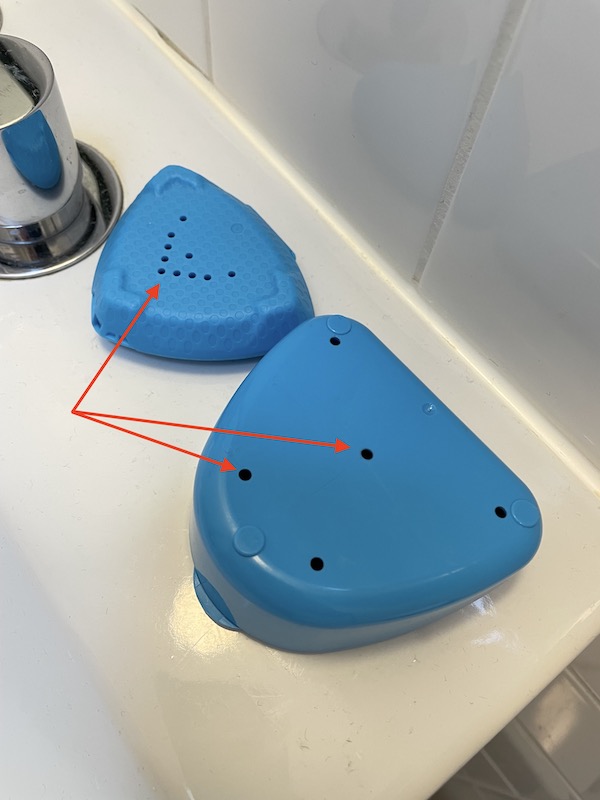
So most days, that’s going to be your routine to keep your night guard nice and clean, but occasionally you’re going to want to do a deeper clean, as over time you can get build ups of calcium on your guard, a yellowing color, or even a bit of a bad smell. All of these are good signs to get started with a deep night guard clean.
Deep Clean Methods
There’s multiple ways you can do this, and often it will depend on the material your guard is made of. I once made the mistake of putting one of my “boil and bite” night guards that was made of a weird material into rubbing alcohol for a while. I then wore it that night and woke up to what felt like minor chemical burns on my gums! I figured out that whatever the material was, it had soaked up some of the rubbing alcohol and basically just let it absorb onto my gums through the night. So be careful, and ideally look at the instructions on your specific brand of night guard.
Mouthwash method:
The mouthwash deep clean method involves putting a little mouthwash in a container with water and your night guard, and letting it sit for a while (10-30mins). Generally, when i’m using the deeper clean methods like this, i’ll also give the guard a gentle brush to be sure. Once I’m making a bigger effort to clean, I may as well go all in. Lastly, rinse it with water, and let it dry fully.
Hydrogen Peroxide method:
Another common option that many households have on hand is hydrogen peroxide (the dilute kind you can get at the pharmacy). As with the mouthwash, let it sit for 10 – 30 mins along with a little water to further dilute it, then pull out the night guard and give it another rinse before you let it dry. Brushing before that final rinse is of course an option!
Ultrasonic cleaner method:
I’ll admit I’ve never tried this, but I’ve seen some compelling videos of people using these seemingly simple devices that pulse ultrasound at your night guard. This kills the bacteria and knocks loose debris to clean it. The big advantage here is that no chemicals are used in the process, so it’s really simple. Sometimes these ultrasonic cleaners will have UV lights built in to further ensure bacteria get killed. I think you can pick these up on Amazon, and certainly from some of the Direct to Consumer mouth guard companies.
Denture cleaner method:
This is made for purpose stuff you can buy at the pharmacy, and maybe even your dentist. There’s just something about the word ‘denture’ that makes me feel super old, so i refuse to even entertain the idea. I have mouthwash and hydrogen peroxide already, so I don’t need to spend money on a specialized option, even if it maybe gives a tiny bit better of a clean because it’s specialized.
How to clean calcium deposits from your mouthguard
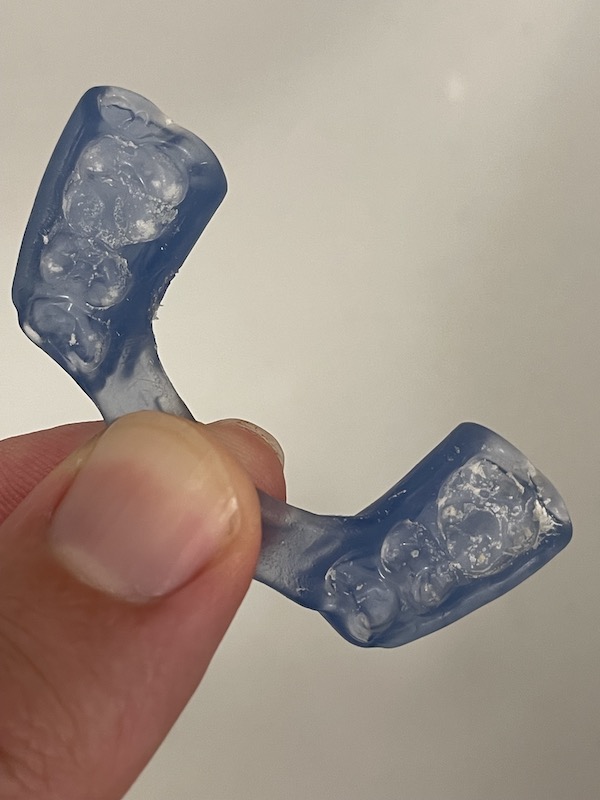
Sometimes you might notice a build up of whitish or yellowish material on your mouthguard around where your teeth are. When bacteria combine with plaque buildup and saliva, calcium spots can form so it’s not unusual to see these at all. It’s easier to prevent them in the first place with a regular cleaning routine like we’ve outlined above. But if you do find yourself with calcium deposits, the best approach to removing them is by adding some kind of abrasion with a soft bristled brush like your toothbrush, after you’ve soaked the mouthguard in some vinegar first. Your dental hygienist can also help you clean your mouthguard when you go in for your regular cleaning.
Conclusion
In conclusion, most of the time, you’re going to be rinsing off your night guard THOROUGHLY in the morning, and then leaving it to dry completely. Not to bury the lede here, but this drying step is as important as the rinse step. Moisture allows all sorts of grossness to take place, so better to just make sure that thing gets fully dry before it goes anywhere near your mouth again.
If you’re not deep cleaning your night guard weekly (or at worst, fortnightly) then you’re being gross, and need to do better. If you share the bed with someone else… they’ll thank you for maintaining a clean nightguard.
-
Signs you grind your teeth

If you’re here, you’re probably already experiencing some of the signs of teeth grinding and want to learn a little more about it. If you wanted to know what might be causing it, you’re looking for this article on what causes teeth grinding.
Teeth grinding or clenching, loud enough to wake someone
One sign that you’re teeth grinding at night is waking someone else up with the sound of your teeth grinding together. It’s not always a sustained crunching sound, sometimes you’ll just here the clicking together of the jaw as it opens and closes your teeth together. If you are a light sleeper, you may even wake yourself up!
Teeth that are flat or chipped
When teeth are worn down and ground down, they will eventually become chipped or flat. This is a telltale sign that the teeth grinding has been occurring for quite some time. Teeth without enamel have no protection against damage, so you definitely want to get ahead of this and seek treatment if you start to notice this wear and tear. If you stick to a good cadence of visits to the dentist or dental hygienist, they will likely catch it before you even notice.
Painful teeth

Getting a tooth ache, or having more sensitive teeth than usual is another sign that you might be grinding at night. It’s different for everyone, but if you notice an increase in teeth pain, especially when you wake up in the morning, it’s not something you should rule out. A dentist is always going to be the best person to consult on this pain, as you want to rule out something else like cavities quickly.
Tight or tired jaw muscles

When you grind your teeth, your jaw muscles are hard at work creating that movement. Over time, you may notice your jaw muscle becoming tight or tired from all the exertion while you’re asleep. When your jaw muscle should be resting, it’s putting in a real workout, so you’ll notice some discomfort, but it’s not super obvious always. These symptoms can also cause headaches and neck or back pains for some people that have been grinding their teeth for a long time. Other people have trouble swallowing as the muscles become too tight from the constant tooth-grinding motion. These muscle-tension issues can also increase anxiety, leading to more stress and potentially more teeth grinding. Best to stop the cycle sooner rather than later!
Earache pain
Oral pain is often connected to teeth grinding. However, not all painful teeth grinding symptoms are teeth-related. Some may also feel a milder earache due to the pressure put on the eardrum while teeth are grinding together. As with the jaw pain, this one might be very subtle, but it’s worth exploring.
Headaches

Headaches are another potential symptom of teeth grinding. There are lots of other potential causes, but it’s worth considering teeth grinding if you experience them when you wake up. Earaches, jaw aches, teeth pain are all linked to this as well.
Sleep disruption

One symptom of teeth grinding is sleep disruption. When teeth are being ground, the muscles in the jaw and tongue tense up, which disrupts your ability to fall asleep. The muscles tense when you grind your teeth at night and it can lead to a lower quality of sleep as a result. You may also wake yourself and your partner up with the sound of your grinding, which lowers sleep quality and leads to more stress. Again it’s much better to get ahead of this if possible.
Receding gums

Teeth grinding can also cause the gums to recede, which is a condition called gingival recession. Recession of the gums can lead to a lot of problems with oral health in the long run. If you notice a sudden recession of your gums, it’s definitely worth getting a professional opinion on what might be causing it.
Summary
These are the most well known signs that you’re grinding your teeth. I know I first found out from my dentist when I went in for a routine checkup, so none of these signs were obvious to me! They could tell because they could see the wear and tear on the teeth in my mouth, and so they recommended I get a night guard to stop it. I don’t think my teeth grinding is that bad yet, but I don’t want to wear a night guard for the rest of my life so I’m trying to find ways to stop grinding. If that’s something you’re interested in too, stick around!
-
What Causes Teeth Grinding?
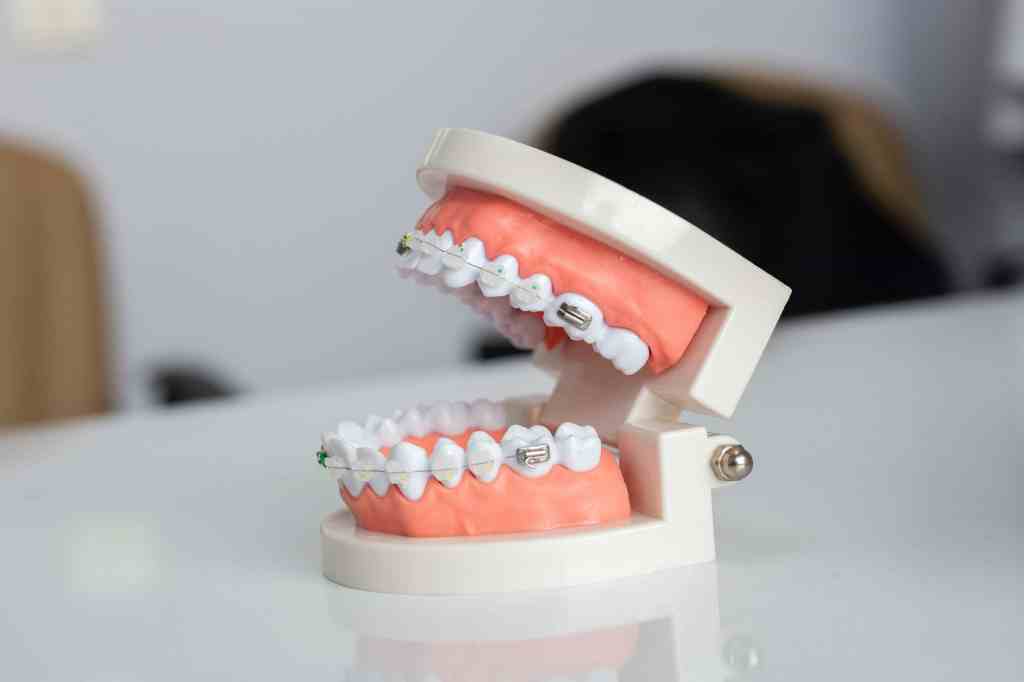
The best way to stop, is to figure out why you started.
Bruxism or teeth grinding is a condition that we are still studying to make sense of. I created this blog to track my research into what it is, why I do it, and how I can eventually fix it. There’s grinding while asleep, and grinding while awake, essentially the same thing but in a different context.
What exactly causes teeth grinding is not certain yet. It seems to be a multivariate problem, meaning many things affect your likelihood to grind your teeth.
Risk factors
There are some risk factors that the science points to as being contributors to your likelihood to grind. If you’re trying to find the root cause of your own grinding, these might be a good place to start.
Stress:

Stress and anxiety are the top suspects when it comes to teeth grinding. They’re also the hardest to quantify, which is why most of you will keep reading even if this resonates.
Vices:

Smoking of any kind, drinking caffeine (tenuous that it’s a vice… but I’m addicted so I’m leaving it on the list), alcohol or recreational drugs can all have an impact on bruxism. My unscientific guess is that they also directly interact with your stress levels (see the first bullet point).
Medications:

Some medications are thought to impact bruxism, especially those that are linked to mental health, so psychiatric medications and antidepressants.
Health conditions:

Some medical conditions have been linked to increased teeth grinding as well, especially mental health conditions.
Sleep Apnea:
This is thought by many to be a common underlying cause of teeth grinding. Many of us are (believe it or not) not the best at breathing during the night. Case in point: snoring! So any breathing problems during sleep could potentially be a risk factor for bruxism.
Mouth/Dental Issues:
Some folks have a theory that jaw alignment and teeth alignment could play a role in bruxism. For example a tongue tie or partial tongue tie has been suggested to be a potential cause for bruxism because of how it affects the rest of the parts of your mouth, especially the tongue. If this resonates, we recommend consulting a specialist to learn more.
Genetics:

There is thought to be some hereditary quality to bruxism, so if your Mom or Dad grinds… there’s a higher chance that you do as well. At this point, there’s not much you can do about this one. Check back in a couple of decades and maybe we’ll have figured it out.
Conclusion
There are many risk factors for teeth grinding that increase the chances you’ll do it. If any of the risk factors written up here sound familiar, that might be a good place to start on your journey to stopping grinding.

Grind My Teeth
Sharing the scientific journey to stop teeth grinding
 Grind My Teeth