TMJ Mouth Guard: Complete Guide to Finding the Right Guard for TMJ Pain
Learn to select the best TMJ mouth guard with our evidence-based guide.
Your jaw is a sophisticated hinge that lets you laugh, chew, and belt out karaoke hits. When it hurts, your whole day gets derailed. If you wake with aching jaw muscles or a headache, temporomandibular joint disorder (TMJ) and nighttime teeth grinding are likely suspects. A well-chosen TMJ mouth guard can help keep those joints from hurting.
This guide cuts through marketing fluff and gives you an evidence-based path to the right TMJ mouth guard. Keep reading to learn what the science says, what dentists recommend, and how to avoid buying a pricey hunk of plastic that ends up unused.
Understanding TMJ and Its Impact on Your Life
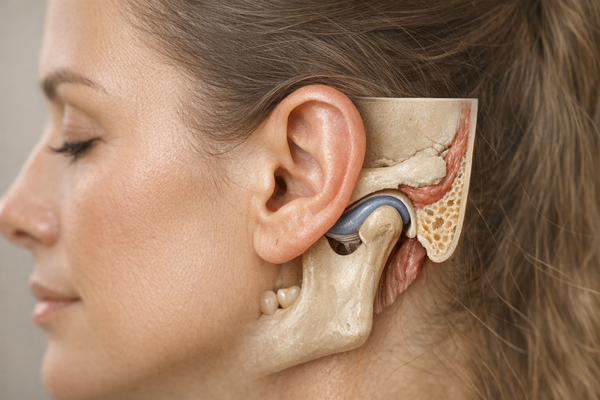
The temporomandibular joint sits where your jawbone meets the skull, acting like a sliding hinge. TMJ disorder happens when that hinge gets inflamed, misaligned, or overworked. Common triggers include arthritis, injury, or more often, bruxism—unconscious clenching and grinding of teeth during sleep. You might want to explore how teeth grinding causes can contribute to TMJ issues.
Up to 31% of adults grind their teeth at night, and roughly 10 million Americans report TMJ-related pain. The fallout goes beyond sore jaws, leading to tension headaches, ear pain, broken dental work, and even neck and shoulder stiffness. Sleep quality suffers because your muscles never truly relax. To understand more about how night guards affect sleep quality, check out our detailed analysis.
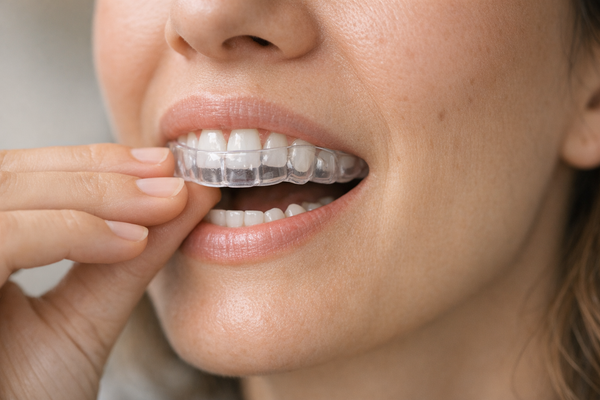
Mouth guards, also known as splints or occlusal appliances, put a slim barrier between your upper and lower teeth. They redistribute bite forces, remind jaw muscles to relax, and shield enamel from further damage. Not every guard is created equal, so let’s break down the options.
The Different Types of Mouth Guards: TMJ-Specific vs. Standard Night Guards
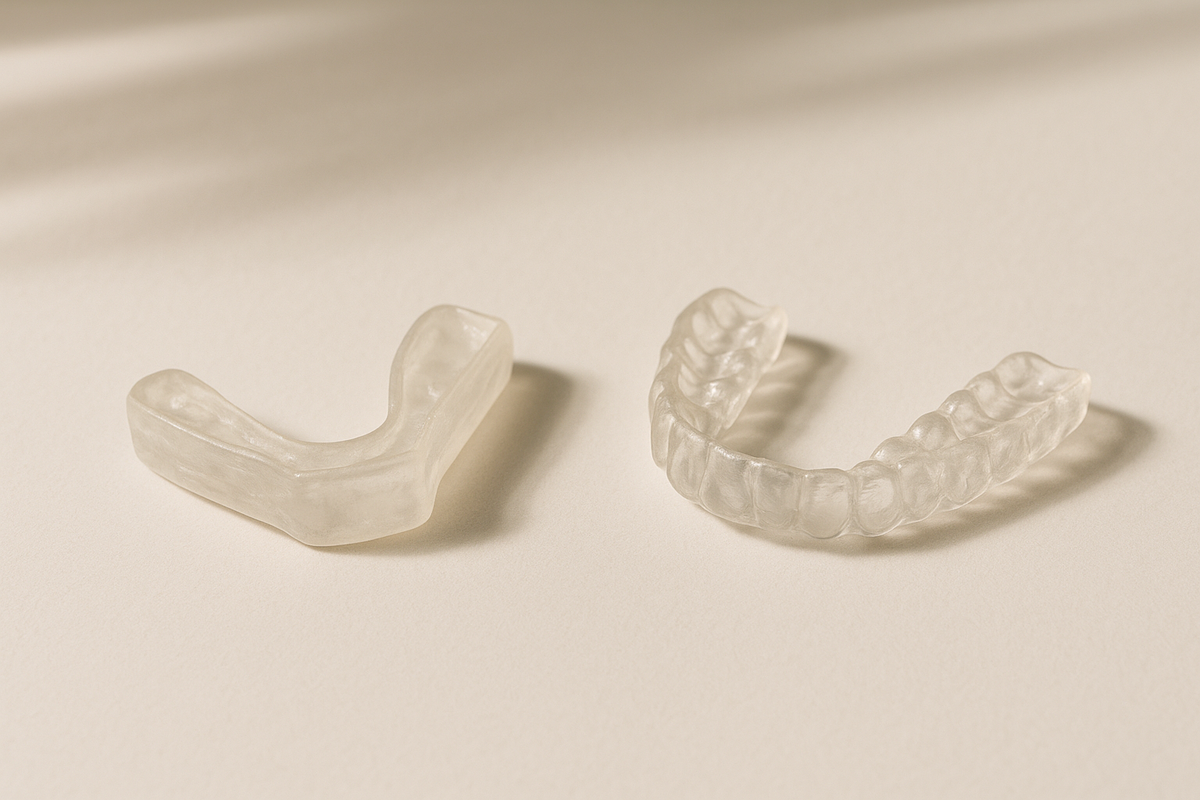
Walk the dental aisle or scroll online and you will see two broad categories:
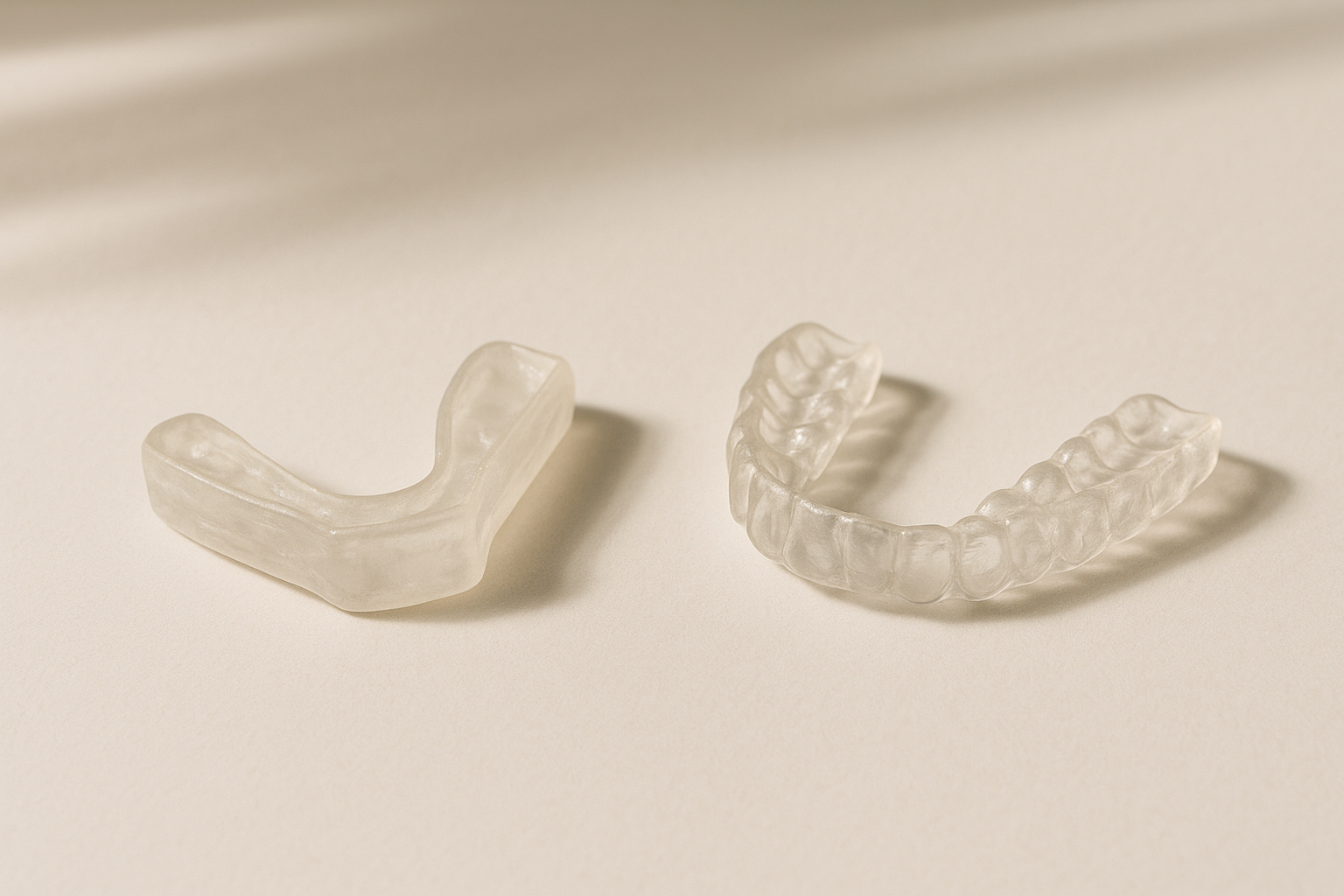
- TMJ-specific guards designed to change jaw position and muscle activity.
- Standard night guards that mainly stop tooth-on-tooth contact. For a deeper dive into the differences, consider reading about occlusal guards versus night guards.
Pros and Cons of TMJ-Specific Guards
- Pros: Tailored to your bite, may reduce muscle hyperactivity, often made from durable hard acrylic, can double as diagnostic tools for dentists.
- Cons: Require professional fitting, higher price tag, can feel bulky at first, need occasional adjustments.
Pros and Cons of Standard Night Guards
- Pros: Easier on the wallet, available over the counter, softer materials feel comfy, quick solution for mild grinders.
- Cons: Less precise fit, may wear out in months, do not correct jaw alignment, can worsen TMJ symptoms if too soft or thick.
What Research Says About TMJ Guard Effectiveness
Researchers have investigated whether mouth guards truly ease TMJ pain. Evidence favors custom-made guards, but nuance matters.

Key Studies on TMJ Mouth Guards
A small but telling example is a 2008 paper by Strahlendorf and colleagues. They followed patients whose unilateral migraine-like headaches were linked to poorly fitting night guards. When the guards were adjusted or swapped for custom splints, headaches eased. The takeaway: fit is not cosmetic—it is clinical.
Across multiple randomized trials, custom hard acrylic guards reduced pain scores by 30-70% after eight weeks, whereas soft boil-and-bite guards hovered around 15-30%. Electromyography readings also showed reduced masseter muscle activity with well-fitted splints, a sign that the jaw finally relaxed. Learn more about the benefits of custom mouth guards for more insights.
Study authors caution that mouth guards are not cure-alls. They work best with behavior changes like stress management, posture training, and, if needed, physical therapy. For many, a properly fitted guard becomes the nightly safety net that prevents flare-ups.
How to Choose the Best Mouth Guard for TMJ Pain
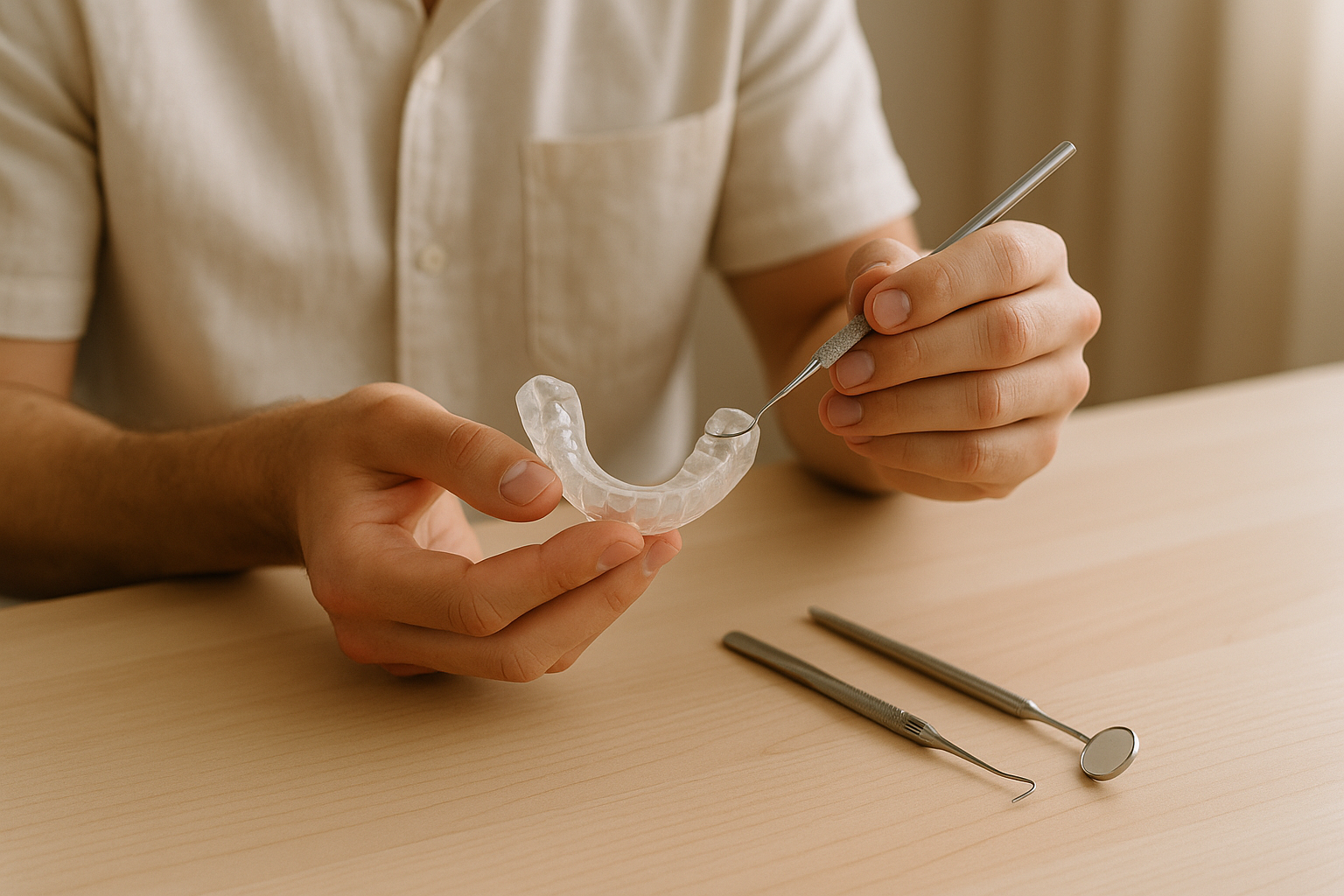
Your perfect guard depends on symptoms, budget, and bite quirks. Use the checklist below before making a purchase.
Factors to Consider
- Fit and comfort: If it feels like a hockey puck, you will spit it out by 2 a.m.
- Material hardness: Hard acrylic lasts longer and keeps jaws from sinking in. Soft EVA can feel cushiony but may encourage more clenching. If you're unsure about which material to choose, consider the pros and cons of night guard materials.
- Coverage: Full-arch guards tend to stabilize the bite better than partial coverage, but your dentist may pick a mini-guard for specific alignment goals.
- Durability: Heavy grinders can chomp through cheap guards in weeks. Check wear-resistance ratings. For insight on longevity, read about how long a night guard lasts.
- Adjustability: Custom guards can be relined or tweaked as your bite changes.
Custom vs. Over-the-Counter Options
Custom guards are molded from impressions or digital scans of your teeth. They cost more up front but last 3-5 years and match your occlusion precisely. Dentists can fine-tune thickness, ramp angle, and occlusal contacts so the jaw seats in a happy position.
Over-the-counter guards come in “boil-and-bite” kits or one-size trays. They are cheap and convenient, making them useful as a stopgap. If symptoms persist beyond two weeks, or if you wake with worse pain, upgrade to a custom appliance or see a TMJ specialist.
Tips for Using and Caring for Your TMJ Mouth Guard
Proper Use
- Wear the guard every night—or as prescribed during the day—to train muscles consistently. If you're considering daytime options, explore daytime mouth guards for grinding.
- Seat it gently; never bite down hard to secure it in place.
- Bring it to dental checkups so your provider can inspect fit and wear.
Maintenance and Cleaning
- Rinse with cool water after each use. Hot water can warp thermoplastic guards.
- Brush lightly with a soft toothbrush and non-abrasive soap. Avoid toothpaste that can scratch acrylic. For a comprehensive cleaning guide, learn how to clean your night guard with vinegar.
- Soak weekly in a denture-cleaning tablet or 3% hydrogen peroxide to eliminate bacteria.
- Store dry in a ventilated case. Damp, closed cases can become moldy.
- Keep away from pets—dogs love expensive chew toys.
Conclusion: Finding Relief with the Right TMJ Mouth Guard
TMJ pain can affect your mood, appetite, and sleep. The right TMJ mouth guard can cushion your bite and soothe jaw muscles. Evidence suggests that a custom, hard acrylic guard fitted by a professional offers the best chance for lasting relief, though an over-the-counter model can be a trial run.
Your experience may vary, so partner with a dentist or TMJ specialist who can tailor the appliance and track your progress. Combine the guard with stress reduction, stretching, and regular follow-ups to give your jaw its best shot at pain-free mornings.