

Wearing a night guard is an essential step for many people who grind or clench their teeth, protecting your smile from the toll of bruxism. But as the conversation around microplastics and personal health grows, a new question emerges: Is your night guard contributing to microplastic exposure—for you, or for the environment? In this guide, we’ll break down what you need to know about microplastics and night guards, practical steps to reduce microplastic shedding, and emerging solutions that place both your wellbeing and the environment at the forefront.
Understanding Microplastics and Night Guards
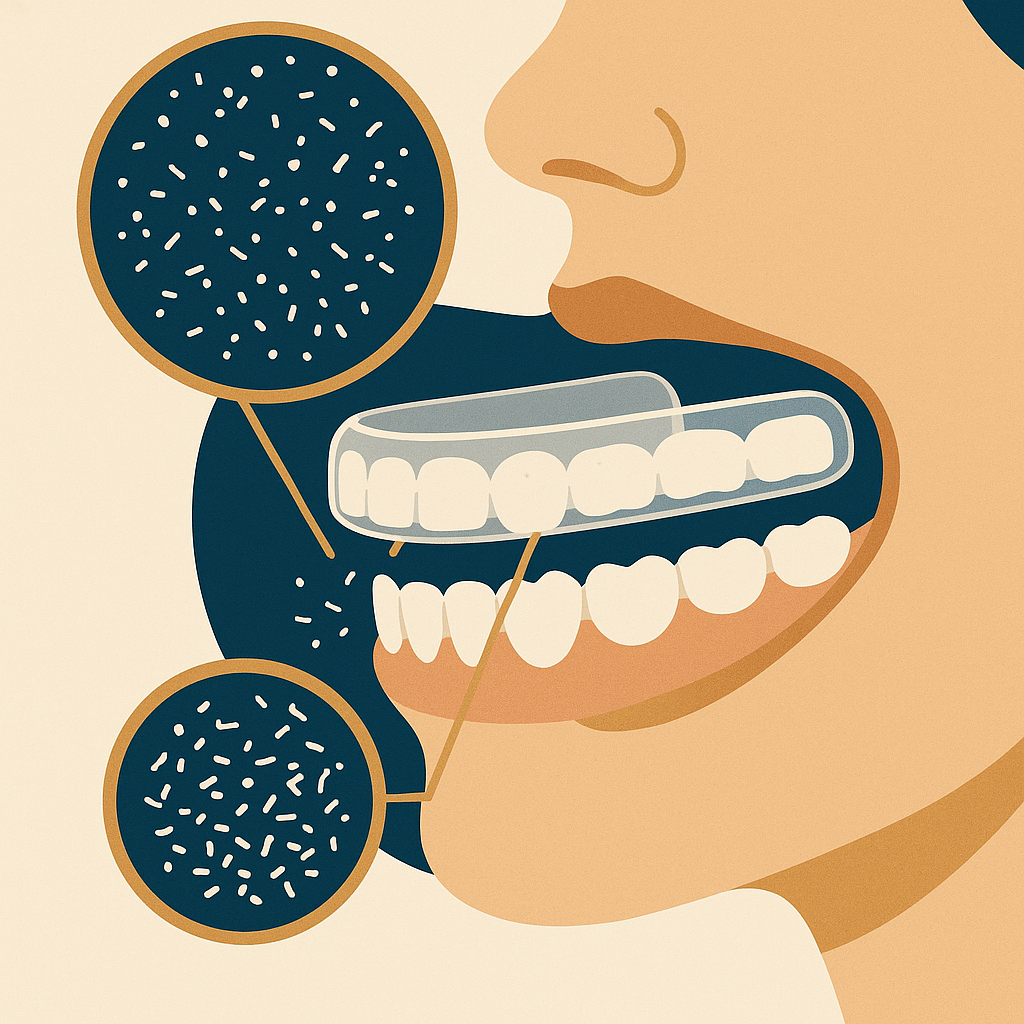
Microplastics are tiny plastic particles (less than 5mm) resulting from the breakdown of larger plastic objects or from manufacturing processes. They’re everywhere: in our water, in the air, and—concerningly—in some of the products we use daily, including oral appliances like night guards.
The risk is clear: studies suggest that chronic exposure to microplastics can contribute to inflammation and potentially long-term health effects, especially when particles contain chemicals like BPA or phthalates [UCSF]. For night guard wearers, the question becomes: does your device shed microplastics, and if so, what can you do about it?
How Night Guards Contribute to Microplastics: What the Evidence Says
Night guards are typically made from polymers such as acrylic, EVA (ethylene vinyl acetate), or other dental-grade plastics. Over time, normal use—especially for those who grind vigorously—can cause microscopic wear or surface breakdown. Cleaning methods, particularly abrasive or high-heat options, can also accelerate this process. Here’s what matters:
- Wear and Tear: Grinding, jaw clenching, and repeated chewing can abrade the surface, possibly releasing micro-sized plastic fragments.
- Poor Material Quality: Cheaper, over-the-counter or boil-and-bite guards are more prone to breakdown and shedding than custom-fit, high-grade dental appliances (Sentinel Mouthguards, 2025).
- Improper Cleaning: Harsh chemicals, boiling water, or abrasive scrubbing can degrade plastics faster (Pro Teeth Guard, 2025).
- Age of Appliance: Old, cloudy, or cracked night guards are more likely to release particles.
Not All Night Guards Are Created Equal
It’s important to note that microplastics aren’t intentionally added to night guards. The amount released depends on the type and condition of the device, how you use it, and how you clean and maintain it.

Does Wearing a Night Guard Endanger Your Health or the Environment?
The science is still catching up on how much microplastic is released from dental night guards specifically. However, available research and dental industry consensus suggest that, while well-made guards are low risk for microplastic exposure, the risk increases if:
- You use cheap or old guards showing visible wear
- The device cracks, flakes, or feels rough on the tongue
- You clean it with boiling water or strong chemicals
From an environmental perspective, discarded plastic dental appliances do contribute to plastic waste—making material choice and product lifespan important for eco-conscious users.
How to Minimize Microplastic Shedding from Your Night Guard
1. Choose a High-Quality, Custom-Fit Guard
- Go custom: Professional, custom-fit night guards are made from durable, medical-grade plastics, and last longer with less risk of breakdown. Lab-made guards often use materials specifically designed for oral use and undergo rigorous testing for biocompatibility and durability.
- Avoid low-cost “boil-and-bite” or store brands unless clearly labeled as BPA-free, medical-grade, and manufactured with transparency.
2. Prioritize Safer and Sustainable Materials
- Look for BPA-, phthalate-, and latex-free night guards. These avoid many of the hormone-disrupting chemicals associated with plastic health risks.
- Consider alternative materials: Some custom providers offer silicone-based or bio-based plastics, which are less prone to microplastic breakdown. However, ask about performance and fit since not all alternatives are suitable for bruxism severity.
3. Practice Smart Night Guard Maintenance
- Gentle cleaning: Rinse your guard daily with lukewarm water after every use. Once a week, use a mild soap or a night guard-friendly cleaning tablet—not toothpaste or abrasive powders.
- Natural cleaning solutions: If you prefer, you can use a mixture of vinegar and water to soak your night guard. Learn more about how to clean night guard vinegar methods in our detailed guide.
- Avoid heat: Never boil your guard or wash in hot water, as this can cause plastics to degrade rapidly and warp the device.
- Air dry and store safely: Keep your guard in a dry, ventilated case to prevent bacterial growth and material degradation.
4. Inspect and Replace as Needed
- Check your guard for cracks, cloudiness, rough edges, or changes in texture.
- Replace it every 6–12 months or sooner if there are visible signs of wear. This limits microplastic release and keeps your mouth healthy.
5. Dispose Responsibly
Since dental plastics are not biodegradable, consider returning used appliances through recycling schemes if available, or send them to dental labs that accept appliances for recycling. Always ask your provider if such a program exists.
Innovative Alternatives and Future Directions
The dental industry is responding to microplastic awareness with promising innovations:
- Improved Materials: Some labs now use new-generation co-polyesters or enhanced silicones designed for longer wear and reduced breakdown.
- Earbuds for biofeedback loops: Sovn is one example of a company pioneering non-night guard preventions for bruxism.
- Bruxism Alternatives: If you experience jaw pain due to wisdom teeth, or are exploring options like jaw botox for teeth grinding, talk with your dental professional about procedures that may reduce or eliminate your need for a guard.
- Research-Driven Choices: As evidence develops, expect clearer labeling and new product standards for sustainable, low-shedding oral appliances.
FAQs: Addressing Your Common Concerns
- Can bruxism cause ear pain?
- Yes. Chronic jaw clenching or teeth grinding (bruxism) can cause pain that radiates to the ear and even trigger ear pain jaw clenching symptoms. Protecting your teeth with a night guard, managing your stress, or exploring therapies can all help reduce discomfort.
- Is vinegar safe for cleaning my night guard?
- Yes. A solution of white vinegar and water (1:1 ratio) can help clean and disinfect your guard. Always rinse thoroughly afterwards and avoid prolonged soaking.
- Should I consider alternatives if I’m concerned about microplastics?
- If you’re highly concerned, speak to your dentist about custom-fit silicone guards, bio-based plastics, or potential medical alternatives. Also, lifestyle changes, stress management, and (in some cases) jaw botox can help reduce bruxism triggers.
Conclusion: Take Charge of Your Oral Health—Responsibly
Addressing bruxism and protecting your teeth is too important to skip—but so is your role in minimizing microplastic exposure for yourself and our planet. By choosing high-quality, medical-grade, and BPA-free night guards, cleaning and replacing them regularly, and staying aware of emerging solutions, you can balance your immediate needs with long-term health and sustainability.
Looking for science-backed guidance on night guards, bruxism treatments, and how to protect both your health and the environment? Stay informed, ask questions, and keep exploring with us. Together, we can pursue a future where everyone sleeps (and smiles) better—without compromise.
 Grind My Teeth
Leave a comment