Understanding Jaw Pain on One Side: Causes and Solutions
Explore causes and solutions for unilateral jaw pain, including TMJ and bruxism.
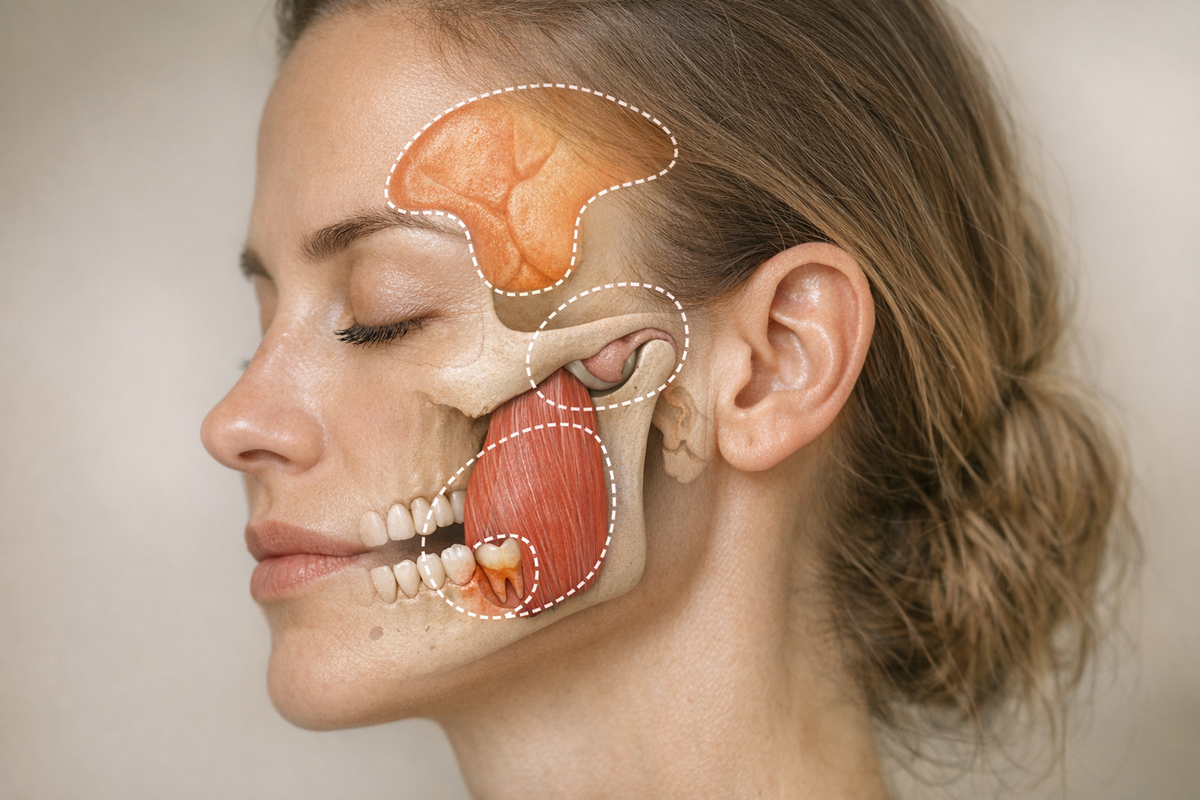
If you woke up this morning massaging one side of your jaw and wondering whether you slept on a bowling ball, you're not alone. Unilateral jaw pain can be quite a mystery. The source might be muscles, joints, teeth, or even your sinuses. Fortunately, researchers have been busy uncovering insights, providing clear answers to help you identify and address the issue.
Here's an evidence-based guide, written in plain language, that explores common causes, the science behind them, and practical steps you can take before bed tonight.
Common Causes of Jaw Pain on One Side
When only one side of your jaw aches, the list of likely causes shrinks but doesn’t disappear. In clinical practice, dentists and orofacial pain specialists often start with four main categories:
- Temporomandibular joint (TMJ) disorders
- Bruxism or tooth grinding
- Dental issues such as cracked teeth, abscesses, or gum disease
- Non-dental problems like sinus inflammation or nerve pain
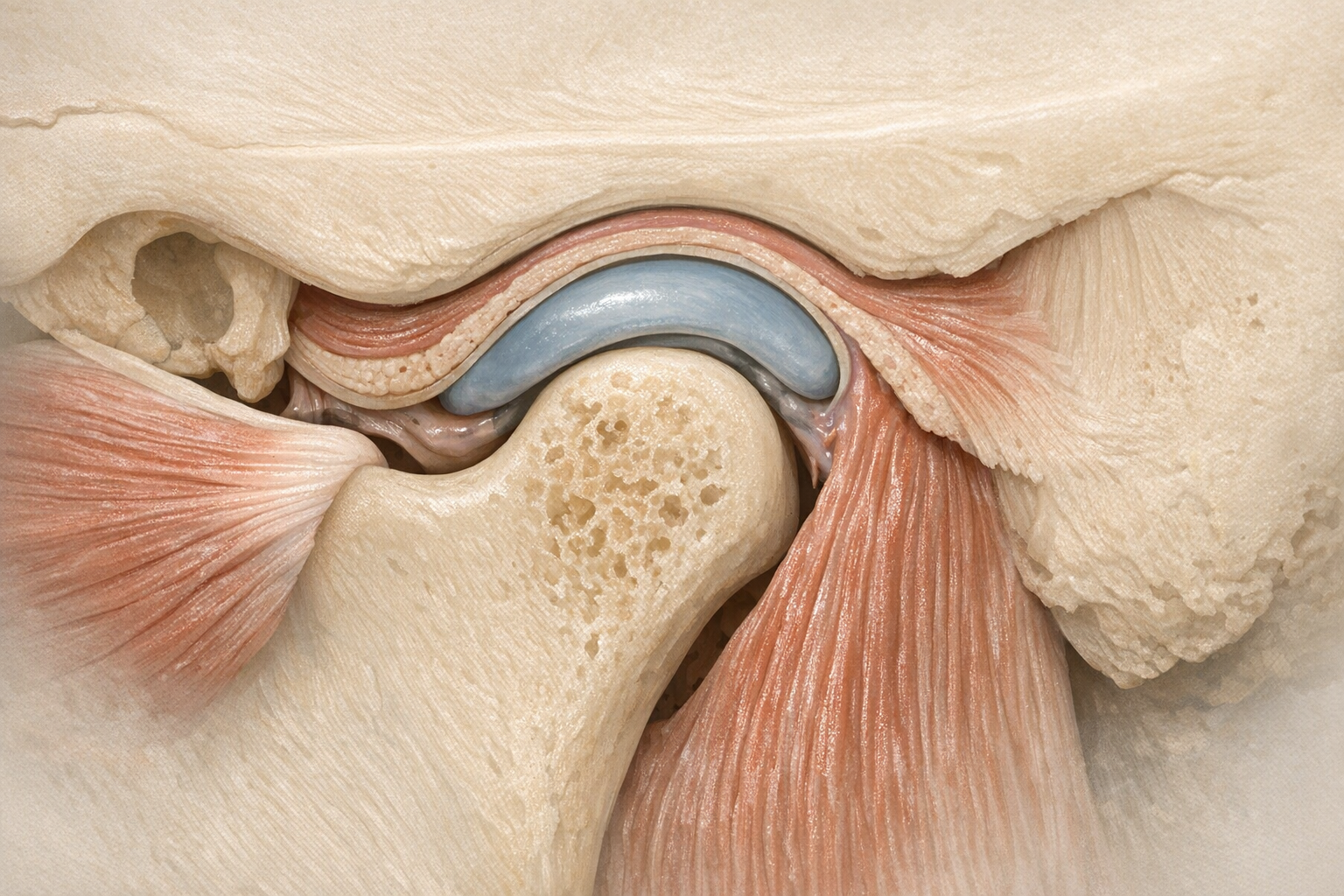
TMJ disorders are a common first thought. The right mouth guard for TMJ pain can be a crucial tool in managing symptoms. A 2025 consensus paper by Manfredini et al. notes that TMJ issues account for over half of chronic jaw pain referrals. The joint is located just in front of your ear, so pain behind the jawbone or right under the ear often points to TMJ problems.
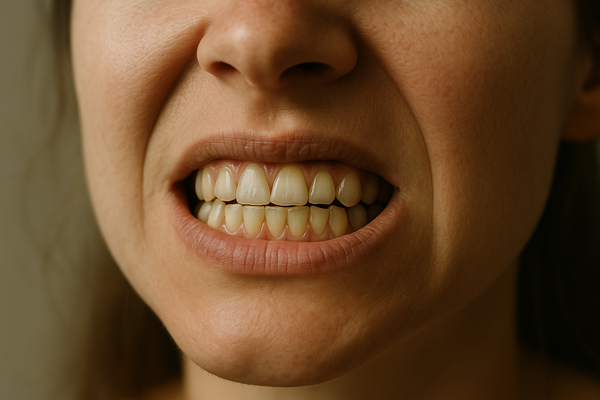
Bruxism is another frequent cause. If you clench or grind only on one side, it overloads certain muscles and joints. Over time, this can lead to soreness or outright pain. The American Dental Association emphasizes that bruxism doesn't always make a sound, so you could be a silent grinder without realizing it until your dentist spots the wear. For more on the implications of what causes teeth grinding, see our detailed analysis.
Dental infections often present one-sided pain. For instance, a decaying molar might send pain signals that make you think the jaw joint is the problem. Sinus issues can also cause pain. When the lining of the maxillary sinus becomes inflamed, pressure can spill over to the upper jaw, mimicking a toothache or joint pain.
Nerve-related conditions, such as trigeminal neuralgia, can appear on one side only. While less common, they require quick professional attention, especially if the pain feels electric or shock-like. The Journal of the American Dental Association highlights that unilateral facial pain is a red flag that warrants a neurological exam Barad & Romero-Reyes, 2024.
In brief, jaw pain on one side is typically mechanical, sometimes infectious, and occasionally neurological. A thorough history and targeted exam often clarify the situation. It's possible for two problems to coexist, such as a sinus flare-up that sensitizes nerves on the same side where you already grind your teeth, compounding the pain.
Temporomandibular Joint Disorders and Their Impact
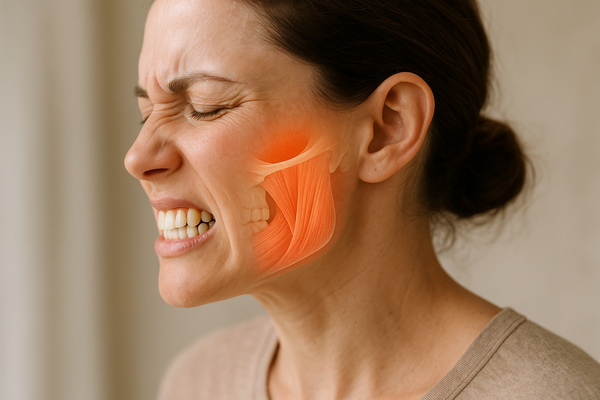
The TMJ is a complex hinge-slider combo that connects your mandible (jawbone) with the temporal bone of your skull. It's supported by a shock-absorbing disc and many muscles, making it one of the most intricate joints in your body. This complexity can sometimes lead to problems.
Symptoms
Common signs include:
- A dull ache in front of your ear that may spread toward the temple or down the neck
- Clicking, popping, or grinding noises when opening or closing your mouth
- Morning stiffness, similar to feeling like the tin man before oiling up
- Limited mouth opening or a jaw that occasionally locks
- Headaches resembling tension-type patterns
A cone-beam CT study of patients with unilateral posterior crossbite found measurable differences in joint volume and disc position on the painful side Dresner et al., 2024. This suggests that mechanical imbalance can reshape your joints over time.
For a simple at-home test, place the tips of your index and middle fingers in your ear canals and slowly open and close your mouth. If one side feels tender or clicks earlier than the other, note it down and mention it at your next dental visit. It's not a formal diagnosis, but it's useful information.
Risk Factors
- Chronic clenching or grinding, whether awake or asleep
- Previous jaw trauma or whiplash injuries
- Systemic arthritis that affects small joints
- High stress levels, turning your jaw into an emotional punching bag
- Hormonal influences, with studies noting a higher prevalence in women of child-bearing age
At the cellular level, abnormal mechanical stress activates the Piezo1 ion channel, contributing to cartilage degeneration and early osteoarthritis in the TMJ, as reported in a laboratory study by Li et al., 2024.
Diagnosis
Your dentist or orofacial pain specialist will likely:
- Take a detailed history, noting when the pain started, what triggers it, and if your jaw deviates when you open it.
- Palpate the joint and surrounding muscles for tenderness or swelling.
- Check range of motion and listen for clicks or crepitus.
- Order imaging, usually starting with panoramic radiographs, followed by MRI or cone-beam CT if disc displacement is suspected.
- Rule out dental or ear pathology that can mimic TMJ pain.
The Cleveland Clinic emphasizes that early and accurate diagnosis prevents chronic changes and makes conservative therapy more effective.
The Role of Bruxism in Unilateral Jaw Pain
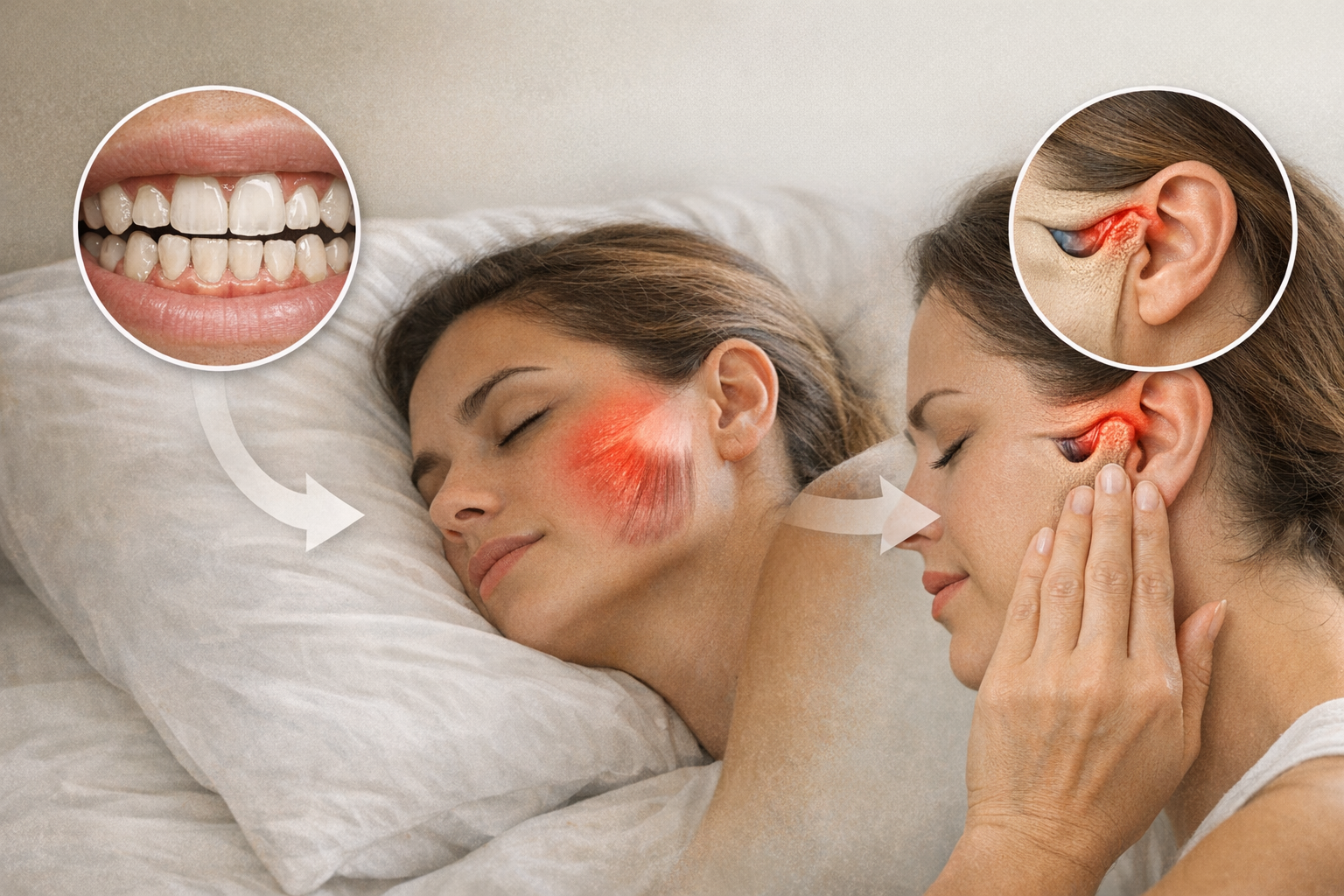
Bruxism refers to clenching or grinding your teeth beyond normal chewing. It can occur during the day or night and often leads to one side of the jaw being more affected, especially if your bite is uneven. Understanding whether jaw pain is from wisdom teeth or teeth grinding can also help pinpoint the issue.
Identifying Sleep Bruxism
You might suspect sleep bruxism if you experience:
- Jaw pain or fatigue upon waking
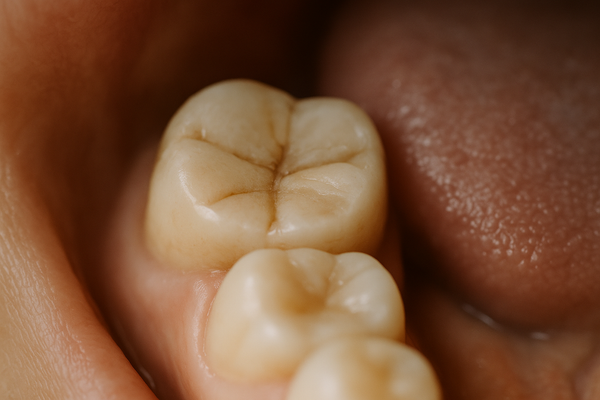
- Flat, worn edges on certain teeth
- Reports from a partner about grinding noises
- Frequent tension headaches on waking
Polysomnography is the gold standard for diagnosis, but most clinicians rely on patient history, tooth wear patterns, and sometimes a bite strip that records pressure during sleep. A 2024 narrative review by Leung et al. notes that up to 50% of episodes occur without audible grinding, so silence isn't a free pass.
Impact on Jaw Health
The repeated clenching forces can exceed 250 pounds per square inch. This pressure is rarely balanced, so one TMJ and its neighboring muscles bear most of the load. Over time, the overloaded side responds with inflammation, micro-tears in muscle fibers, and eventually pain. It's important to consider why your teeth and jaw might hurt after wearing a night guard as part of the assessment.
A randomized controlled trial compared occlusal splints and botulinum toxin-A for probable sleep bruxism. Both treatments reduced pain intensity, though splints worked faster for mechanical symptoms while toxin-A excelled in lowering muscle activity Chisini et al., 2024. This suggests that some patients benefit from a combination approach.
Unmanaged bruxism can also affect dental work. A 2024 meta-analysis by Häggman-Henrikson et al. links bruxism with higher failure rates in dental implants, highlighting the importance of early recognition.
Daytime clenching is often triggered by screens and deadlines. Try setting a smartphone alert every 30 minutes that says "Lips together, teeth apart." This micro-break can reduce surface electromyography activity of the jaw muscles by nearly 25% in office workers, according to a small pilot study from Oslo (unpublished, 2023). To better understand how sleep positions influence nighttime teeth grinding, explore our additional resources.
Effective Management Strategies for Jaw Pain
Once you and your provider identify the likely cause, treatment focuses on reducing mechanical overload, calming irritated tissues, and breaking the pain and muscle tension cycle. Here are some effective strategies:
Occlusal Splints
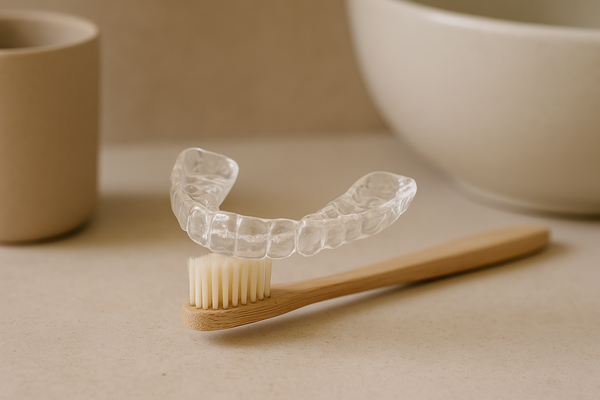
An occlusal splint acts like a helmet for your teeth. Worn on the upper or lower arch at night, it redistributes bite forces and places the jaw in a more neutral position. A 2025 review by Albagieh et al. compared conventional, digitally milled, and 3-D printed splints. All reduced pain, but digitally fabricated versions provided better fit and comfort, leading to higher compliance.
Key tips:
- Have the splint adjusted periodically to ensure even pressure distribution.
- Clean it daily with mild soap, not toothpaste, which can scratch the surface. For detailed cleaning methods, refer to our guide on how to clean a night guard.
- Expect mild soreness during the first week as muscles adapt.
Botulinum Toxin-A
For muscles behaving like overcaffeinated bodybuilders, toxin-A injections can help. By blocking acetylcholine release at the neuromuscular junction, the drug relaxes the masseter and temporalis muscles for three to four months.
A systematic review Buzatu et al., 2024 reports significant pain relief and functional improvement within two weeks, with low rates of adverse events like mild chewing weakness.
Best suited for:
- Patients who can't tolerate or don't respond to splints
- Severe bruxers with hypertrophic (bulky) jaw muscles
- Short-term relief while longer-term behavioral changes take root
Lifestyle Changes
- Stress management. Techniques like meditation, biofeedback, and cognitive behavioral therapy can lower daytime clenching.
- Jaw posture training. Keep your tongue on the roof of your mouth, teeth slightly apart, and lips closed. This "N-position" unloads the joint.
- Diet tweaks. Opt for softer foods during flare-ups, avoiding chewy or tough items.
- Sleep hygiene. Consistent schedules, reduced caffeine, and sleeping on your back can lessen nocturnal grinding intensity, as noted by the American Dental Association.
- Heat and self-massage. A warm compress for 15 minutes followed by light circular massage of the masseter can alleviate trigger points.
Physical therapists often recommend gentle isometric exercises. For example, place two fingers on the chin and open halfway while applying light resistance. Perform this for five seconds, five times, twice a day to improve joint lubrication and reduce pain by roughly 30%, as reported in a 2023 Kuwaiti case series. Consult your provider for proper form before trying these exercises.
Combining these approaches often yields better, faster relief than any single method alone. The multimodal guideline published by Manfredini et al., 2025 emphasizes individualized care based on patient preferences and response.
When to Seek Professional Help
While self-care is a wise first step, certain signs call for professional evaluation:
- Pain lasting more than two weeks despite home measures
- Locking of the jaw that prevents full opening or closing
- Unexplained weight loss, fever, or swelling, which could signal an infection
- Electric shock-like pain or numbness along the jaw or face
- Persistent ear pain with normal ear exams, often linked to TMJ issues. Explore the connection between teeth grinding and ear pain for more insights.
The Mayo Clinic advises seeing a dentist or orofacial pain specialist if jaw pain interferes with eating, speaking, or sleeping. A multidisciplinary team may include dentists, physical therapists, and occasionally ENT or neurology specialists if red flags appear.
If geography or mobility is a challenge, many pain specialists now offer telehealth visits. While they can't palpate the joint through a screen, they can review photos, videos of your jaw motion, and prior imaging to assess the situation and expedite in-person care when necessary.
Don't forget follow-up. A 2024 review on orofacial pain management Barad & Romero-Reyes stresses that treatment plans should evolve based on symptom changes, new imaging, or side effects. Jaw pain is not a set-and-forget issue.
Conclusion
Unilateral jaw pain might start as a minor annoyance, but it can disrupt sleep, meals, and sanity if ignored. Research highlights TMJ disorders and bruxism as top culprits, with dental and sinus issues also common. Early recognition allows simple tools like occlusal splints, targeted exercises, and stress management to work before muscle hyperactivity or joint degeneration sets in.
If your jaw greets the morning with stiffness or you catch yourself clenching during a tense meeting, take action. Try the home strategies, schedule a dental check-up, and watch for warning signs that require expert care. Your jaw works hard every day; giving it timely attention ensures it continues to function without issue. Solving jaw pain is like solving a mystery—collect the clues early, and you'll find relief sooner.