The Role of Sleep Hygiene in Managing Bruxism and Improving Quality of Life
Explore how sleep hygiene can help reduce bruxism symptoms and enhance life quality.

If you wake up with a sore jaw or teeth that feel like they've survived a late-night boxing match, you might be part of the sizable club of sleepers who grind or clench without realizing it. That habit, known as sleep bruxism, is more than a noisy annoyance. It can chip teeth, scramble your sleep architecture, and affect your mood the next day. The good news is that modern research points to one surprisingly simple lever you can pull to calm the crunch: better sleep hygiene. By improving your nightly habits, you can reduce grinding episodes and reclaim higher quality sleep.
This article walks you through what the science says, why your nightly routine matters, and which practical steps make the biggest impact on symptoms. The evidence is drawn from peer-reviewed studies and reputable medical organizations, translated into plain language you can use tonight.
Understanding Sleep Bruxism
To tackle the problem, you need to understand what it is, how it shows up, and why it often flies under the radar.
What is Bruxism?
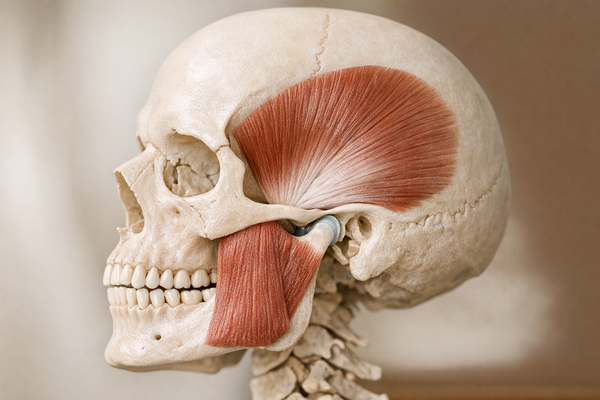
Bruxism refers to repetitive jaw-muscle activity that involves clenching, grinding, or gnashing your teeth. It happens in two main contexts: while you sleep or while you are awake. The sleeping version tends to get more attention because you do not consciously notice it, yet the bite force can spike far above what you produce when chewing food.
A systematic review on clear aligners and bruxism by Porporatti et al. (2026) notes that bruxism is best defined as a movement disorder, not a disease in itself. It's a behavior your jaw muscles perform that can lead to physical damage if it becomes excessive. According to a detailed case report that decoded subtle bruxism signs by Canas Miranda et al. (2025), many patients only discover they grind after a dentist spots the wear patterns.
Types of Bruxism
- Sleep bruxism: Occurs during non-REM and REM sleep. Often linked to micro-arousals, spikes in heart rate, or breathing changes. Because you are unconscious, you rarely perceive it unless a bed partner hears the grinding.
- Awake bruxism: Happens while you are alert, often during periods of concentration or stress. You may notice jaw tension or catch yourself clenching when answering email or driving.
The two can overlap, but sleep bruxism carries unique risks because the forces are higher and jaw-muscle rest periods shorter. Prevalence estimates vary, yet most studies place sleep bruxism in adults between 8 and 15 percent, with spikes in certain age groups. Children can be affected too, but the mechanisms differ, making adult sleep hygiene even more relevant.
The Impact of Bruxism on Daily Life
Teeth grinding is not just an overnight quirk. It affects your daytime health, mood, and finances.
Physical Consequences
Repeated grinding can:
- Damage tooth enamel, leading to sensitivity and higher cavity risk.
- Crumble fillings or crowns, sending you back to the dentist for costly repairs.
- Strain jaw muscles and joints, fueling headaches and temporomandibular joint (TMJ) discomfort. Learn more about TMJ pain management.
- Disrupt sleep. Micro-arousals linked to grinding fragment deep sleep stages, so you wake less refreshed.
The case report by Canas Miranda et al. shows how subtle enamel cracks progressed to chipped edges in just one year of undiagnosed grinding, underscoring the silent toll.
Emotional and Social Effects
Quality of life takes a hit too. A 2025 meta-analysis on children’s oral health-related quality of life by Costa et al. found that bruxism correlated with lower scores on pain, eating comfort, and social confidence. While the data centered on kids, adults often echo those complaints. Constant jaw aches can sour mood, dent concentration, and cause irritability that bleeds into work and relationships.
People sometimes avoid smiling due to chipped or shortened teeth, which can shrink social engagement. Add the financial anxiety of dental bills and you have a recipe for emotional stress that reinforces the grinding loop.

Sleep Hygiene: A Key Factor in Managing Bruxism
Enter sleep hygiene, the collection of behaviors and environmental tweaks that set the stage for solid shut-eye. Good sleep hygiene won't magically erase every grinding episode, but mounting evidence suggests it can reduce frequency and intensity. Think of it as turning down the volume knob on your jaw’s overnight workout.
What is Sleep Hygiene?
Sleep hygiene is a toolkit of practices you deploy throughout the day and evening to cue your brain and body for restful sleep. The American Academy of Sleep Medicine frames it as the behavioral counterpart to pharmaceutical sleep aids. Unlike a pill, it has no side effects and costs little beyond discipline.
Essential Sleep Practices
- Consistent schedule: Go to bed and wake up at the same times, even on weekends. Regularity trains your circadian rhythm.
- Pre-sleep wind-down: Spend 30–60 minutes doing calm activities, such as reading or gentle stretching. Screen brightness and rousing emails are off-limits.
- Dark, cool, quiet room: Aim for 60–67 °F (16–19 °C) and blackout curtains. Noise machines or earplugs handle street sounds.
- Limit caffeine and alcohol late in the day. Both fragment deep sleep and can nudge bruxism episodes. Discover more about alcohol's impact on teeth grinding.
- Exercise earlier: Physical activity improves sleep quality but schedule intense workouts at least three hours before bedtime.
- Breathe through your nose. Mouth-breathing dries oral tissues, sometimes encouraging jaw repositioning that feeds grinding.
These guidelines echo a 2025 proposal for a lifestyle-based bruxism approach by Więckiewicz et al. The authors argue that sleep hygiene is a low-risk, high-reward front-line measure that should precede invasive treatments.
Scientific Evidence Linking Sleep Hygiene and Bruxism
So far, sleep hygiene sounds logical, but does data back it? Several lines of research tie cleaner sleep habits to fewer grinding events and milder jaw pain.
Research Insights
First, a clinical trial on self-care strategies for patients with temporomandibular disorder (TMD) examined posture, sleep disturbances, and bruxism by Neves et al. (2026). Participants who adopted sleep-friendly routines reported a significant drop in night-time clenching frequency compared with a control group that received only educational pamphlets.
Second, the earlier mentioned lifestyle proposal by Więckiewicz et al. synthesized more than 40 observational and interventional studies. They concluded that maintaining a fixed bedtime, controlling light exposure, and reducing evening stimulants can lower the arousal threshold that typically precedes bruxism bursts.
The take-home message: sleep hygiene is not a fringe wellness hack. It is increasingly viewed as foundational therapy, especially because it tackles root triggers like fragmented sleep, stress, and circadian misalignment.
Case Studies
Clinicians often share anecdotal evidence that robust sleep routines slash grinding severity. For instance, a patient who swapped late-night social media for a 20-minute mindfulness session and kept her room at 65 °F saw a 50 percent lower bite-strip score in four weeks, according to a case file included in Więckiewicz et al.
Another example from Neves et al. described a participant who paired consistent bedtime with side-sleeping posture adjustments, leading to fewer TMJ flare-ups and improved daytime concentration. While single cases do not prove causation, they mirror patterns observed in larger samples.

Practical Tips for Enhancing Sleep Hygiene
Theory is great, but you want actionable tweaks. Below are evidence-aligned strategies you can slot into your evening without turning life upside down.
Routine Adjustments
- Set an alarm for bedtime. You already wake to one. A “go-to-sleep” alarm at night nudges you off devices and into a wind-down window.
- Adopt a screen-curfew. Blue light suppresses melatonin and delays sleep onset. Aim for no bright screens 60 minutes before lights out. Swap scrolling for a paperback or podcast.
- Caffeine cut-off. If you grind, consider moving your last cup of coffee or tea to six hours before bedtime. Caffeine’s half-life ranges from three to seven hours depending on genetics. For more on the relationship between caffeine and bruxism, check out this summary.
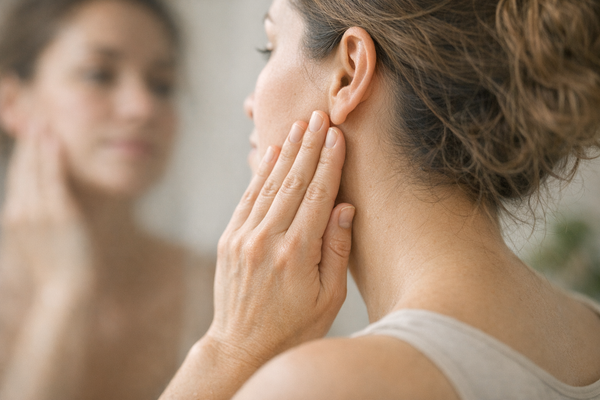
- Mindful jaw check-ins. Every few hours, place your tongue on the roof of your mouth and let your jaw muscles relax. This checks daytime clenching that can spill into night.
- Light evening snack. Going to bed very hungry can spike cortisol and micro-arousals. Choose a banana with almond butter over sugary desserts that ramp insulin swings.
Environmental Changes
- Upgrade pillows. A supportive cervical pillow helps align your jaw and neck, lowering muscular tension documented in a 2024 clinical trial on manual therapy and sleep by Kadıoğlu et al.
- Control bedroom climate with a fan or programmable thermostat. Cooler temps facilitate deeper slow-wave sleep, the stage that restoration thrives on.
- White noise or earplugs if neighborhood sounds jolt you awake. Each wake-up can trigger a bruxism burst on the way back to sleep.
- Blackout blinds or eye mask. Light leakage from street lamps keeps your brain in standby mode, again raising arousal probability.
- Aromatherapy cue. Lavender or chamomile essential oil diffused lightly can condition your brain to expect rest, though data are modest.
Foundational sleep guides from the National Sleep Foundation and the Cleveland Clinic echo these tactics. Consistency, not perfection, is the secret sauce.
Complementary Therapies for Bruxism
Sleep hygiene is powerful, yet you might need extra tools if your grinding is severe or if dental damage is mounting. Luckily, several complementary therapies play well with a robust bedtime routine.
Alternative Treatments
- Manual therapy: The 2024 randomized clinical trial by Kadıoğlu et al. combined jaw-muscle massage, neck mobilization, and home exercises. Participants reported reduced pain and better sleep quality after eight sessions.
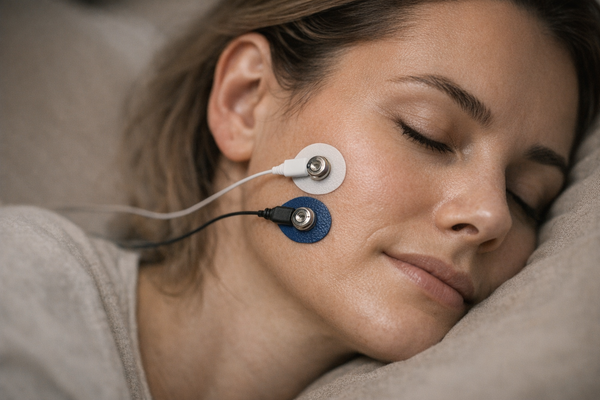
- Botulinum toxin type A: A 2025 systematic review by Yacoub et al. found that targeted Botox injections lowered electromyographic grinding signals for three to six months. It is invasive and pricey but may help if you fail conservative routes. Learn more about Botox for bruxism.
- Mouth guards: Custom night-guards cushion teeth and distribute forces. They don’t stop the muscle action but protect enamel. Most dentists view them as a baseline option. For a comparison of options, see OTC vs custom night guards.
- Melatonin supplementation: Off-label use is emerging, especially in pediatric cases, but adult data are mixed. Always consult a clinician.
Lifestyle Changes
- Stress management: Meditation, yoga, or cognitive-behavioral therapy can down-regulate muscle tension triggers.
- Posture correction: Daytime slouching strains neck and jaw muscles, promoting nighttime grinding. Simple chin-tuck exercises help.
- Alcohol moderation: Nightcaps fragment REM sleep and spike jaw muscle activity. Swapping the third drink for sparkling water can pay dividends.
- Tobacco cessation: Smoking correlates with higher bruxism prevalence, likely through airway irritation that disrupts sleep.
The recurring theme across studies like Kadıoğlu et al. is synergy. Combining manual therapy with sleep hygiene improved outcomes more than either alone.
Conclusion
Grinding your teeth at night can feel inevitable, but modern evidence tells a more empowering story. By tuning up your sleep hygiene—keeping a steady schedule, dialing down evening stimulants, and crafting a bedroom built for deep rest—you shrink the windows in which bruxism thrives. Scientific trials from Więckiewicz et al. and Neves et al. underline that those simple habits can cut grinding frequency, ease jaw pain, and boost daytime energy.
Add complementary tools such as manual therapy, stress reduction, or a properly fitted guard, and you approach a comprehensive plan that safeguards teeth and sleep quality alike. Start tonight by picking one habit—perhaps setting that “go-to-bed” alarm—and build from there. Your jaw, your dentist, and your morning mood will thank you.