Over the Counter Night Guard vs Custom Fitted Night Guard: An Honest Comparison
Discover the differences between OTC and custom night guards to find the best fit for your needs.
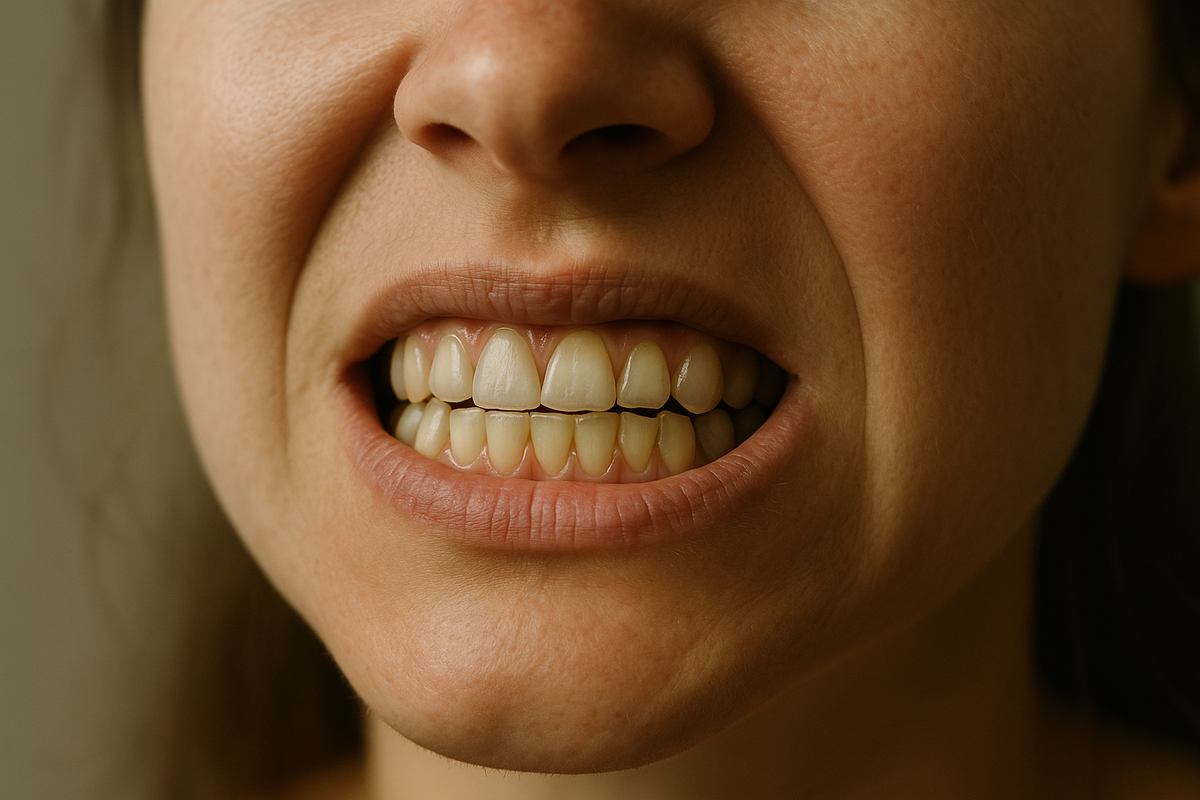
If you wake up with a jaw that feels like it ran a marathon overnight, you might be dealing with bruxism. Since your teeth shouldn't suffer from your stress, you're searching for a night guard that works without emptying your wallet. The market offers two main options: a pre-made guard from the pharmacy or a custom-fitted guard from a dentist. Which is better? Let’s examine the science, costs, and practicality to find out.
Below is a detailed comparison of over-the-counter (OTC) night guards versus custom-fitted options. By the end, you'll know which choice aligns with your grinding style, budget, and comfort needs.
Understanding Bruxism and Its Impact
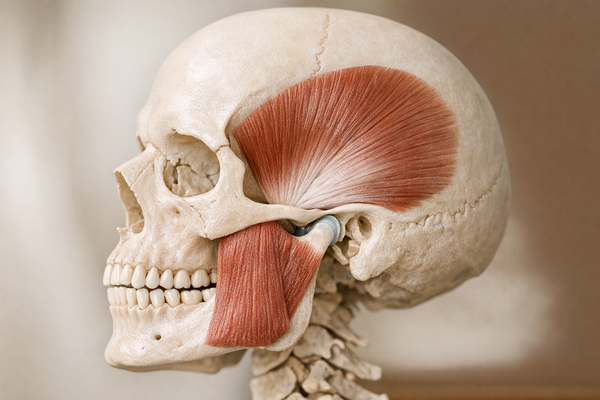
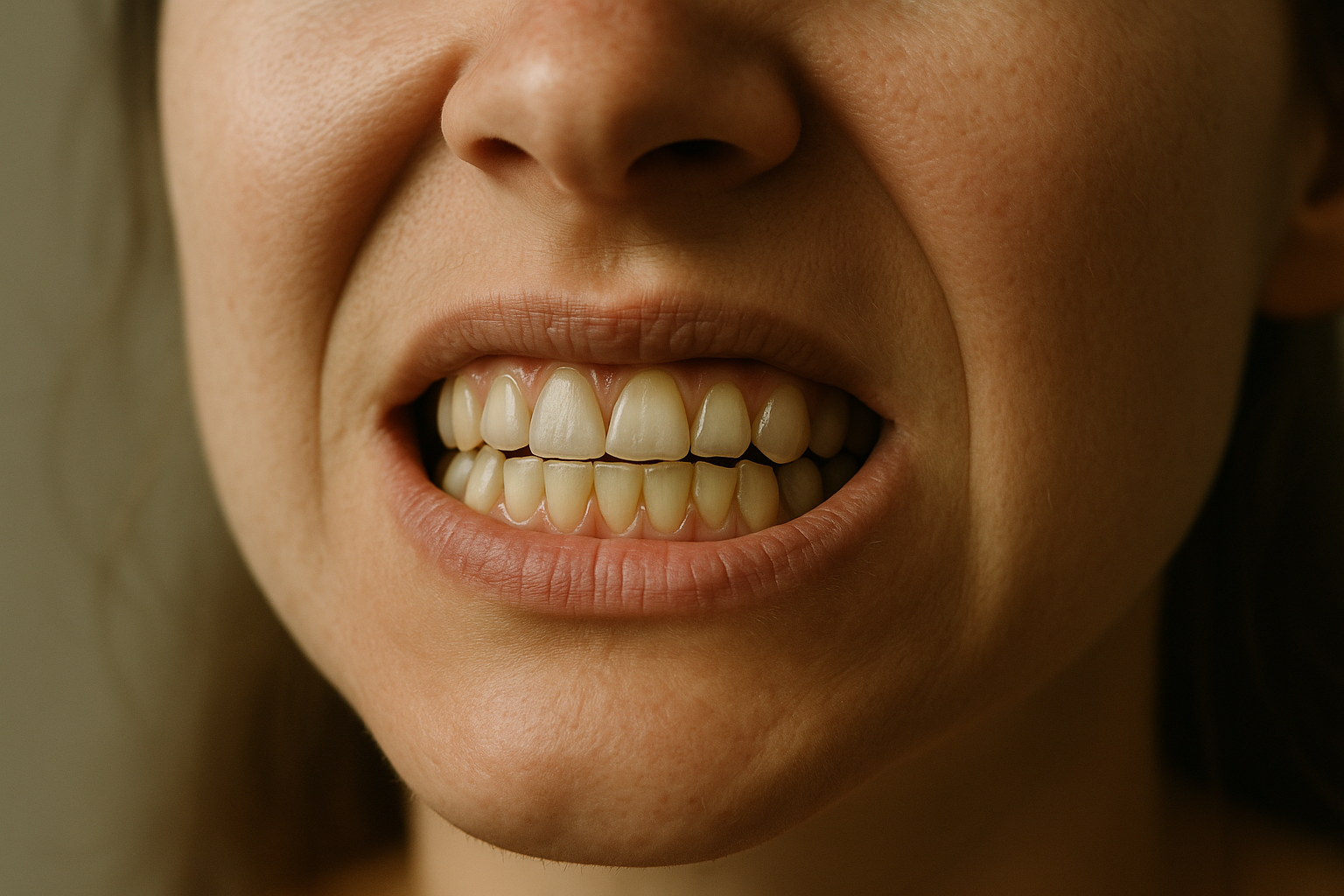
Bruxism is the clinical term for grinding or clenching your teeth, often unnoticed. It can occur while you're awake, but sleep bruxism is more common since you can't control your jaw movements. Symptoms include:
- Flat or chipped tooth edges
- Morning headaches or ear pain
- Jaw or facial stiffness
- Popping sounds in the temporomandibular joint (TMJ)
- Partners complaining about noisy grinding
The American Dental Association reports that about one in ten adults grind their teeth frequently enough to need treatment [1]. A systematic review of 35 clinical trials found that wearing a night guard—also known as an occlusal splint—can reduce tooth wear and jaw pain by up to 72% over six months [2]. However, effectiveness depends on how well the guard fits.
Night guards function by creating a barrier between upper and lower teeth, redistributing the forces from grinding. It's like putting a helmet on your teeth. A well-fitted guard can also help position the jaw in a more relaxed state, calming chewing muscles during sleep, according to the Cleveland Clinic [3]. For more information on how to find the right guard for TMJ pain, you can read our complete guide to TMJ mouth guards.
While not a cure for stress or sleep apnea, a night guard can reduce enamel loss and delay the need for dental implants. Considering enamel doesn't regenerate, prevention is crucial. Additionally, you might be interested in understanding the pros and cons of different night guard materials to make an informed choice.
Cost Comparison: OTC Night Guards vs Custom Fitted Night Guards
Let's discuss costs. OTC guards typically range from $15 to $50. Available in pharmacy aisles, they come in a one-size-fits-most tray and rely on a "boil-and-bite" method at home. They are budget-friendly but may not fit well.
Custom-fitted guards are crafted from an impression or digital scan of your mouth, costing between $200 and $800 depending on region and materials. This price includes professional fitting, adjustments, and durable materials.
Insurance can alter costs. Some medical plans cover dentist-made guards if bruxism is linked to sleep disorders or TMJ dysfunction. Dental policies often cover night guards as a major service at 50% after deductible. Proper diagnostic codes can unlock reimbursements, as explained in dental billing reviews [4]. A savvy dentist can help with this.
Technology is reducing costs. 3D-printed guards skip traditional models, cutting lab time by 50% [5]. Some offices offer custom guards for $150–$300, nearing the high end of OTC kits.
Consider replacement cycles. OTC guards last three to six months for heavy grinders. A custom guard can last three to five years with care. The "cheap" route may become costly over two years. Harvard Health notes the breakeven point is about 18 months for many [6]. You might want to read more about how long a night guard lasts to better understand the lifespan and replacement signs.
Fit and Comfort: Why They Matter
A night guard that feels uncomfortable won't be used, affecting adherence and results.
OTC Fit
OTC guards use thermoplastic material. You heat it, bite down, and hope it molds well. It's often bulky, which can trigger gag reflexes, muffle speech, and complicate mouth breathing. People with braces or crowns might find the material problematic.
Custom Fit
Custom guards start with a putty impression or intra-oral scan. Digital scans feed directly into 3D printers or milling machines. Research shows that altering printing parameters can enhance fit without compromising comfort [7]. These guards are usually 1.5–2 millimeters thick at the biting surface.
Thinner guards offer more tongue space, easier swallowing, and fewer nighttime disturbances. A 2021 study found that patients wearing slim, custom guards had 40% higher adherence than those with bulky OTC versions [8]. Comfort directly influences protection.
Proper fit enhances performance. A loose guard can shift, creating uneven bite contacts that increase muscle activity. Poorly aligned surfaces can traumatize periodontal ligaments. A well-adjusted guard spreads pressure evenly across teeth, as advised by the Mayo Clinic [9].
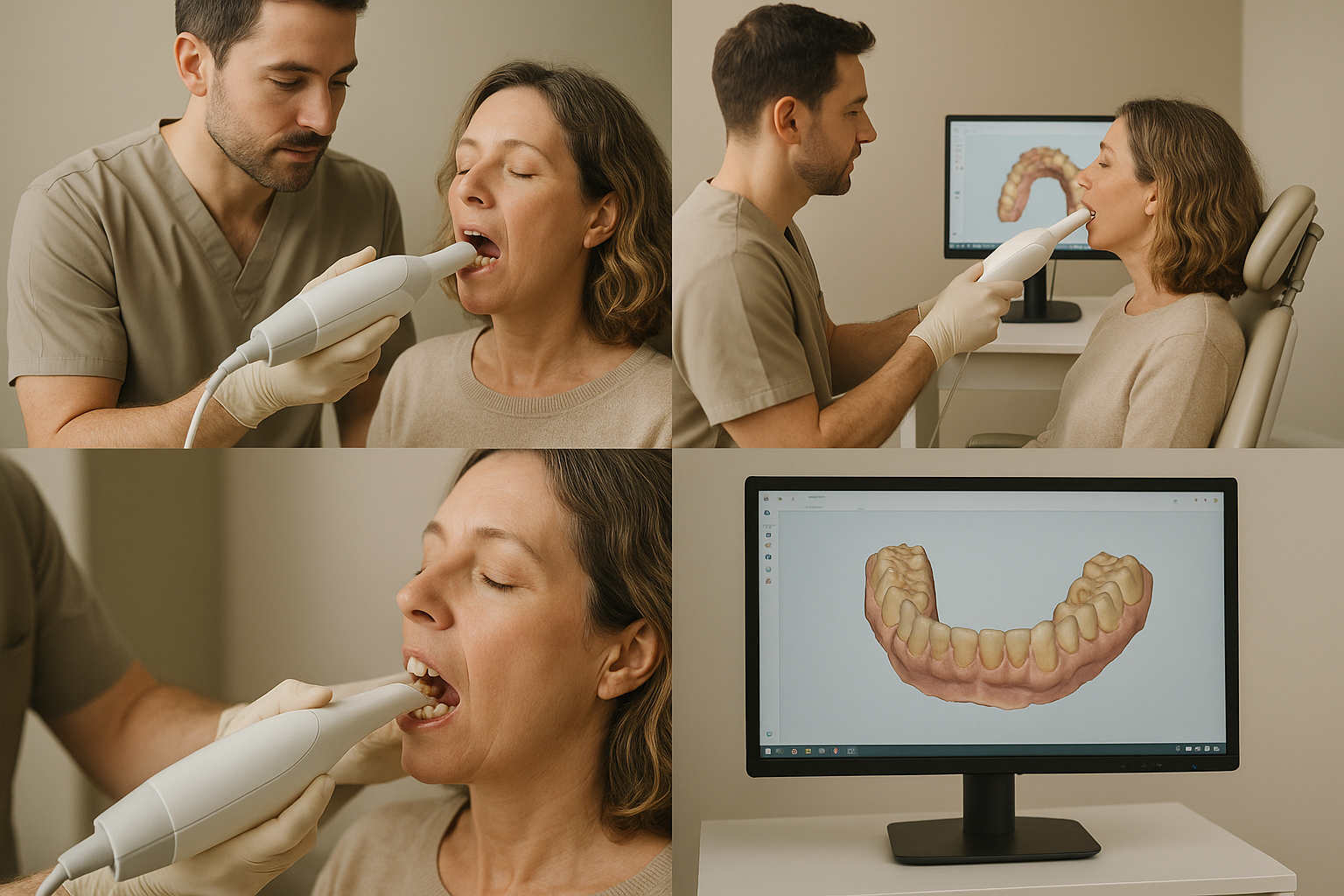
Custom guards also allow material customization based on grinding habits. Light clenchers may prefer softer acrylic, while heavy grinders might benefit from dual-laminate guards.
Durability and Longevity: Which Lasts Longer?
Durability refers to the guard's ability to withstand grinding, while longevity is how long it remains usable.
Materials Breakdown
- OTC Guards: Typically made from ethylene-vinyl acetate (EVA) or thermoplastic. They may develop holes after a few months with heavy grinding.
- Custom Guards: Made from hard acrylic, dual-laminate, or 3D-printed methacrylate resins. These materials handle compression and shear forces better.
A clinical evaluation of the iNterra system found only 7% of guards showed material failure over two years [10]. In contrast, surveys show that about half of OTC users needed replacements within six months [11]. To ensure your guard lasts longer, consider reading our definitive guide on cleaning night guards.
3D-printed guards can match the wear resistance of milled acrylic if post-cured correctly [5]. Modern printed customs are as durable as traditional lab guards.
Maintenance Tips for Extra Mileage
- Rinse the guard under cold water every morning; avoid hot water to prevent warping.
- Use a non-abrasive brush and mild soap. Avoid toothpaste as it can scratch the guard.
- Soak weekly in a denture-cleaning solution or a 1:1 vinegar and water mix.
- Store in a ventilated case, away from sunlight to prevent yellowing and distortion.
- Visit the dentist every six months to check fit and wear.
If you're a heavy grinder, discuss reinforcement options with your dentist. Some labs offer a stainless-steel mesh layer inside acrylic for added durability, which OTC brands don't provide.
When to Choose OTC or Custom Night Guards
Your choice depends on grinding severity, mouth anatomy, and budget. Consider these scenarios:
OTC Makes Sense When
- Grinding is occasional. For stress spikes during exams or deadlines, a temporary guard could suffice.
- You need a quick fix while traveling. If your custom guard breaks on vacation, a $20 pharmacy option beats unprotected grinding.
- Your budget is tight. While saving for a custom guard, something is better than nothing to protect enamel.
- You're testing tolerance. Unsure about wearing a guard? Try a cheap one before committing to custom.
Custom Wins When
- You grind aggressively and nightly. Deep wear facets, chipped teeth, or TMJ pain suggest a need for a robust solution.
- You have dental work to protect. Crowns, veneers, or implants are expensive and need protection that fits well.
- Comfort affects adherence. Light sleepers or those with gag reflex issues will benefit from a precision-fit appliance.
- Your insurance helps cover costs. If insurance covers even part of the cost, a custom guard is more feasible.
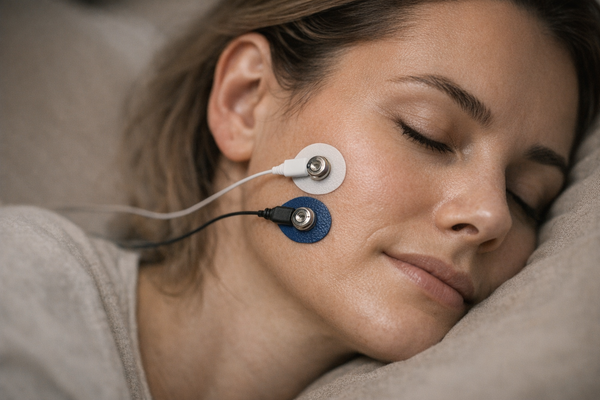
Still undecided? Consult a dentist. Many offer low-cost evaluations and can assess grinding force with pressure-sensitive film or electromyography. Bring in your OTC guard for an assessment of its effectiveness.
Conclusion
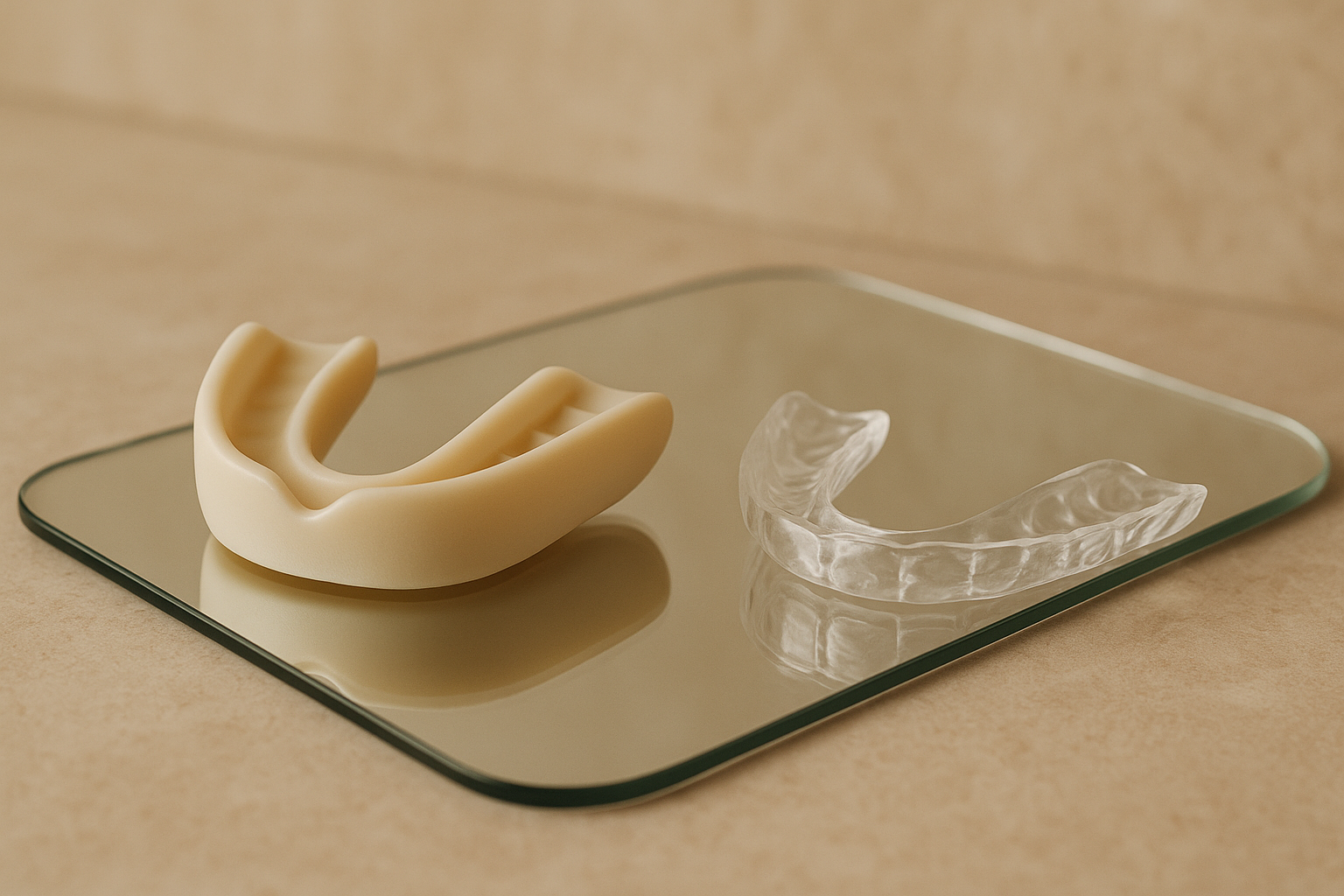
Night guards are essential for protecting your teeth. OTC versions are affordable and suitable for short-term or mild grinding. Custom-fitted guards offer better fit, comfort, and longevity, potentially saving money in the long run. Success depends on fit, material, and adherence. Consult a dentist or sleep specialist to ensure the guard you choose suits your grinding intensity, mouth shape, and insurance coverage.
References
- American Dental Association. Occlusal Guards. Accessed 2024.
- Assiri H. A. et al. (2025). Bruxism treatment outcomes: A systematic review and meta-analysis. Medicine.
- Cleveland Clinic. Night Guards. Accessed 2024.
- Lipsey M. R. (2012). Medical insurance for dental sleep medicine. Dental Clinics of North America.
- Šimunović L., Čimić S., Meštrović S. (2025). Three-Dimensionally Printed Splints in Dentistry: A Comprehensive Review. Cureus.
- Harvard Health Publishing. Do you need a night guard?. Accessed 2024.
- Kaushik A., Garg R. K., Saini R. S. (2025). Evaluating the effect of printing parameters on the performance of resin occlusal splints for a sustainable dentistry. Journal of Prosthodontic Research.
- Osiewicz M. A., Werner A., Roeters F. J. M. (2021). Effects of occlusal splint therapy on opposing tooth tissues, filling materials and restorations. Clinical Oral Investigations.
- Mayo Clinic. Night guards for bruxism. Accessed 2024.
- Sundar V., Ewoldsen N., Hall P. (2009). Clinical evaluation of the longevity and durability of an impressionless intraoral appliance (iNterra) system. Journal of Prosthetic Dentistry.
- Colgate Oral Care Center. Bruxism Night Guards 101. Accessed 2024.