How to Prevent Nighttime Teeth Clenching: Tips and Tricks
Discover effective ways to stop nighttime teeth clenching with evidence-based tips.
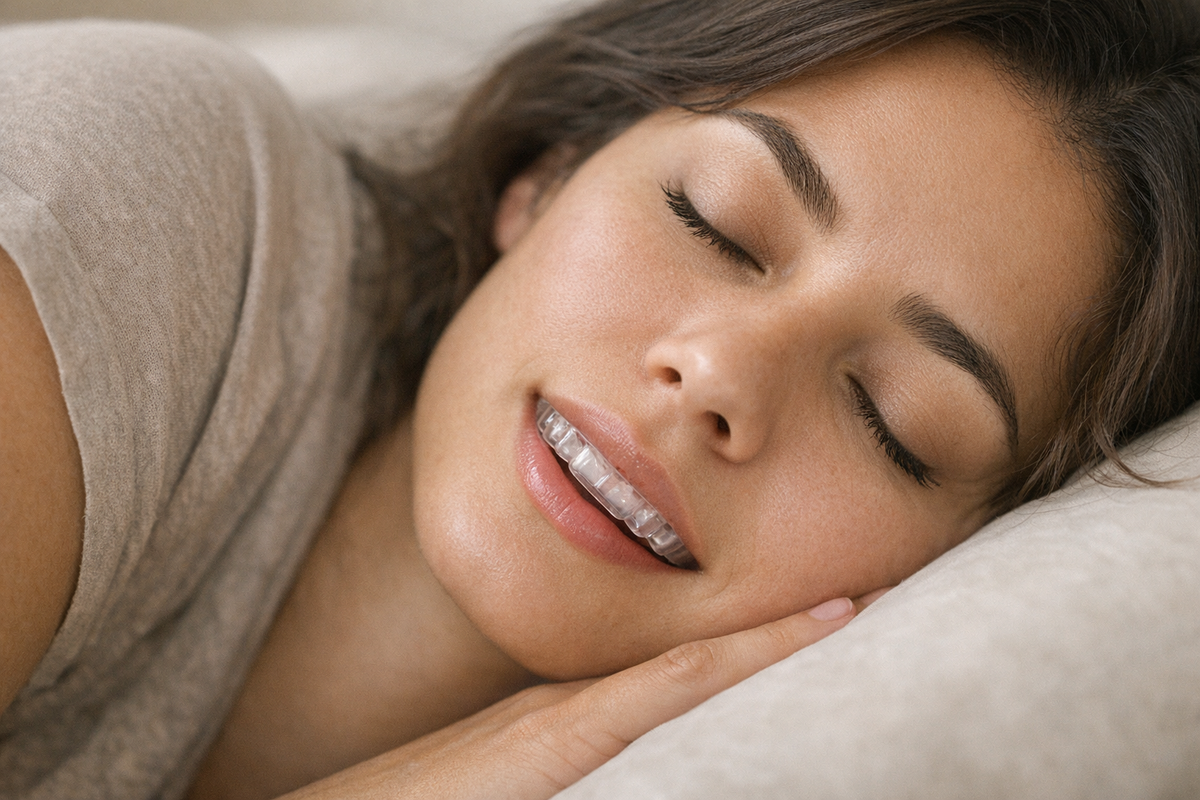
You probably clicked on this article because your jaw feels like it just bench-pressed a truck while you slept. If so, welcome to the club. Nighttime teeth clenching, also called sleep bruxism, affects millions of adults and leads to cracked fillings, headaches, and the occasional “Why does my face hurt?” moment at breakfast. The good news is that researchers have piled up data on why it happens and how to dial it down. Below you will find evidence-based strategies to help you manage this condition.
Understanding Nighttime Teeth Clenching
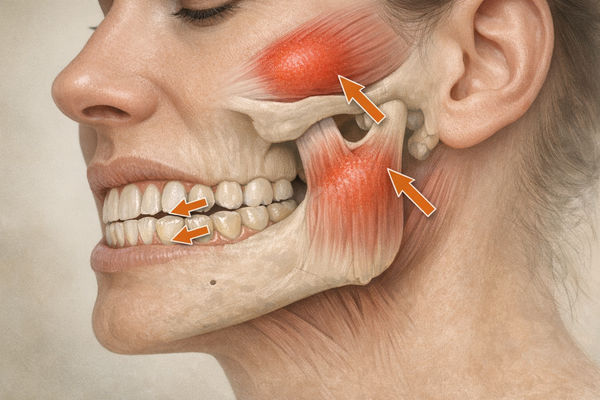
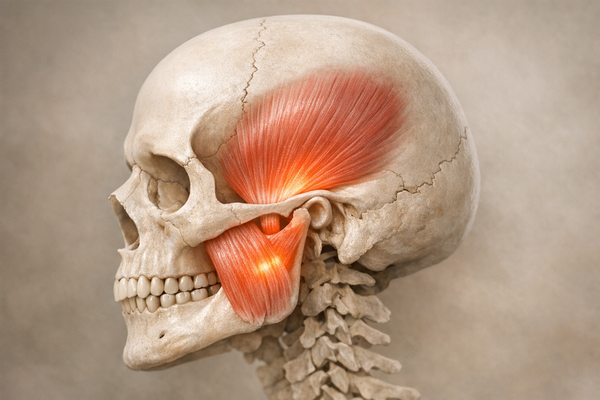
Nighttime teeth clenching is the involuntary grinding or pressing of your upper and lower teeth while you sleep. Dentists categorize it under sleep bruxism, distinct from awake bruxism, which happens during daytime activities like driving or emailing.
Bruxism is quite common. A systematic review by Różak et al. found that athletes reported rates up to 35 percent, indicating stress and physical demand as factors. A meta-analysis by Gyra et al. placed children's prevalence between 13 and 30 percent. Adults' rates vary based on stress, sleep quality, and overall health.
Why does clenching happen during sleep? Researchers point to a mix of factors:
- Sleep arousals: Tiny, often unnoticed spikes in brain activity can trigger brief muscle tension in the jaw. Improving sleep hygiene can help manage these arousals.
- Stress hormones: Elevated cortisol and adrenaline make muscles jumpy even in deep sleep. Understanding how stress and anxiety trigger teeth clenching can offer solutions.
- Neuromuscular quirks: People with an overactive trigeminal nerve pathway may grind more.
- Lifestyle triggers: Caffeine, alcohol, some antidepressants, and high-stress jobs contribute.
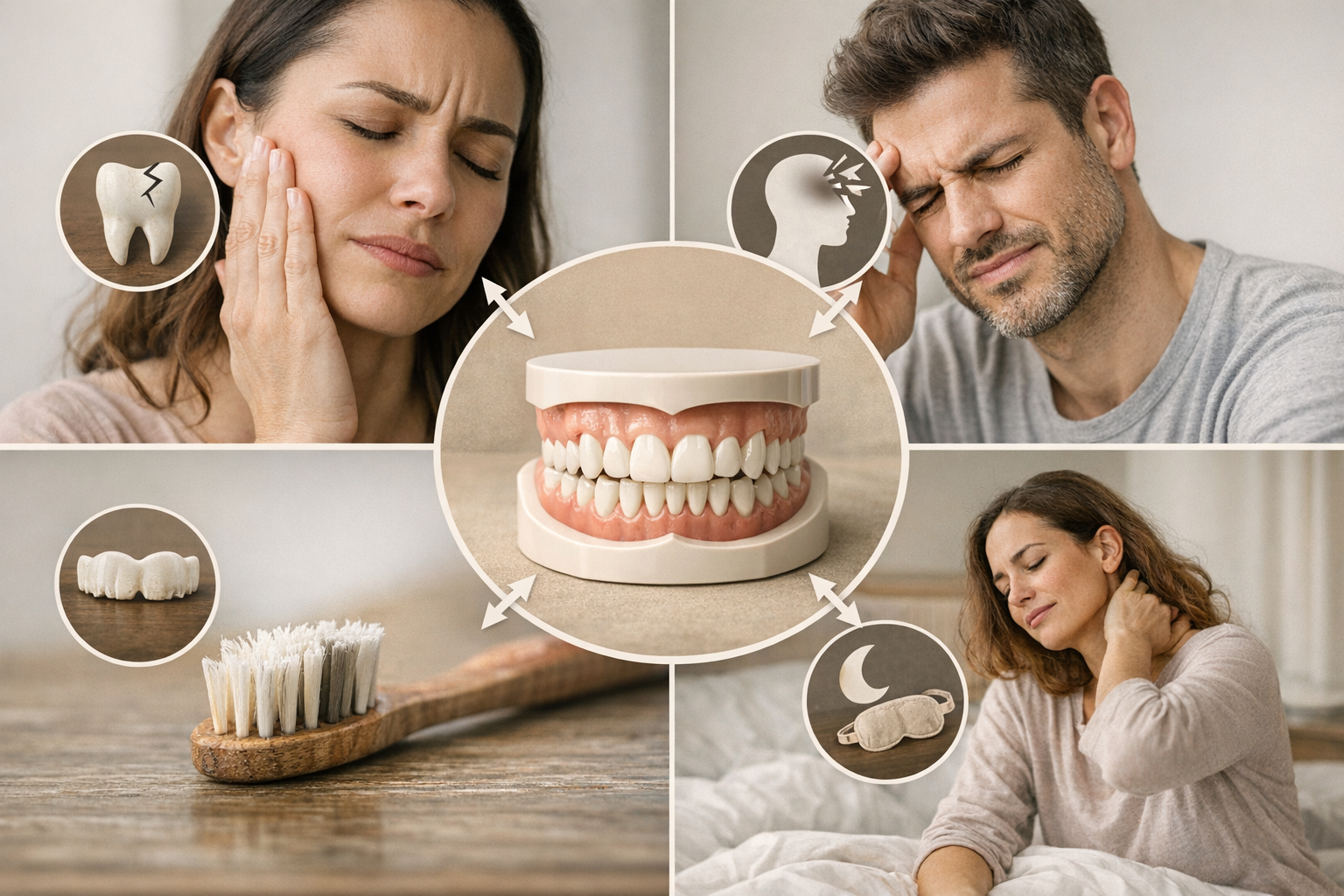
The force generated during clenching is significant. Pressures can exceed 250 pounds per square inch, enough to chip enamel. Long-term consequences of sleep bruxism include:
- Worn tooth surfaces and cracks
- Tooth sensitivity to hot and cold
- Gum recession and loose teeth
- Morning headaches and neck pain
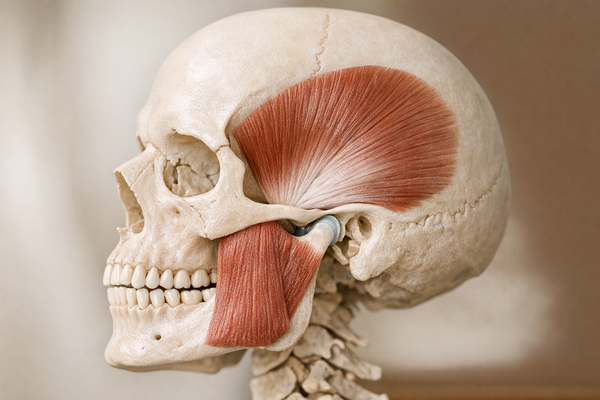
- Temporomandibular joint (TMJ) disorders
If your dentist has shown you flattened molars, you've seen the evidence. The goal is to limit these nightly power-lifting sessions before repair bills pile up.
Lifestyle Adjustments to Prevent Teeth Clenching
While you can't control your muscles during sleep, you can address potential triggers. Lifestyle changes can help reduce nighttime teeth clenching.
Dietary Changes
Caffeine timing matters. A systematic review by Nishath et al. on smartphone use and TMJ disorders also identified late-day caffeine as a factor. Caffeine stimulates the nervous system for up to six hours. Avoid coffee, energy drinks, cola, and dark chocolate after lunch. Learn more about why you should avoid caffeine late at night.
Reconsider nightcaps. Alcohol may feel relaxing initially but causes fragmented sleep, leading to more clenching episodes. The American Dental Association recommends reducing alcohol intake. Swap an evening beer for herbal tea a few nights a week. Discover the effects of alcohol on teeth grinding.
Watch stimulant meds. Some prescription stimulants and antidepressants increase jaw activity. Don't stop medication on your own. Consult your prescriber for possible adjustments. Read about stimulant-induced bruxism.
Sleep Hygiene
Good sleep hygiene involves more than dark curtains. It’s about creating a routine that signals your brain to relax.
- Set a consistent bedtime. Going to bed within the same 30-minute window trains your circadian rhythm. Consistency reduces sleep fragmentation and clenching.
- Create a cool environment. The Sleep Foundation suggests a room temperature around 65 °F (18 °C) for deep sleep.
- Use an ergonomic pillow. Sleeping on your back with proper neck support keeps the jaw neutral. Test different pillow heights and materials. Learn how sleep positions can impact bruxism.
- Screen curfew. Blue light delays melatonin. Put the phone down at least an hour before bed to reduce stress.
Incorporate relaxation cues such as dimmed lights and a short reading session (paper, not tablet). A calm nervous system reduces jaw muscle tension.
Stress Management Techniques
Stress is a common cause of adult clenching. Lowering stress can reduce bruxism frequency.
Mindfulness and Meditation
A study by Prado-E-Silva et al. found that people with high mindfulness levels reduced bruxism more effectively. Evening mindfulness practice also correlated with fewer grinding events.
Practical steps include:
- Two-minute body scan. Before bed, close your eyes and mentally scan your body from toes to head, releasing any tension.
- Guided apps. Apps like Insight Timer or UCLA Mindful offer short meditation sessions. Choose calming speech, not sounds that irritate you.
- Label the thought. Recognize and name worries, then let them go to break the rumination loop.
Breathing Exercises
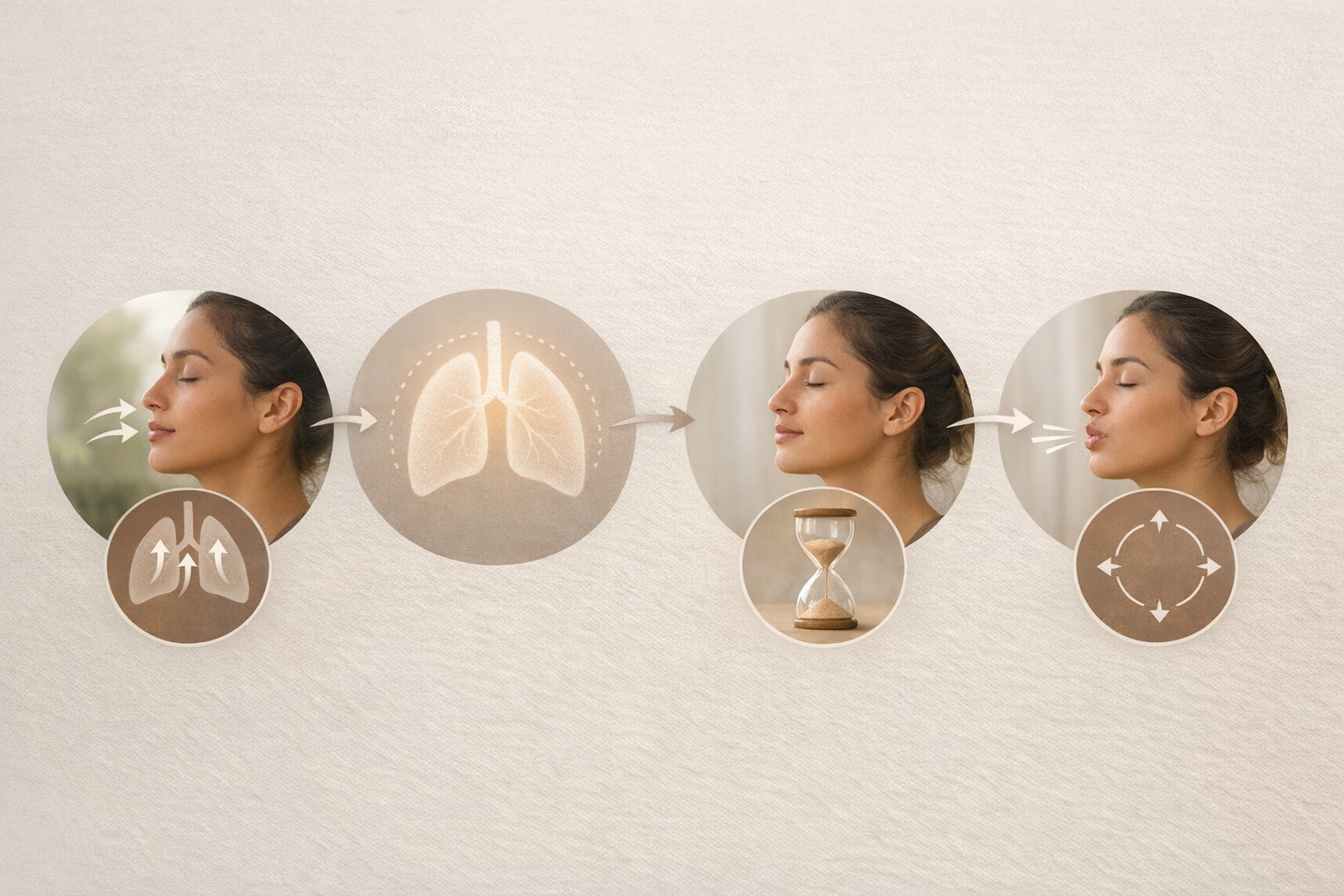
Deep, slow breathing activates the parasympathetic nervous system, reducing heart rate and muscle tension.
- 4-7-8 technique. Inhale for four counts, hold for seven, and exhale for eight. Repeat four cycles.
- Box breathing. Inhale, hold, exhale, hold—each for four counts.
- Diaphragm check. Lie down, place a hand on your chest and belly. The belly should rise more than the chest. Slow down if needed.
If your mind wanders during exercises, gently redirect it. Over time, teach your nervous system, and by extension your jaw, to relax.
A systematic review by Yacoub et al. found that stress reduction paired with other therapies like mouthguards provided greater relief than a single approach.
The Role of Botulinum Toxin Injections
If lifestyle changes aren't enough, clinicians may use botulinum toxin type A (BoNT-A) injections as a temporary solution for overworked jaw muscles.
A finite element analysis by Kocamaz et al. simulated jaw forces after BoNT-A in post-surgery patients. Results showed reduced stress on bone plates, suggesting weaker muscle contractions translate to gentler forces on dental structures.
The systematic review by Yacoub et al. reported that BoNT-A reduced clenching episodes by 30 to 45 percent over three to six months, outperforming placebo injections and occlusal splints in some outcomes.
Potential Side Effects
- Chewing fatigue. You may find your jaw tires sooner when eating tough foods.
- Smile asymmetry. Rare, usually mild, and fades over time.
- Cost. BoNT-A is expensive, and insurance coverage varies.
- Repeat sessions. Effects last three to four months, requiring follow-up injections.
BoNT-A is not a first-line treatment but can be an option when other methods fall short. Learn more about Botox for bruxism.
Oral Devices and Their Effectiveness
Oral devices create a barrier to prevent teeth from grinding and redistribute bite forces.
Mouthguards
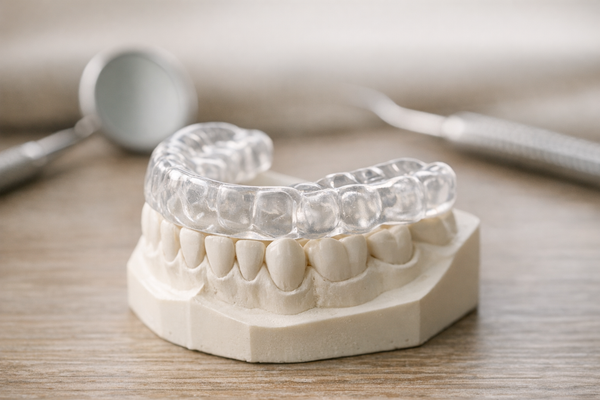
Custom night guards, made by your dentist, fit over either the upper or lower teeth. A narrative review by Shafiee and Nourizadeh lists guards as a primary defense against bruxism-related fractures. Benefits include:
- Tailored fit reduces gag reflex and speech interference.
- Durable acrylic resists wear.
- Allows minor jaw movement while cushioning the bite.
Drawbacks:
- Higher upfront cost than boil-and-bite guards. Compare over-the-counter and custom-fitted night guards.
- May need adjustments if your bite changes.
- Not a cure—merely a shield.
Splints
Splints, often covering more surface, sometimes hold the jaw in a specific position.
- Stabilization (flat-plane) splints: Provide an even surface, reducing muscle overwork.
- Anterior bite plates: Cover front teeth, forcing back teeth apart to switch off jaw muscles.
- Mandibular advancement splints: Pull the lower jaw forward, useful for mild sleep apnea.
The review by Pryles et al. noted that well-fitted splints reduced crack propagation in molars by lowering peak clench loads. However, bulky splints can irritate soft tissue if not adjusted well. Work closely with a knowledgeable dentist.
When to Seek Professional Help
DIY methods can help, but certain signs indicate it's time for professional assistance.
Consulting a Dentist
- Persistent tooth sensitivity. If cold drinks cause pain, enamel may be compromised.
- Cracked or loose fillings. Ongoing damage indicates excessive forces.
- Jaw locking or clicking. You may be developing a TMJ disorder. Learn more about TMJ exercises for relief.
- Bleeding gums unrelated to brushing technique. Pressure can inflame periodontal tissue.
Pediatric cases need extra attention. A review by Baldo et al. linked undiagnosed bruxism to tension-type headaches in children. Early evaluation can prevent pain and sleep disruption.
Therapy Options
Beyond guards and BoNT-A, professionals may recommend:
- Physical therapy. Jaw and neck muscle stretching can reduce trigger points.
- Cognitive behavioral therapy (CBT). Effective for insomnia and anxiety, CBT addresses thought patterns that cause tension.
- Biofeedback devices. Wearable sensors vibrate when detecting clenching, training you to stop. Explore how wearable tech can help manage bruxism.
- Medication review. Some drugs can be replaced with alternatives that have fewer bruxism side effects.
If smartphone use is a stress trigger, remember the review by Nishath et al. Reducing screen time before bed helps your eyes and may lower clench frequency.
Conclusion
Nighttime teeth clenching thrives on stress, stimulants, and poor sleep habits. The solution is rarely a single fix. Combine lifestyle changes—less caffeine, better sleep hygiene, regular mindfulness practice—with mechanical protection like a custom guard. If those steps fall short, professional options such as physical therapy or botulinum toxin injections are available. Addressing bruxism early prevents cracked enamel, TMJ problems, and morning headaches. Your future self—and your dental budget—will thank you.