
Category: Uncategorized
-
Is There a Risk of Microplastic Exposure from Wearing Night Guards?
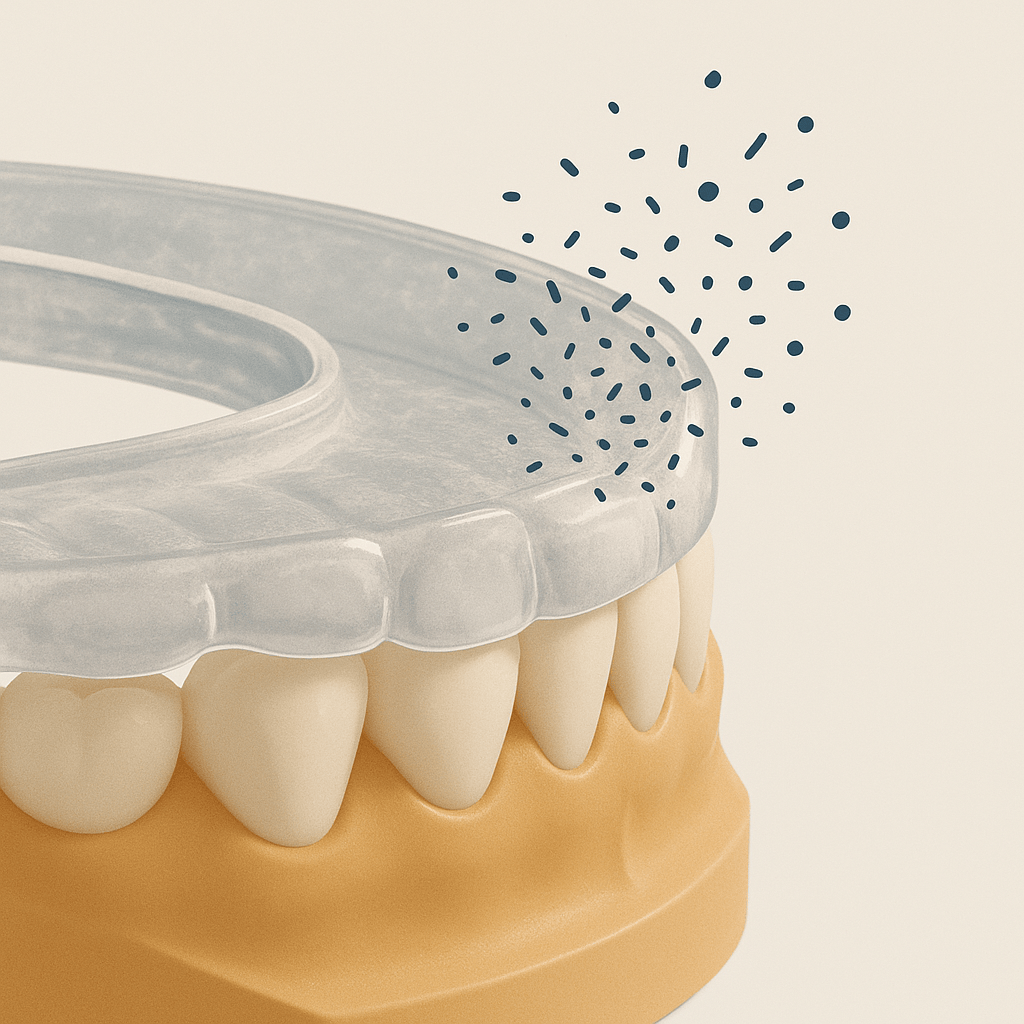
Waking up with a sore jaw or experiencing persistent ear pain can be draining—especially if jaw clenching or teeth grinding (bruxism) is to blame. Night guards are widely recommended to protect your teeth and ease discomfort, but more people are now asking tough questions about what goes in their mouth night after night. One emerging…
-
What Are the Benefits of a Custom Mouth Guard for Teeth Grinding and How Does It Work?

Waking up with a sore jaw, dull headache, or even unexplained ear pain? You’re not alone. Millions struggle with nighttime teeth grinding—also known as bruxism—which can lead to persistent jaw clenching, tooth damage, and disrupted sleep. If you’re searching for a solution that’s effective, comfortable, and built to last, a custom mouth guard could be…
-
Effective Jaw Pain Treatment for TMJ: How to Find Lasting Relief

Jaw pain can be surprisingly disruptive—making everyday activities like eating, talking, or even resting uncomfortable or even agonizing. If you’re experiencing persistent jaw discomfort, ear pain, or notice yourself jaw clenching more than usual, the culprit may be a temporomandibular joint (TMJ) disorder. This guide aims to shine a light on what causes TMJ-related jaw…
-
What Is the Best Mouth Guard for TMJ Relief? Top Options and Expert Recommendations
Waking up with jaw tightness, ear pain, or a dull headache? If you’re one of the millions struggling with TMJ (temporomandibular joint) disorder, you know how much it can drain your days and disrupt your nights. While science continues seeking a true cure for bruxism and TMJ dysfunction, mouth guards – when chosen and used…
-
Can You Wear a Night Guard After Wisdom Teeth Removal?
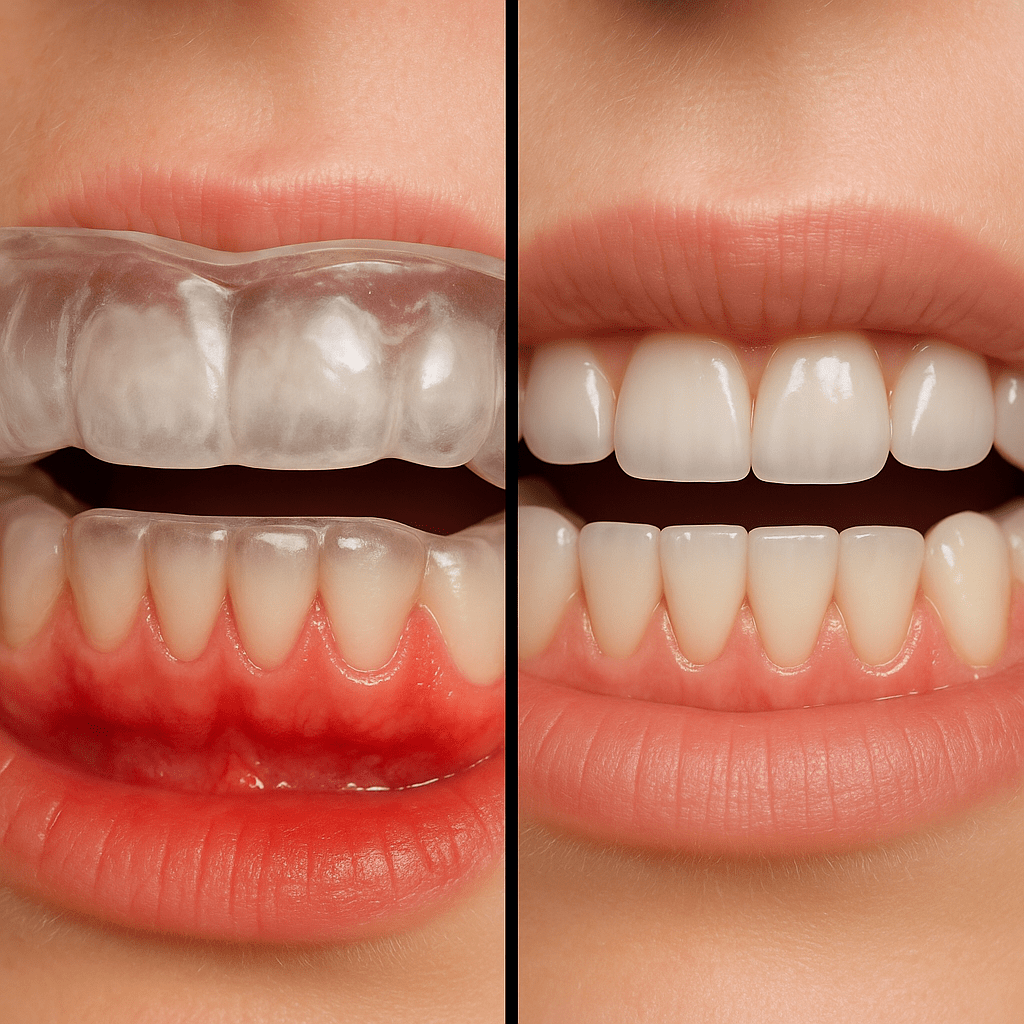
Just had your wisdom teeth removed? Find out if it’s safe to wear your night guard and how to protect your healing gums while managing teeth grinding. Why Night Guards Matter for People With Bruxism If you’re a teeth grinder, you already know the value of a good night guard. These custom-made devices can shield…
-
Night Guard Materials: Pros and Cons

Why Night Guard Material Matters When it comes to choosing the right night guard for bruxism or TMJ, the material makes a big difference. Not all night guards are created equal — they come in a range of materials, each with unique benefits and drawbacks.If you’ve ever wondered:✅ What’s the best material for a night…
-
Do I swallow microplastics from my night guard?
Night guards are commonly used dental appliances to protect teeth from grinding during sleep. However, recent concerns have emerged regarding the potential release of microplastics from these devices. This blog post examines the current scientific understanding of microplastics in night guards and their potential health implications. Composition of Night Guards Night guards are typically made…
-
Caffeine and Bruxism: a summary
Do you often find yourself clenching your teeth or grinding them at night? You may have bruxism. Bruxism is a condition characterized by teeth grinding or clenching, especially during sleep. It can lead to jaw pain, headaches, and even damage to your teeth. If you’re someone who loves their caffeine fix, you might be wondering…
-
Tongue ties and bruxism: is there a link?

Tongue ties, also known as ankyloglossia, is a condition where the lingual frenulum (the tissue that connects the tongue to the bottom of the mouth) is too short or tight. While tongue ties are commonly associated with breastfeeding issues in infants, they can also affect adults and be linked to conditions like bruxism. Below, we’ll…
-
How to clean your night guard

Cleaning your night guard is simple, and important. No need to overthink it. Your first instinct is probably right: when you take out your teeth grinding guard in the morning, you should first rinse it with water. In my experience, most of the time rinsing it with water vigorously (cold or warm, but not super…
 Grind My Teeth