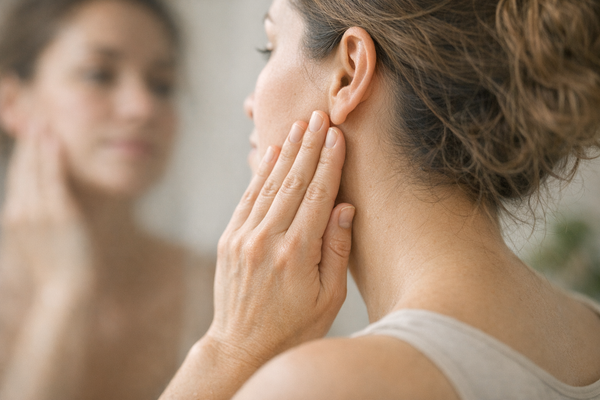
Bruxism Treatment Cost: What You'll Actually Pay
Learn about bruxism treatment costs and insurance coverage options.
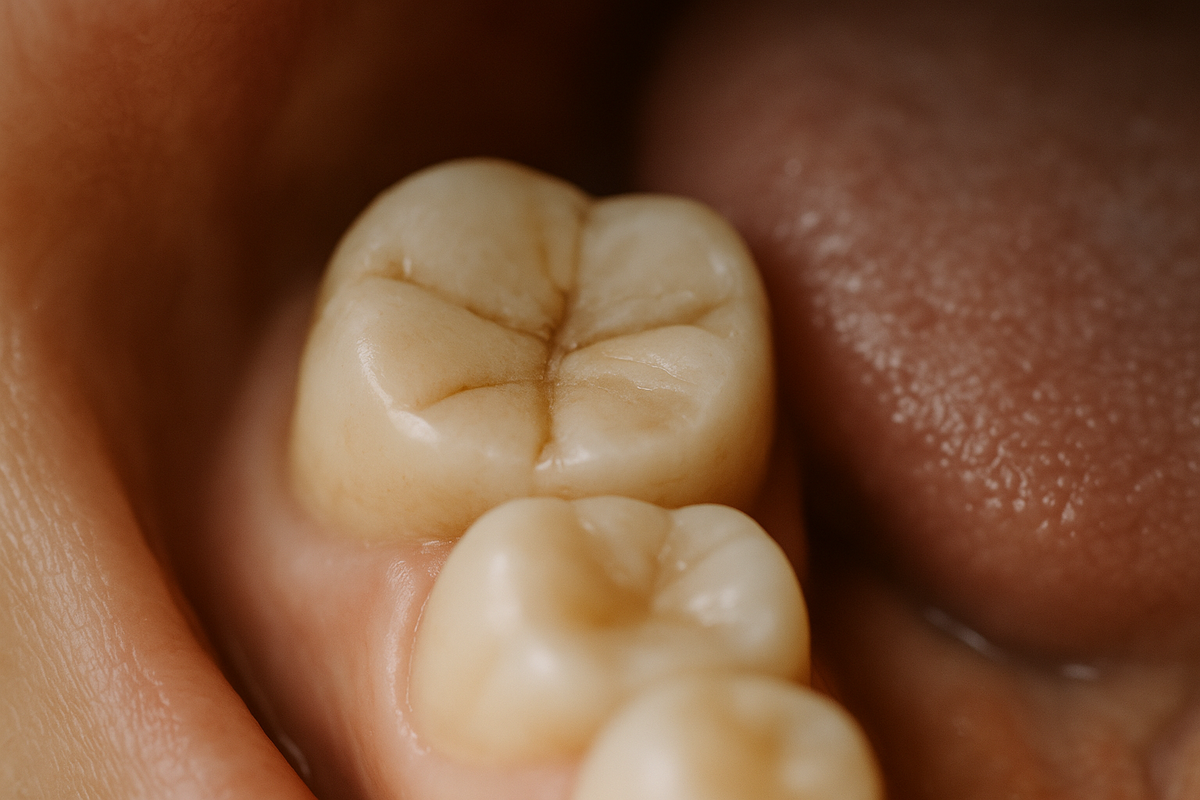
Teeth grinding might seem like an odd quirk until your jaw throbs at 3 a.m. and your dentist points out the miniature Grand Canyon forming in your molars. If you've discovered your nightly soundtrack involves gnashing, popping, and clenching, you probably typed “bruxism treatment cost” into a search bar at an equally ungodly hour. This guide covers what you will actually pay, how bruxism might affect your facial structure, how to nudge your insurance into helping, and which money-saving tactics won't sabotage your smile.
Everything here is backed by peer-reviewed research and reputable dental organizations. I translate the jargon into plain language so you can make decisions before another crown cracks.
Understanding Bruxism and Its Impacts
What is Bruxism?
Bruxism is the medical term for grinding or clenching your teeth when not chewing food. It can happen during the day or while you sleep, but nighttime episodes are tougher to control because you're unconscious. The American Dental Association estimates that roughly 10 percent of adults grind at night, though some studies suggest the number is higher.
Smartphones may not help. In a 2021 study by Emodi-Perlman et al., researchers found that heavy smartphone use was linked to more daytime sleepiness, higher rates of temporomandibular disorders (TMD), and increased self-reported bruxism. The authors suspect constant screen time revs up the nervous system, leading to clenching even after lights out. Sleep positions can also influence nighttime teeth grinding, adding another layer of complexity to managing bruxism.
Other common triggers include untreated sleep apnea, alcohol before bed, and certain antidepressants that tense jaw muscles as a side effect. If you recently changed medication and suddenly wake with jaw pain, flag that coincidence for your physician; sometimes a dosage tweak stops the grinding faster than any mouthguard.
Kids are not immune either. A 2018 paper by Ortu and colleagues examined a special appliance called the Functional Plane of Monaco and confirmed that pediatric bruxism often shows up with misaligned bites. Translation: little jaws can grind too, and early intervention helps. For more insights on whether children can wear night guards for this condition, check out our detailed guide.
Effects of Bruxism
Unchecked grinding is more than an annoying bedroom habit. Common consequences include:
- Enamel wear that invites cavities and sensitivity
- Cracked or fractured restorations (think pricey crowns and veneers)
- Jaw muscle pain and morning headaches
- TMD that makes chewing or even yawning uncomfortable
- Sleep disruption for you or anyone within earshot
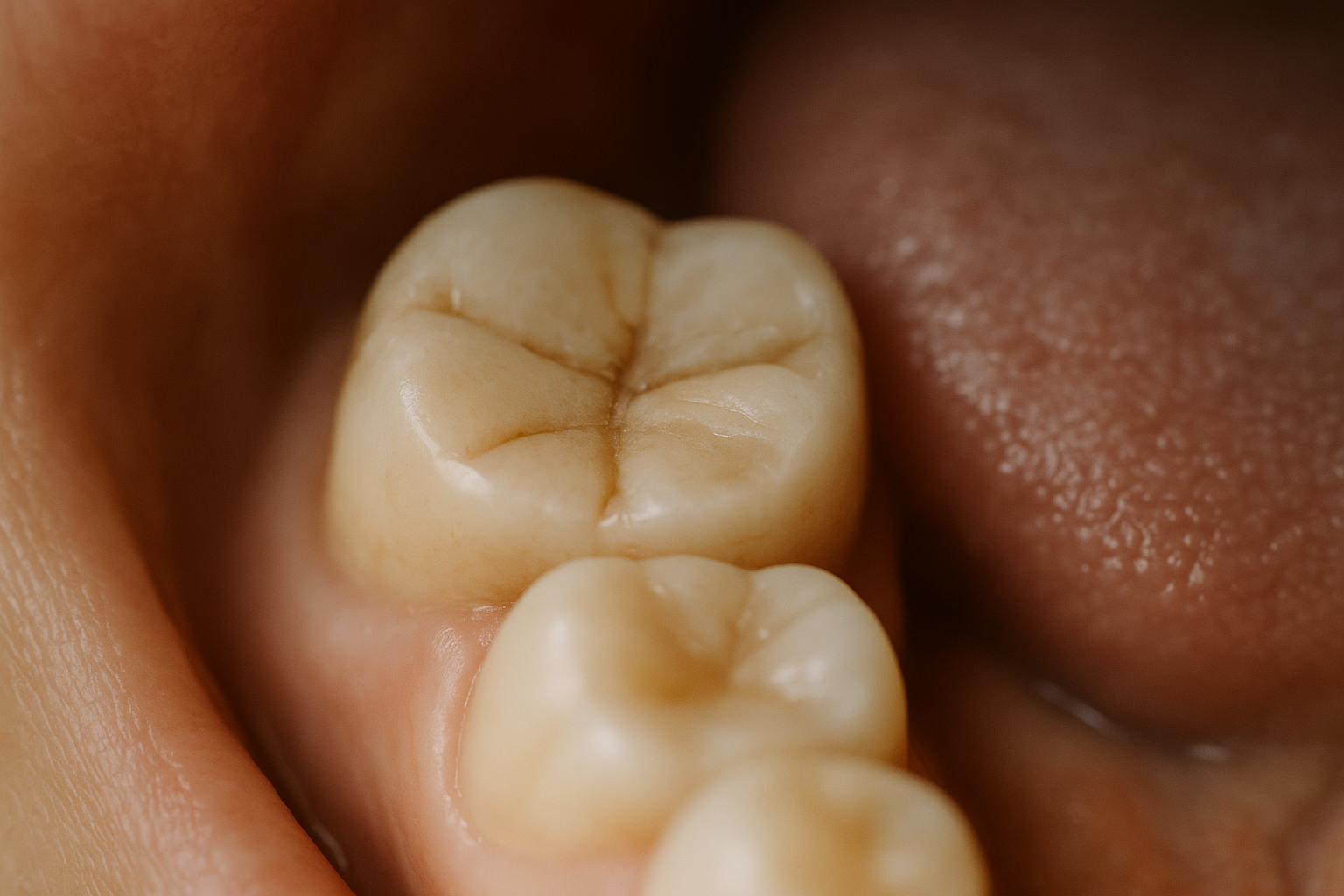
Severe cases can shorten tooth length by millimeters over a decade. That may not sound drastic, but enamel doesn't regrow, and every millimeter lost brings you closer to full-mouth reconstruction, which can top five figures. Prevention is cheaper than replacement, so let’s look at what treatment costs right now.
Cost Breakdown of Bruxism Treatments
Night Guards
Night guards (also called occlusal splints) act like shock absorbers between your upper and lower teeth. Costs vary by type:
- Over-the-counter boil-and-bite guards (drugstore aisle): $20 – $50. These soften in hot water, then mold to your bite. They're cheap but bulky and wear out within months. A Healthline cost review notes that many users abandon them because they fall out at night.
- Online direct-to-consumer guards: $100 – $200. You get a mail-in impression kit, then receive a lab-made plastic guard. Quality beats boil-and-bite, but adjustment is limited. Return shipping delays repairs.
- Custom dentist-made guards: $300 – $800. You pay for chair time, precise impressions, and professional fitting. They can last three to five years if you avoid chewing on them. Learn more about how long a night guard can last and tips to extend its life.
You will also hear dentists mention soft, dual-laminate, or hard acrylic guards. Soft vinyl versions cushion well but compress over time. Dual-laminate guards place a squishy layer against the teeth and rigid plastic on the outside, balancing comfort and durability. Hard acrylic is the gold standard for heavy grinders and patients needing bite adjustments, but it feels like a hockey puck until you get used to it. Material choice rarely changes insurance coverage yet can double lifespan, so ask what the office is quoting.
Cost effectiveness received attention in a systematic review and economic evaluation by Riley et al. The authors concluded that custom splints reduce pain and protect enamel better than no guard, but evidence on whether they outperform well-fitting OTC devices for mild grinders was limited. That means spending top dollar only makes sense if your bite forces are strong or your teeth already show damage.
Do performance mouthguards marketed to athletes help? A 2012 study by Dunn-Lewis et al. found that a customized OTC guard slightly improved power output during lifts, possibly by stabilizing the jaw. The research wasn't about bruxism, but it highlights that even cheaper guards can fit well enough to influence muscle activity.
Alternative Treatments
Night guards dominate the market, yet they aren’t the only tools. Here is what else you might pay for:
- Botulinum toxin (Botox) injections: $300 – $700 per side every three to six months. These injections weaken the masseter muscles so you can't clench hard. Results are promising for severe cases with facial pain. Discover more about using Botox for bruxism and the potential benefits.
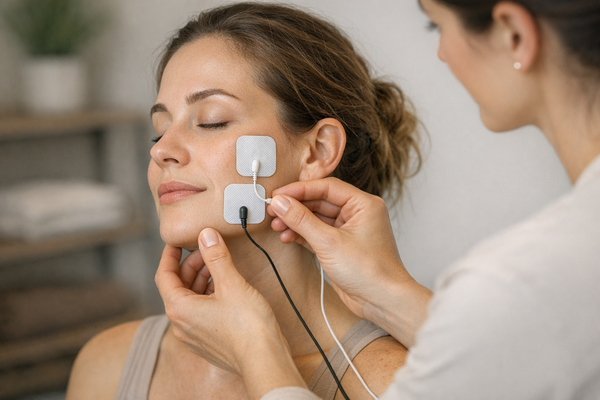
- Physical therapy or TMD massage: $75 – $150 per session. Therapists teach stretching exercises that release tight jaw muscles.
- Biofeedback devices: $30 – $200 for wearable buzzers or smartphone apps. They vibrate when you clench, reminding you to relax.
- Cognitive behavioral therapy (CBT) or stress counseling: $100 – $250 per hour. Because grinding often spikes with stress, mental health support can be a long game money saver.
- Orthodontics or dental reconstruction: $3,000 – $8,000 for standard braces, $15,000+ for full-mouth rehab. These are usually last-ditch efforts when grinding stems from a severe bite imbalance.
Upfront prices look intimidating, yet a cracked crown costs $1,000 a pop. Doing the math, a well-fitted $600 guard or a few Botox sessions can break even fast if they stop fractures.
Does Insurance Cover Bruxism?
Understanding Insurance Policies
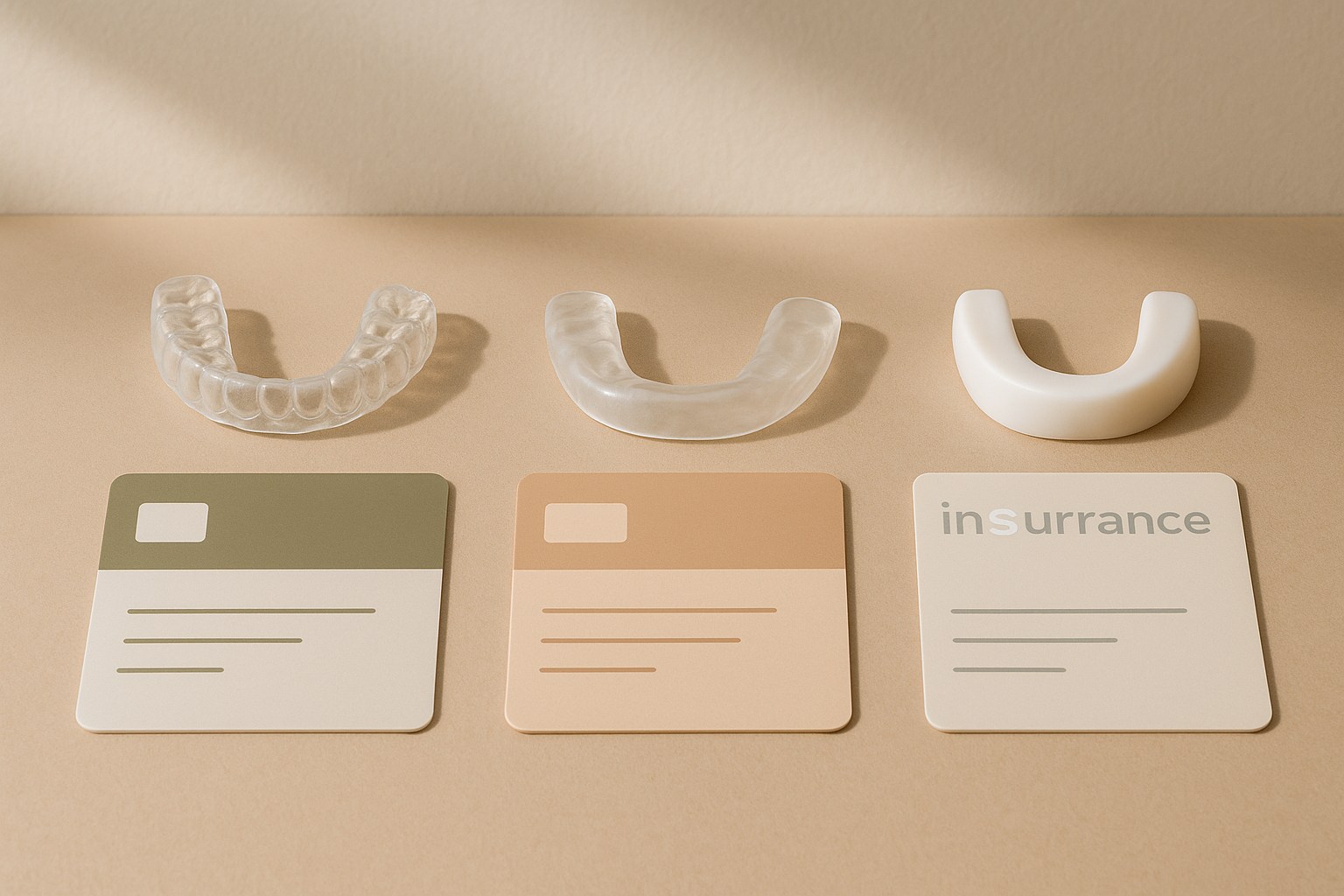
Dental and medical insurance treat bruxism a bit like a hot potato: each tries to pass the claim to the other. Most dental plans classify night guards as “occlusal appliances” and tuck them under major services. That usually means:
- Annual maximums: Many dental plans cap benefits at $1,000 – $1,500 per year. A single custom guard could eat the limit.
- Percentage coverage: The plan might pay 50 percent of a guard after you meet the deductible.
- Replacement frequency: Policies often allow one guard every two to five years. Lose it sooner and you pay out of pocket.
Medical insurance comes into play if grinding causes temporomandibular joint disorder or sleep disorders. The Cleveland Clinic notes that a physician’s diagnosis code can shift the claim from dental to medical, but approval rates vary widely. A handful of U.S. states (for example, New York and Minnesota) mandate coverage for TMD appliances under certain policies, so your ZIP code can literally change your bill.
Common Coverage Scenarios
- You have dental insurance only. Expect partial coverage for a custom guard, with the remainder counting toward your annual maximum. OTC guards are reimbursed rarely unless the plan offers a flexible spending arrangement.
- You have both dental and medical insurance. If your dentist documents jaw pain, headaches, or cracked teeth, medical insurance might cover part of the cost as a durable medical device. You will still owe co-pays and deductibles. For more insight into choosing between occlusal and night guards, compare their uses and costs.
- No insurance. Shop online direct-to-consumer labs or boil-and-bite guards while you budget for a professional appliance. Compare warranties—some labs replace chewed-through guards at reduced rates.
Delta Dental advises asking whether “occlusal guard” is under basic or major services because that single label changes your out-of-pocket share. Always request a pre-treatment estimate before committing.
Navigating Insurance for Bruxism Treatments
Questions to Ask Your Insurer
Insurance language can feel like a foreign dialect, so arm yourself with pointed questions:
- Is a night guard considered a preventive, basic, or major service on my plan?
- What is the exact procedure code used for an occlusal guard, and is prior authorization required?
- How often can I replace the guard under my policy?
- Does my plan differentiate between upper and lower guards for replacement purposes?
- Are alternative treatments such as Botox or physical therapy for TMD included under medical benefits?
- Will a documented diagnosis of sleep bruxism change coverage levels?
- Can I use funds from my flexible spending account (FSA) or health savings account (HSA) for OTC guards or massage therapy receipts?
Maximizing Your Coverage
- Get a formal diagnosis. Ask your dentist to document enamel wear, crack lines, or muscle hypertrophy in the chart. A precise narrative supports insurance appeals.
- Submit pre-authorization. This forces the insurer to reveal coverage limits before you spend a dime.
- Time treatment with annual maximums. If you already blew most of your dental benefits this year, schedule the guard for January to reset the clock.
- Lean on medical coding. If grinding triggers migraines or TMJ inflammation, ask your physician to code it as a medical condition. The reimbursement pot is often bigger on the medical side.
- Use tax-advantaged dollars. FSAs and HSAs reimburse guards, Botox for TMD, and sometimes stress management courses. Keep receipts and note product descriptions clearly.
- Appeal denials. Insurers sometimes reject guards automatically. A letter from your dentist explaining cracked restorations and projected future costs can tip the scales.
Read every explanation of benefits line by line. Catching a coding error early can save you hundreds. For those worried about the potential side effects of night guards, it's crucial to discuss concerns with your dentist to ensure optimal fit and comfort.
Cost-Effective Strategies for Managing Bruxism
DIY Approaches
If money is tight, start with habits that cost little or nothing:
- Daytime awareness drills. Set phone reminders hourly. When the alarm chimes, check if your teeth touch. They should hover apart unless you're chewing.
- Adopt a “lips together, teeth apart” mantra. Write L.T.T.A. on a sticky note and slap it on your monitor; the visual cue can break thousands of micro-clenches each workday.
- Chew sugar-free gum sparingly. It mimics clenching. Swap gum for sucking on xylitol mints to reduce jaw workload.
- Short-term use of OTC guards. While you save for a custom appliance, a $30 guard can prevent emergency fractures. If you're curious about making your own, learn about the safety of homemade night guards.
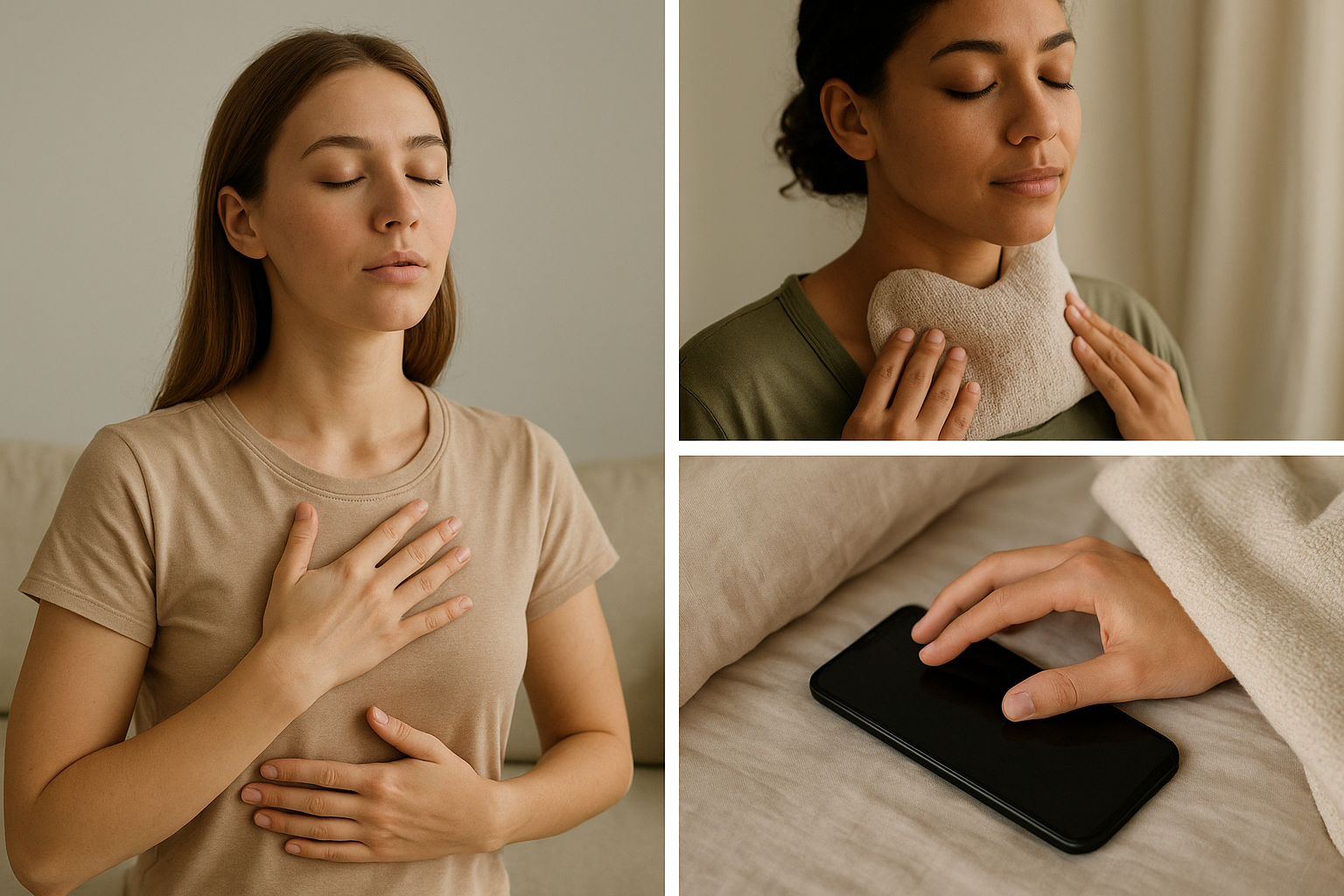
- Warm compresses. Five minutes against the cheeks before bed relaxes muscles and sets a calmer baseline.
Preventive Measures
Grinding has psychological roots too. Stress reduction beats plastic alone. A 2014 review by Biondi and Valentini found that relaxation training and biofeedback lowered muscle tension and anxiety levels. Applying that to bruxism, you can:
- Practice diaphragmatic breathing. Slow inhales and even slower exhales drop cortisol levels before sleep.
- Limit caffeine after 2 p.m. Stimulants keep jaw muscles twitchy long into the night. Discover why caffeine late at night is problematic for teeth grinders.
- Create a phone curfew. Remember the smartphone study linking screen time and grinding? Shut devices down one hour before bed to calm neural activity.
- Exercise regularly. Moderate cardio reduces stress hormones, translating into fewer clenching episodes.
- Track triggers. Keep a journal noting days when grinding feels worse. Patterns (work deadlines, alcohol nights) reveal themselves quickly.
These steps are cheap, and some (like breathing drills) are free. They might not replace a guard for severe grinders, but they can cut the frequency and intensity of episodes, adding life to any appliance you buy.
Bruxism Treatments
Conclusion
Clenching your teeth can feel like a minor quirk, yet the financial toll of cracked enamel creeps up fast. Custom night guards run $300 – $800, Botox injections hover around $600 a session, and alternative therapies carry their own price tags. Insurance may pick up part of the bill, but only if you decode policy jargon, secure pre-authorization, and appeal denials when they come. Use the questions and tactics above to squeeze every dollar out of your plan.
Meanwhile, inexpensive habits such as stress reduction, breathing drills, and limiting late-night screen time can slash grinding intensity. Combine lifestyle tweaks with a well-fitted guard and you protect both your molars and your wallet. In short, know your options, push your insurer for clarity, and start managing bruxism now rather than paying for crowns later.