
Waking up with jaw pain, headaches, or sensitive teeth isn’t something anyone should accept as “just normal.” For countless people, these symptoms trace back to bruxism—involuntary teeth grinding or jaw clenching during sleep. Night guards are a widely recommended solution. But a pressing question remains: do night guards actually help you sleep better, or can they sometimes get in the way?
This comprehensive guide explores how night guards can affect your sleep quality, answers common concerns, and empowers you with the knowledge you need to make the best choice for your oral and overall health.
What Is a Night Guard and Why Might You Need One?
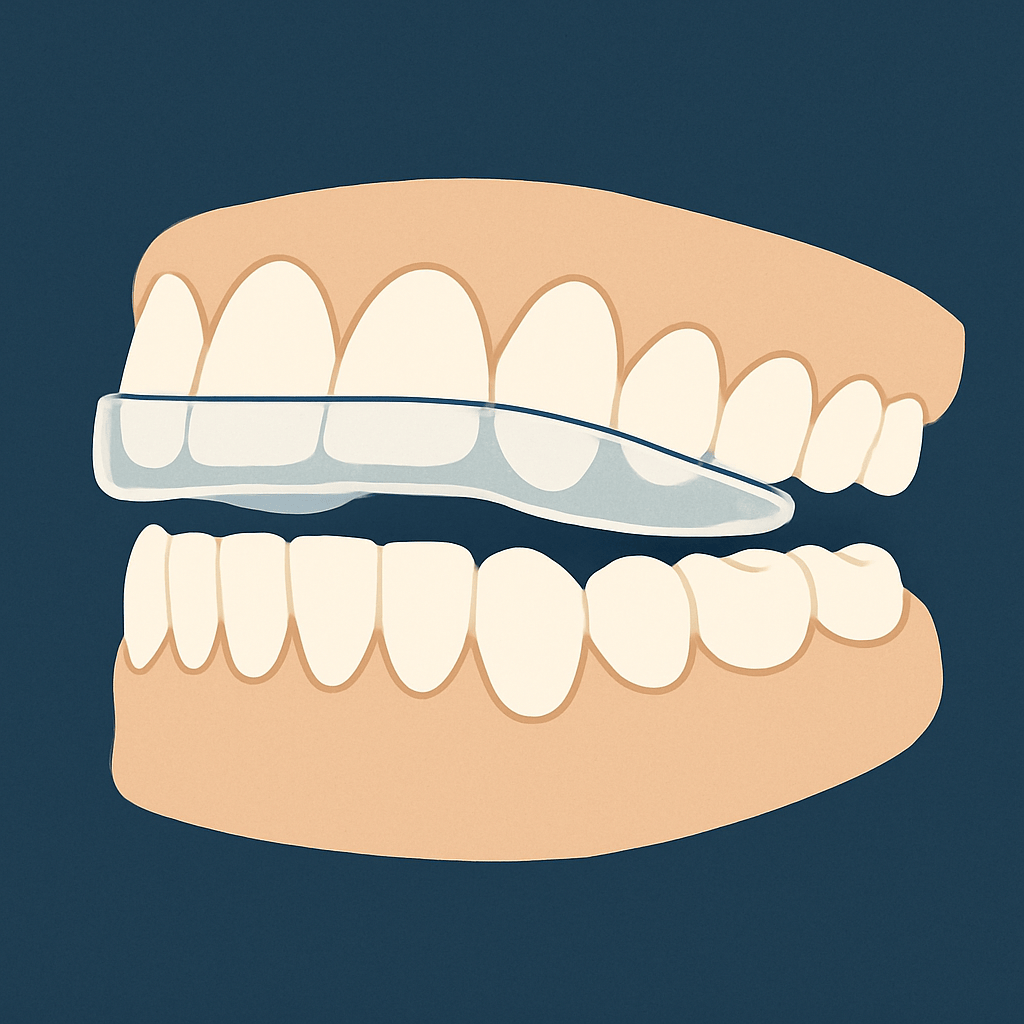
A night guard is a dental appliance designed to act as a barrier between the teeth, preventing the damage caused by grinding or clenching at night—activities often associated with bruxism and TMJ disorders. Custom-fit night guards are fabricated based on dental impressions for optimal comfort and efficacy, while over-the-counter versions offer more affordable but less personalized options.
- Primary Purpose: Protect tooth enamel, dental work, and relieve stress on the jaw muscles.
- Who Might Benefit? If you wake up with a sore jaw, tension headaches, tooth sensitivity, or notice chips and cracks on your teeth, a night guard may help. Some also use them for related sleep issues, like snoring or mild sleep apnea.
How Night Guards Can Improve Your Sleep
Let’s start with the good news. Multiple studies, as well as dental professionals, support the idea that night guards can have a positive impact on both your dental and general well-being:
- Jaw Muscle Relaxation and Less Pain: By cushioning the teeth and redistributing the pressure from clenching, night guards often reduce tension in the jaw. This can translate into fewer headaches, facial tension, and less ear pain from jaw clenching.
- Protection Against Dental Damage: They provide a layer between upper and lower teeth, protecting against wear, cracks, and broken fillings—which means less pain and fewer dental emergencies disrupt your sleep.
- Better Sleep Quality: When jaw discomfort and headaches are minimized, many users report waking up more refreshed. Reducing bruxism events may also improve sleep cycles and help prevent nighttime awakenings caused by grinding noises or discomfort.
- Potential Relief from Related Symptoms: Research and patient experience suggest that alleviating bruxism may also help with TMJ-related symptoms, like jaw pain (sometimes even when it’s related to wisdom teeth), and postural discomfort extending to the neck and upper back.
Can Night Guards Interfere with Sleep?
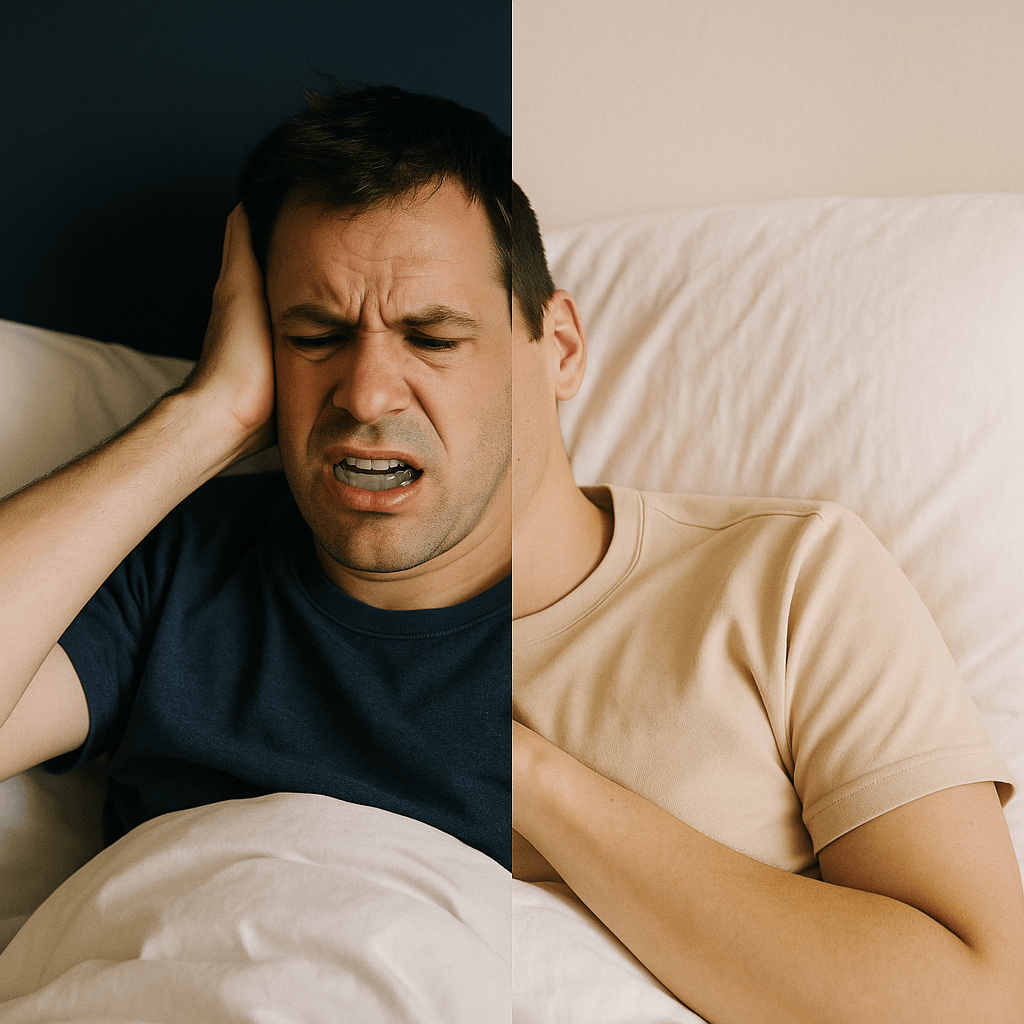
While many enjoy better sleep with a night guard, initial adjustment is common. Some potential challenges include:
- Discomfort or Bulkiness: Especially if a night guard is not custom-made, it may feel awkward or bulky at first. This can cause drooling, gagging, or minor sleep disruption while you adjust.
- Breathing or Snoring Changes: Rarely, some people find a night guard can affect their tongue position or airway, especially if the device isn’t fitted precisely. For those with underlying sleep apnea, a specialized mandibular advancement device may be more appropriate—always consult your dentist for guidance.
- Impact on Sleep Hygiene: If a night guard isn’t kept clean (such as by using vinegar solutions), bacteria can build up, potentially affecting oral health and comfort at night.
Importantly, custom-fit night guards are less likely to cause ongoing discomfort. If you have persistent pain, difficulty breathing, or trouble sleeping with a night guard even after a period of adjustment, see your dental professional.
Expert Tips for Adjusting to Your Night Guard
Transitioning to sleeping with a night guard doesn’t have to be a struggle. Here are practical suggestions:
- Choose the Right Type: Soft guards work for mild bruxism, while hard or dual-layer varieties are better for severe clenching. Work with your dentist to tailor the choice to your symptoms—including concerns like ear pain or jaw pain that may stem from teeth grinding.
- Give It Time: It can take days to weeks to fully acclimate. Start by wearing your guard for short periods before bed, then gradually increase the duration.
- Maintain Rigorous Oral Hygiene: Always clean your night guard thoroughly with cool water and a soft brush after each use. For a deeper clean, try a mix of gentle soap or vinegar (rinse thoroughly). Never use hot water as it may warp the device.
- Monitor for Fit Issues: If your night guard feels loose, pinches, or causes more pain than your jaw clenching ever did, return to your dentist for a checkup and possible adjustment.
- Keep Dental Checkups Regular: Bring your night guard to appointments. Your dentist can check for wear and ensure it still fits as your dental anatomy changes.
What If You Experience Ongoing Discomfort?
Temporary soreness is common, but ongoing problems are not. Persistent jaw, gum, or ear pain related to jaw clenching or use of your night guard requires a professional’s attention. Sometimes, adjunct therapies like jaw Botox for teeth grinding or alternative devices may be necessary.
Night Guards and Scientific Evidence: What Do Studies Say?
Scientific reviews and clinical experience support the use of night guards, especially custom-fitted ones, for improving symptoms from bruxism and TMJ disorders. The documented benefits include:
- Reduced risk of dental injury
- Lower incidence of jaw pain and morning headaches
- Subjective improvements in sleep quality for many patients
Conversely, most negative reactions are linked to ill-fitting, store-bought guards. That’s why involving a dental professional is strongly recommended—they can also rule out sleep apnea or other causes of poor sleep that require different approaches.
Should I Use a Night Guard? Next Steps for Better Sleep and Oral Health
No device is right for everyone. If you experience bruxism symptoms—whether it’s worn teeth, tension headaches, ongoing ear or jaw pain, or disturbed sleep—consult with a dental professional for a full evaluation. A dentist can:
- Assess if your symptoms are due to bruxism, TMJ, jaw pain due to wisdom teeth, or another condition
- Recommend the best night guard for your needs and anatomy
- Guide you to other treatments, such as physical therapy or Botox for teeth grinding if indicated
Conclusion: Taking Charge of Your Sleep and Smile
Night guards, when well-chosen and properly adjusted, are a proven tool to reduce the harm from bruxism and jaw clenching—often improving sleep quality in the process. While some users need time to adjust, most find significant relief from pain, tooth damage, and sleepless nights. Remember, persistent discomfort or new symptoms always warrant a professional review. By taking a collaborative, personalized approach with your dentist, you can protect your smile and get the restful sleep you deserve.
 Grind My Teeth
Leave a comment