

Waking up with jaw pain, ear discomfort, or even headaches is more common than you might think—and teeth grinding (bruxism) often sits at the root of these frustrating symptoms. If you’ve noticed your jaw looking more prominent or your facial shape shifting, you’re not alone in wondering: Does bruxism actually change the size or shape of my jaw?
This evidence-based guide explores the science behind bruxism and facial changes, sheds light on what you can expect, and offers practical steps to care for your oral health, jaw comfort, and appearance. Whether you’re struggling with ear pain from jaw clenching, want to know about night guards (and how to clean them with vinegar), or are considering jaw Botox for teeth grinding, you’ll find clear answers here.
How Teeth Grinding Affects the Jaw and Face
Muscle Hypertrophy: When Your Jaw Muscles “Bulk Up”
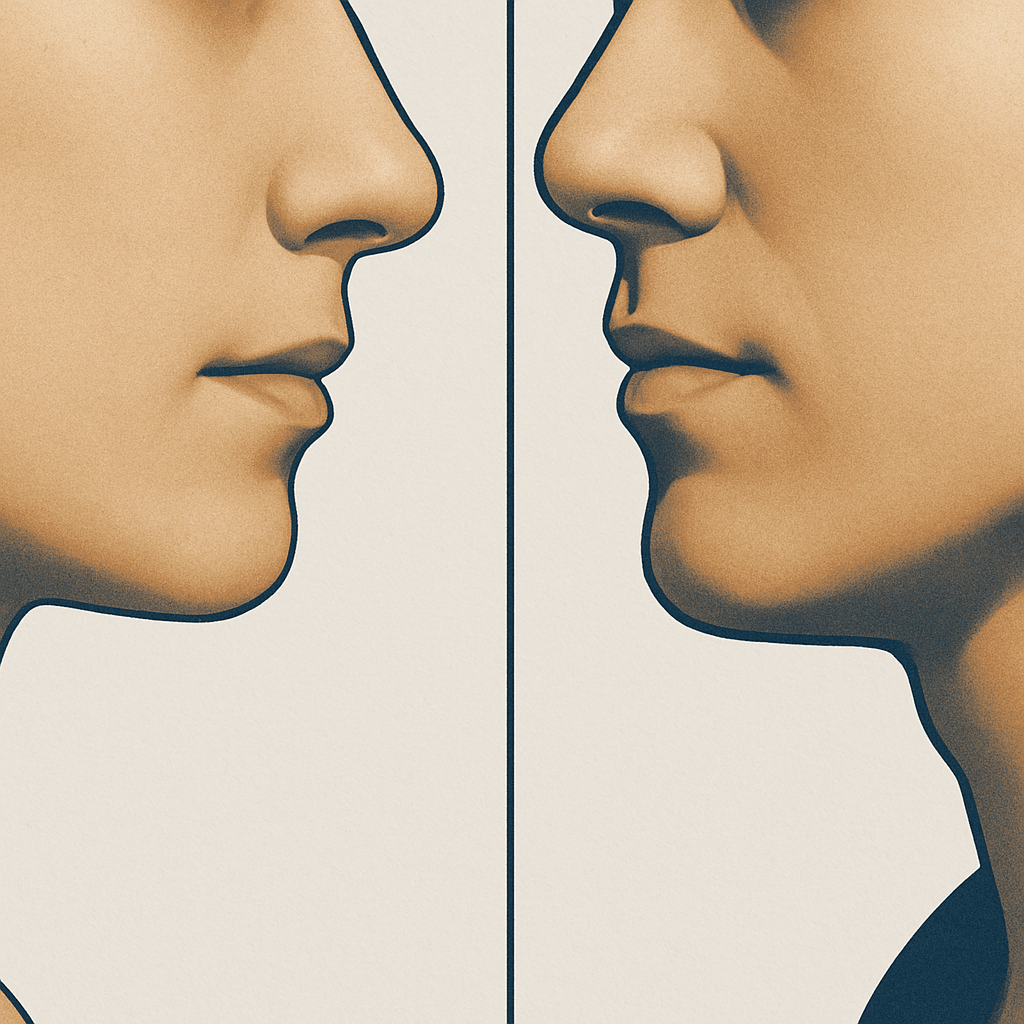
The most obvious change for many long-term teeth grinders is an increase in jaw width or a more “square” face. This effect is due to hypertrophy of the masseter muscles—the powerful muscles responsible for chewing. Just as regular workouts can build biceps, repeated jaw clenching (even subconsciously during sleep or stress) can enlarge these muscles over time.
- Key symptoms: Wider or squarer jawline; feelings of jaw tightness; possible TMJ clicking or discomfort.
- Additional changes: Some people also report one side of the jaw becoming larger than the other (asymmetry), especially if grinding or clenching is uneven.
Tooth Wear and Changes in Facial Structure
Beyond muscle changes, persistent bruxism causes dental wear: teeth become flattened, chipped, or shortened. Over years, this can subtly change facial proportions—your chin and nose may appear closer, and your smile may lose its natural shape. Advanced wear may even cause your bite to “collapse,” leading to a shrunken lower face and premature wrinkles around the mouth.
Does Teeth Grinding Change Bone Structure?
This is a common worry, but the good news is: grinding does not typically alter your jawbone itself. The shape and size of the jawbone are set by genetics and, after adolescence, rarely change aside from injury or major dental disease. Most visible enlargement is muscle, not bone. However, rare and severe cases of bruxism—especially if compounded by missing teeth—might contribute to bone remodeling over decades, but for the vast majority, it’s muscle bulk and tooth wear driving changes in appearance.
Bruxism, TMJ, and Ear Pain: The Connection
Chronic jaw clenching can stress the temporomandibular joint (TMJ), leading to TMJ disorders. TMJ conditions can cause jaw pain, clicking, headaches, facial asymmetry, and referral pain to the ears. If you’re wondering, “Can bruxism cause ear pain?“, the answer is yes—it’s a common complaint and often gets mistaken for an ear infection.
Treatments That Help Protect Your Jaw and Face

Night Guards: First Line of Defense
Custom-fit night guards are recommended by most dental professionals as the primary method to protect teeth and jaw muscles from the damaging effects of bruxism. By cushioning the bite, they reduce wear on your teeth and lessen strain on your jaw muscles.
- How to clean night guard with vinegar: Soak your night guard in equal parts white vinegar and water for 30 minutes, then rinse and brush gently with a soft toothbrush. Allow to air dry completely to prevent bacteria growth.
Reducing Muscle Hypertrophy
- Jaw Botox for teeth grinding: Botox injections into the masseter muscles can relax the jaw, reduce clenching, and help slim a square jawline caused by muscle overuse. Most results last 4–6 months and can be repeated; however, Botox doesn’t cure bruxism—it treats symptoms and appearance. Evidence shows it can improve comfort and facial symmetry, but is best paired with addressing root causes.
- Relaxation and stress management: Because stress and anxiety are major drivers of awake and sleep bruxism, techniques like mindfulness, meditation, and counseling may help reduce episodes of clenching.
- Address triggers: Rule out medical causes like sleep apnea, medication side effects, or misaligned teeth with your dentist.
If You Notice Facial Changes or Pain, Act Early
- Don’t ignore new facial asymmetry, swelling, or sudden jaw changes. Rapid changes can rarely signal infection or other serious problems needing urgent dental or medical assessment.
- Persistent ear pain, jaw or face clicks, headaches, or limited jaw opening should always prompt a visit to a qualified dentist or TMJ specialist.
What About Jaw Pain From Wisdom Teeth?
Jaw pain due to wisdom teeth is another frequent concern. Impacted or infected wisdom teeth can cause pain radiating to the jaw, ear, and even the head. Unlike bruxism, this pain is usually sharp or throbbing and may be accompanied by gum swelling or difficulty chewing. If you suspect wisdom teeth are the culprit, consult your dentist for evaluation and guidance.
Empowering Next Steps and Prevention
- Wear a well-fitted night guard, especially if you have known bruxism or are noticing facial changes. (we recommend and are partnered with Pro Teeth Guard)
- Address stress proactively with healthy coping strategies.
- Consider jaw Botox if muscle hypertrophy is affecting your appearance and comfort—but do so with a specialist.
- Maintain regular dental checkups for early detection and intervention.
Conclusion
Persistent teeth grinding can absolutely change the appearance of your jaw and face—but it’s primarily due to muscle buildup and dental wear, not bone enlargement. Protecting your teeth and jaw starts with recognizing the signs, using night guards diligently, managing stress, and seeking expert care if you notice pain, ear symptoms, or aesthetic concerns.
Early intervention isn’t just about comfort or appearance; it helps you preserve your natural bite—and contributes to your overall health and confidence. If you’re ready to regain control, explore our unbiased guides to night guard options, bruxism treatments, and oral health strategies, make sure you’re subscribed for new posts!
 Grind My Teeth
Leave a comment