

Waking up with a sore jaw, aching ears, or struggling to chew shouldn’t be part of your daily routine. If you’re dealing with TMJ (temporomandibular joint) disorder—often marked by jaw pain, ear discomfort, headaches, or even jaw clenching—finding relief is a top priority. Among the non-invasive remedies recommended by dental and orofacial pain specialists, heat therapy stands out as a simple yet effective way to alleviate TMJ symptoms at home.
But how does heat treatment actually work for TMJ pain? When is it most effective—and is it always the right choice? In this comprehensive guide, we’ll walk you through:
- How heat therapy helps manage TMJ disorder
- Safe and effective ways to apply heat
- When to use heat versus cold therapy
- Integrating heat treatment into your broader TMJ care plan
- Potential cautions—and when to seek specialized help
Our goal: to give you clear, trustworthy guidance so you can make informed decisions about relieving your pain and supporting long-term jaw health.
Understanding TMJ Pain: Causes and Symptoms
The temporomandibular joints connect your jawbone to your skull, enabling movements like chewing, talking, and yawning. TMJ disorders (sometimes called TMD) occur when these joints, or the surrounding muscles, become irritated or dysfunctional. Common causes include:
- Jaw clenching or teeth grinding (bruxism)
- Stress (leading to muscle tension)
- Jaw injury or arthritis
- Dental issues like misalignment or impacted wisdom teeth
- Chronic inflammation or overuse
Symptoms often go beyond jaw pain. Many people experience:
- Ear pain or a feeling of fullness
- Clicking, popping, or locking of the jaw
- Headaches, neck pain, or facial soreness
- Pain when chewing or moving the jaw
- Tinnitus (ringing in the ears)
For some, this discomfort is tied to specific triggers like jaw clenching at night, use of a night guard, or wisdom tooth pain.
How Does Heat Therapy Alleviate TMJ Discomfort?

Heat therapy uses warmth to relax tight muscles and improve blood flow around the jaw. Here’s what makes it particularly effective for TMJ:
- Muscle Relaxation: Heat gently loosens overworked or spasming jaw muscles, relieving tension caused by clenching or grinding.
- Improved Circulation: Warmth increases blood flow to the TMJ area, which can help reduce stiffness and speed healing of minor tissue irritation.
- Pain Relief: Enhanced blood flow brings natural pain-relieving chemicals to sore areas and helps clear away metabolic waste, often reducing pain intensity.
- Stress Reduction: The simple comfort of warmth can help ease anxiety—a major contributor to jaw clenching and bruxism.
The bottom line: Heat helps break the cycle of pain, tension, and inflammation, so your jaw can begin to recover.
Safe Heat Therapy: Step-by-Step Instructions
Proper technique is crucial. Here’s how to use heat safely for TMJ relief:
- Choose Your Heat Source:
- Moist heat packs (like a microwavable gel pad or towel)
- Electric heating pads with temperature control
- yourTMJ Pen (this is an affiliate partner brand of ours that we HIGHLY recommend, it’s innovative and very much in line with our mission to help everyone suffering with TMJ / bruxism.)
- Warm (not hot) washcloths
- Test the Temperature: The heat should feel comfortably warm, not hot or burning. Always test on your inner wrist first.
- Apply to the Jaw Area: Place the heat pack along the side of your face, over the jaw joints (in front of your ears), and down toward your jaw muscle (masseter). Avoid direct contact with bare skin for extended periods.
- Use for 15-20 Minutes: Apply heat for up to 20 minutes, then remove for at least 20 minutes before reapplying.
- Repeat 2-3 Times Daily: Especially during flare-ups, regular use may provide the most relief.
Note: If you have numbness, poor circulation, or sensitive skin, check with your healthcare provider before using heat therapy. Never fall asleep with a heating device on your skin.
Heat vs Cold: When to Choose Each for TMJ Pain
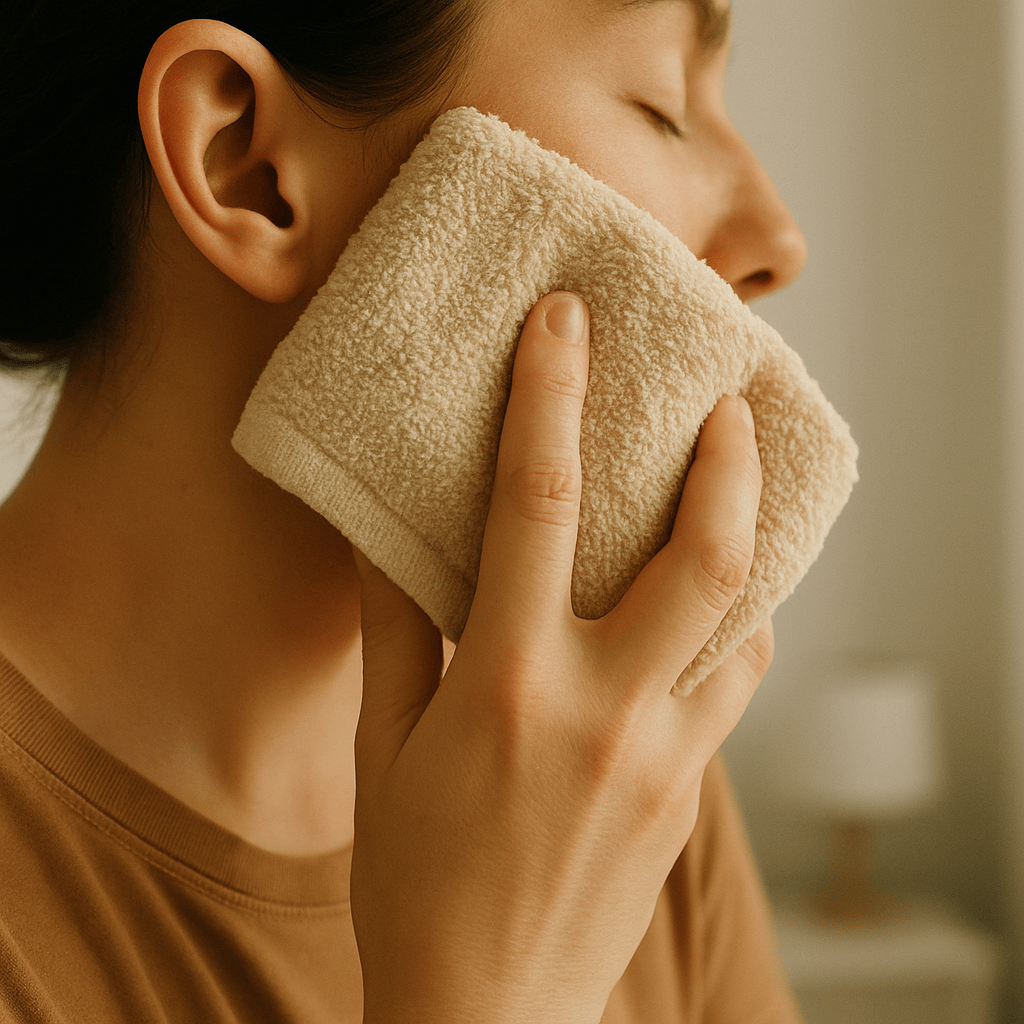
Both heat and cold therapies can be useful, but when should you use which?
- Heat Therapy: Best for muscle tension, chronic jaw tightness, or soreness from ear pain jaw clenching. It soothes tightness and promotes circulation.
- Cold Therapy: Use a cold pack or ice wrap if you have recent jaw injury, new swelling, or sharp pain. Cold reduces inflammation and can temporarily numb intense discomfort.
For many TMJ sufferers, alternating heat and cold (never together) can offer balanced relief. If in doubt, start with heat for tension or chronic pain—but use cold if you notice swelling or your jaw feels inflamed after use.
If you want to go straight to a highly specialized tool, we highly recommend our affiliate partner brand yourTMJ Pen, and you can get $15 off with code GRINDMYTEETH at checkout.
Integrating Heat with Other TMJ Home Care Strategies
For lasting relief, combine heat therapy with a comprehensive TMJ care plan. Consider these approaches:
- Jaw Exercises: Gentle stretches and movements promote mobility and reduce stiffness. Ask your dental or physical therapy team for safe routines.
- Good Sleep Hygiene: Manage jaw clenching at night with an appropriate night guard—be sure to clean your night guard with vinegar routinely to prevent irritation and infection.
- Stress Reduction: Practice relaxation, mindfulness, or stress-management exercises to lessen clenching during the day and night.
- Diet Adjustments: Stick to softer foods during flare-ups—minimize gum, tough meat, or very chewy foods.
- Address Dental Issues: If jaw pain due to wisdom teeth or misalignment is suspected, a dental evaluation is crucial.
These approaches are supported by leading TMJ specialists and can be tailored for your unique needs. If over-the-counter steps are not enough, options like physical therapy, custom oral appliances, or targeted therapies (e.g., jaw Botox for teeth grinding) may help.
Risks and When to Seek Professional TMJ Care
Heat therapy is generally safe, but it’s important not to:
- Overheat skin (which can lead to burns or irritation)
- Use heat if you have unexplained jaw swelling or acute injury
- Ignore persistent, worsening, or spreading pain (especially if associated with ear pain, hearing changes, or facial swelling)
Seek prompt evaluation if you experience:
- Severe jaw pain that does not improve with home care
- Locking of the jaw (cannot open or close mouth comfortably)
- Unexplained weight loss, new lumps, or ongoing fever
- Signs of infection (pus, redness, swelling, or fever)
Remember: TMJ symptoms can overlap with other medical conditions. A thorough exam by your dentist, family doctor, or orofacial pain specialist will ensure accurate diagnosis—and help you avoid unnecessary procedures.
Conclusion: Incorporating Heat into Your Personalized TMJ Relief Plan
TMJ pain is more than a minor annoyance—it often impacts sleep, daily comfort, and emotional well-being. Heat treatment offers a practical, low-risk way to break the cycle of jaw tension and pain, especially for those who struggle with ear pain jaw clenching or chronic muscle tightness. It works best when combined with lifestyle adjustments, professional dental care, and a clear plan for ongoing symptom management.
If you’ve been using heat consistently with limited improvement—or if your pain worsens—don’t wait. Consult a qualified dental or orofacial specialist to rule out other issues such as infection, wisdom teeth problems, or severe bruxism. Our long-term mission remains not just to manage jaw pain, but to advance effective prevention and treatment for everyone affected by TMJ issues.
Ready to take control of your jaw comfort? Start with safe, evidence-based steps at home, but reach out for help if your symptoms persist. Your path to healing—and better mornings—begins today.
 Grind My Teeth
Leave a comment