
Waking up with jaw tightness, ear pain, or a dull headache? If you’re one of the millions struggling with TMJ (temporomandibular joint) disorder, you know how much it can drain your days and disrupt your nights. While science continues seeking a true cure for bruxism and TMJ dysfunction, mouth guards – when chosen and used correctly – remain a frontline defense against jaw clenching, teeth grinding, and related discomforts. But with so many options on the market, from custom splints to drugstore night guards, how do you find the best mouth guard for your unique TMJ needs? In this evidence-based guide, we walk you through the latest expert recommendations, proven options, and practical solutions to help you reclaim pain-free mornings and restful sleep.
Understanding TMJ: Why Mouth Guards Matter
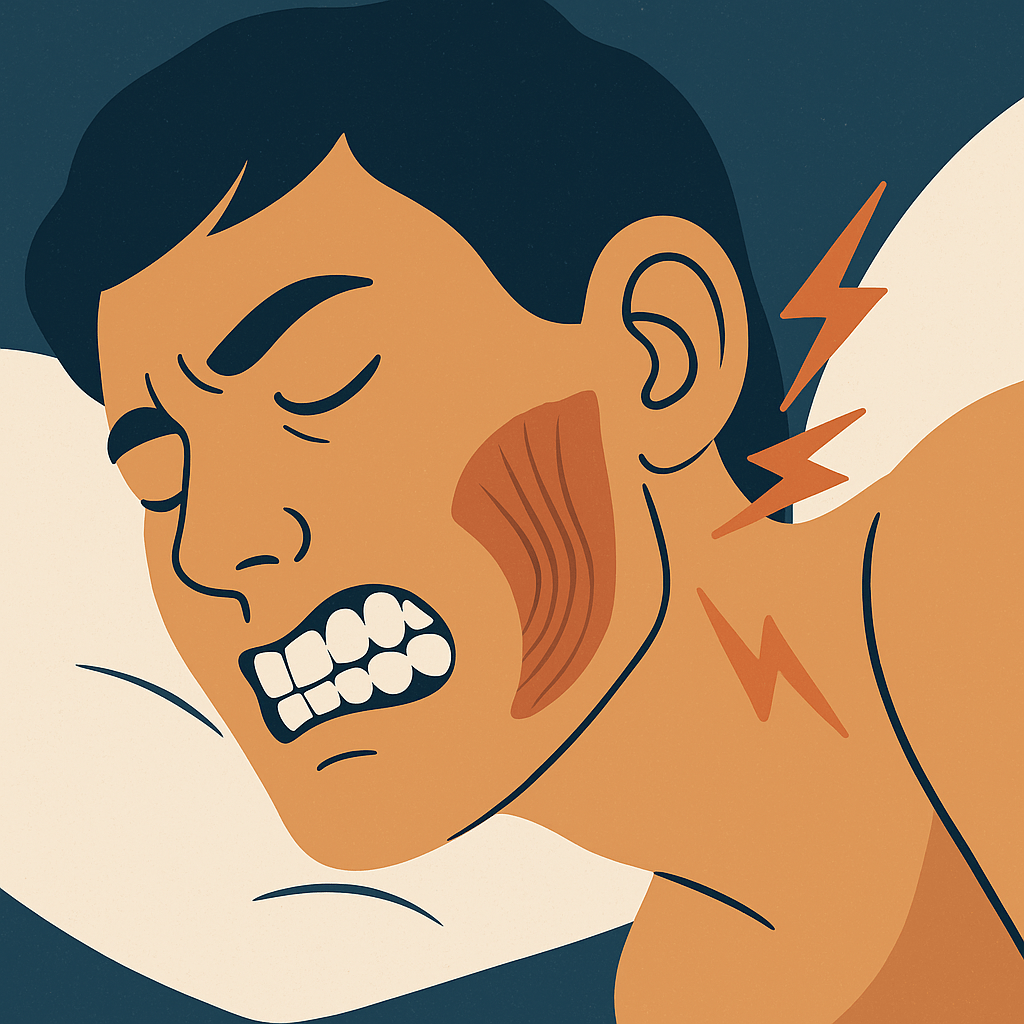
TMJ disorder arises when the jaw joint and surrounding muscles become strained, inflamed, or misaligned. Symptoms go beyond jaw pain—they may include ear pain from jaw clenching, jaw clicking, facial aches, headaches, and trouble sleeping. In some cases, bruxism (nighttime teeth grinding) not only harms enamel but may also radiate pain to the ear canal, making sufferers question, can bruxism cause ear pain? The answer: yes, it often can.
Dentists and orofacial pain specialists often recommend mouth guards (or “oral splints”) as a conservative, reversible therapy to limit teeth grinding, relax the jaw muscles, and reduce pressure on the joint. But not all mouth guards are equal – and using the wrong type can actually worsen symptoms or disrupt your bite alignment over time.
Types of Mouth Guards for TMJ: Pros and Cons
Navigating the crowded world of oral appliances starts with knowing the basic types:
- Over-the-Counter Night Guards: These include “boil-and-bite” or stock guards found in most pharmacies. While affordable and accessible, they often fit poorly, may increase jaw clenching, and lack durability. For some, soft plastics can actually trigger more grinding instead of less.
- Custom-Fit Night Guards: Made by a dental professional using impressions or 3D scans of your teeth, these provide a precise fit, optimal comfort, and adjustability. They’re especially recommended for moderate to severe TMJ or bruxism cases, and may be covered partially by dental insurance.
- TMJ Splints or Orthotic Appliances: These advanced, dentist-prescribed devices are tailored to correct joint alignment or support healing after acute injury. They come in variations like stabilization splints, repositioning splints, or anterior bite planes. Each design targets different sources of TMJ pain, so dental diagnosis is key.
- Sleep Apnea Oral Appliances: For individuals with both TMJ issues and mild to moderate obstructive sleep apnea, specialized mouth guards can advance the jaw or retain the tongue to keep airways open. Not all are appropriate if you have TMJ instability, so consult both your dentist and sleep specialist.
How to Choose the Best Mouth Guard for TMJ Relief
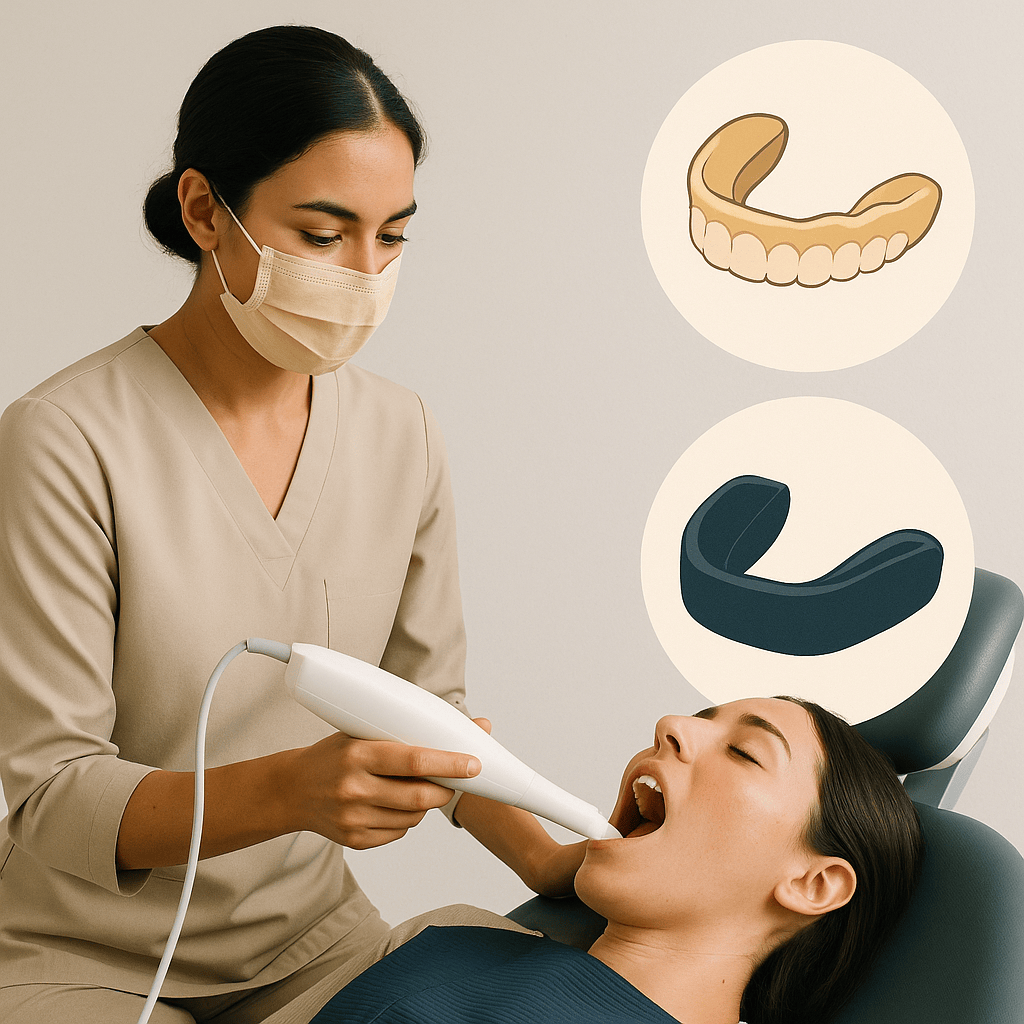
1. Get the Right Diagnosis
TMJ is not a one-size-fits-all condition—there are over 30 distinct disorders grouped under the TMD umbrella. Is your pain acute or chronic? Does it stem from the joint, the muscles, or both? A qualified dentist or orofacial pain specialist can help you pinpoint what’s happening, which is critical because the best mouth guard for TMJ pain depends on your precise diagnosis.
2. Consider Your Symptoms and Severity
For acute jaw pain (such as after dental work, injury, or a new bout of grinding), a temporary anterior bite plane or semi-custom short-term device may help relax jaw muscles and allow inflammation to cool down. Chronic, baseline pain may require a custom-fabricated stabilization or repositioning splint, with regular dental monitoring.[3]
3. Weigh Custom vs. OTC Options
- Custom Guards: Superior comfort, effectiveness, and safety. Designed for your mouth and modified as your symptoms change. Ideal for persistent or severe TMJ cases.
- OTC Guards: Useful as a short-term, stopgap measure if you need immediate protection or as a trial before seeing a specialist. Not recommended for ongoing TMJ pain without supervision.

4. Materials and Fit Matter
- Material: Hard acrylic is often chosen for severe grinders or for muscle relaxation, while dual-layer (soft inside, hard outside) “hybrid” guards may suit mild cases. Soft guards are less durable and may invite more clenching.
- Fit: A guard that’s bulky, loose, or causes discomfort can do more harm than good. Always ensure snug, even contact and never ignore new bite changes, pain, or tooth movement.
- Feature to Seek: Easy cleaning (see our guide on how to clean night guard vinegar methods), a ventilated storage case, and good access for periodic inspection by your dental provider.
Top Mouth Guard Designs for TMJ Relief
Here’s a quick breakdown of the most proven designs—always to be selected and reviewed with expert input:
- Stabilization Splints: Also called permissive or flat-plane splints, these prevent tooth contact and allow jaw muscles to relax. Most frequently used for bruxism and muscle-driven TMJ pain.
- Repositioning Splints: Designed to shift and hold the lower jaw into an alignment that relieves joint stress—especially for disc displacements or certain arthritis cases. To be used under strict dental supervision.
- Anterior Bite Planes: Cover only the front teeth to reduce clenching, best used short-term for acute pain or as diagnostic aids. Long-term use can risk unwanted tooth movement.
If you struggle with jaw pain due to wisdom teeth or post-extraction discomfort, consult your dentist first—pain may be from local inflammation, not TMJ dysfunction. Similarly, for jaw botox for teeth grinding or complex TMD management, mouth guards are often part of a broader treatment plan that may include physical therapy, habit modification, medication, or even botulinum toxin injections.[4]
Practical Tips for Night Guard Success
- Practice nightly wear—It can take a week or more to adjust. If you wake with more pain, swelling, or ear discomfort, call your dentist.
- Clean daily—Use cool water, gentle soap, or follow expert recommendations for night guard vinegar cleaning to prevent bacteria buildup. Avoid hot water that can warp your device.
- Monitor fit and wear—Bring your guard to every dental checkup. Replace OTC guards at signs of wear; custom guards can last several years with good care.
- Combine with behavioral strategies—Daily jaw stretches, managing stress, and addressing underlying dental issues will maximize pain relief and oral health.
When to Seek Professional Help
Never “DIY” chronic or severe jaw pain. If you’re experiencing symptoms like persistent ear pain from jaw clenching, new jaw locking, or worsening headaches, don’t ignore them. Especially if you notice new symptoms after dental work, wisdom tooth extraction, or a recent increase in stress, professional evaluation can prevent acute jaw issues from turning chronic.
Conclusion: Empower Your TMJ Relief Journey
While researchers continue the quest for a root-cause cure for bruxism and TMJ disorders, mouth guards remain a valuable tool—but only when chosen wisely and with expert guidance. Your path to relief starts with accurate diagnosis, a well-fitted device, and close follow-up.
 Grind My Teeth
Leave a comment