

If you grind your teeth at night and don’t want to spend hundreds of dollars on a custom dental appliance, it might be tempting to search YouTube or TikTok for a DIY solution. After all, how hard could it be to make a night guard at home?
The truth is, while homemade night guards might sound like a creative hack, they often come with significant risks to your teeth, jaw, and sleep health. In this article, we’ll break down what people mean when they talk about DIY night guards, whether any safe options exist, and why most experts recommend avoiding home-made dental appliances.
What Is a Homemade Night Guard?
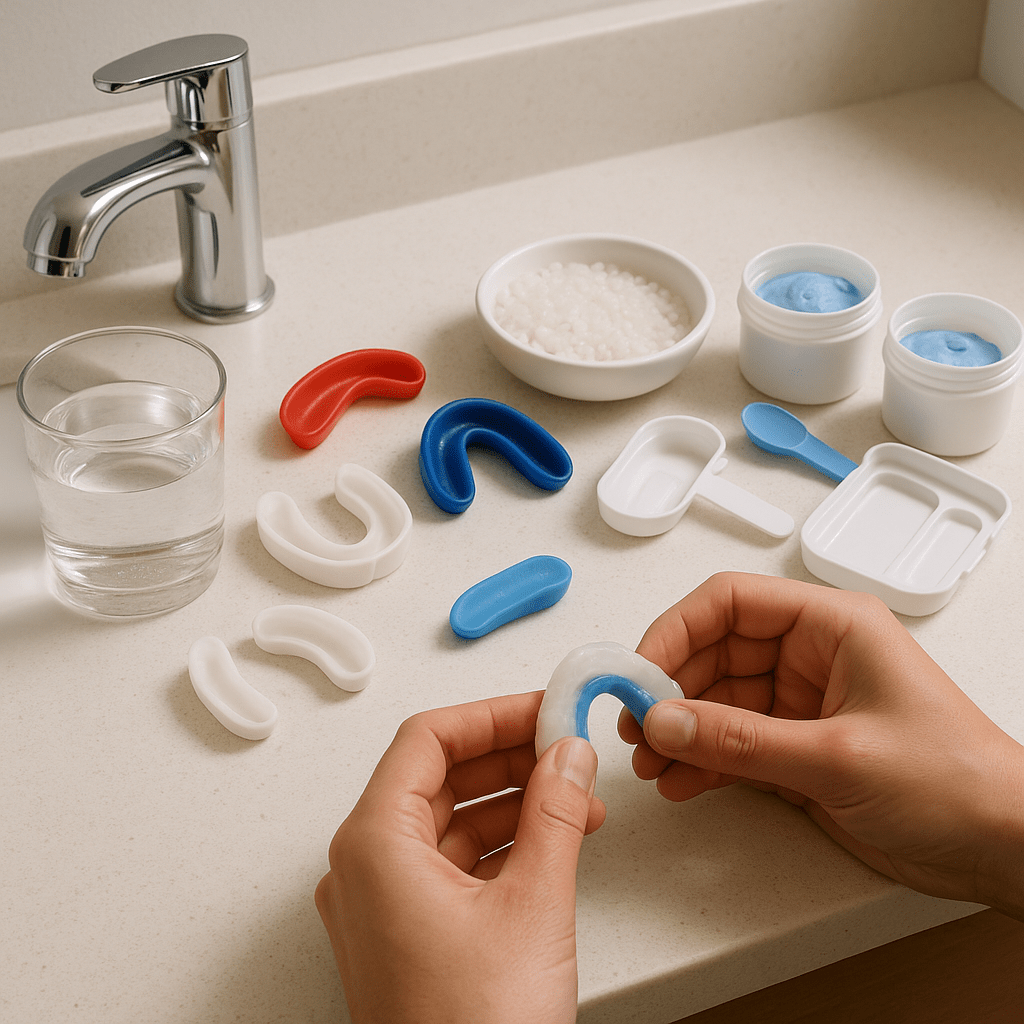
A homemade night guard is any self-created device meant to protect the teeth from grinding or clenching during sleep—typically made without the involvement of a dentist or professional lab.
Common DIY attempts include:
- Molding mouth guards using household materials like hot water and plastic trays
- Using sports mouthguards bought at sporting goods stores
- Melting plastic beads (like thermoplastic pellets) into molds
- Using wax, putty, or silicone dental kits meant for whitening trays
- Cutting and reshaping store-bought boil-and-bite guards
These DIY approaches are often promoted in forums or social media as cheap alternatives to custom dental night guards—but they come with major downsides.
Why People Try Making Their Own Night Guard
The main reason is simple: cost.
A professionally made custom night guard can range from $300 to $800 when ordered through a dentist. Some people want to avoid that cost and take matters into their own hands.
Other reasons include:
- Convenience — Wanting a quick fix without waiting weeks
- Experimentation — Seeing if a guard helps before investing in one
- TikTok trends or influencer content promoting DIY dental hacks
- Distrust of dentists or medical providers
While the motivation is understandable, DIY dental gear often creates more problems than it solves.
The Dangers of Homemade Night Guards
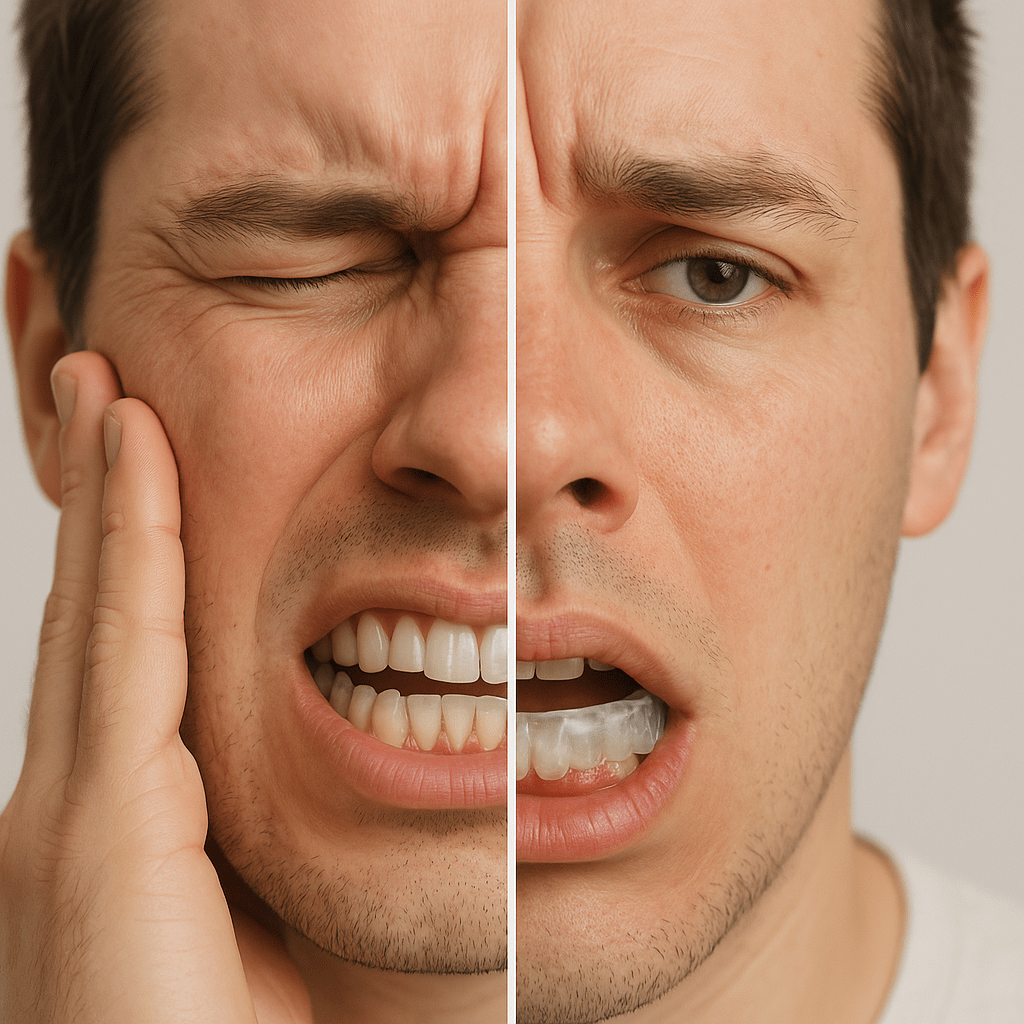
Night guards are not just about protecting your teeth—they’re about proper alignment, jaw function, and long-term health. Even small inaccuracies in fit can cause real damage over time.
🔻 1. Improper Fit
A poorly fitting night guard can:
- Cause jaw pain or TMJ issues
- Lead to tooth movement or bite changes
- Exacerbate clenching or grinding
- Create pressure points that damage enamel
🔻 2. Breathing Risks
Some homemade guards are bulky or unstable, making it harder to:
- Breathe through your mouth
- Maintain a normal sleeping posture
- Avoid choking hazards if the material dislodges
🔻 3. Tooth Damage
Hard or uneven plastic may:
- Chip or crack your teeth
- Rub against the gums and cause irritation or bleeding
- Trap bacteria and cause bad breath or gum disease
🔻 4. No Clinical Oversight
A dentist doesn’t just make a mold—they evaluate:
- Your bite alignment
- Signs of bruxism severity
- The presence of sleep apnea, which changes the treatment approach
Without that clinical evaluation, a DIY guard might be covering up symptoms that need deeper attention.
What About Over-the-Counter Night Guards?
While not “homemade” in the strict sense, many people confuse DIY night guards with boil-and-bite guards sold online or in stores.
Boil-and-bite guards:
- Are made of soft thermoplastic
- Are molded at home by heating and biting
- Cost $20–$60
Pros:
- Affordable
- Widely available
- Better than nothing for light grinders
Cons:
- Often bulky or ill-fitting
- Break down quickly
- Can actually worsen clenching for some users
- Still lack professional oversight
They’re a better option than homemade hacks—but still not ideal for long-term use if you grind severely or experience jaw pain.
Safer Alternatives to Homemade Night Guards
If you’re on a budget or can’t get to a dentist right now, here are some safer steps you can take while avoiding the dangers of homemade guards.

✅ 1. Custom Lab-Made Night Guards (Direct-to-Consumer)
These brands offer a smart middle ground:
- You order an at-home impression kit
- Send your mold to their lab
- Receive a custom-fit guard for $100–$150
These are legitimate options made by dental technicians and offer a much higher level of fit and safety than DIY projects.
✅ 2. Stress Reduction Techniques
Since stress is one of the main causes of nighttime grinding, consider:
- Guided meditation before bed
- Cognitive behavioral therapy (CBT) for anxiety
- Sleep hygiene improvements (no screens, caffeine, or alcohol late at night)
These techniques can reduce the frequency and intensity of grinding and clenching.
✅ 3. Oral Exercises or Jaw Massage
- Myofunctional therapy to retrain jaw position
- TMJ-focused physical therapy
- Gentle jaw and neck stretches before bed
These may help especially if your grinding is related to muscle tension or poor posture.
✅ 4. See a Dentist for Evaluation
Even a single consultation can give you:
- Clarity on whether you’re clenching, grinding, or both
- A recommendation for the right type of guard
- Insight into deeper causes (like airway obstruction)
DIY Night Guard Myths (And the Truth)
Let’s debunk a few common misconceptions:
| Myth | Reality |
|---|---|
| “I can just use a sports mouthguard at night.” | Sports guards are bulky and meant for short bursts of impact—not prolonged pressure during sleep. |
| “TikTok said thermoplastic beads are safe.” | Most plastics used in crafts aren’t medical-grade and can degrade or leach chemicals. |
| “If it’s soft and comfortable, it must be safe.” | Soft guards may feel good at first, but can actually increase muscle activity in clenchers. |
| “I’ll just try it for a few nights—what’s the harm?” | Even short-term misalignment or pressure can cause lasting damage or pain. |
When It’s Okay to Use a Temporary Solution
In very limited cases, you might use a store-bought boil-and-bite guard temporarily while you wait for a dental appointment. But if you notice:
- Increased pain
- Difficulty breathing
- Changes in your bite
- Any looseness or movement in teeth
—stop immediately and get professional help.
Bottom Line: Are Homemade Night Guards Safe?
No—homemade night guards are not safe. While they may seem like a quick and cheap solution, they come with real risks: from jaw damage to choking hazards to worsening your condition.
If you’re dealing with teeth grinding or clenching:
- Avoid DIY dental molds, craft plastics, or online hacks.
- Use direct-to-consumer custom guards if you’re on a budget.
- Seek dental evaluation to address root causes, not just symptoms.
Night guards are medical devices, not arts-and-crafts projects. Your teeth, jaw, and long-term comfort are worth doing it the right way.
Need help figuring out what kind of night guard is right for you?
Check out our Night Guard Materials Guide for a breakdown of soft vs. hard vs. dual-laminate guards.
 Grind My Teeth
Leave a comment