
Wondering if your wisdom teeth are causing you to grind your teeth at night? Learn how wisdom teeth can impact jaw alignment, pain response, and bruxism.
What Is Bruxism?
Bruxism is the involuntary grinding, clenching, or gnashing of teeth—usually while you’re fast asleep. According to the American Dental Association, it affects up to 15% of adults and a surprising number of children too. While occasional grinding might not cause much harm, chronic bruxism can wear down enamel, damage dental work, and cause persistent jaw pain.
What Are Wisdom Teeth and When Do They Appear?
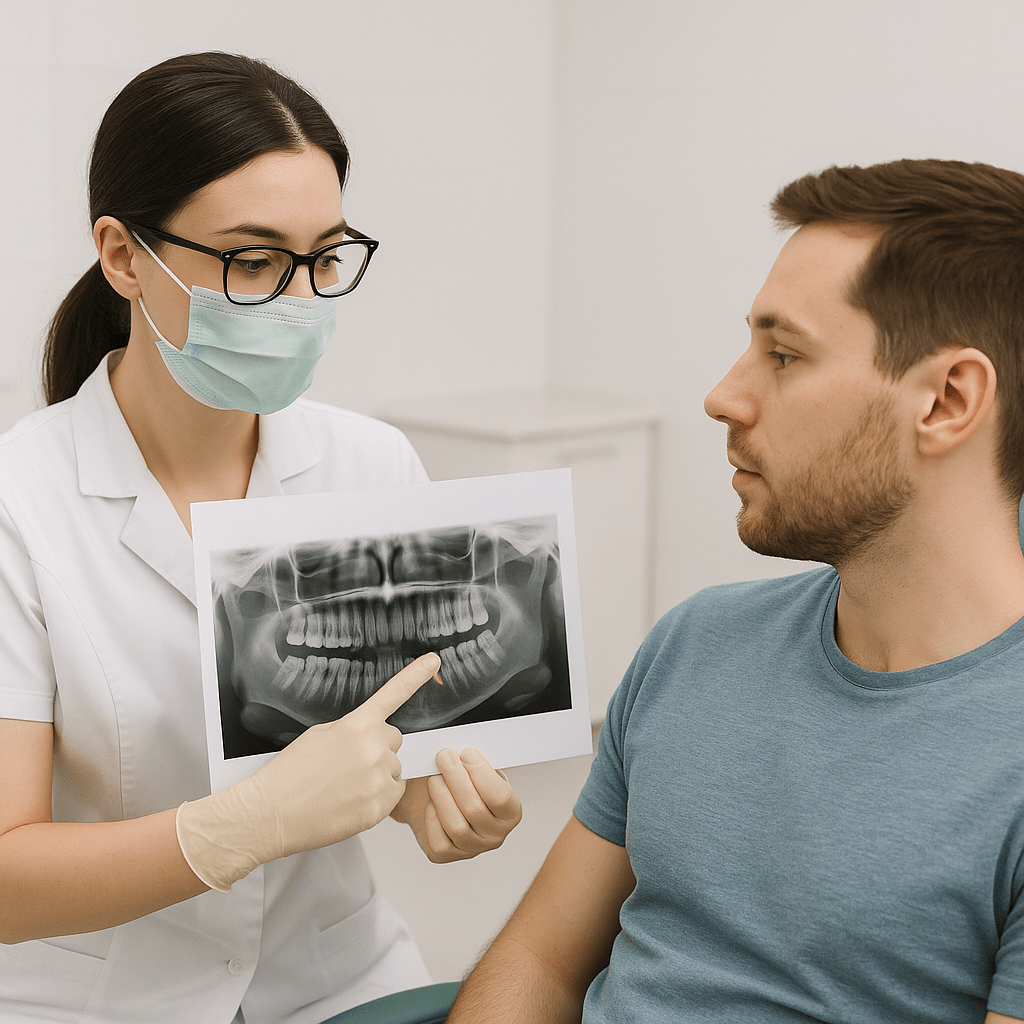
Wisdom teeth, also known as third molars, are the last set of teeth to emerge—typically between the ages of 17 and 25. For many, there just isn’t enough room in the mouth for them to grow in properly. When that happens, they may become impacted (trapped under the gum or against other teeth), grow in at awkward angles, or crowd the rest of your teeth. This can lead to inflammation, infection, or bite misalignment.
Can Wisdom Teeth Cause Teeth Grinding?
Let’s be clear: wisdom teeth don’t directly cause bruxism. However, they can play an indirect role. Here’s how:
- Pain and Discomfort: Impacted or erupting wisdom teeth can create discomfort that triggers your body’s unconscious coping mechanisms—like grinding or clenching while you sleep.

- Bite Changes: When wisdom teeth push other teeth out of alignment, it can affect the way your upper and lower jaws meet, leading to new grinding patterns.
- Jaw Tension: Inflammation from problematic wisdom teeth can irritate the temporomandibular joint (TMJ), which is already a hot spot for people with bruxism.
How to Know If Your Wisdom Teeth Are Contributing to Grinding
The signs aren’t always obvious, but here are some clues:
- You’ve recently noticed jaw tightness or morning headaches.
- Your dentist sees evidence of new enamel wear.
- You never ground your teeth before—until your wisdom teeth started coming in.
- You feel pressure or dull pain in the back of your mouth, often on just one side.

What To Do Next
If you suspect your wisdom teeth might be triggering your teeth grinding:
- Book a Dental Exam: A panoramic X-ray can reveal whether your wisdom teeth are impacted or affecting nearby structures.
- Get Fitted for a Night Guard: These protect your teeth while you sleep and may reduce clenching-related discomfort.
- Consider Extraction: If your wisdom teeth are causing pain, shifting your bite, or damaging nearby teeth, your dentist may recommend removal.
Final Thoughts
While wisdom teeth aren’t the root cause of bruxism for most people, they can be the spark that lights the fire. If you’re noticing new grinding symptoms or jaw discomfort, it’s worth looking into your wisdom teeth as a possible trigger. Acting early can prevent long-term damage and discomfort.
FAQs
Can removing wisdom teeth stop teeth grinding? In some cases, yes—especially if the grinding was linked to pain or a disrupted bite.
How can I tell if my wisdom teeth are impacted? Signs include jaw swelling, difficulty opening your mouth, bad breath, and localized pain. A dentist can confirm with imaging.
 Grind My Teeth
Leave a comment