Why Waking Up with a Sore Jaw and Headache Could Be a Sign of Bruxism
Explore how morning jaw pain and headaches may indicate nighttime teeth grinding.
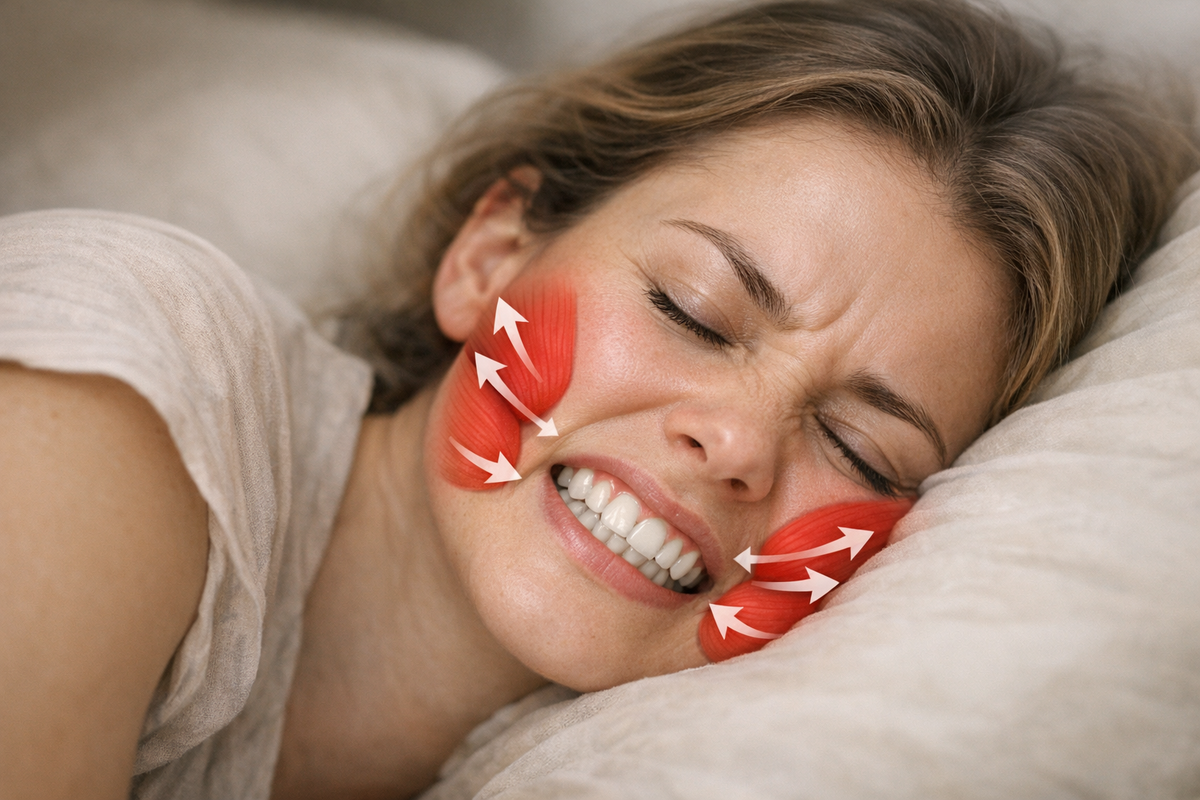
It's easy to blame a late-night movie or too much coffee for that pounding head and aching jaw you notice when you wake up. Yet research suggests another culprit: nighttime teeth grinding, also known as bruxism. Studies link sore jaws and early-morning headaches to rhythmic clenching while you sleep. If you're curious about what's happening in your mouth overnight, keep reading.
We'll dive into why bruxism causes pain, how it disrupts sleep, and what you can do to stop the cycle. Each section draws on peer-reviewed studies and trusted medical sources, but we've trimmed the jargon so you can finish the article before your next cup of coffee.
Understanding Bruxism: The Basics
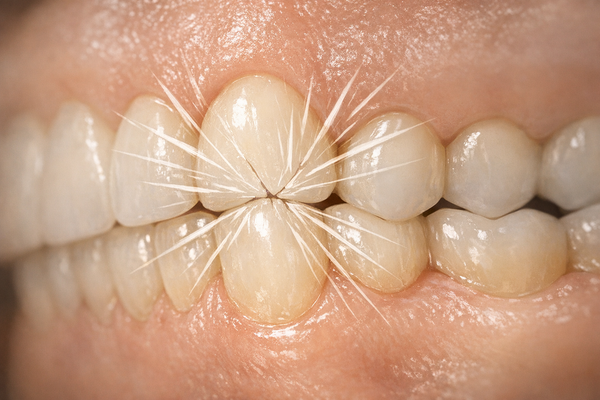
Bruxism is the medical term for habitual grinding or clenching of the teeth. Dentists classify it as either awake bruxism, which you might notice during the day, or sleep bruxism, which occurs after you turn off the lights. While both types can damage teeth, sleep bruxism is notorious for causing jaw pain because you can't consciously stop it. According to the American Dental Association, roughly 10 percent of adults grind their teeth in their sleep, though many never realize it until pain or dental wear appears.
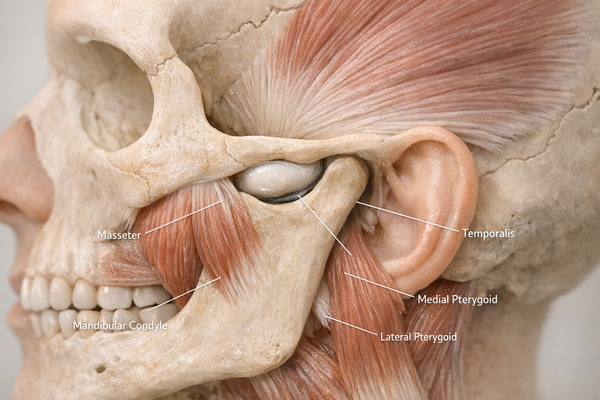
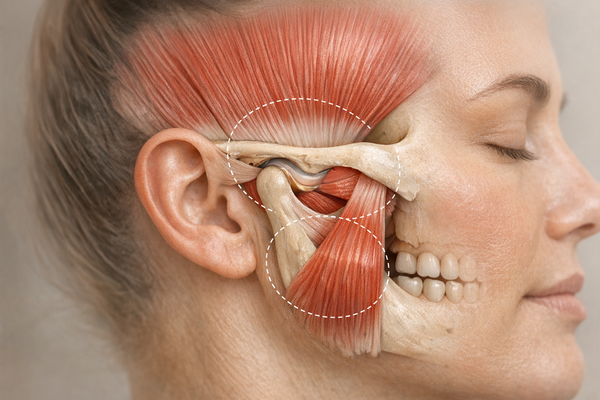
The classic sign is a sore jaw in the morning. Your masseter muscles, among the strongest in the body, work overtime during grinding. When you clamp down for hours, they become fatigued and inflamed, leading to that tender, tight feeling when you try to chew breakfast. A 2025 case-control study found that people with sleep bruxism showed “significantly higher muscle tenderness” than non-grinders (Saricam & Tayman, 2025).
Headaches are common for two reasons. First, tension in the jaw radiates upward to the temples and forehead through the temporalis muscle. Second, bruxism can cause micro-arousals in sleep, fragmenting rest and lowering your pain threshold by morning. The Standardised Tool for the Assessment of Bruxism, published in 2024, confirms that headache upon waking is one of the three most common symptoms, right after jaw soreness and tooth sensitivity (Manfredini et al., 2024).
Other signs include:
- Flat or chipped teeth without an obvious accident
- Indentations on the sides of the tongue
- Clicking sounds in the jaw joint when you yawn
- Partners complaining about grinding noises at night
If two or more of these sound familiar, you have enough clues to keep reading.
The Science Behind Teeth Grinding
So why does your brain tell your jaw to flex like a bodybuilder when you should be dreaming? Researchers describe bruxism as a “multifactorial” condition, meaning many factors contribute to its onset. Let's explore the most convincing ones.
Physiological Triggers
During normal sleep, your autonomic nervous system cycles between calm parasympathetic states and brief sympathetic spikes. In people prone to bruxism, these spikes often recruit jaw muscles, creating rhythmic contractions. A systematic review found that autonomic hyperactivity is a core feature of bruxism (Dupare et al., 2025).
Psychological Triggers
Stress, anger, and anxiety prime your fight-or-flight response, which spills into sleep architecture. People with chronic stress show higher levels of catecholamines, which keep muscle tone elevated at night. A 2025 study on orofacial pain and personality found that individuals high in neuroticism were twice as likely to experience sleep bruxism (Orzeszek et al., 2025). Think of bruxism as your brain’s misguided attempt to chew through unresolved stress. For more on how stress can trigger jaw clenching, explore stress and anxiety causes of jaw clenching.
Other Contributing Factors
- Sleep disorders: Conditions like obstructive sleep apnea and restless legs syndrome increase arousals that can trigger grinding.
- Medications: Some antidepressants and stimulants raise dopamine and serotonin levels, affecting muscle activity.
- Substances: Caffeine, alcohol, and nicotine stimulate the autonomic system. Learn why caffeine is best avoided late at night.
- Genetics: Twin studies suggest a heritable component, though specific genes are under investigation.
Your jaw is rarely the mastermind. It's more like the bouncer reacting to the brain’s mixed signals.

Bruxism and Its Impact on Sleep Quality
Grinding not only causes morning pain but also quietly sabotages your sleep quality. Polysomnographic studies, the gold standard for sleep research, have mapped how bruxism alters sleep architecture.
A 2025 study monitoring chronic migraine patients found that those with sleep bruxism had more stage-2 light sleep and fewer minutes in restorative slow-wave sleep than controls (Błaszczyk et al., 2025). Light sleep is easier to disrupt, leading to frequent awakenings, even if you don't recall them. To understand more about how sleep positions can influence grinding, read this exploration of sleep positions.
The same research team noted that bruxism episodes often occur before a micro-arousal. Imagine a mini alarm bell inside your brain that briefly wakes you, tightens your jaw, and then lets you drift back. Multiply that by dozens of times per night, and you have a recipe for morning grogginess.
Another study linked poorer sleep quality among grinders to increased headache intensity after nights of fragmented sleep (Orzeszek et al., 2025). In simple terms, the worse the sleep, the louder the head pounds.
How Fragmented Sleep Worsens Headaches
Why do a few missed minutes of deep sleep matter? During slow-wave sleep, your brain flushes metabolic waste through the glymphatic system. Skip that cleaning cycle, and inflammatory molecules linger, sensitizing pain pathways. The Cleveland Clinic notes that bruxism-related sleep loss can “amplify pain perception.” In other words, headaches can feel worse than they should.
Addressing grinding is not just about saving enamel—it's about reclaiming high-quality sleep that keeps pain circuits in check.
Temporomandibular Joint Disorders and Headaches
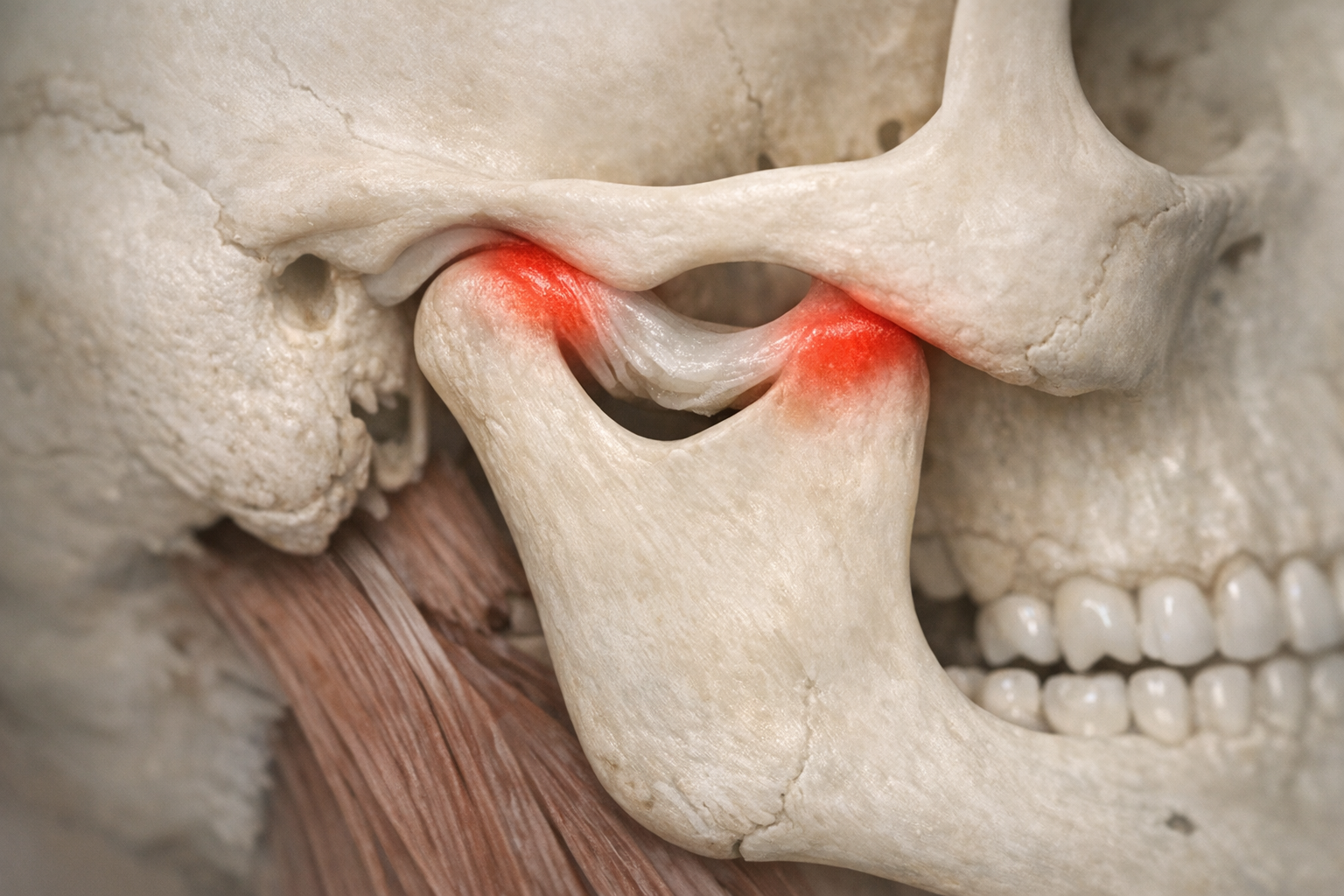
The temporomandibular joint (TMJ) connects your jaw to your skull. Bruxism involves repetitive, forceful movements, putting the joint at risk of overuse injury. This can lead to temporomandibular disorders (TMDs), affecting the joint, muscles, or surrounding tissues. For more on TMJ pain, explore what makes TMJ pain worse and how to avoid it.
Clinical guidelines from the International Network for Orofacial Research and Management highlight bruxism as a major factor in TMD development (Manfredini et al., 2025). The cycle is simple:
- You grind.
- Jaw muscles and ligaments strain.
- Joint inflammation sets in.
- Pain radiates to the head and neck.
A 2024 review found that up to 67 percent of TMD patients also meet criteria for bruxism (Voß et al., 2024). They also reported that headaches, especially tension-type, are twice as prevalent in this group.
Types of Headaches Linked to TMD
- Temporal headaches: Pain around the temples due to overworked temporalis muscles.
- Occipital headaches: Tight suboccipital muscles irritate nerves at the base of the skull.
- Referred tooth pain: Jaw joint pain can be misinterpreted as dental pain, leading you to chase non-existent cavities.
Early treatment of bruxism can prevent minor muscle fatigue from escalating into chronic joint degeneration. The Mayo Clinic emphasizes that untreated grinding can erode cartilage in the TMJ over time. Discover common causes of teeth grinding to better understand the condition.
Diagnosing Bruxism: Tools and Techniques
Because you're asleep when grinding occurs, diagnosis relies on detective work. Dentists use patient history, clinical signs, and sometimes high-tech gadgets to confirm the problem.
Clinical Examination
The dentist will look for:
- Wear facets, the shiny flat spots on teeth caused by repetitive contact
- Muscle hypertrophy, especially in the masseter
- Gum recession or loose teeth in severe cases
Palpation of jaw muscles can reveal tenderness. If you flinch when the dentist presses your masseter, that's another clue.
Patient-Reported Outcomes
Self-report questionnaires remain valuable. The Standardised Tool for the Assessment of Bruxism recommends asking about morning jaw pain, headaches, tooth sensitivity, and partner observations. Combining subjective data with clinical signs increases diagnostic accuracy.
Instrumental Methods
When results are ambiguous, dentists might use:
- Polysomnography: The gold standard, though costly and usually reserved for research or complex cases.
- Portable EMG devices: Measure jaw-muscle activity at home, offering a middle ground.
- Intraoral sensors: Thin splints embedded with pressure sensors to record bite force and frequency.
A 2025 study found that adding a structured self-report improved identification of high-frequency grinders by 23 percent (Saricam & Tayman, 2025). Your honest answers matter as much as high-tech tools.
Treatment Options for Bruxism and Related Symptoms
The good news is that you're not doomed to a lifetime of cracked molars and morning headaches. Various treatments can reduce grinding, protect teeth, and relax jaw muscles.
Occlusal Splints (Night Guards)
These custom-molded plastic trays are worn over your teeth. They don't stop muscle contractions but redistribute forces and protect enamel. A 2024 study found that splints reduced jaw-muscle pain without significant risk (Chisini et al., 2024). If you're looking for a noninvasive first step, a splint can help. For options, see best over the counter night guards.
Botulinum Toxin
The same toxin used for cosmetic treatments, when injected into jaw muscles, can reduce bite force. A systematic review reported significant pain reduction for three to six months, though mild chewing weakness may occur initially (Buzatu et al., 2024). Choose a clinician experienced with TMJ anatomy. For more information on this, read about Botox for bruxism.
Behavioral and Lifestyle Adjustments
- Stress management: Cognitive behavioral therapy, meditation, or exercise can lower sympathetic drive.
- Sleep hygiene: Keep a consistent bedtime, reduce screen exposure, and limit caffeine after midday.
- Avoid chewing gum: It may condition the jaw for more clenching.
- Jaw exercises: Gentle stretching and controlled opening movements can relax muscles.
Adjunctive Therapies
Physical therapy, acupuncture, and low-level laser therapy have shown modest benefits, mainly by reducing muscle tension. While evidence is less robust than for splints or injectables, these options pose low risk and can complement core treatments.
No single treatment works for everyone. A layered approach that mixes dental protection with muscle relaxation and stress control often yields the best results.
Conclusion
If you keep waking up with a sore jaw and a headache that feels like you slept in a vise, bruxism deserves your attention. Research shows that nightly grinding strains jaw muscles, fragments sleep, and can lead to temporomandibular joint disorders. The upside is that diagnosis is straightforward and treatment options—from simple night guards to targeted injections—are supported by solid evidence. If morning pain is affecting your energy, make an appointment with a dentist or orofacial pain specialist. The sooner you address the grind, the quicker you reclaim restful sleep and pain-free mornings.