Understanding Unconsciously Clenching Jaw: Stress and Anxiety Triggers Explained
Explore stress and anxiety causes of jaw clenching and ways to manage tension.
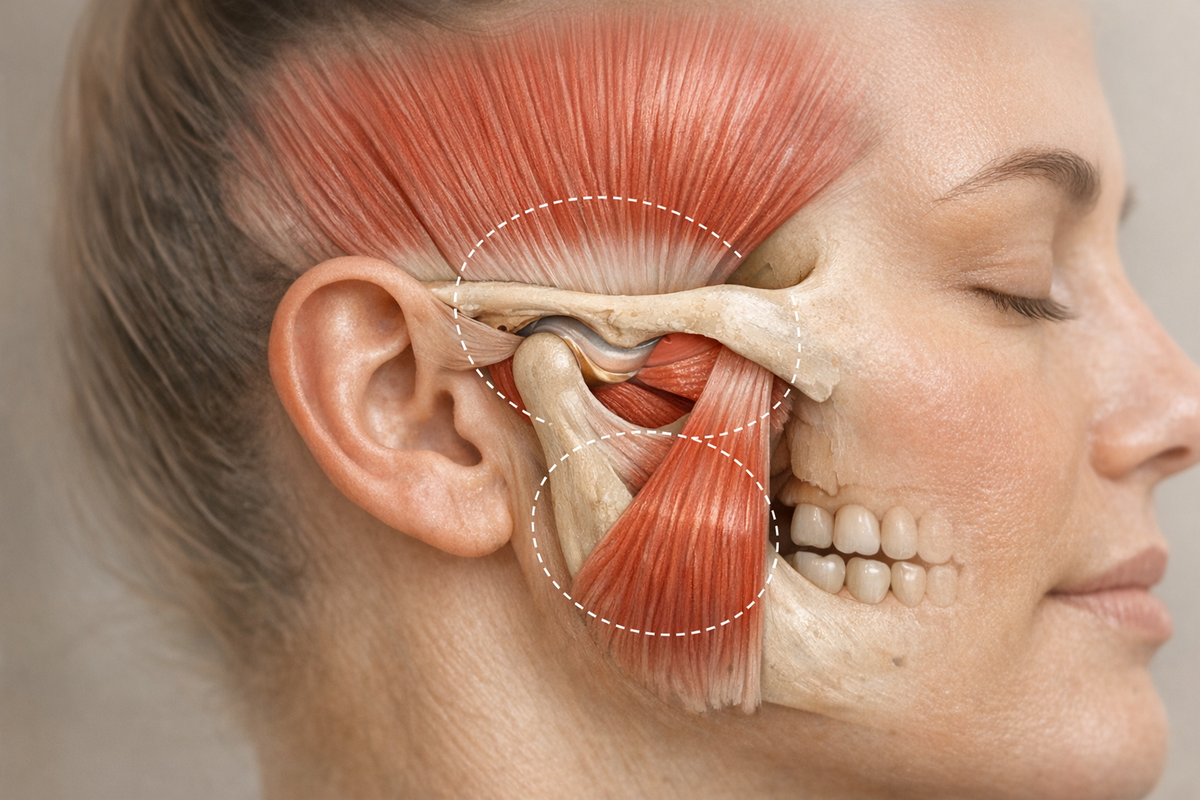
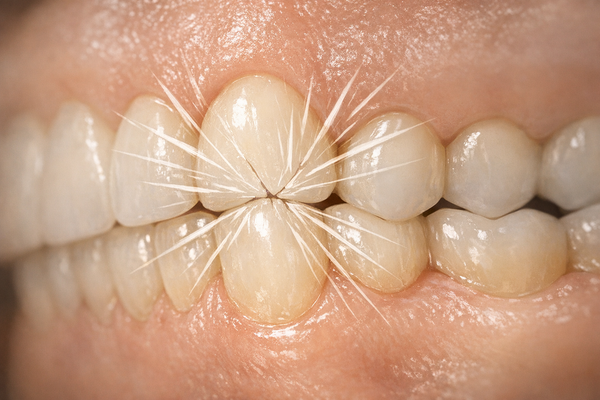
Ever wake up with a dull ache near your temples and breakfast tasting like cardboard because your molars feel like they've been doing push-ups all night? If so, you're not alone in the unconscious jaw-clenching club. Clenching, or awake bruxism, often sneaks up on you while you're working, driving, or scrolling through your phone. Researchers have studied this for decades, and recent data sheds light on how stress and anxiety contribute to this tension. Let's explore the science in an engaging way to keep you informed without putting you to sleep.
This article will guide you through the biological "why," the mental "how," and the practical "what now" of jaw clenching. You'll learn how stress triggers this reflex, how dental tools like OTC night guards can help, and what lifestyle changes might keep your jaw from feeling like a cement mixer. Ready to learn? Let's dive in.
Why Do We Clench Our Jaws Unconsciously?
You're not alone in this. It's estimated that 8 to 20 percent of adults engage in some form of daytime clenching. This number rises during stressful periods. A study by Khayat Naser and colleagues in 2026 followed residents in the Gaza Strip during wartime and found increased self-reported jaw pain and clenching episodes. Stressful environments boost jaw activity, suggesting a direct link between your mind and masseter muscle.
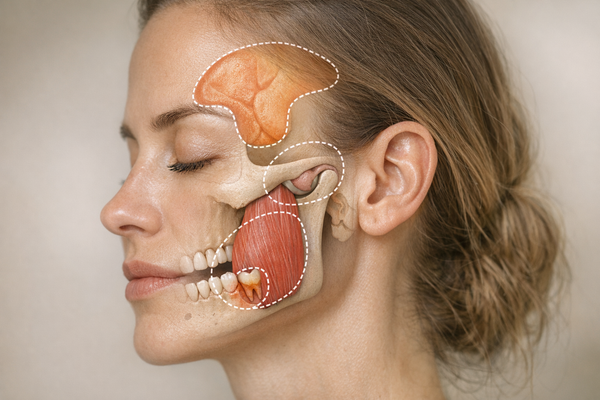
Physiologically, when you perceive a threat, your body triggers a fight-or-flight response. Stress hormones like cortisol flood your bloodstream, heart rate rises, and muscles tense. Your jaw muscles, among the strongest relative to their size, contract reflexively during stress. This is great for chomping through a steak, but not so much for finishing a report.
Neurotransmitters such as dopamine and norepinephrine also spike during stress, increasing neuromuscular firing rates. This explains why your jaw can clamp down with significant force without you noticing. Imagine your jaw muscles as a group chat going all-caps at the first sign of danger—good for ancient survival, tough on modern enamel.
Animal research supports this idea. Plongniras et al. in 2025 placed rats in stressful environments and used 3-D dental scanning to track tooth wear. Stressed rats showed significant enamel loss compared to relaxed ones, confirming that mechanical loading of the teeth rises under psychological strain.
In real life, think of an accountant clenching through tax season or a student grinding away at exam prep. The threat is conceptual—deadlines and grades—but the body still flips the emergency switch. Over weeks, that accountant might exert more force on her molars than she would chewing through several bags of beef jerky.
The Psychological Connection: Stress and Anxiety
While dental textbooks often focus on bite alignment, psychology offers a deeper story. Chronic stress and anxiety are major triggers for clenching. Let's explore how these mental states affect your jaw.
How Stress Manifests Physically
Stress isn't just a thought or mood; it's a full-body broadcast. Muscles in the neck, shoulders, and jaw tighten in preparation for action. The American Psychological Association notes that muscle tension is a common physical sign of stress. Once your nervous system sets the tension dial to "high," your jaw muscles can stay partially contracted even after the threat passes. This low-grade contraction becomes the clench you barely notice until pain arises.
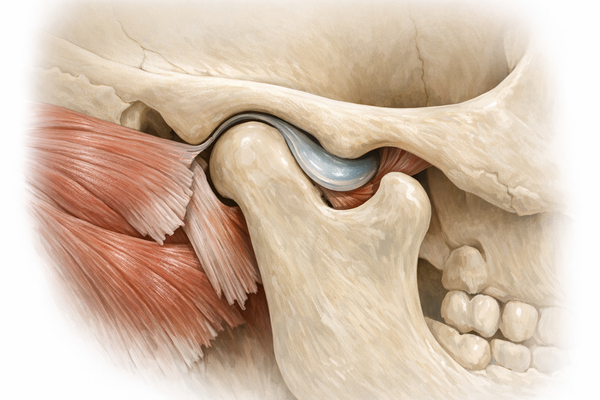
With chronic stress, your body stops returning to baseline. Elevated cortisol keeps muscles semi-rigid, leading to micro-trauma of muscle fibers and overloading of the temporomandibular joint (TMJ). You might notice clicking sounds, headaches, or tooth sensitivity as a result. If you're dealing with TMJ, you might find a TMJ mouth guard helpful.
The Role of Anxiety
Anxiety overlaps with stress but adds a cognitive twist. While stress responds to external triggers, anxiety spins up internal "what if" scenarios, keeping your sympathetic nervous system on high alert. A study by Soman Cristalle et al. in 2024 surveyed commuters in Riyadh and found that self-reported driving anxiety predicted jaw discomfort more than hours spent driving. The worry circuit itself, not just time on the road, tightened jaws.
Here's the irreverent truth: your brain sometimes treats deadlines and family drama as saber-toothed tigers. The jaw joins the fight even when the biggest threat is an overflowing inbox. Tune into your mental soundtrack, and you'll often catch anxiety humming in the background just before your teeth meet like vise grips.
Digital Overload and Posture Matters
Screen time amplifies the problem. When you crane your neck toward a laptop or clench while gaming, you shorten the sternocleidomastoid and upper trapezius muscles, which tug on the mandible. A 2025 ergonomics audit of 412 tech workers in Seoul found that "forward-head posture" increased clenching odds by 36 percent. Simply raising your monitor to eye level and planting both feet on the floor can loosen your jaw more effectively than any quick fix.
Understanding Temporomandibular Disorders (TMD)
TMD is a broad term for problems affecting the jaw joint, muscles, and related structures. If clenching is a bad habit, TMD is the chronic condition that can follow. According to the National Institute of Dental and Craniofacial Research, roughly 10 million Americans experience some form of TMD, with women more commonly affected than men.
Symptoms and Diagnosis
TMD symptoms range from jaw pain and limited opening to earaches and neck stiffness. Clicking or popping when you chew can be an early sign. Dentists diagnose TMD through a mix of medical history, palpation, range-of-motion tests, and sometimes imaging like MRI. A review by Da-Cas et al. in 2024 highlighted that parafunctional habits, including clenching, are key risk factors for TMD onset.
If you're wondering whether to book that dental appointment, try a quick check: place two knuckles between your incisors. Inability to do so without pain or resistance can signal restricted mandibular opening—one of the early red flags for TMD. Add persistent morning headaches, and you have enough evidence to justify a professional consult.
Impact on Quality of Life
Quality of life takes a hit when every sandwich feels like an arm workout. Pain can interfere with sleep, concentration, and social interaction. The 2026 Gaza Strip study linked heightened conflict-related stress to both jaw pain and reduced work performance. Chronic pain loops back into mood disturbances, setting up a cycle of pain, stress, and more clenching. Addressing TMD is not only about joint mechanics; it involves pain management, mental health care, and functional restoration.
Effective Stress Management Techniques
If stress fuels the clenching fire, relaxation is the extinguisher. Evidence-based stress-management strategies can lower cortisol levels and relax overworked jaw muscles.
Relaxation Techniques
A 2025 review by Calderone et al. examined relaxation methods in cardiovascular and hypertensive patients. While focused on heart health, the review found significant reductions in self-reported muscle tension across practices like progressive muscle relaxation (PMR), diaphragmatic breathing, and guided imagery, which work well for jaw tension:
- PMR: Tighten then relax muscle groups from head to toe. Include your jaw by squeezing teeth lightly for 5 seconds, then letting the mouth fall open for 10 seconds.
- Box breathing: Inhale four counts, hold four, exhale four, hold four. This slows the autonomic drive that fuels muscle rigidity.
- Guided imagery: Visualize the jaw as a heavy door hinge slowly swinging open, releasing tension with each breath. For more on managing stress and reducing bruxism, check out how wearable tech can help.
Mindfulness and Meditation
Mindfulness helps you catch tension as it creeps in. Studies from the Anxiety and Depression Association of America note that even five minutes of mindful check-ins throughout the day can reduce anxiety scores. Set a phone alarm labeled "UNCLENCH" every two hours. When it buzzes, scan your jaw, shoulders, and brow. Take two slow breaths and release.

Apps like Insight Timer or Headspace offer quick body-scan meditations for muscle relaxation. Consistency is key. Meditation isn't a quick fix but a practice that rewires stress circuits over time.
Biofeedback Gadgets
If you're data-driven, consider a wearable biofeedback device that vibrates when you clench. Early trials at the University of Michigan Dental School showed a 47 percent reduction in daytime bruxism episodes after four weeks of use. Consider it a personal trainer for your mandible—less sweaty, equally effective.
Dental Solutions: Splints and Other Treatments
When self-help strategies fall short, dentists offer hardware solutions. Occlusal splints, also known as night guards or bite plates, keep teeth slightly apart, preventing full clenching. If you're unsure about the type of guard to choose, you might want to explore the differences between OTC and custom night guards.
Occlusal Splints
A review by Chahrour and Reda in 2025 found that splint therapy reduced pain in many TMD cases, although outcomes varied by splint type and wearing schedule. Soft splints are flexible and comfortable but may trigger more chewing for some people. Hard acrylic splints offer precise jaw positioning but can feel bulky.
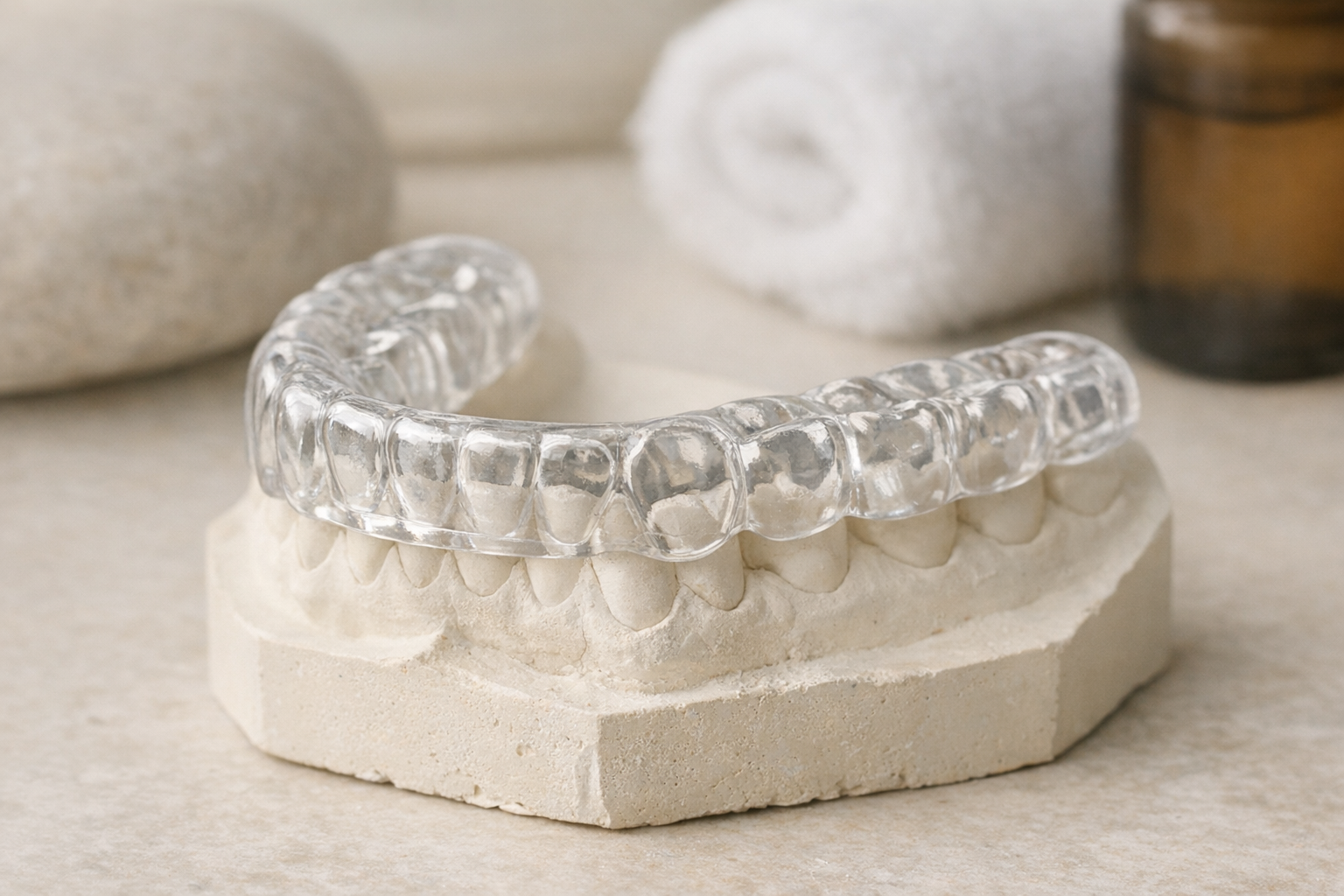
Key points if you choose this route:
- Wear time matters. Benefits appear after a minimum of 6 hours per night.
- Cleanliness counts. Dirty splints breed bacteria that can inflame gums. Learn how to clean your night guard effectively.
- Adjustments are normal. Expect follow-up visits for adjustments.
Adjunctive Therapies
Splints work best when paired with muscle rehabilitation and behavioral changes. Physical therapists may use ultrasound, manual stretching, or dry needling to relax tight jaw muscles. Some dentists recommend low-level laser therapy, though evidence is mixed. Interestingly, knowledge gaps exist even among dental students. Quintana-Cadena et al. in 2025 found confusion about splint indications, highlighting the need for ongoing professional education.
For stubborn cases, botulinum toxin (Botox) injections into the masseter have become an option. When administered by a qualified professional, Botox can weaken overactive jaw muscles for three to six months, offering relief from chronic clenching. It's not a first-line fix but can be a valuable option when night guards and mindfulness aren't enough.
Lifestyle Changes to Reduce Jaw Tension
Medications and mouthpieces help, but daily habits determine whether your jaw stays relaxed or winds up like a coiled spring. For those interested in how bruxism affects appearance, you can explore whether teeth grinding changes your face shape.
Diet and Nutrition
Your jaw prefers soft, varied textures. Balance chewy foods like bagels or gum with softer options to avoid overworking muscles. Limit caffeine, which can spike anxiety and jaw tension. A balanced diet rich in magnesium from spinach, nuts, and legumes supports muscle relaxation. The Riyadh study found that participants with higher fruit and vegetable intake reported fewer clenching episodes than those who favored fast food.
Exercise and Physical Activity
Physical activity is a free stress reliever. Cardio burns off excess adrenaline, while yoga combines movement with mindful breathing. A brisk 30-minute walk can lower cortisol levels, signaling jaw muscles to relax. Add simple neck and jaw stretches: open wide until you feel slight discomfort, hold for five seconds, close, then slide your jaw side to side. Repeat three times daily to keep muscles supple.
Ergonomics and Hydration
Set up your workstation with your monitor at eye level, elbows at 90 degrees, and shoulders relaxed. Sip water throughout the day; dehydration thickens saliva, encouraging frequent swallowing and jaw tightening. Each gulp can act as a mini muscle reset.
Conclusion: Taking Control of Your Jaw Health
Your jaw isn't plotting against you; it's just following your body's stress playbook. Unchecked anxiety and daily stressors can lead to clenched teeth, aching joints, and damaged enamel. Research is clear: stress management, mindful awareness, and dental care are key. Start by noticing when you clench. Add breathing exercises, schedule movement breaks, and, if needed, ask your dentist about a custom splint. Small, consistent actions are more effective than grand gestures. Keep your muscles loose and your mind calm, and your jaw will thank you each morning.