Understanding Anxiety-Induced Nighttime Teeth Clenching
Explore how anxiety leads to nighttime teeth clenching & ways to reduce it.
Picture this: you wake up with an aching jaw, and your partner says you sounded like you were crushing gravel all night. You didn’t sign up for a midnight gig as a human pepper grinder, yet here you are. Nighttime teeth clenching, also known as sleep bruxism, affects about one in ten adults. A growing body of research suggests that anxiety is its primary fuel source. If you want to give your molars—and your sanity—a break, understanding the link between anxious thoughts and jaw muscles is crucial.
This article explores the science, diagnosis, and practical strategies for reducing nighttime teeth clenching. Grab a calming cup of tea and let’s dive in.
The Connection Between Anxiety and Teeth Clenching
Bruxism is the clinical term for repetitive jaw-muscle activity like clenching, grinding, or bracing the jaw. While it can happen during the day, the nighttime version is sneakier because it occurs while you're asleep. Anxiety, especially chronic worry, is a consistent predictor of this behavior. A 2025 study by Michelotti et al. tracked adults with temporomandibular disorders and discovered that anxious individuals were more likely to engage in clenching and grinding. The researchers suggested that anxiety increases muscle tension, which continues into sleep.
In another study, Saracutu and colleagues surveyed university students and found a clear correlation between self-reported clenching and anxiety traits. Even without pain or visible dental wear, the students’ stress levels predicted how often they tightened their jaws. The takeaway is straightforward: anxious minds prime the jaw for action, even in people without visible tooth damage.
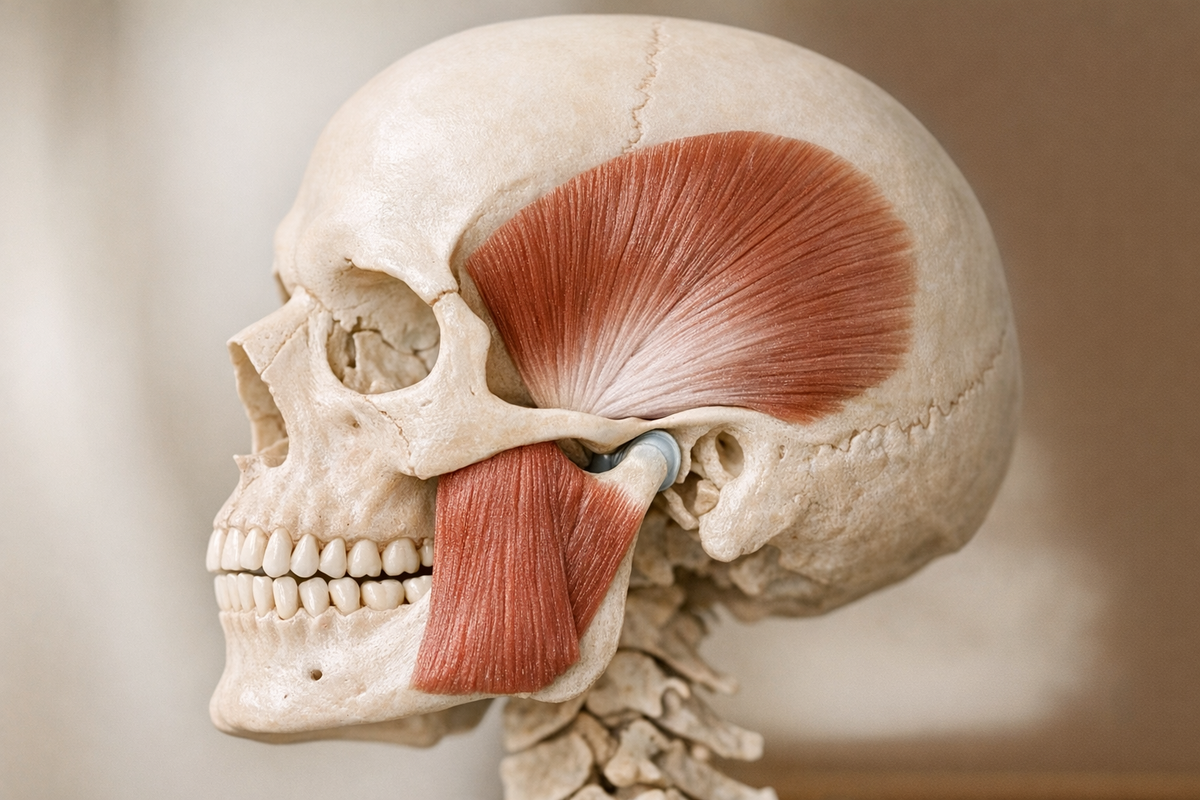
But why does this happen? One hypothesis is that anxiety activates the body's fight-or-flight system. Adrenaline surges, heart rate increases, and skeletal muscles, including the jaw, tense in preparation for a perceived threat. At night, this physiological arousal doesn't just shut off. Instead, it manifests as rhythmic muscle contractions in the masseter and temporalis, the primary chewing muscles.
Several brain regions also play a role. The limbic system, which processes emotions, sends distress signals that increase motor activity. Over time, the brain may learn that clenching offers a quick release of nervous energy, reinforcing the habit. Add in habitual daytime activities like unconscious jaw clenching due to stress or nail biting, and you’ve got a recipe for nighttime overdrive.
It's important to note that not everyone with anxiety clenches, and not every bruxer has anxiety. Genetics, medications like certain antidepressants, and lifestyle factors also contribute. Still, the anxiety-bruxism connection is strong enough that most sleep dentists now ask about stress when they see flattened molar surfaces.
The Science of Bruxism: How Stress Affects Your Jaw
Understanding Stress Jaw Tension
Stress jaw tension is exactly what it sounds like—tight, overworked muscles caused by psychological strain. When you feel threatened, the hypothalamic-pituitary-adrenal (HPA) axis releases cortisol into your bloodstream. While short bursts of cortisol are useful for survival, chronic elevations keep muscles primed for action. The masseter can generate bite forces greater than 600 pounds per square inch, so even tiny subconscious contractions create significant pressure on teeth and joints.
In a vivid case report, Canas Miranda et al. used high-resolution electromyography to show how bruxism episodes cluster during REM sleep when stress hormones spike. The participant's jaw muscles fired in one-second bursts up to 50 times per hour. Each burst corresponded with micro-arousals—brief awakenings so short the patient never remembered them. These awakenings prevent deep, restorative sleep, which can worsen next-day anxiety, creating a vicious loop.
Physiological Impacts of Bruxism
The mechanical fallout is wide-ranging:
- Dental wear: Enamel is hard, but it’s no match for constant grinding. Over time, flattened cusps, micro-cracks, and even fractures occur.
- Muscle pain and fatigue: The masseter and temporalis can become hypertrophic, similar to biceps after repetitive lifting. Hypertrophy feels like constant tightness or a “muscle knot” near the cheeks.
- Temporomandibular joint (TMJ) strain: The TMJ is a delicate hinge. Excessive load accelerates cartilage wear, leads to clicking, or causes locking sensations. Learn more about TMJ pain relief techniques.
- Headaches: Referred pain from jaw muscles often masquerades as tension-type headaches around the temples or behind the eyes.
- Sleep fragmentation: Each clench can jolt the brain into lighter stages of sleep, limiting the restorative REM and slow-wave stages needed for memory consolidation and mood regulation.
Over months or years, unchecked bruxism can significantly impact quality of life. Dentists may notice wear facets or broken crowns first, but by then you might also be dealing with chronic face pain or migraines.
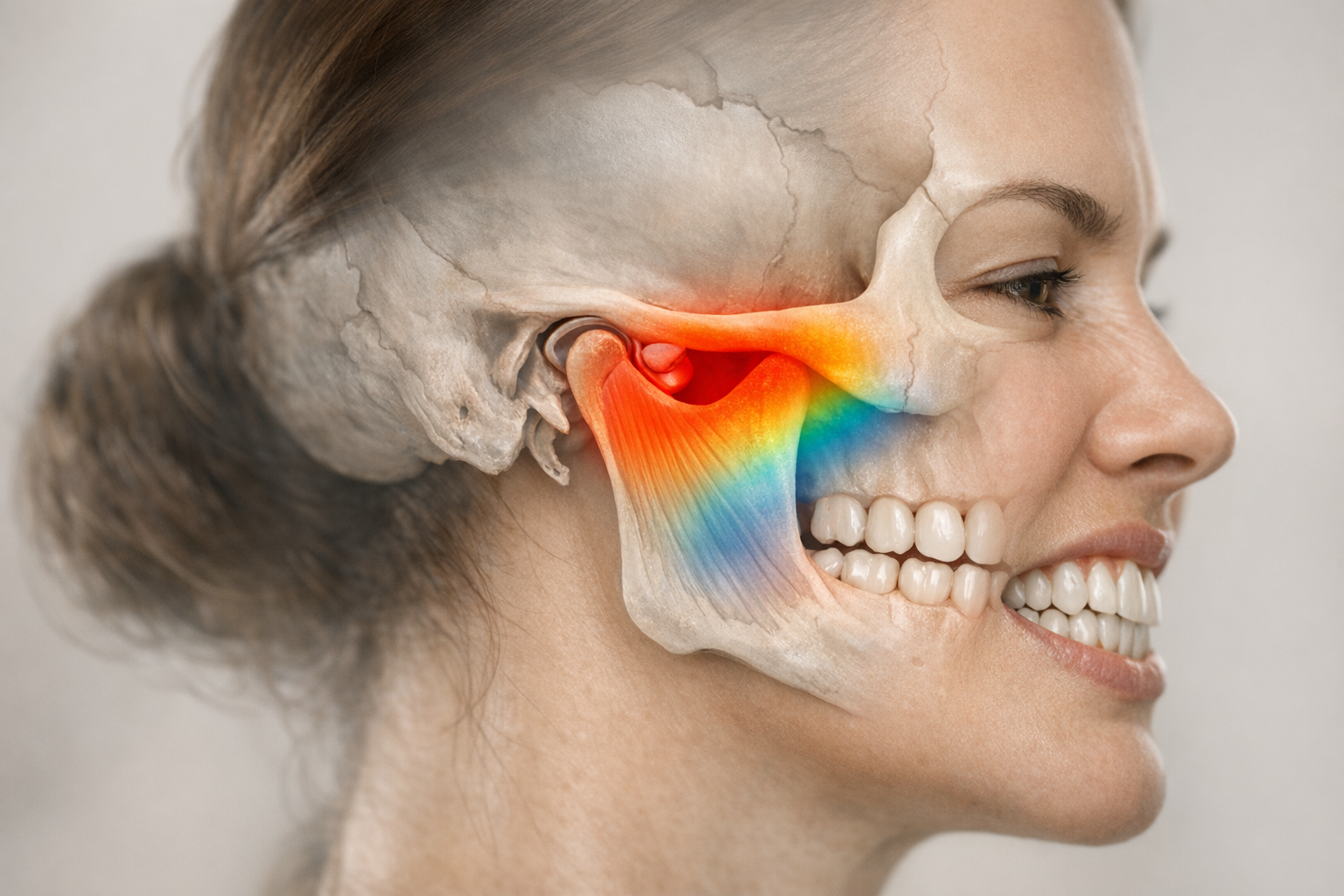
So where does stress come in? Prolonged psychological stress keeps autonomic arousal elevated. The sympathetic nervous system pushes jaw muscles to fire more frequently, while the parasympathetic system, which should calm things down during sleep, struggles to gain ground. The result is a nocturnal jaw workout you never intended to schedule.
On the neurochemical level, researchers suspect dopamine and serotonin pathways—also implicated in mood disorders—modify the excitability of the trigeminal motor nucleus, a brainstem area controlling jaw muscles. Imbalances may lower the threshold for muscle activation during sleep. That might explain why certain antidepressants that shift serotonin levels can ramp up bruxism as a side effect.
Diagnosing Nighttime Clenching: Tools and Techniques
Catching bruxism early saves enamel and spares jaw joints, but diagnosis isn’t always obvious. Many people grind silently or assume their headaches are due to poor posture. Here’s how professionals zero in on the problem:
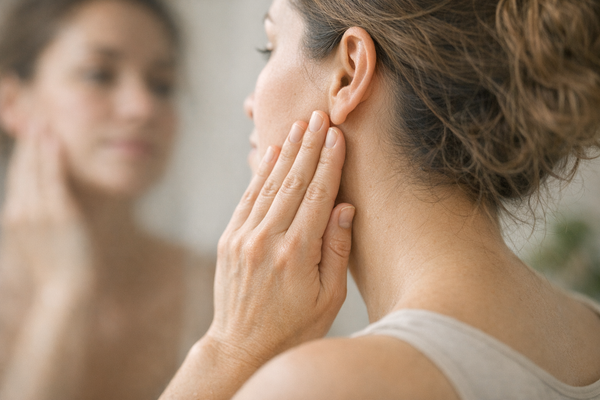
Clinical examination: Dentists look for shiny, flattened tooth surfaces, tiny enamel chips, scalloped tongue edges, and enlarged jaw muscles. They may palpate the masseter to check for tenderness.
Patient history: Questions cover morning jaw soreness, headaches, partner-reported grinding sounds, and stress levels. A sleep diary can reveal patterns like clenching after argumentative evenings.
Standardised Tool for the Assessment of Bruxism (STAB): Developed by an international panel, STAB is a validated questionnaire combined with physical findings. It grades bruxism as possible, probable, or definite based on symptoms, observed behavior, and instrumental data.
Polysomnography (PSG): The gold standard sleep study records brain waves, eye movements, and jaw muscle activity via EMG. PSG can confirm sleep bruxism and note how often it fragments sleep. Because it’s expensive, it’s reserved for tricky cases or when other sleep disorders like apnea are suspected.
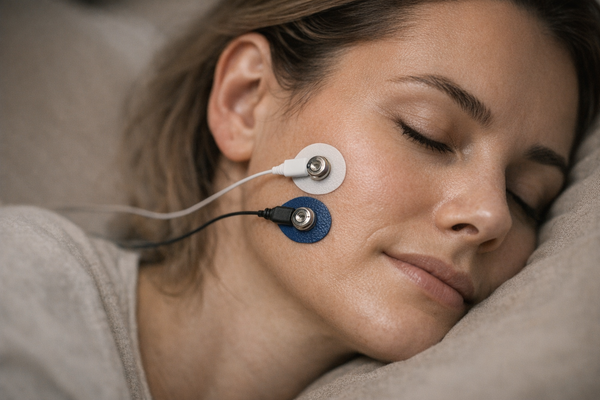
At-home EMG devices: Newer bite sensors and wearable EMG patches track muscle activity overnight. While not as robust as PSG, they offer an affordable snapshot that can motivate behavioral change.
Dental impressions and digital scans: Repeated scans over months can show subtle tooth wear progression, supporting a diagnosis if you’re on the fence.
Early diagnosis matters. Once enamel is gone, it doesn’t grow back. TMJ structures, similarly, don’t regenerate well. If you act while the issue is still “functional” rather than “structural,” you’re likely to avoid crowns, implants, or complex TMJ surgeries down the road. For more on prevention, explore natural solutions to reduce bruxism symptoms.
Strategies to Alleviate Anxiety and Nighttime Clenching
Behavioral Interventions
If anxiety is gasoline, behavioral tweaks are the fire blanket. A 2025 scoping review by Wanniarachchi et al. examined digital mental health tools such as meditation apps, chat-based therapy, and cognitive training games. Users cited convenience as the top facilitator. Many of these apps include guided body scans that teach you to notice and relax jaw muscles before sleep. Even ten minutes of practice can drop EMG-measured clenching episodes by nearly 20 percent in small pilot studies.
Biofeedback devices also fall under behavioral hacks. They detect muscle tension and provide a buzz or auditory cue, nudging you to unclench without fully waking. Over weeks, the brain associates relaxed jaws with comfort, rewriting the default setting.
Keeping a “jaw journal” might sound quirky, but writing down clenching triggers—office politics, traffic jams, doomscrolling before bed—helps you spot patterns. Awareness alone often cuts daytime clenching, which leads to calmer nights.
Cognitive Techniques
You can’t always control stressors, but you can change your response. Here’s where cognitive strategies shine:
- Cognitive Behavioral Therapy (CBT): By challenging catastrophic thoughts, CBT reduces the physiological arousal that fuels bruxism. Short-term CBT has lowered clenching frequency in clinical trials.
- Expressive writing: Translating worries into words helps the brain process them, dialing down nocturnal tension. A meta-analysis found expressive writing reduced test anxiety and improved sleep quality.
- Progressive muscle relaxation (PMR): Systematically tensing and releasing muscle groups trains proprioceptive awareness. People who practice PMR often catch themselves jaw-bracing during the day and can consciously release.
- Guided imagery: Visualizing soothing scenarios can lower heart rate and cortisol, setting the stage for unclenched sleep.
Importantly, many cognitive tools are free or low-cost, making them accessible adjuncts to professional therapy. Combine them with brief daytime stretch breaks and you have a simple, portable toolkit against bruxism’s root cause.
The Role of Lifestyle Changes in Managing Bruxism
Dietary Adjustments
Your jaw is a muscle, and like any muscle, it responds to what you feed it. Excess caffeine or sugar can spike adrenaline, nudging the jaw into overdrive. Swapping a late-afternoon double espresso for herbal tea can reduce evening arousal. The Mayo Clinic also points out that alcohol may worsen bruxism episodes because it fragments sleep. Limiting drinks within three hours of bedtime can therefore dial back clenching intensity. For more, see why avoiding caffeine late at night is essential.
On the flip side, magnesium-rich foods like leafy greens, nuts, and seeds support muscle relaxation. Some small clinical trials show that magnesium supplementation helps decrease muscle cramps. Although jaw studies are sparse, anecdotal evidence from dentists suggests it’s worth trying under professional guidance.
Exercise and Relaxation
Regular aerobic exercise, like brisk walking or swimming, lowers baseline anxiety by burning off stress hormones. Aim for 150 minutes per week, per American Heart Association guidelines. Add yoga or tai chi, which pair movement with breath control, and you’re actively training the nervous system to switch from “fight” to “rest.”
Stretching the jaw directly also helps. A simple routine involves gently opening the mouth until you feel mild resistance, holding for five seconds, then sliding the lower jaw left and right. Repeat three times daily. Over months, this maintains joint mobility and reminds muscles they’re allowed to relax. Explore more natural ways to relieve jaw tension from stress.
Finally, mind your sleep hygiene. A dark, cool bedroom, consistent bedtime, and screen-free wind-down signal to the brain that danger is off the clock. Less bedtime anxiety equals fewer clenches. Discover how sleep hygiene can improve bruxism symptoms.
Conclusion
Nighttime teeth clenching isn’t just a dental quirk; it’s often your body’s Morse code for unaddressed anxiety. Research makes the link clear: anxious thoughts feed muscle tension, and the jaw pays the price. Understanding the physiology behind bruxism empowers you to act before enamel disappears or TMJ pain becomes a constant companion.
Start with proper diagnosis—whether that’s a simple questionnaire like STAB or a full-blown sleep study—then tackle both sides of the coin: calm the mind and protect the teeth. Behavioral tweaks, cognitive strategies, and lifestyle changes form a triple-threat plan to break the cycle. The payoff is quieter nights, happier mornings, and maybe even fewer coffee-sized stress knots in your shoulders.
Your jaw will thank you, and so will anyone sleeping within earshot.