TMJ Exercises for Pain Relief: Which Techniques Really Work?
Discover effective TMJ exercises for jaw pain relief, backed by research.
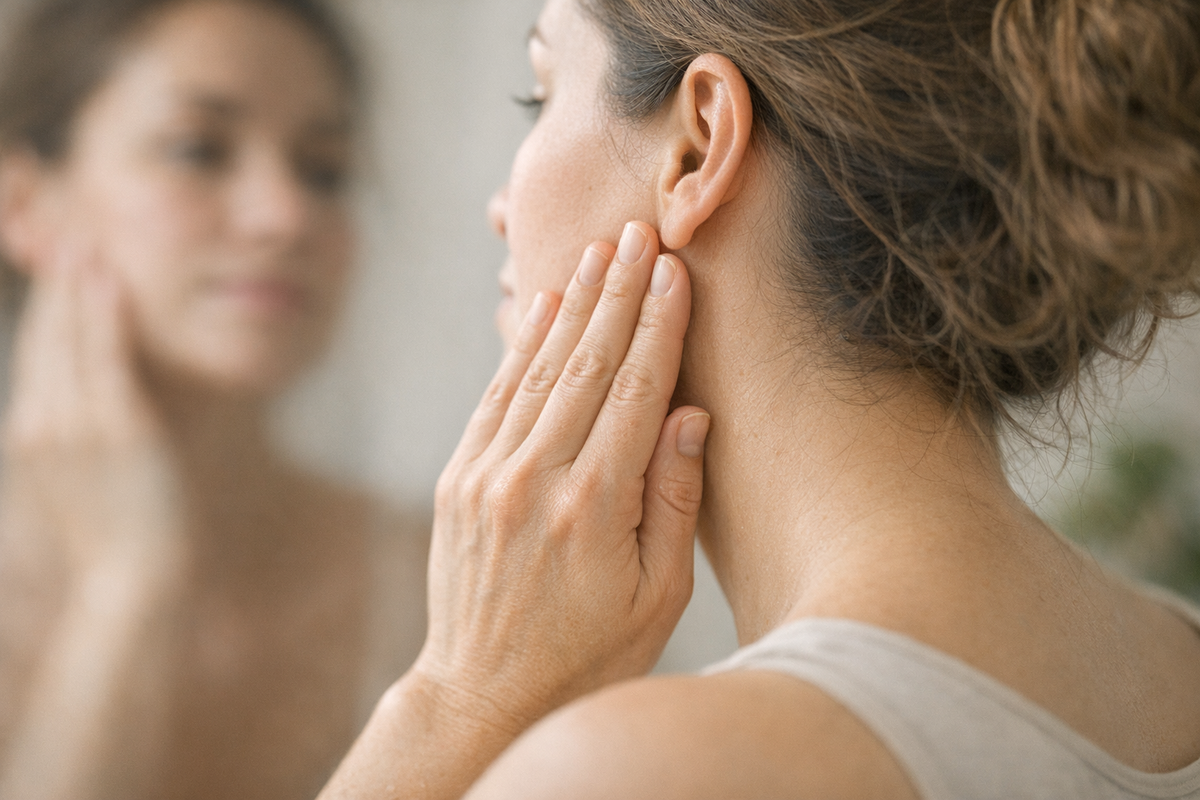
If your jaw clicks more than an old typewriter, you're not alone. Roughly ten million adults in the United States wrestle with temporomandibular joint (TMJ) pain. The good news is that simple exercises can help relieve jaw pain without the need for pricey gadgets. Even better, we have data, not folklore, to back up which exercises actually work.
In this article, you'll find a look into the science, step-by-step instructions, and advice on when to consult a professional. Grab a mirror, loosen that neck, and let's get your jaw moving the right way.
Understanding TMJ and Its Causes
The temporomandibular joints are located just in front of your ears and act as tiny sliding hinges. They let you talk, chew, yawn, and sing. A TMJ disorder, often called TMD, occurs when these joints or the muscles around them start malfunctioning.
Common signs include:
- Pain or tenderness in the jaw, face, or ears
- Clicking, popping, or grinding sounds during movement
- Locking of the jaw in various positions
- Headaches and neck aches that seem jaw-related
Why do these issues arise? Common causes include:
- Bruxism: Clenching or grinding your teeth, often during sleep. To learn more about the causes of bruxism, check out What Causes Teeth Grinding?
- Sleep disorders: Conditions like obstructive sleep apnea that increase nighttime jaw tension
- Joint wear and tear: Similar to osteoarthritis
- Injury: Trauma to the jaw or face
- Stress: Leading to constant jaw muscle tension. Understanding the stress and anxiety triggers can help in managing jaw tension.
Hormonal influences can also play a role, with estrogen fluctuations potentially affecting joint cartilage. This condition affects women between ages 20 and 40 more frequently. A longitudinal study from Sweden tracked 1,700 twins and found that identical twins shared a 44% concordance rate for TMD, suggesting a genetic component.
In a survey of oral and maxillofacial surgeons, postoperative TMJ pain persisted in nearly one-third of patients who had joint surgery, highlighting the complexity of managing this condition. The same survey emphasized conservative care, including exercises, as the first step before considering invasive treatments. Major health systems support this approach. The Mayo Clinic, Johns Hopkins Medicine, and the National Institute of Dental and Craniofacial Research all recommend jaw and neck exercises before resorting to drugs or surgery.
Bottom line: TMJ pain is common, and bruxism along with sleep problems often intensify it. Therapeutic exercises aim to alleviate the pain by retraining muscles and restoring normal movement.
The Science Behind TMJ Exercises
So, do jaw workouts really work? A systematic review in 2025 by Qu Jianing and colleagues provides a high-quality answer. They analyzed data from multiple trials on patients with TMJ disorders who performed neck-region exercises in addition to, or instead of, jaw-focused moves.
The meta-analysis showed that:
- Combined neck and jaw exercises reduced pain scores by an average of 2.5 points on a 10-point visual analog scale.
- Mouth-opening range improved by about 5 mm, noticeable when tackling a burger.
- People who practiced daily saw faster results than those who did so less frequently.
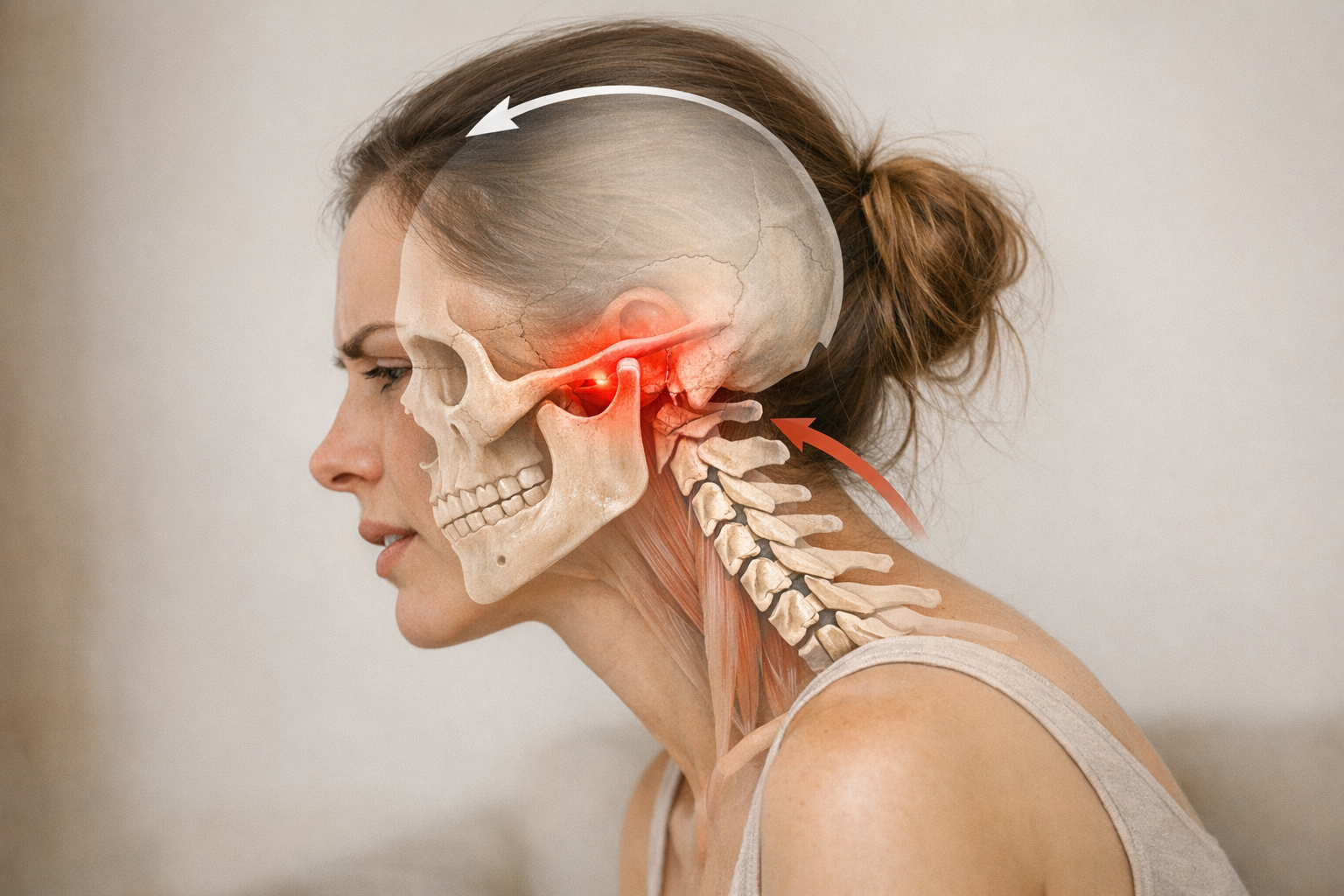
Why include the neck? Think of your jaw as part of a kinetic chain starting at the base of your skull and extending to your shoulders. Tight neck muscles can alter head posture, forcing the TMJ into awkward angles. By straightening the posture, you allow the jaw a cleaner path to move. Modern surface-EMG studies support this: when forward-head posture is corrected, electrical activity in the masseter during clenching drops by nearly 20%.
Other clinics echo this posture-first approach. The Cleveland Clinic includes cervical stretches as a core component of its TMJ program, and UCLA Health advises correcting forward-head posture before focusing on mouth drills.
While not all studies show dramatic results, the evidence supports exercise as a cost-effective, safe option worth trying for at least two weeks.
Effective TMJ Exercises for Pain Relief
Here are three research-backed exercises. No fancy gear is needed; just a mirror, your hands, and a willingness to look a bit silly.
Jaw Relaxation
Why it helps: Many people clench without realizing. Conscious relaxation helps your brain recognize the "neutral" position.
- Sit or stand tall, shoulders relaxed.
- Place your tongue lightly against the roof of your mouth, just behind the front teeth.
- Let your lower jaw drop so that your teeth are slightly apart. Feel the space.
- Breathe in through the nose for four counts, out for six. Picture the jaw melting downward.
- Repeat for one minute, three times per day.
Pro tip: Set an hourly phone alarm labeled "Unclench." Your coworkers might think it's a coffee reminder.
Chin Tucks
Chin tucks combat forward-head posture and relieve load on the TMJ. A 2025 randomized controlled trial on stroke patients found that a multidirectional chin tuck against resistance improved deep neck flexor strength and swallowing function. Swallowing and jaw control are closely related, so improvements are likely beneficial.
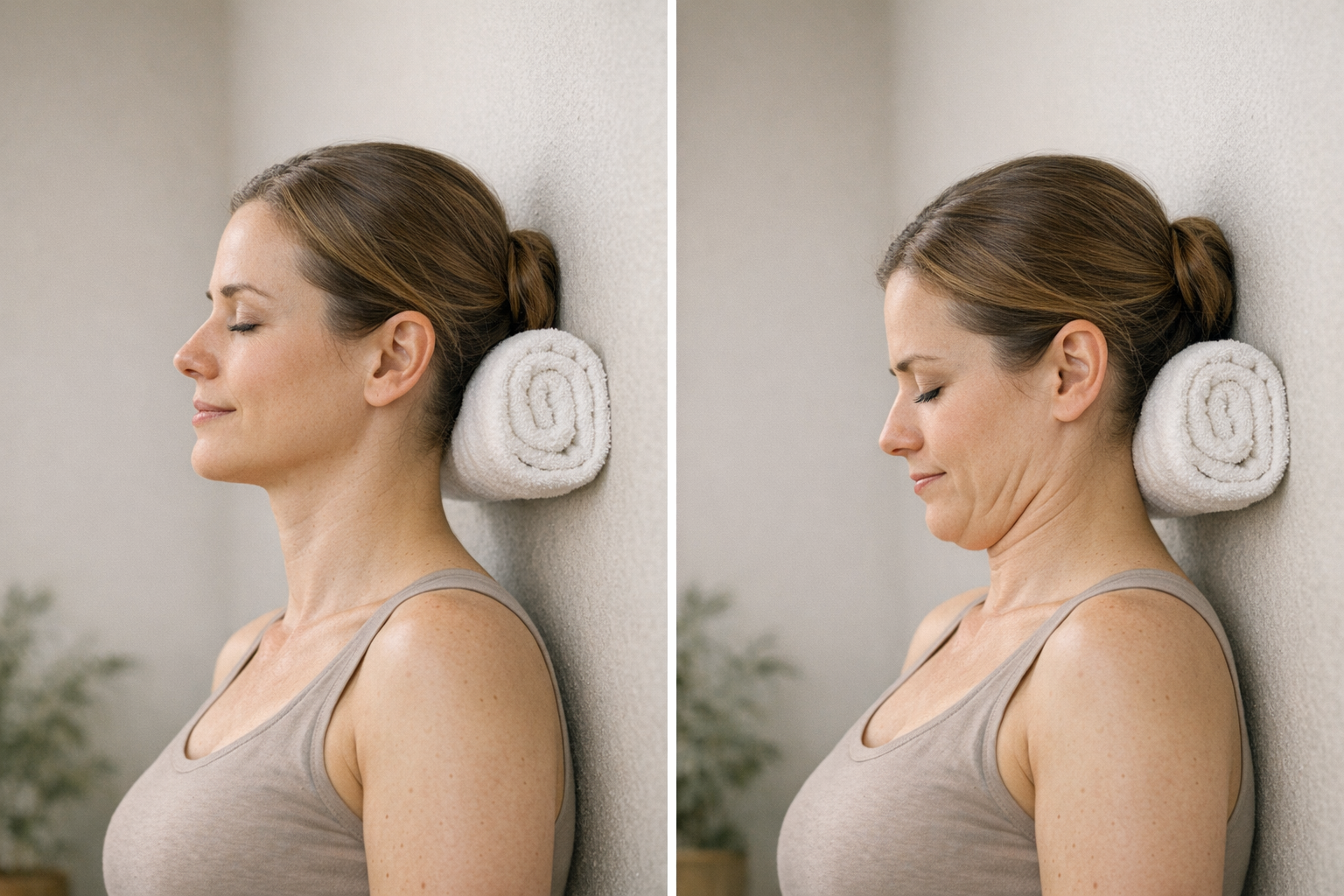
- Sit with your back against a wall. Pull your shoulder blades down and back.
- Without tilting your head, glide your chin straight back. Imagine giving yourself a double chin.
- Hold for five seconds.
- Release and repeat 10 times.
- Do two sets, twice daily.
Adding resistance: Place a rolled-up towel behind your head. As you glide the chin backward, press gently into the towel for an isometric boost. Keep breathing; don't turn purple.
Resisted Mouth Opening
Goal: Strengthen jaw depressor muscles and balance the overworked closers.
- Place two fingers under your chin.
- Try to open your mouth slowly while pressing upward with your fingers to create light resistance.
- Count to five on the way down, then close gently.
- Repeat six to eight times, twice each day.
A mirror helps you track symmetry. If one side dips or shifts, reset and go slower. Those with hypermobility can shorten the range—open only until the first hint of click instead of forcing through it.
Research summary: Although fewer trials focus on resisted opening specifically, therapists often combine it with chin tucks for effective results. Patient reports show reduced tenderness along the masseter and temporalis muscles within two weeks, aligning with the neck-plus-jaw model favored in Qu Jianing's review.
Incorporating TMJ Exercises into Your Routine
You've got the exercises—now make them a habit. Consistency is key. Here's a plan:
- Morning: Jaw relaxation before your first coffee. Follow with 1 set of chin tucks.
- Mid-day: Quick jaw relaxation plus resisted mouth opening during a break.
- Evening: Full routine—jaw relaxation, 2 sets of chin tucks, 1 set of resisted opening.
Time investment: About 10 minutes total. If you can scroll through social media, you can do this.
Track your progress with a pain diary or an app. Rate your jaw pain each night on a 0–10 scale. This keeps you honest and helps you notice improvements. People who use habit-tracker apps report higher adherence to exercise programs.
Posture hacks to pair with exercises:
- Set your monitor at eye level. Looking down at a laptop drags your chin forward.
- Use a lumbar roll or towel to support your lower back; your neck will follow.
- Schedule micro-breaks every 30 minutes. Stand, stretch, reset the chin tuck.
Most people notice less tension after two weeks, but give it four to six weeks for lasting changes. If pain increases, reduce reps and apply an ice pack for 10 minutes.
Additional TMJ Pain Management Strategies
No exercise works in isolation. Lifestyle changes can enhance the benefits and address triggers you might not have considered.
Stress Management
Stress and bruxism are closely linked. Reducing one often helps the other. Try these techniques:
- Guided breathing: Box breathing (inhale four, hold four, exhale four, hold four) calms the nervous system and unclenches jaw muscles.
- Progressive muscle relaxation: Starting at your feet, tense and release each muscle group up to the face. Finish with jaw relaxation.
- Mindfulness apps: Apps like Headspace and Calm offer short sessions you can fit in during a commute.
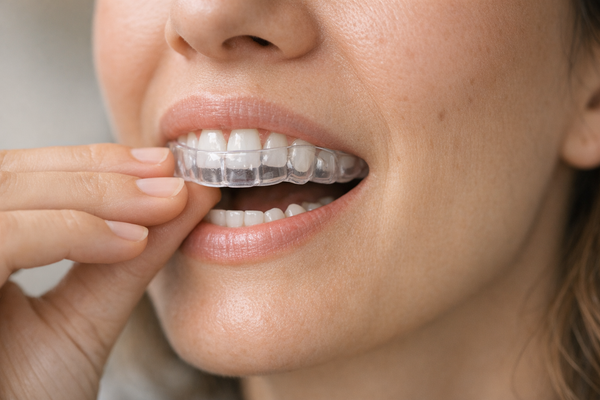
If you grind your teeth at night, ask your dentist about a custom night guard. While not a cure, it protects teeth and reminds your jaw to relax. For more on this, see TMJ Mouth Guard: Complete Guide.
Dietary Considerations
Food choices can affect TMJ pain:
- Soft switch: During flares, choose softer foods like fish or steamed veggies over steak or raw carrots.
- Anti-inflammatory options: Omega-3-rich foods like salmon, flaxseed, and walnuts may ease muscle soreness.
- Limit caffeine and alcohol: Both can increase muscle tension and disrupt sleep, worsening bruxism. You might find this article on caffeine and bruxism insightful.
- Stay hydrated: Aim for eight glasses of water daily to prevent muscle cramps.
Chewing gum? Avoid it until your jaw feels better.
Bonus sleep hack: Side-sleeping with a supportive pillow keeps the jaw in a neutral position and can reduce nocturnal clenching episodes.
When to Seek Professional Help
DIY methods have their limits. See a healthcare provider if:
- Pain rated above 7/10 persists after six weeks of exercises
- Your jaw locks open or closed for more than a few seconds
- Numbness, dizziness, or ear ringing occurs
- You suspect sleep apnea or severe nighttime grinding
An orofacial pain specialist or oral surgeon may suggest physical therapy, medications, injections, or, rarely, surgery. According to the surgeon survey mentioned earlier, surgery is a last resort when conservative care fails and imaging confirms structural damage. Advanced imaging can reveal issues that plain X-rays miss.
Conclusion
TMJ pain might seem mysterious, but evidence points to simple solutions. Regular jaw relaxation, targeted chin tucks, and resisted mouth opening can reduce discomfort for many. Research by Qu Jianing and Park Ji-Su shows that combining neck and jaw exercises offers additional benefits. Pair these exercises with stress management and smart eating for a low-cost plan grounded in science. Keep a pain log, listen to your body, and seek help if needed. Your jaw may not thank you, but the relief from clicks and aches will be noticeable.