The Role of Diet in Managing Bruxism: Foods That Help Teeth Grinding
Explore how your diet can influence bruxism symptoms and what foods may help alleviate teeth grinding.
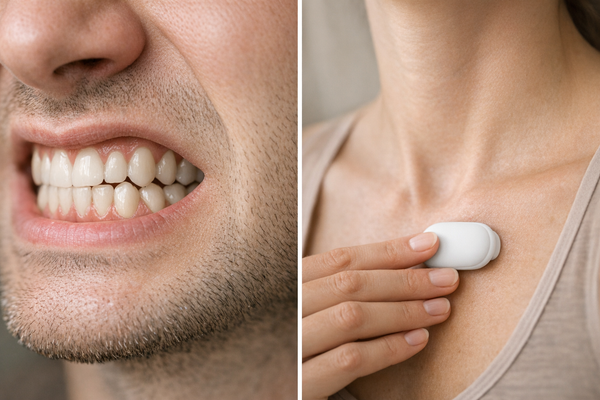
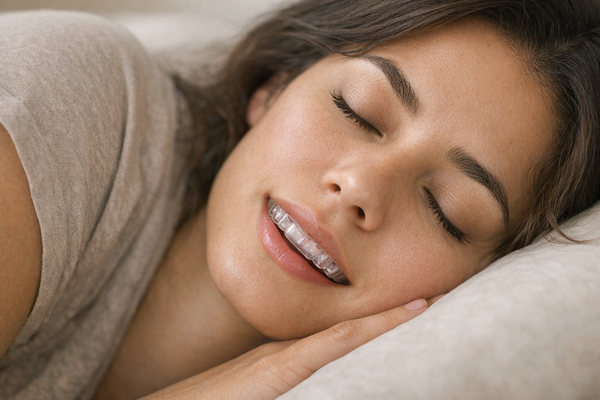
If you wake up with a sore jaw, a monster headache, or teeth that feel like they spent the night at a rock concert, you might be dealing with bruxism. Teeth grinding is common, but that does not mean it is harmless. While night guards and stress management often top the treatment list, research is starting to show that what you eat can dial grinding up or down. Yes, the same fridge you raid for midnight snacks might be making your nights noisier than they need to be.
Below is an evidence-based dive into how diet, inflammation, and lifestyle choices interact with bruxism. The tone is straightforward, occasionally cheeky, and always backed by solid science, so you can walk away with practical takeaways instead of dental bills.
Understanding Bruxism: Causes and Symptoms
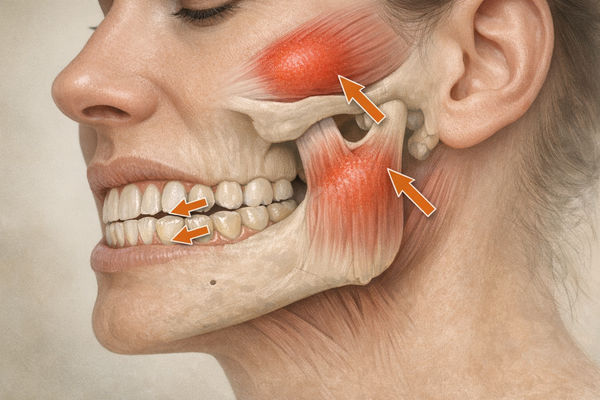
Bruxism is the repetitive clenching or grinding of teeth. It comes in two flavors: sleep bruxism, which happens when you are off in dreamland, and awake bruxism, which tends to strike during periods of intense focus or stress. Although dentists have known about bruxism for decades, the exact cause remains a tangled knot of factors that include stress, genetics, medications, and lifestyle.
Research is catching up. A study by Liye An et al. pinpoints chronic stress and systemic inflammation as top drivers. Meanwhile, an observational study by Lee Yeon-Hee and colleagues on adolescents separates acute jaw pain from chronic temporomandibular disorder (TMD), underlining that bruxism is not one-size-fits-all.
Here are some signs that typically tip dentists off:
- Worn tooth surfaces or flattened chewing edges
- Sore or tight jaw muscles, especially after waking
- Frequent headaches that radiate from the temples
- Ear pain without an ear infection
- Sleep disturbances (ask your partner, they will know)
Stress plays a starring role. The American Dental Association notes that psychological triggers—think job deadlines or doom-scrolling before bed—can prime your jaw for a workout. Lifestyle habits such as high caffeine intake or alcohol before sleep also worsen grinding, according to the Mayo Clinic overview of bruxism.
So, what does any of this have to do with your grocery list? More than you might guess. Let us connect the dots between inflammation, gut health, and those late-night molar marathons.
Inflammation, Gut Health, and Bruxism
Inflammation is the immune system’s alarm bell. Constant ringing keeps tissues all over the body—including oral tissues—on high alert. Chronic low-grade inflammation is linked to diabetes, cardiovascular disease, and yes, bruxism.
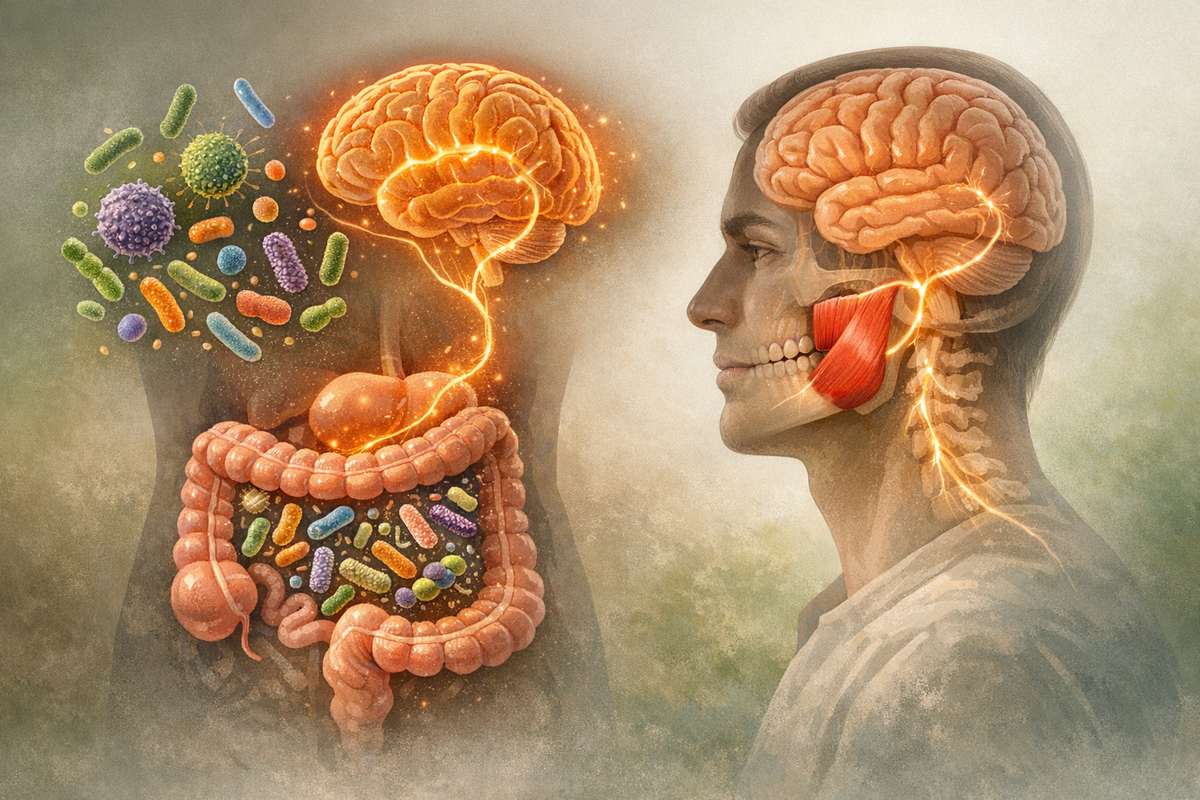
The gut is ground zero for both nutrients and inflammatory signals. Your microbiota manufacture neurotransmitters like serotonin and GABA, regulate immune responses, and influence the hypothalamic-pituitary-adrenal (HPA) axis that governs stress hormones. When the gut is out of balance, stress responses become exaggerated and inflammatory molecules spill into circulation.
This connection is spelled out in the review by Liye An et al. The authors describe how dysbiosis—an unhealthy shift in gut bacteria—can modify cytokine profiles and raise systemic inflammation. Elevated cytokines reach the trigeminal nerve complex that controls jaw muscles, making bruxism more likely. On the flip side, diets rich in fiber, polyphenols, and fermented foods support a diverse microbiome and lower inflammatory tone.
Short chain fatty acids (SCFAs), particularly butyrate, deserve a shout-out. Produced when gut bacteria ferment dietary fiber, SCFAs reinforce the gut lining and cool down systemic inflammation. High-fiber diets therefore ease the biological stress load on craniofacial muscles, reducing grinding intensity.
Practical gut-friendly moves include:
- Adding probiotic foods such as yogurt with live cultures or kefir
- Eating prebiotic fibers from oats, bananas, and asparagus
- Reducing ultra-processed foods that feed inflammatory bacteria
- Limiting alcohol, which can disrupt the gut barrier and sleep architecture
When you streamline gut health, you chip away at two major bruxism culprits: inflammation and stress.
The Impact of Nutrition on Oral and Dental Health
Before zeroing in on bruxism-specific foods, it helps to understand how diet shapes the broader landscape of oral health. Enamel erosion, dentin exposure, and periodontal inflammation can all set the stage for or worsen grinding.
Enamel is the hardest tissue in your body, but it is not invincible. Acidic foods and drinks soften enamel, making it more susceptible to mechanical wear from grinding. Dietschi Didier’s protocol on interceptive treatment of tooth wear underscores that early dietary counseling—like curbing high-frequency soda or citrus intake—delays severe tooth surface loss.
Tooth surface loss (TSL) is a blend of erosion, abrasion, and attrition. Attrition is basically bruxism in action. A review by Dhaliwal Gurleen and Ouanounou Aviv lists acid reflux, sports drinks, and acidic snacks as major players in TSL. If you grind teeth already softened by acids, you accelerate enamel loss.
Nutrients that keep enamel and supporting tissues resilient include:
- Calcium and phosphorus for remineralization
- Vitamin D for calcium absorption and immune modulation
- Vitamin C for collagen synthesis in periodontal ligaments
- Magnesium, which helps form hard enamel crystals
- Antioxidants (polyphenols) to reduce oxidative stress in oral tissues
Conversely, sugar fuels acid-producing bacteria like Streptococcus mutans. More acid means more demineralization and a softer grinding surface. A sugary, acidic diet is basically rolling out the red carpet for bruxism damage.
The National Institutes of Health’s Nutrition and Oral Health portal reinforces that balanced macronutrient intake and limited free sugars are foundational for oral wellness. Keep in mind, healthier teeth can physically withstand grinding better, but an anti-inflammatory, nutrient-dense regimen may also tone down bruxism triggers.
Foods That May Help Reduce Teeth Grinding
Ready for the grocery list? Below are nutrients and food groups that research and clinical experience associate with reduced bruxism severity. None are magic bullets, but together they create a biochemical environment that calms jaws instead of cranking them up.
Essential Nutrients
- Magnesium: This mineral relaxes skeletal muscles and modulates the nervous system. Spinach, pumpkin seeds, and black beans are top plant sources. Several dentists recommend a magnesium-rich dinner to ease nocturnal jaw tension.
- Calcium and Vitamin D: Strong teeth resist wear. Sardines with bones, tofu set with calcium sulfate, and fortified plant milks are convenient options. Aim for paired calcium and vitamin D (think salmon salad with leafy greens) to improve absorption.
- Omega-3 Fatty Acids: EPA and DHA have anti-inflammatory powers. A lifestyle-medicine overview by Ciantelli Nara Maria Menezes et al. notes that omega-3 intake correlates with lower periodontal inflammation and improved sleep quality, both of which lighten the bruxism load. Choose fatty fish like mackerel or plant sources like chia seeds.
- B-Complex Vitamins: These support neurotransmitter synthesis. Whole grains, legumes, and eggs cover several B vitamins in one plate. Vitamin B5 and B6 are especially helpful for adrenal function, potentially taming stress-related grinding.
- Probiotics and Fermented Foods: Yogurt with live cultures, kimchi, and miso enhance gut microbial diversity, indirectly lowering systemic inflammation. See the earlier discussion on SCFAs for why that matters.
- Polyphenols: Green tea, berries, and dark chocolate (70 percent cacao) pack antioxidants that blunt oxidative stress in periodontal tissues. They also influence oral bacteria, shifting the community away from cavity-causing strains.
Foods to Avoid
- Caffeinated beverages after noon: Caffeine amps up the central nervous system, reducing sleep depth and increasing muscle micro-arousals that fuel grinding. Switch to herbal teas in the afternoon.
- Alcohol before bed: Alcohol fragments sleep cycles. The Cleveland Clinic observes that bruxism episodes spike in the REM rebound that follows alcohol metabolism.
- Refined sugars and sticky candies: They encourage acidic plaque and weaken enamel. Softer enamel plus grinding equals double trouble.
- Very hard foods at night: Ice chewing, unpopped popcorn kernels, or hard nuts may fatigue jaw muscles, setting them up for more clenching during sleep.
- Highly acidic snacks: Citrus fruits, vinegar-heavy foods, and carbonated sodas soften enamel if not buffered by saliva or water. If you must indulge, rinse with water afterward.
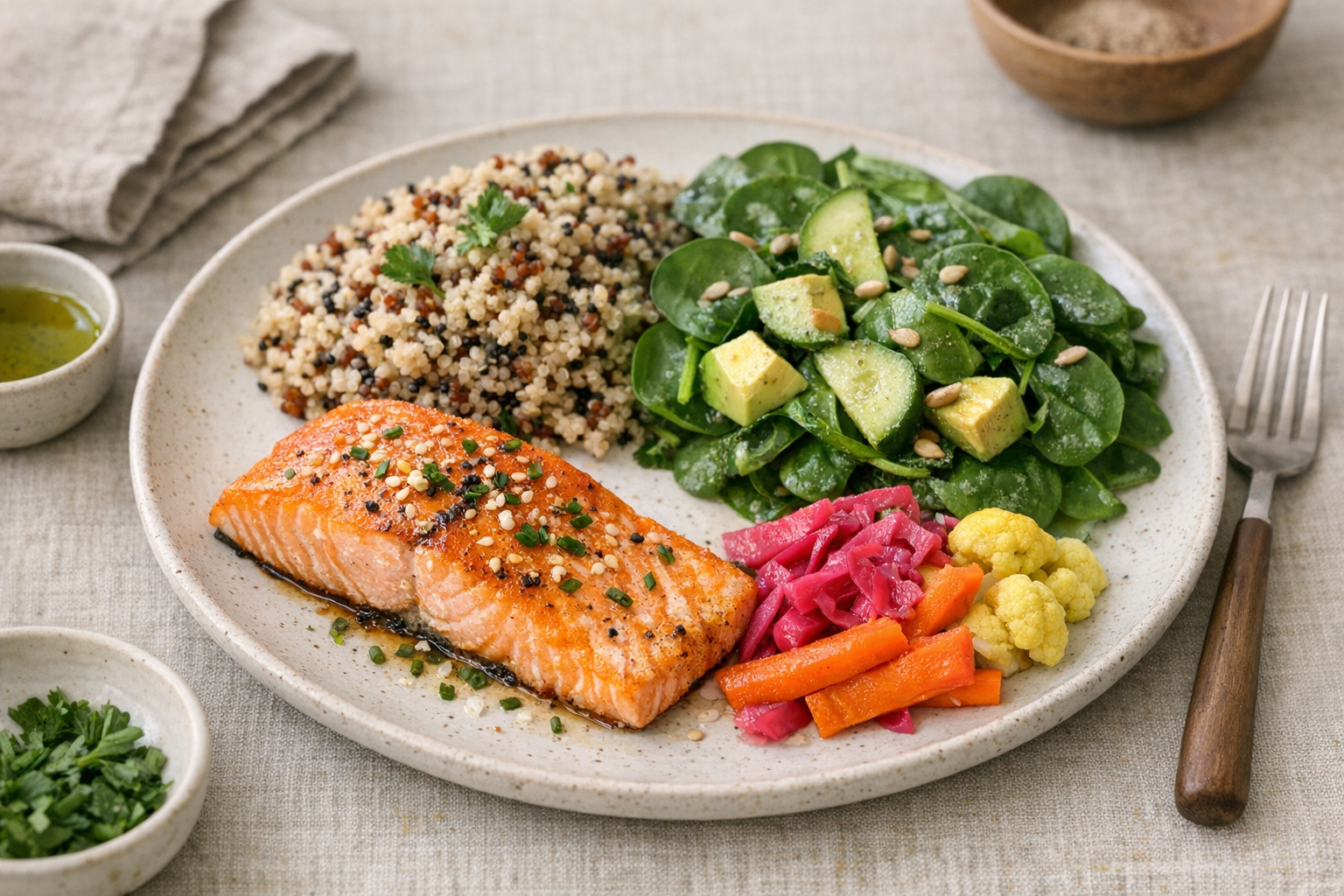
Consider building your evening menu around a “calm plate”: baked salmon, quinoa, a spinach salad with olive oil, and a side of probiotic-rich sauerkraut. Dessert? A small bowl of Greek yogurt with berries and a sprinkle of pumpkin seeds. You cover magnesium, calcium, vitamin D, omega-3s, probiotics, and antioxidants in one sitting.
The British Dental Association’s guidelines on diet and oral health echo many of these suggestions, especially limiting free sugars and acidic beverages. Combine those insights with the nutrient list above, and you have a practical blueprint to make your mouth a no-grind zone.
Lifestyle Changes for Better Oral Health
Food is a powerful lever, but bruxism is rarely solved by diet alone. Holistic lifestyle tweaks can drop grinding frequency and intensity even further.
The review by Ciantelli Nara Maria Menezes and colleagues frames oral health and lifestyle medicine as a two-way street. When you improve sleep hygiene, stress coping, and physical activity, you not only lower cardiovascular risk but also create an environment where bruxism wanes.
- Sleep Hygiene: Go to bed and wake up at consistent times. Keep the bedroom cool, dark, and gadget-free. Adequate REM sleep appears to reduce sleep bruxism episodes.
- Mindfulness or Yoga: Stress reduction strategies lower sympathetic nervous system activity, the same pathway that drives jaw clenching. Even ten minutes of deep breathing before bed can help.
- Regular Exercise: Physical activity improves insulin sensitivity and lowers systemic inflammation, both linked to bruxism triggers.
- Avoid Chewing Gum Excessively: Overworked jaw muscles during the day remain hyperactive at night.
- Hydration: Saliva acts as a natural mouthguard, buffering acids and reducing friction. Aim for about two liters of water daily, more in hot climates or after exercise.
If symptoms persist, dental appliances like custom night guards remain the frontline mechanical fix. Still, combining them with dietary and lifestyle adjustments gives you the best shot at long-term relief.
The Connection Between Nutritional Status and Oral Health in Older Adults
Bruxism is not just a young person’s problem. Older adults face unique challenges: reduced saliva flow, multiple medications, and often fewer natural teeth, all of which can alter chewing efficiency and dietary choices.
An analysis by Yanan Wang et al. on Chinese seniors shows that tooth count predicts frailty, and nutritional status acts as a bridge in that relationship. Fewer teeth make certain foods harder to chew, leading to lower protein and micronutrient intake, which in turn accelerates muscle wasting and cognitive decline.
Grinding in older adults can therefore become a vicious cycle: bruxism wears down teeth, tooth loss narrows the diet, and poorer nutrition weakens muscles—including jaw muscles—making grinding more damaging.
Strategies for seniors include:
- Soft but nutrient-dense foods: Oatmeal fortified with protein powder, stewed lentils, or mashed avocado give calories and minerals without tough chewing.
- Vitamin D and calcium supplementation: Consult a clinician for dose, especially if sun exposure is limited.
- Frequent dental check-ups: Early detection of enamel wear allows for minimally invasive restorations that maintain chewing function.
- Intraoral fitness: Simple resisted jaw opening and closing exercises improve muscle tone and help redistribute bite forces.

Organizations like the American Dental Association emphasize that individual risk factors multiply with age. Tackling nutrition and bruxism together can therefore extend both quality of life and healthy life years.
Conclusion: A Balanced Diet for Bruxism Management
Teeth grinding may start in your sleep, but it is influenced by choices you make while awake—especially at the dinner table. Research from Liye An et al., Dietschi Didier, and others shows that anti-inflammatory, mineral-rich foods support enamel, calm muscles, and modulate stress. Combine smart nutrition with lifestyle medicine pointers like better sleep hygiene and mindfulness, and you create a multi-layered defense against bruxism.
So, before ordering another late-night espresso or chomping ice during a tense meeting, remember: your jaw keeps score. Feed it magnesium, omega-3s, and probiotic-boosted meals instead. Your molars—and likely your morning mood—will thank you.