Natural Jaw Tension Relief: Stress-Free Solutions
Explore natural ways to relieve jaw tension from stress without invasive methods.
Clenching your jaw when the deadline clock is ticking is almost a modern rite of passage. For many people, that tension turns into clicking, aching, or full-on night-time tooth grinding that wakes the household dog. The good news is you do not have to jump straight to injections or surgery to alleviate this issue. A growing body of clinical research and practical lifestyle changes can help you naturally find relief from jaw tension, often linked to stress, bruxism, and sleep disorders.
This article explores the research, mixes in some real-world tips, and provides stress-free solutions you can try tonight. Grab a cup of tea, unclench your molars, and read on.
Understanding Jaw Tension and Its Causes
The Link Between Stress and Jaw Tension
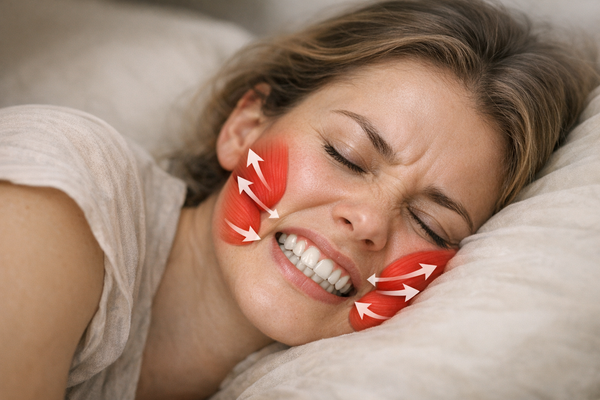
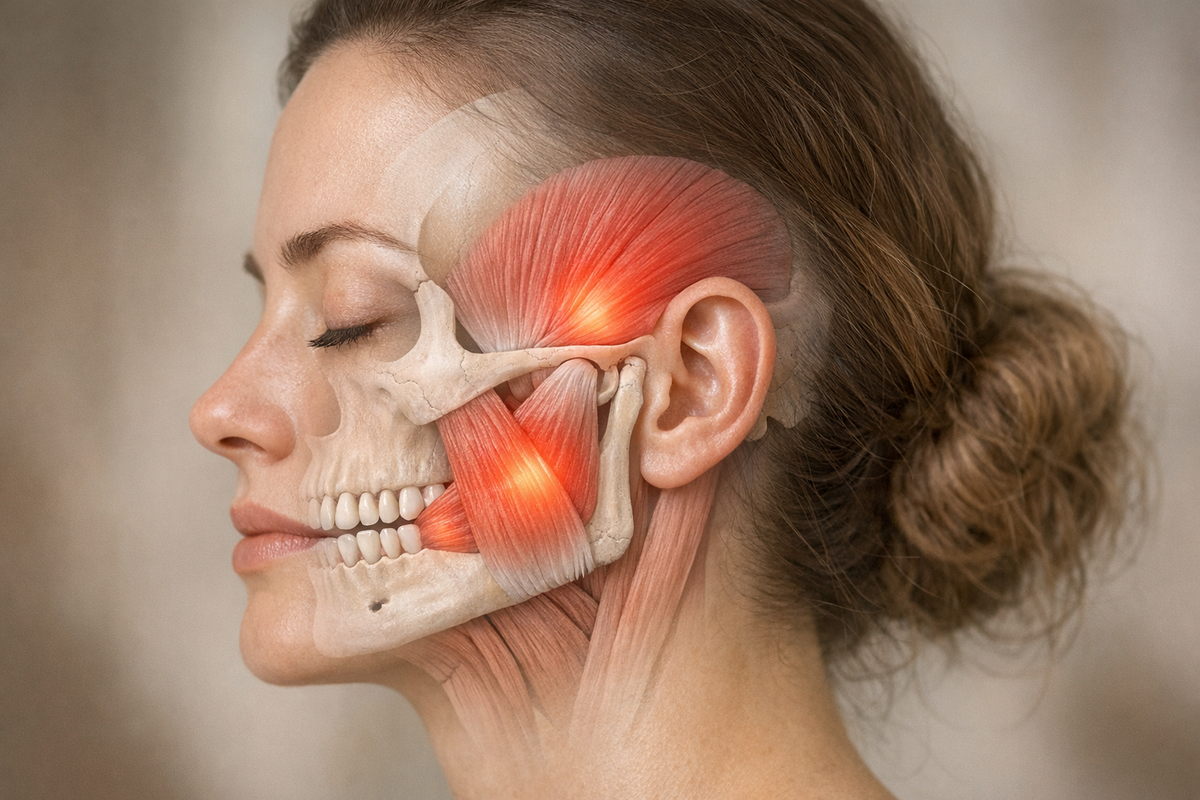
Jaw tension occurs when the muscles that lift and close your jaw remain contracted longer than they should. Emotional stress is a primary trigger. When you feel threatened or overwhelmed, your body initiates a fight-or-flight response. Cortisol floods your system, heart rate increases, and muscles tighten—including your jaw. Repeated episodes can leave these muscles shortened and sore.
The connection is evident in clinical records. A review of patients who were mechanically ventilated reported that many developed temporomandibular joint problems once extubated. While focused on hospital settings, it highlights how prolonged muscle clenching—whether from a breathing tube or daily stress—can disrupt jaw balance.
Population data further support this. The American Dental Association estimates that 10–15 percent of adults grind their teeth at night, a condition known as bruxism. Stress is a leading contributor. As stress increases, so does grinding intensity and frequency, turning occasional tension into a chronic issue. Learn more about stress and anxiety triggers of jaw clenching and ways to manage tension.
Symptoms of Jaw Tension
- Persistent ache along the jawline or in the temples
- Popping or clicking noises when you open wide
- Mornings that start with a dull headache or sore teeth
- Difficulty chewing chewy foods or yawning fully
- Earaches that an ENT later blames on your jaw, not your ears
Left unchecked, tight jaw muscles can irritate neighboring nerves and lead to tension headaches. A pilot intervention that used collagen injections for headache relief noted jaw muscle tension as a co-factor in many participants. This suggests that your headache might originate from jaw tension.
Because jaw tension often hides behind generic headaches or neck pain, many people do not realize the root cause. Recognizing the signs allows you to act before damage—like cracked molars—sets in. To differentiate between jaw pain and more serious conditions, see how to distinguish jaw pain from anxiety or a heart attack.
Mindfulness Techniques for Jaw Relaxation
Mindfulness-Based Stress Reduction (MBSR)
Mindfulness is more than sitting cross-legged. It involves systematic attention training to reduce the mental noise that keeps your muscles on high alert. Mindfulness-Based Stress Reduction, founded at the University of Massachusetts, is a widely studied program.
A recent clinical trial in China examined how MBSR affected healthcare workers, known for clenched jaws and night shifts. After eight weeks of guided meditation and body scans, participants reported significantly lower stress levels and better sleep. Less stress means fewer cortisol spikes and, consequently, less jaw clenching.
You do not need an ashram. Set a timer for 10 minutes, sit in a chair, and follow a simple script:
- Close your eyes and notice the feeling of your feet on the floor.
- Shift attention to your breath. Feel air at the tip of your nose.
- When thoughts arise—like tonight’s dinner or tomorrow’s meeting—label them “thinking” and return to your breath.
- On each exhale, imagine the muscles near your ears melting like ice on a warm day.
Repeat daily for a week and track changes in jaw comfort. Most people notice a difference by day three.
Breathing Exercises
Breath work serves as a gateway to deeper mindfulness. Slow, controlled breathing activates the parasympathetic nervous system—the body’s built-in relaxation mode.
Try the 4-6 count:
- Inhale through the nose for four counts.
- Hold for one beat.
- Exhale through pursed lips for six counts.
Research from the Cleveland Clinic shows that extended exhalation can lower blood pressure and muscle tension. Combine this with a gentle jaw massage: as you breathe out, glide your index and middle finger along the masseter (the thick cheek muscle) in slow circles. This pairing conditions your brain to associate exhalation with physical release.

The Role of Sensory Tools in Stress Management
How Sensory Toys Help
If you have ever squeezed a stress ball and felt calmer, you have experienced sensory grounding. The brain can process only so many sensory inputs at once. Channeling restless energy into your hands can lower perceived stress.
A behavioral science review examined the rise of fidget spinners, cubes, and putty over the last decade. Researchers concluded that tactile stimulation offers a non-pharmacological path to stress relief by engaging the somatosensory cortex. Lower stress translates to reduced jaw muscle engagement.
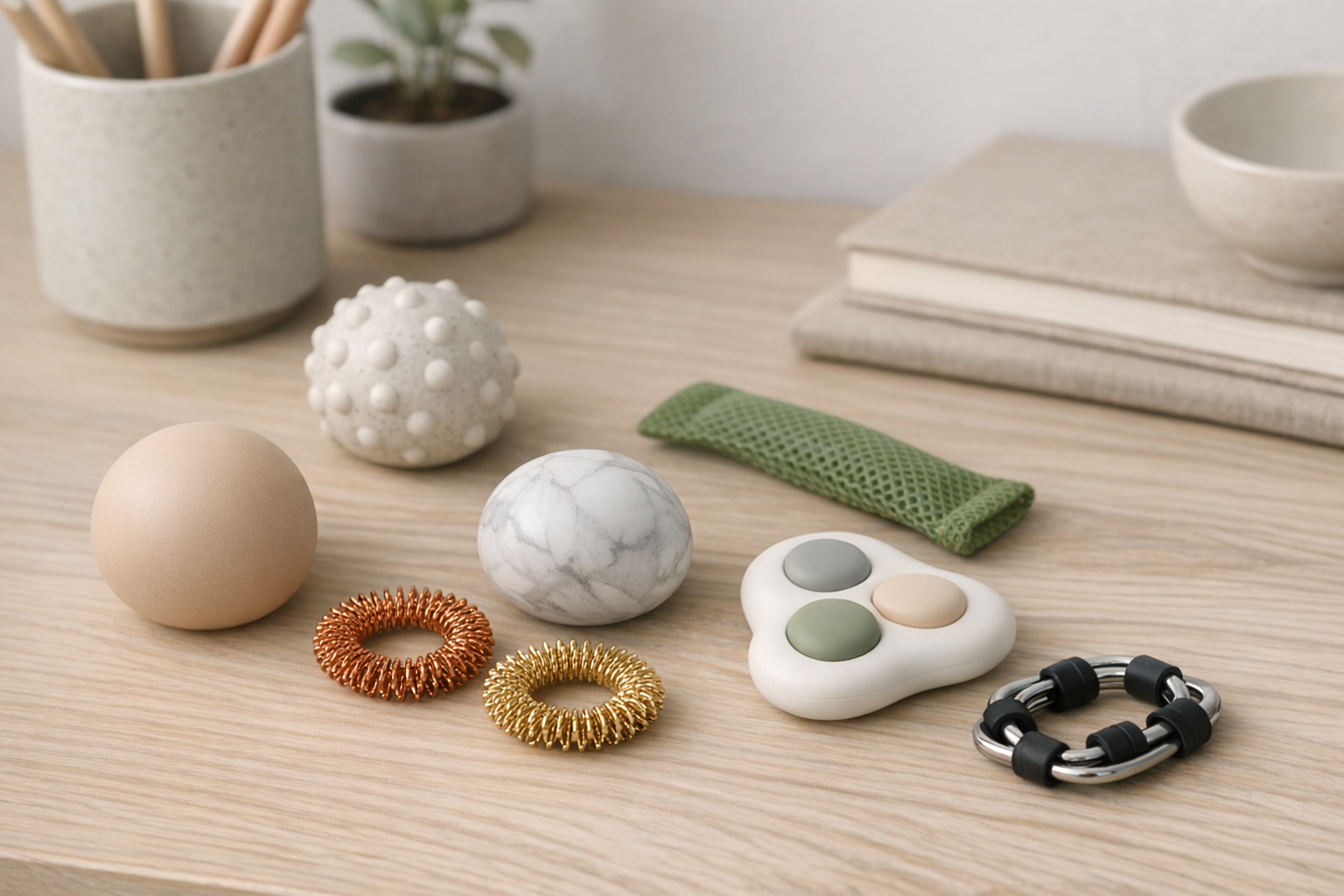
Practical translation: keep a silicone fidget ring or a soft therapy putty at your desk. Each time you notice your teeth touching (they should rest apart when relaxed), redirect your jaw effort to your fingers. You retrain muscle memory from clench to squeeze—in the hands, not the mouth.
Best Practices for Using Sensory Tools
- Match texture to preference. Some people calm down with smooth metal rings, others need squishy gels. Test a few.
- Time-block use. Five-minute fidget breaks every hour outperform one long session. Consistency keeps arousal levels stable.
- Add breath work. Pair squeezing with slow exhalations to stack relaxation cues.
- Keep it silent. Clicking pens can annoy coworkers. Choose noise-free gadgets.
Remember: You are not reverting to kindergarten by fiddling with a toy. You are hacking your neurophysiology—grown-up style.
Dietary and Herbal Remedies for Jaw Tension
Beneficial Herbs and Supplements
Muscle tension has a biochemical side. Chronic stress elevates oxidative molecules called free radicals, which can irritate muscle tissue. Antioxidant-rich foods help neutralize them, indirectly easing tension.
Basil may become your new favorite muscle-relaxing herb. Studies have shown that polyphenols from basil leaves can reduce oxidative stress. Incorporate fresh basil into salads or steep the leaves into tea for a mild calming effect.
Other helpful additions:
- Magnesium citrate – Acts as a natural calcium channel blocker, allowing muscles to relax. Explore the role of magnesium deficiency in teeth grinding.
- Chamomile tea – Contains apigenin, a flavonoid that binds to brain receptors involved in sedation.
- Omega-3 fatty acids – Lower systemic inflammation, found in fatty fish and flaxseed oil.
Foods to Avoid
Some foods can increase tension. Caffeine, for instance, stimulates the central nervous system. If you must have coffee, limit it to the morning. Alcohol, although initially sedating, disrupts sleep and can trigger grinding episodes. Sugary foods cause blood glucose swings that spike adrenaline, another jaw-tightening hormone.
Chewy snacks like bagels and gum overwork the masseter. Opt for softer options until your muscles recover. Your jaw is not a gym—more reps are not better.
For personalized guidance, the National Center for Complementary and Integrative Health suggests logging meals alongside tension flare-ups for two weeks. This often reveals unexpected culprits. For additional insights on foods that may affect teeth grinding, consider avoiding caffeine late at night.
Thermal Imaging and Non-Invasive Diagnostics
Using Infrared Thermography
Ever wish you could see muscle tension? Thermal imaging makes that nearly possible. Overactive muscles generate more heat due to increased blood flow. Infrared cameras translate surface temperature differences into color maps, highlighting areas of strain.
Research has demonstrated the utility of thermography in patients using night-time splints. Over several weeks, the camera showed cooler temperatures in the masseter and temporalis muscles, indicating reduced tension. This technology provides instant feedback without invasive procedures.
Some clinics and progressive dental offices now offer thermal scans as part of TMJ evaluations. The scan takes under five minutes, requires no contact, and can motivate you by turning invisible muscle stress into a visible color chart. Explore more about effective TMJ pain management.
Interpreting Results
Here is how to read a basic jaw thermogram:
- Red or white spots – Hot zones. Likely overactive muscles or inflammation.
- Uniform green or blue – Cooler and happier tissue.
- Asymmetry – One side hotter means you probably chew or clench more on that side.
Use the baseline scan as your starting line. After practicing mindfulness, adjusting your diet, and possibly adding a splint, re-scan in six weeks. Cooler images confirm progress without guesswork.
Practical Tips for Daily Stress Reduction
Establishing a Healthy Routine
All the fancy scans in the world mean little if you go to bed wound up like a tight spring. The cornerstone of jaw peace is a routine that signals your body it is safe to relax.
Build a bedtime wind-down:
- 90 minutes before sleep: Shut down work emails. Blue-light screens keep cortisol elevated.
- 60 minutes before: Brew chamomile or basil tea. Minimal fluid means fewer bathroom trips later.
- 30 minutes before: Do a 5-minute jaw stretch: open your mouth in an “O,” move your lower jaw left then right gently, then relax.
- Lights out: Place your tongue on the roof of your mouth, tip behind the upper front teeth. This naturally separates the teeth and signals rest mode.
The Mayo Clinic recommends keeping bedroom temperature between 60-67 °F for optimal muscle recovery during sleep.
Quick Stress Relief Hacks
Life happens. When your boss drops a last-minute project or traffic eats your lunch break, try these on-the-spot fixes:
- Jaw Wiggle: Let your jaw hang slack and gently shake your head “no” to loosen the joints.
- Cold Spoon Trick: Store a metal spoon in the office fridge. Press the back against tense jaw muscles for 30 seconds.
- Progressive Release: Tense your fists for 3 seconds, then release. Move up to biceps, shoulders, and finish at the jaw. Contrast amplifies relaxation.
- Laugh Scroll: Save a playlist of short comedy clips. Laughter drops stress hormones and physically opens the jaw.
The American Psychological Association notes that micro-breaks like these, done throughout the day, keep stress buildup below the clenching threshold.
Conclusion
Jaw tension is not a life sentence, and you do not need a prescription pad to start feeling better. Scientific evidence links stress to overactive jaw muscles, but the same science offers tools—mindfulness, sensory grounding, antioxidant-rich foods, and even infrared cameras—to break the cycle.
Pick one technique from each category: a 4-6 breath exercise, a basil-powered dinner, a fidget ring during Zoom calls, and a nightly jaw stretch. Track your progress with symptom notes or, if available, a thermal scan. Small, consistent actions are more effective than occasional efforts.
Your jaw’s natural state is relaxed, teeth apart, and lips closed. Return it there, and you just might notice your whole body sigh in relief.