How Stress and Anxiety Trigger Teeth Clenching at Night
Explore how stress and anxiety lead to nighttime teeth clenching and ways to manage it.
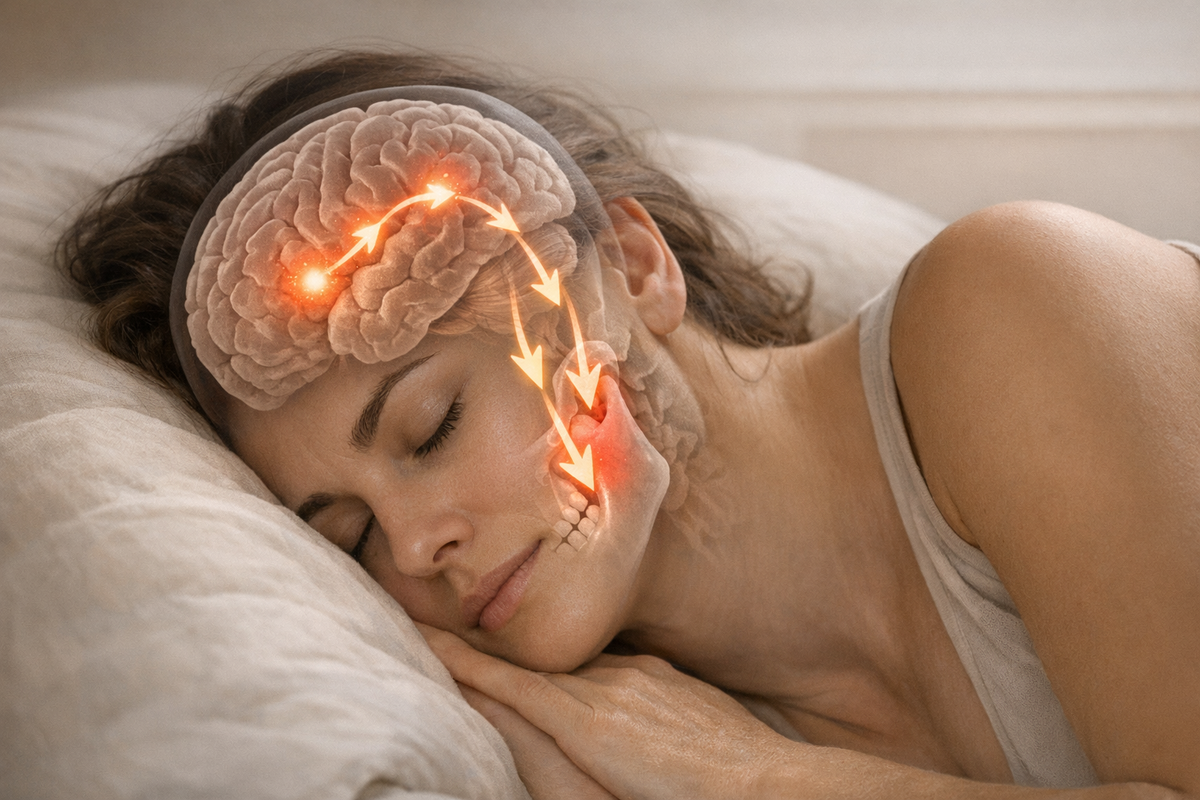
You might think you relax when you hit the pillow, but your jaw could be working overtime. Nighttime teeth clenching, a type of bruxism, is common, hard to notice, and deeply connected to stress and anxiety. Research shows a strong link between bedtime grinding and what's happening in your mind. Fortunately, there are proven strategies to help you manage it. Here's what current research reveals, explained in everyday language you can use.
Understanding the Connection Between Stress and Nighttime Teeth Clenching
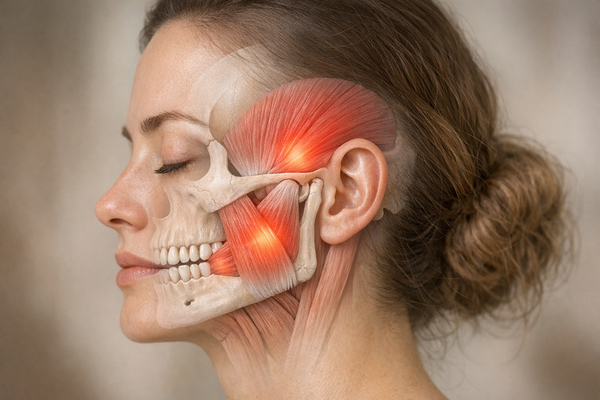
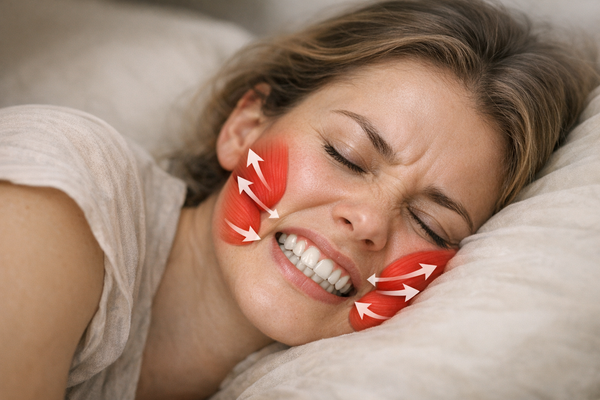
Stress is your body's way of handling threats. Your brain releases hormones like cortisol and adrenaline, preparing your muscles to act. This response is vital in real emergencies. However, when stress comes from work or daily life, the same system continues running, even as you sleep. Your jaw muscles, among the strongest in the body, remain active, leading to grinding and clenching.
Researchers study this link closely. In a study conducted by Ruy Teichert Filho and colleagues, higher stress scores among military police officers were linked to greater chances of both sleep and awake bruxism. The study also found that those with chronic stress often reported jaw pain, reinforcing the stress-clench connection.
Long-term studies provide additional insights. Research by Emodi-Perlman et al. showed that during high-stress periods, participants experienced more instances of awake bruxism. Although focused on daytime grinding, the authors suggested that the same stress pathways could trigger nighttime clenching.
Your stress hormones don't shut down at night. Elevated cortisol levels can disrupt deep sleep cycles, the phases where your body is usually still. These disruptions can lead to muscle twitches, which contribute to sleep bruxism.
The cycle can be self-reinforcing. Stress leads to clenching, causing jaw pain, which then adds to stress. Dentists often identify stress through tooth wear patterns. The American Dental Association notes that enamel wear and chipped edges indicate chronic stress affecting the bite. To better understand the differences between jaw pain caused by anxiety and other conditions, such as heart attacks, you can read more about jaw pain anxiety or heart attack.
In summary, ongoing stress keeps your body's emergency systems active, and your jaw muscles join in during sleep.
The Role of Anxiety in Teeth Clenching
While stress and anxiety are related, they're not the same. Stress usually comes from external triggers, like exams. Anxiety is more of an ongoing internal alarm. This constant worry affects your jaw too.
Research by Belenda González Iria et al. found that adults with generalized anxiety disorder are at higher risk for both awake and sleep bruxism. The study pointed to serotonin imbalance as a possible link, connecting anxious thoughts with muscle activity during sleep.
Anxiety increases heart rate and breathing, heightening muscle tension. Even if you try to relax before bed, an anxious mind may become active during sleep cycles. Sleep studies show that anxiety can lead to bursts of jaw muscle contractions during rapid eye movement (REM) sleep.
Medical students provided a practical example. A survey by Sanya Patel and Dr. Tejashree Kumbhar found that students with high anxiety reported more sleep bruxism. Anxiety scores, not just workload, predicted grinding risk, suggesting that internal worries drive jaw activity.
Physiologically, anxiety keeps you alert. In deep sleep, your brain should relax jaw muscles. However, anxiety maintains muscle tension, making clenching more likely. Electromyography studies show that anxious sleepers have higher muscle activity throughout the night. For more on the causes and management of jaw clenching, explore the stress and anxiety triggers explained.
Simply put, if your brain stays on alert after bedtime, your jaw acts as a night watchman, tightening with each perceived threat.
Psychological Factors and Personality Traits
Stress and anxiety aren't the whole story. Different people react differently to stress. Personality traits and coping styles influence who clenches and who lets it go.
Coping Mechanisms
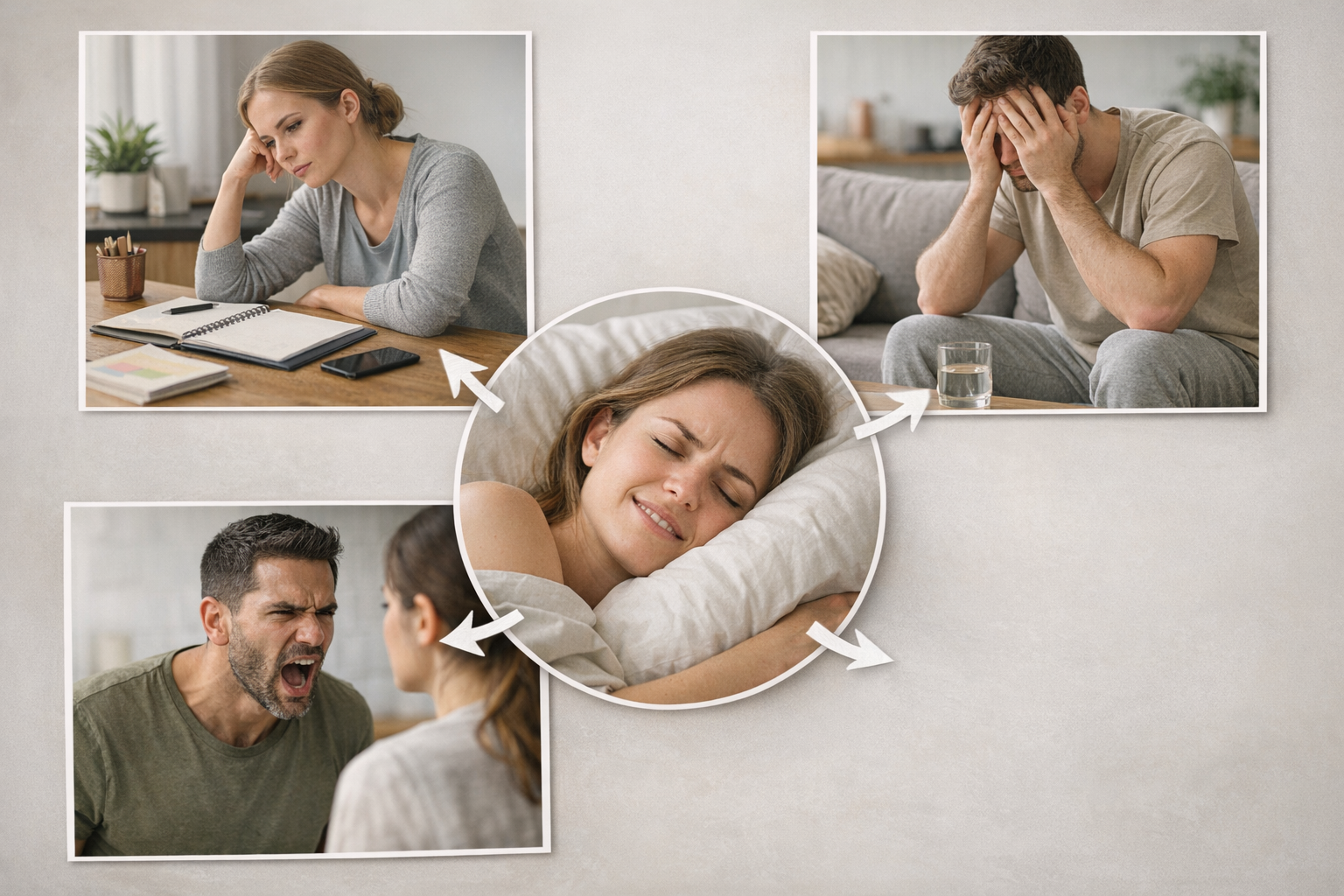
Coping strategies are the mental tools you use when facing challenges. Adaptive coping, like problem-solving or seeking support, typically prevents muscle tension. Maladaptive coping, such as bottling emotions, tends to increase tension.
A study by Wieczorek Tomasz and colleagues measured sleep bruxism while surveying coping habits. People who avoided dealing with stress showed more jaw muscle activity during sleep, suggesting that unprocessed emotions lead to muscle tension.
Personality Traits
Some traits increase the likelihood of clenching at night:
- Perfectionism. Constant self-critique creates ongoing stress. Perfectionists in the Wieczorek study experienced longer grinding episodes during lighter sleep stages.
- Neuroticism. People high in neuroticism react strongly to minor stressors, with jaw muscles responding quickly to sleep disruptions.
- Hostility or anger suppression. If you suppress anger, your jaw might express it. Studies link elevated jaw muscle activity with suppressed anger.
Interestingly, extraversion seems protective. People who express themselves verbally experience fewer bruxism events, likely because talking relieves emotional tension before it affects the jaw.
Understanding your psychological profile can guide interventions. For instance, a perfectionist might benefit from cognitive-behavioral techniques to challenge all-or-nothing thinking, while someone with high anxiety might find relaxation training helpful.
Impact of Stress and Anxiety on Oral Health
Teeth clenching isn't just a habit; it affects your mouth. Chronic bruxism can flatten teeth, crack enamel, loosen fillings, and strain the jaw joint. Gum recession and tooth sensitivity often follow. Dentists sometimes find vertical cracks in enamel, like fault lines ready to break under pressure.
Pregnant women face additional challenges. A study by Burcu Küçükkaya et al. found that higher stress and anxiety during pregnancy led to more frequent bruxism, which correlated with gum inflammation. Hormonal changes already affect gum health, and grinding worsens the situation.
Jaw joint pain is another issue. A pilot study by Freyne et al. mapped TMJ pain patterns and linked them to stress behaviors, like clenching in traffic or during late-night study sessions. Over time, the constant pressure can change the joint, causing clicks, pops, or even lockjaw. For effective ways to manage TMJ pain, consider learning about TMJ pain management.
Beyond teeth and joints, bruxism affects dental work. Crowns and veneers, while durable, aren't indestructible. Grinding doubles the stress they endure. According to the American Dental Association, grinders are three times more likely to damage dental restorations.
Unchecked, the dental costs add up. Custom night guards help protect teeth but don't address the psychological causes. That's why modern care often combines dental appliances with stress reduction programs.
Gender Differences in Bruxism and Stress Response
Does gender influence grinding? Evidence suggests it does, though the difference isn't vast.
A study by Ana González González et al. in Spain found that women reported slightly higher stress and anxiety, with more potential sleep bruxism cases than men. However, men who did grind tended to do so more forcefully, as seen in bite-strip wear patterns.
Biological factors contribute. Estrogen affects pain perception and joint flexibility, possibly making women more sensitive to TMJ discomfort. Men typically have larger jaw muscles, producing stronger bite forces and increasing mechanical wear.
Social factors also play a role. Women may internalize stress, leading to habits like clenching. Men might express stress physically, sparing the jaw during the day but not during sleep, when conscious coping stops.
Clinicians consider these differences when planning treatment. For instance, a thinner, more flexible night guard may suit women with sensitive joints, while reinforced guards might benefit men with high bite forces.
Managing Stress and Anxiety to Reduce Teeth Clenching
You can't eliminate stress, but you can change how your body and mind react to protect your jaw. The following strategies combine evidence-based psychology with practical lifestyle changes.

Lifestyle Changes
- Sleep hygiene. Stick to a consistent bedtime, keep your room dark and cool, and avoid screens 30 minutes before bed. The Cleveland Clinic notes that better sleep quality reduces bruxism by lowering micro-arousals. You can learn more about how sleep positions influence nighttime teeth grinding.
- Caffeine and alcohol limits. Both increase muscle activity during sleep. Avoid caffeine after noon and limit alcohol near bedtime to calm the nervous system. For more insight, read about why you should avoid caffeine late at night, especially if you grind your teeth, in this article.
- Jaw relaxation exercises. Before bed, place your tongue behind your upper front teeth, drop your jaw, and gently move it side to side. This helps release tension.
- Regular workouts. Exercise reduces stress hormones. Just finish intense workouts at least two hours before bed to allow your body to relax.
- Nutrition check. Low magnesium or vitamin D can increase muscle tension. Discuss testing and supplementation with your healthcare provider. Explore the role of magnesium deficiency in teeth grinding and whether supplements can help in this article.
Therapeutic Approaches
- Mindfulness-Based Stress Reduction (MBSR). Studies show that MBSR programs reduce cortisol and muscle tension. Start with ten minutes of guided breathing using an app.
- Cognitive-Behavioral Therapy (CBT). CBT helps you challenge negative thoughts that increase anxiety. Dentists and therapists often work together, reducing bruxism severity within three months.
- Biofeedback mouthpieces. These devices vibrate when they detect clenching, gently waking you to stop. Early trials show significant reductions in episodes over weeks.
- Physical therapy. TMJ physiotherapists use techniques to relieve jaw muscle tension.
- Night guards. Custom guards protect teeth, spreading pressure to prevent damage, while psychological interventions address the root causes. To explore the differences between over-the-counter and custom-fitted options, you can read about OTC vs custom night guards.
- Medication. In severe cases, short-term muscle relaxants or low-dose antidepressants might be prescribed. Discuss risks and benefits with your doctor.
Combining at least two strategies often yields the best results. For example, use a night guard with CBT sessions for immediate protection and long-term stress reduction. The American Psychological Association emphasizes that multi-modal approaches are more effective than single solutions.
Conclusion
Your jaw shouldn't bear the burden of stress. Research from sleep medicine, psychology, and dentistry confirms that stress and anxiety contribute to nighttime teeth clenching. Personal factors like personality traits and gender influence the risk, while unchecked grinding damages oral health. The good news is that targeted stress management, combined with dental protection, can break the cycle. Assess your stress and anxiety levels, then mix lifestyle changes, therapeutic support, and, if needed, a reliable night guard. Your teeth will thank you, and you might finally enjoy a restful night's sleep.