Can You Wear a Night Guard After Wisdom Teeth Removal?
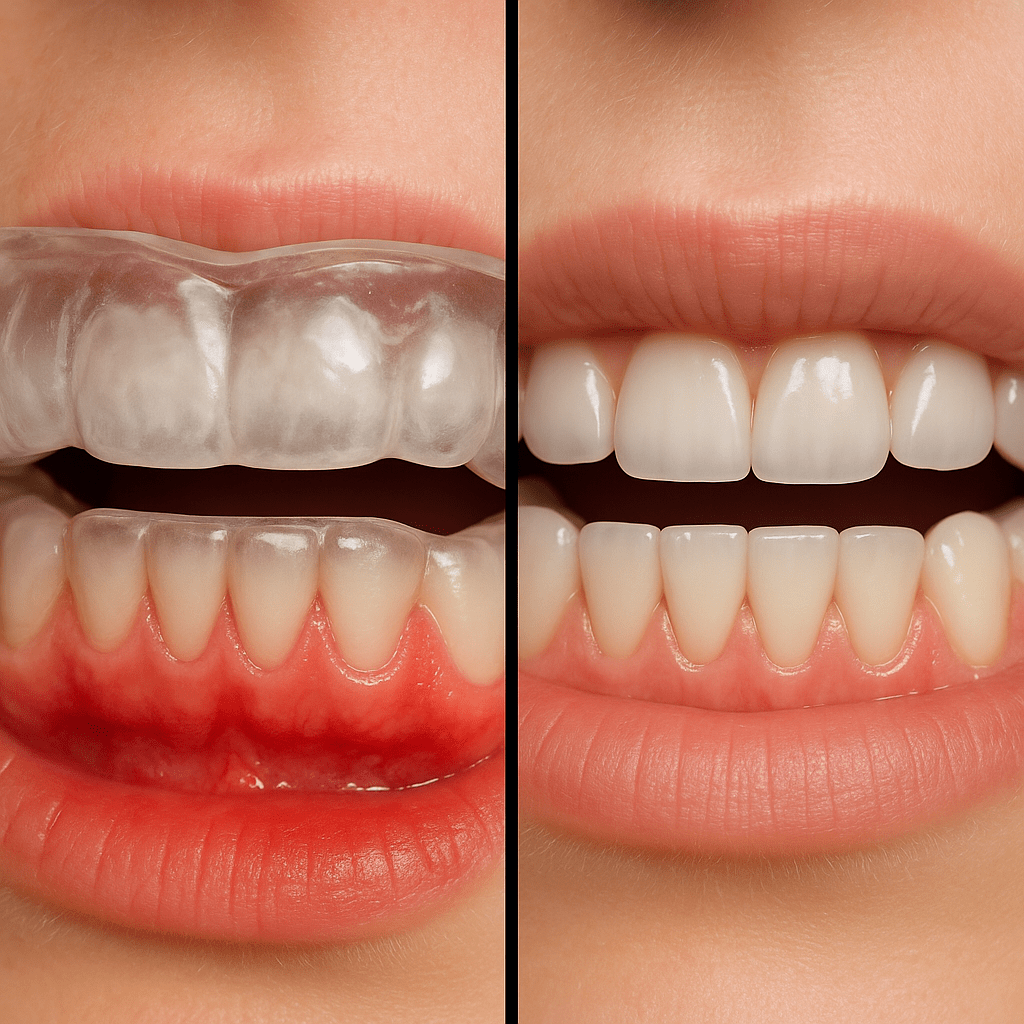
Just had your wisdom teeth removed? Find out if it’s safe to wear your night guard and how to protect your healing gums while managing teeth grinding.
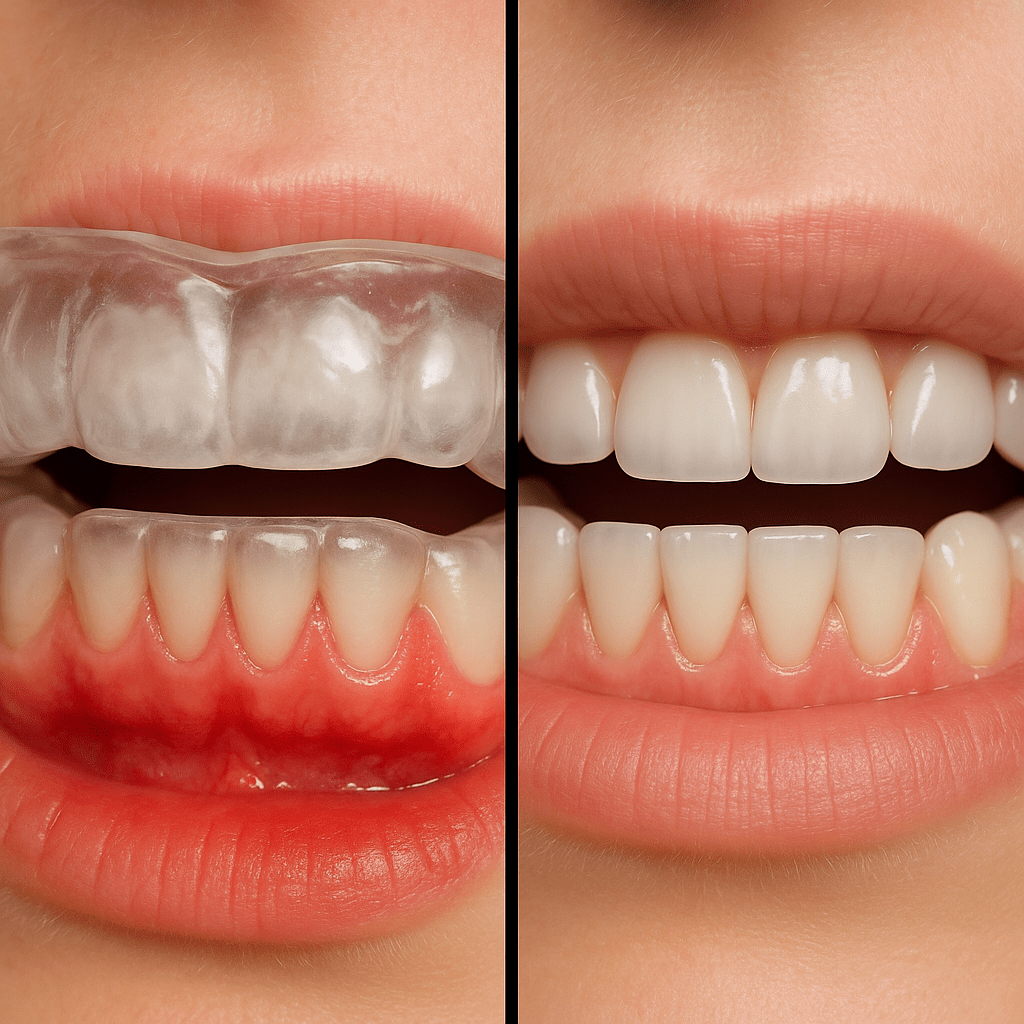
Why Night Guards Matter for People With Bruxism
If you're a teeth grinder, you already know the value of a good night guard. These custom-made devices can shield your enamel, reduce jaw strain, and help you sleep better. But what happens when you undergo oral surgery? Do you need to take a break from your guard?
The Wisdom Tooth Healing Timeline
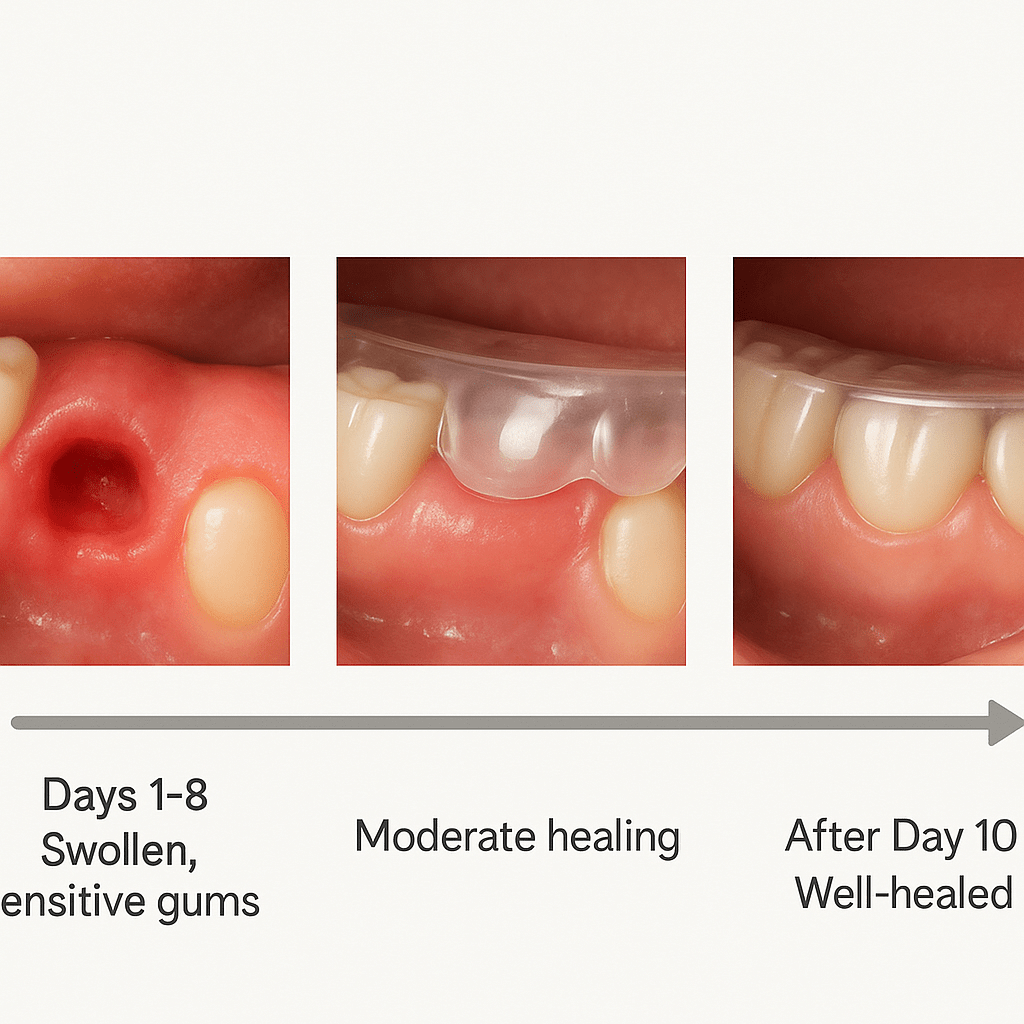
Most people experience swelling and soreness for about 3–5 days after wisdom tooth extraction, with full gum healing taking up to two weeks. If stitches were used, they may dissolve or be removed after about 7 days. Until that soft tissue heals, anything pressing against it—like a mouth guard—can irritate or delay recovery.
When Can You Safely Wear a Night Guard Again?
- Days 1–3: Avoid completely. Your gums are swollen, possibly bleeding, and extremely sensitive.
- Days 4–8: Some people can resume use with a soft or adjustable guard if there's no pressure on the extraction sites.
- After Day 10: For most, this is the safest point to resume normal use of a properly fitted night guard.
Always ask your oral surgeon or dentist first, especially if you had complex extractions.
Temporary Alternatives to Manage Grinding
If you're worried about bruxism during recovery, try these instead:
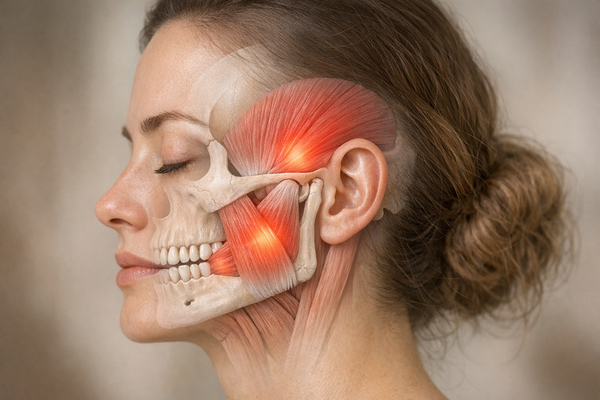
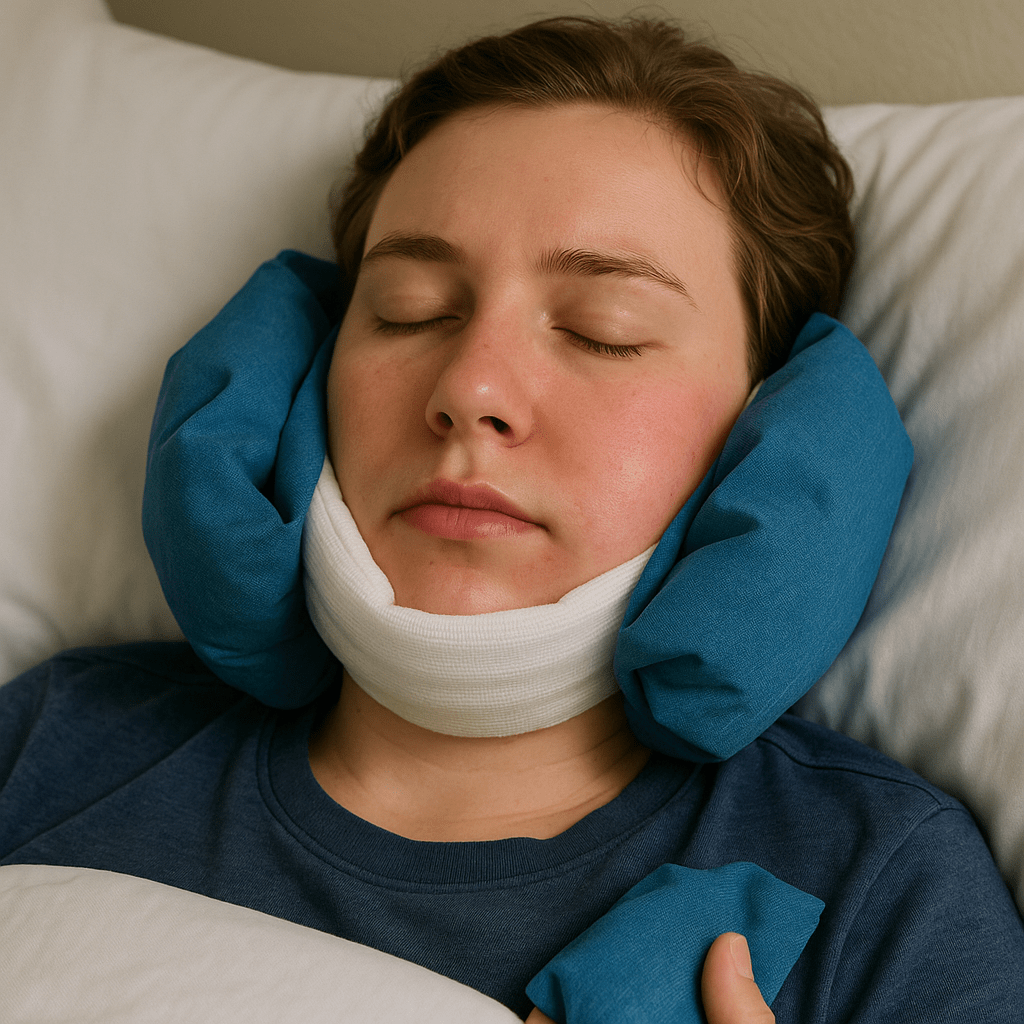
- Jaw Relaxation Exercises: Light massage or warm compresses can help.
- Over-the-Counter Pain Relief: Ibuprofen or acetaminophen may reduce the urge to clench.
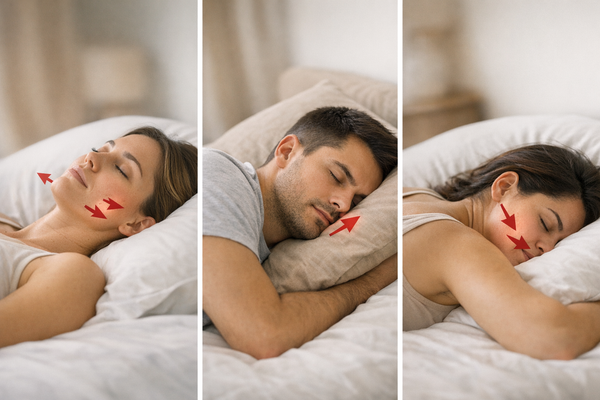
- Sleep Support: Use extra pillows to elevate your head and reduce jaw tension.
Should You Get a New Night Guard After Surgery?
If your wisdom teeth altered your bite or caused tooth movement, your old night guard may no longer fit well. Ill-fitting guards can do more harm than good. A dentist can re-scan your bite post-recovery to determine if a replacement is needed.
Choosing the Right Night Guard After Recovery
Once your mouth has healed, your old night guard may no longer fit — especially if the extraction changed your bite. Here’s what to consider:
- Custom-fitted guards offer the best protection and comfort post-surgery. Your dentist can re-scan your bite once healing is complete.
- Boil-and-bite guards are an affordable temporary option but may be too bulky for sensitive gums.
- Material matters — soft guards are gentler on healing tissue, but hard acrylic lasts longer. Discuss the trade-off with your dentist.
Managing Bruxism Long-Term After Extraction
Wisdom teeth removal doesn’t cure bruxism. If grinding persists after recovery:
- Stress management — meditation, CBT, and consistent sleep routines can reduce grinding frequency.
- Jaw exercises — gentle stretches and TMJ-focused physical therapy can relieve tension.
- Regular dental checkups — monitor for tooth wear and bite changes, especially in the months after surgery.
FAQs
Is it dangerous to wear a night guard too soon? Yes. It can press on healing tissue and slow recovery.
Can I use a store-bought guard temporarily? Only with your dentist’s OK. Many boil-and-bite options are bulky and can irritate surgical sites.
Can I get a new night guard made after wisdom teeth removal? Yes. Once your mouth fully heals and your bite has stabilized, your dentist may recommend a new custom night guard to ensure proper fit and protection.
What can I do to protect my teeth from grinding while I heal? Try stress-reduction techniques, jaw relaxation exercises, or warm compresses to ease tension. Your dentist may also suggest temporary alternatives until you’re ready to wear your guard again.