Can Lifestyle Changes Reduce Your Bruxism Symptoms? Discover Natural Solutions
Explore lifestyle changes to naturally reduce bruxism symptoms and teeth grinding.
If your partner keeps nudging you at night because your teeth sound like two power drills having a duel, you already know bruxism is more than a quirky habit. Bruxism can chip enamel, leave your jaw aching, and wreck your sleep. The good news is that you are not stuck with a lifetime of mouth guards and apologizing to your dentist. A growing pile of research suggests that everyday lifestyle changes—like stress management techniques, dietary adjustments, and sleep hygiene improvements—can reduce teeth grinding naturally.
Below, we explore what current science says about these lifestyle changes and how to incorporate them into your routine. Ready to give your molars a break? Let’s dive in.
Understanding Bruxism: Causes and Symptoms
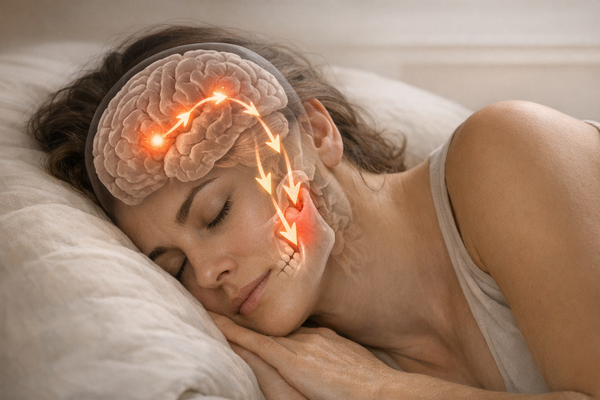
Bruxism is the medical term for involuntary clenching, gnashing, or grinding of your teeth. It can occur when you are awake (awake bruxism) or while you are asleep (sleep bruxism). Either way, the result is the same: worn enamel, jaw muscle fatigue, and headaches.
Researchers still debate the exact causes, but most agree that bruxism has multiple triggers. A 2025 overview titled “From risk factors to treatment: a holistic approach to managing bruxism” by Jabłońska et al. identifies stress, sleep disturbances, caffeine, certain medications, and genetics as contributors. A separate 2023 evidence review by Matheson et al. highlights temporomandibular disorders (TMD) and anxiety as common factors.
Common warning signs include:
- Audible grinding during sleep (often noted by a partner)
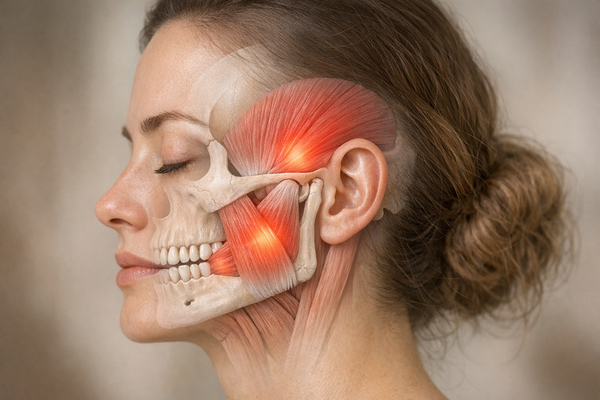
- Sore or tight jaw muscles, especially after waking
- Flattened, chipped, or overly sensitive teeth
- Tension headaches that start at the temples
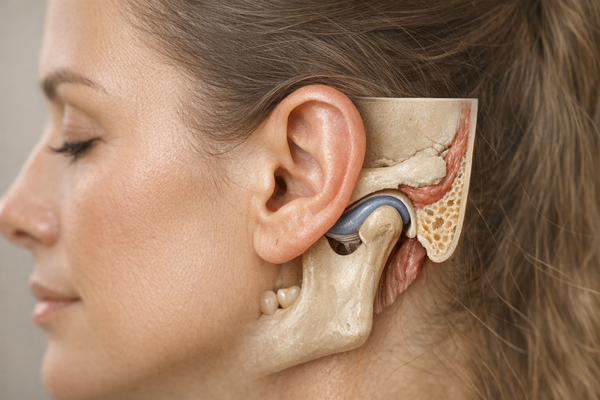
- Clicking or popping sounds in the jaw joint
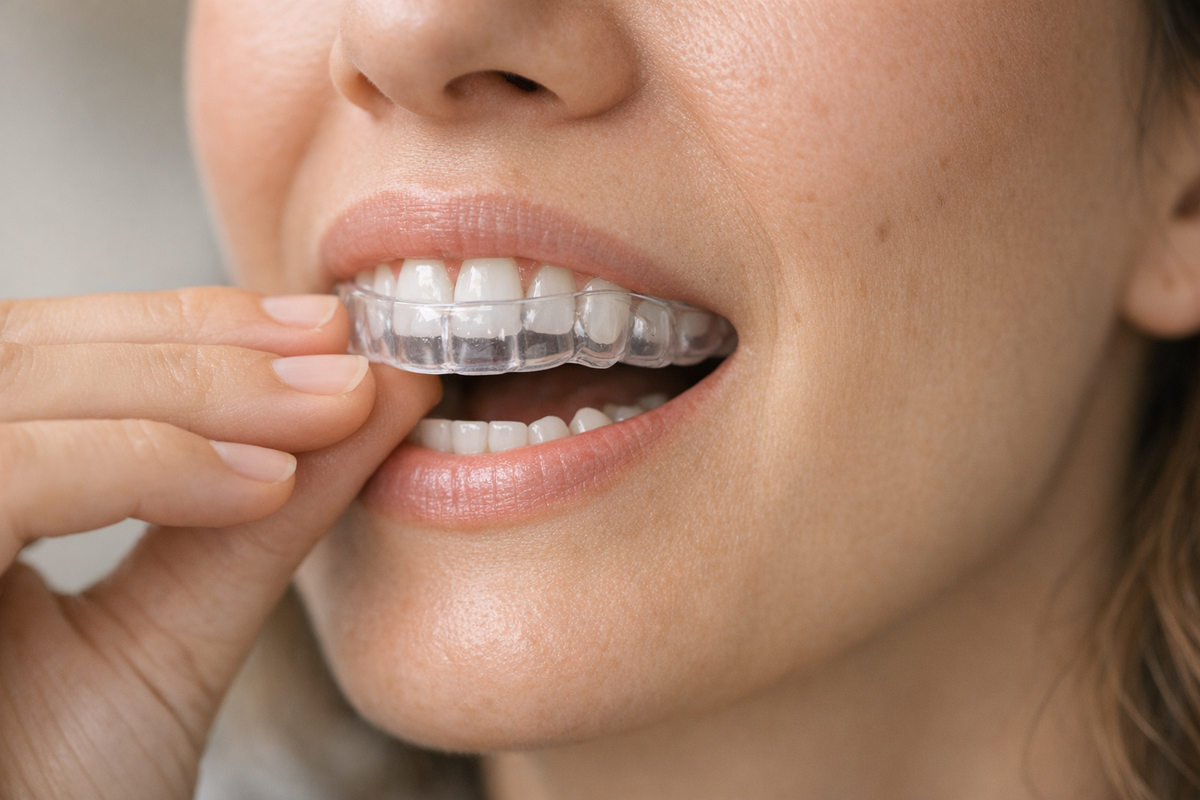
Ignoring these symptoms allows damage to accumulate. Untreated bruxism can erode enamel, crack fillings, trigger gum recession, and aggravate TMD. While mouth guards help protect your teeth, they do not address the underlying causes. Lifestyle changes target stress, diet, and sleep issues to reduce the urge to grind your teeth.
Stress Management Techniques to Reduce Teeth Grinding
Your jaw acts like an overworked bouncer when you are stressed: it tightens, flexes, and refuses to relax. Jabłońska’s 2025 review notes psychological stress as a prime risk factor for both awake and sleep bruxism. Matheson’s 2023 evidence review also explains that heightened cortisol levels can increase muscle activity around the jaw. Tackling stress should be the first step in reducing teeth grinding.
Mindfulness Practices
Mindfulness helps you notice tension before it peaks. Practically, this means catching yourself mid-clench during stressful moments and releasing the tension instead of pushing through.
- Body Scan Meditation: Set a timer for five minutes. Starting at your scalp, mentally travel down to your toes. Each time you reach your jaw, consciously relax it. Repetition builds awareness.
- Mindful Breathing Apps: Use apps like Insight Timer to guide you through slow, diaphragmatic breathing. Deep breaths activate the parasympathetic nervous system, calming the fight-or-flight response that fuels grinding.
- Micro-check-ins: Place a color dot on your laptop or phone. Every time you see it, unclench your jaw and drop your shoulders. It’s a simple yet effective reminder.
Several small trials, notably those summarized in Jabłońska et al. 2025, found that daily mindfulness practice reduced both self-reported stress and EMG-measured jaw muscle activity after four weeks.
Relaxation Exercises
If mindfulness is the mindset, relaxation exercises are the physical solution. They help loosen muscles that tend to clamp down.
- Progressive Muscle Relaxation (PMR): This method involves tensing and releasing muscle groups in sequence. According to the Sleep Foundation, PMR practiced before bed can lower nighttime grinding frequency.
- Jaw Stretch Routine: Open your mouth as wide as comfortable, hold for five seconds, then close. Repeat ten times. Follow with gentle side-to-side movements. This retrains the jaw to stay relaxed.
- Warm Compress: Applying a warm washcloth to the sides of your face for 15 minutes can improve blood flow and ease muscle tension.
In one pilot study mentioned in the 2023 rapid evidence review, PMR paired with breathing exercises reduced nocturnal clenching episodes by roughly 60 percent after eight weeks. It’s an effective strategy you can do in pajamas.

Dietary Adjustments for Natural Bruxism Solutions
Your diet can influence jaw muscles. Jabłońska’s holistic review highlights stimulants like caffeine and alcohol as bruxism aggravators. Conversely, certain micronutrients support nerve and muscle function, potentially reducing clenching episodes.
Foods to Avoid
- Caffeine Bombs: Coffee, energy drinks, and soda can spike central nervous system activity. Reducing caffeine intake can calm muscles. Try tapering intake after noon.
- Alcohol: Nightcaps may help you fall asleep faster, but they fragment REM sleep, a stage linked to grinding. Limit drinks within three hours of bedtime.
- Chewy or Hard Snacks: Foods like beef jerky, ice, and crusty baguettes overwork chewing muscles during the day, keeping them tense at night.
- Added Sugars: Fluctuating blood glucose can influence cortisol release, indirectly contributing to bruxism.
The NIH MedlinePlus also recommends reducing gum chewing, even sugar-free varieties, to avoid constant jaw workouts.
Nutrient-Rich Foods
- Magnesium Sources: Leafy greens, pumpkin seeds, and black beans. Magnesium supports muscle relaxation and nerve signaling, and low levels are linked to muscle cramps and jaw tension. Learn more about the role of magnesium deficiency in teeth grinding.
- Calcium and Vitamin D: Milk, fortified plant milks, and salmon strengthen teeth and support neuromuscular health.
- Omega-3 Fatty Acids: Fatty fish, chia seeds, and walnuts curb inflammation, which may ease TMD-related pain exacerbating grinding.
- Hydration Heroes: Plain water keeps muscle cells functioning smoothly. Even mild dehydration can increase muscle excitability.
In the 2025 holistic review, participants who increased their magnesium and omega-3 intake reported fewer morning headaches and lower EMG readings, though larger controlled trials are needed.
The Role of Sleep Hygiene in Managing Bruxism
Even the best stress management techniques cannot overcome poor sleep hygiene. A 2023 systematic review by Senff et al. found a clear association between poor sleep hygiene and higher bruxism frequency in children and teens, a trend that often continues into adulthood. Another study by Ferrara et al. suggests disrupted sleep stages may intensify motor activity, including jaw clenching.
Creating a Sleep-Friendly Environment
- Cool, Dark, and Quiet: Aim for a bedroom temperature around 65 °F (18 °C). Use blackout curtains and white-noise machines if necessary.
- Gadget Curfew: Blue light delays melatonin release. Power down phones and tablets at least 60 minutes before bed.
- Pillow Check: A supportive pillow keeps your head and neck aligned, reducing strain on jaw muscles. Memory foam or latex options often hold shape better than old feather pillows.
Healthy Sleep Habits
- Consistent Schedule: Go to bed and wake up at the same times daily, weekends included. This stabilizes your circadian rhythm, reducing micro-arousals that can trigger grinding.
- Wind-Down Routine: Spend the last 30 minutes on low-key activities like reading or gentle stretching. The American Dental Association recommends pairing this with jaw relaxation movements to prime muscles for rest.
- Avoid Late-Night Heavy Meals: Digestive discomfort can disrupt sleep architecture. If you are hungry, reach for a light snack like a banana or yogurt.
- Limit Evening Alcohol and Caffeine: Reinforce the habit of avoiding these stimulants to improve sleep quality. Learn why you should avoid caffeine late at night.
Longitudinal data in the Senff et al. 2023 review show that improving sleep hygiene alone reduced bruxism episodes by roughly 30 percent in children over three months. While adult studies are fewer, the underlying sleep mechanics are similar, making sleep hygiene an easy, low-cost experiment.

Physical Therapy and Jaw Exercises
If your jaw muscles are tense, targeted stretches and strengthening exercises can help. A 2026 paper by Medina Moreno et al. lists physical therapy among first-line, non-pharmaceutical options. The 2025 holistic review by Jabłońska et al. adds that consistent exercise can reduce EMG-recorded muscle tension.
Try the following routine once or twice daily:
- Relaxed Jaw Hold: Place your tongue on the roof of your mouth, behind your front teeth. Let your teeth part slightly. Hold for 30 seconds, breathing through your nose.
- Chin-Tuck Stretch: With shoulders back, tuck your chin toward your neck, creating a double chin. Hold for five seconds, repeat ten times. This strengthens neck flexors that support jaw alignment.
- Resisted Opening: Place your thumb under your chin. Gently open your mouth while providing light resistance with your thumb. Hold for five seconds, repeat eight times.
- Side-to-Side Glide: Slowly slide your lower jaw to the left, hold for three seconds, then to the right. Do ten repetitions each side.
According to Medina Moreno et al. 2026, participants following a similar program experienced a 40 percent pain reduction after six weeks, along with fewer early morning headaches. If you're experiencing jaw pain on one side, you might want to explore causes and solutions for unilateral jaw pain.
Alternative Therapies: Acupuncture and Massage
If conventional methods are not enough, alternative therapies can be beneficial. Complementary approaches, once considered fringe, now have supportive data.
A 2024 review by Emery Niyonkuru et al. on non-pharmacological pain interventions highlights acupuncture and massage as useful options for musculoskeletal pain, including the jaw. Jabłońska’s 2025 paper cites small randomized trials where both methods decreased bruxism frequency and improved quality of life scores.
- Acupuncture: Thin needles stimulate specific points along meridians. Western researchers suggest this may release endorphins and modulate pain pathways. In a mini-trial cited by Jabłońska, six weekly sessions reduced nocturnal grinding events by roughly 50 percent compared to controls.
- Trigger-Point Massage: A licensed therapist uses knuckles or fingers to press on tight spots in the masseter and temporalis muscles. Short-term studies report immediate pain relief and improved mouth opening.
- Self-Massage Hack: Use your index and middle fingers to apply circular pressure to the sides of your jaw for two minutes before bed. It is a simple, cost-free method.
Not every alternative therapy works for everyone. Always choose qualified practitioners, and consult your healthcare provider before scheduling acupuncture if you have a bleeding disorder or are pregnant.
Conclusion
Bruxism may feel like an untamable nighttime monster, but science suggests otherwise. Stress management, dietary adjustments, quality sleep, targeted exercises, and complementary therapies all show promise in reducing teeth grinding. While no single tactic is a magic solution, combining these strategies can reduce jaw tension and improve comfort.
Start small: perhaps swap your afternoon espresso for herbal tea, practice a five-minute body scan before bed, and add a quick jaw stretch after breakfast. Track your symptoms over a few weeks. If you see progress, continue building these habits. As always, pair lifestyle changes with regular dental check-ups to catch any damage early. Your teeth work hard for you; these evidence-backed strategies are a way to return the favor.