Best Over The Counter Night Guard: Top Picks for Value and Comfort
Discover the best OTC night guards for bruxism. Affordable and effective options at various price points.
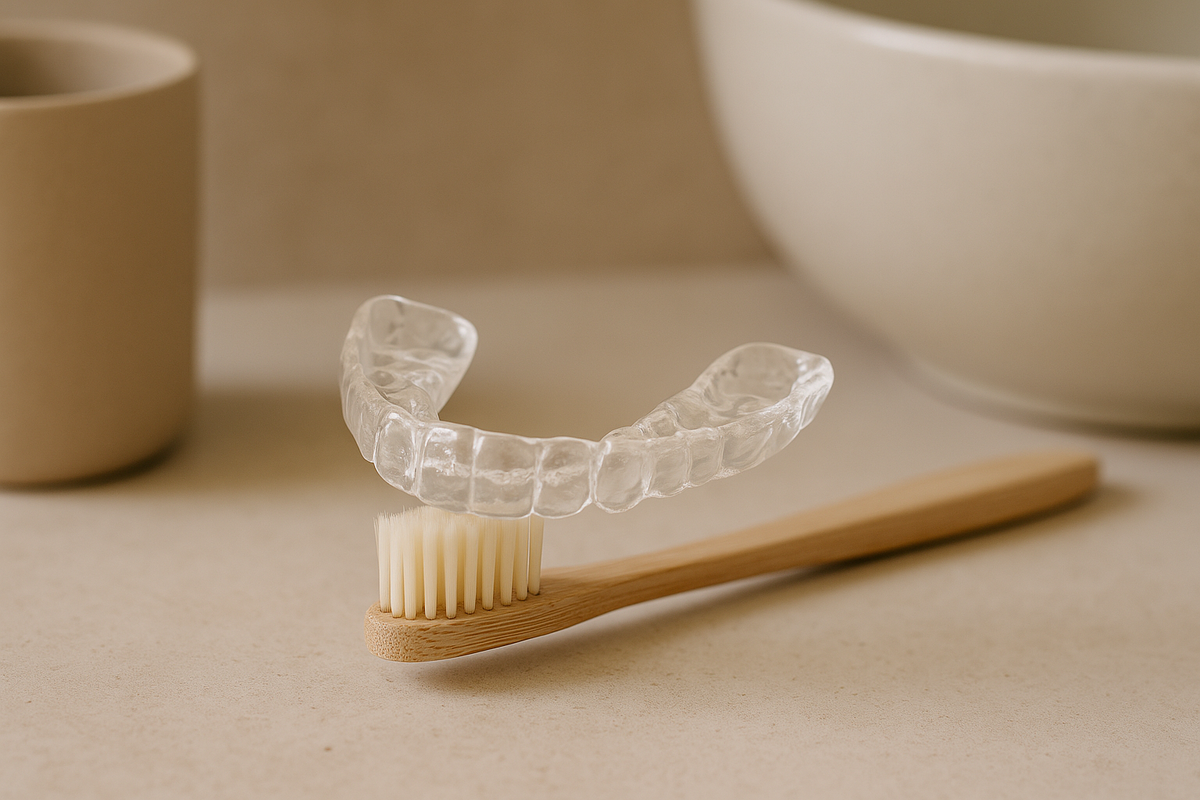
Waking up with an aching jaw or a chipped tooth is not exactly ideal. If you are grinding your teeth at night, science calls the habit “nocturnal bruxism,” and it is more common than morning coffee. The good news is that an over-the-counter (OTC) night guard can cushion the impact, sparing your enamel, your fillings, and maybe even your relationship. This guide explores the research, the products, and the practical advice you need to select a guard that works without breaking the bank.
Below you will find evidence from peer-reviewed studies, practical buying advice, and a side-by-side look at the best guards in three price tiers. By the end, you will know which type fits your bite, your budget, and your bedtime routine.
Understanding Night Guards: Why You Might Need One
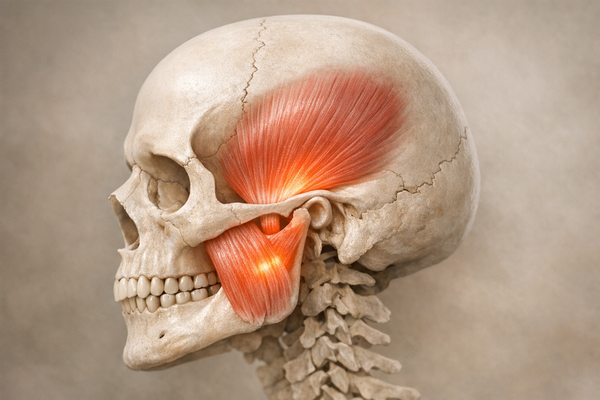
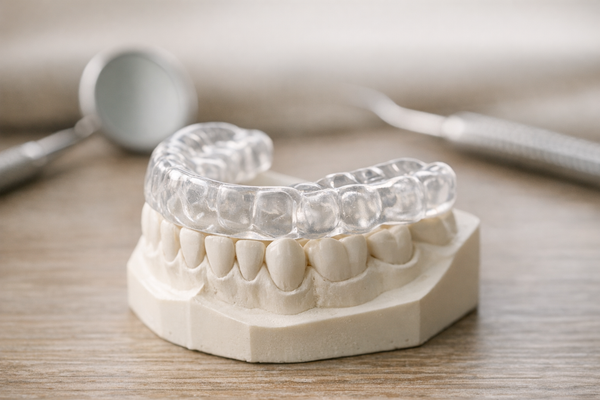
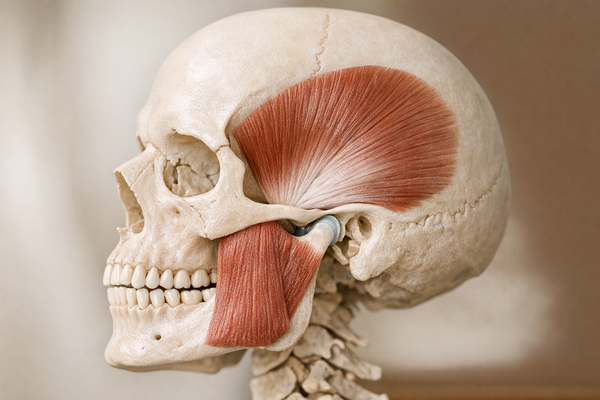
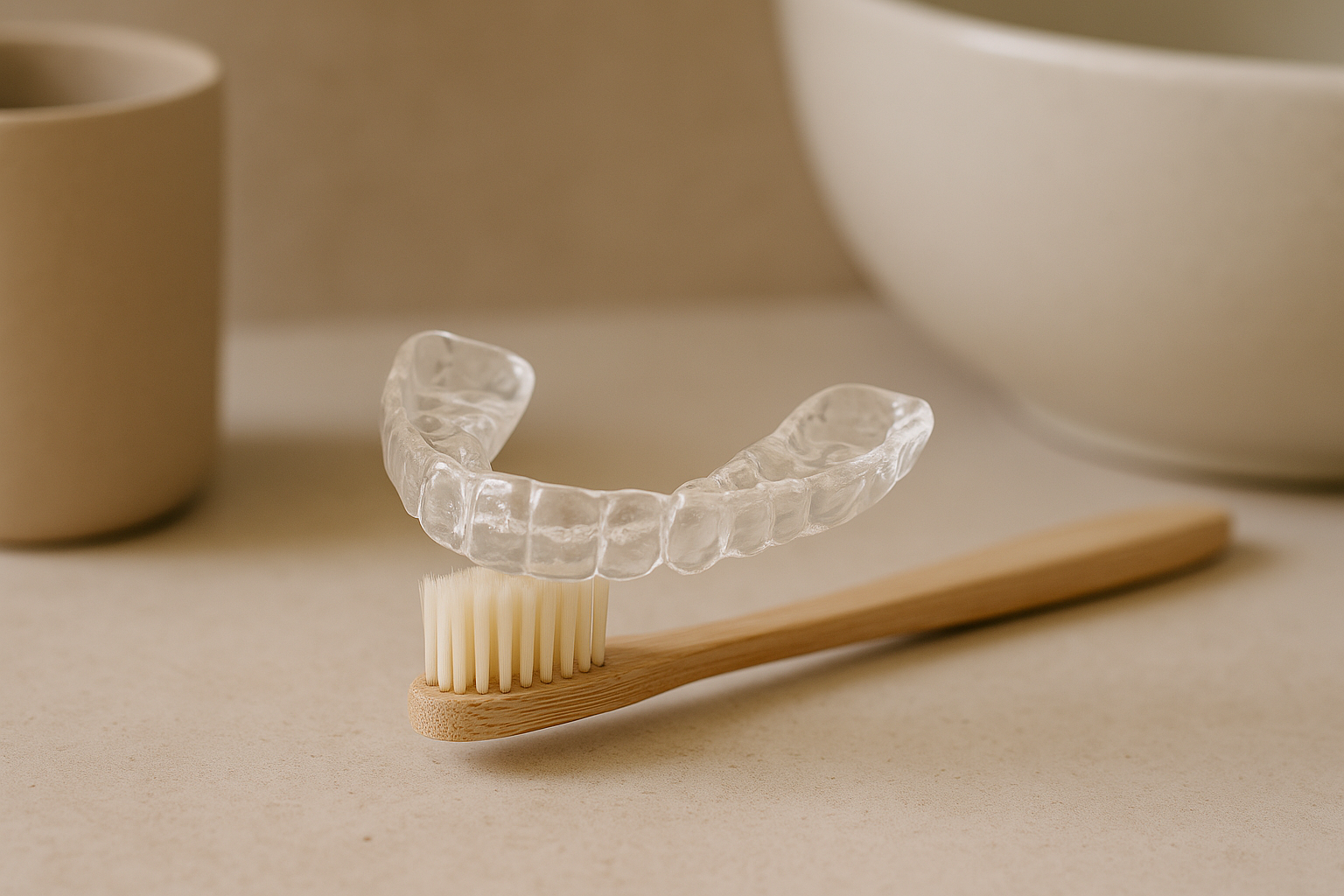
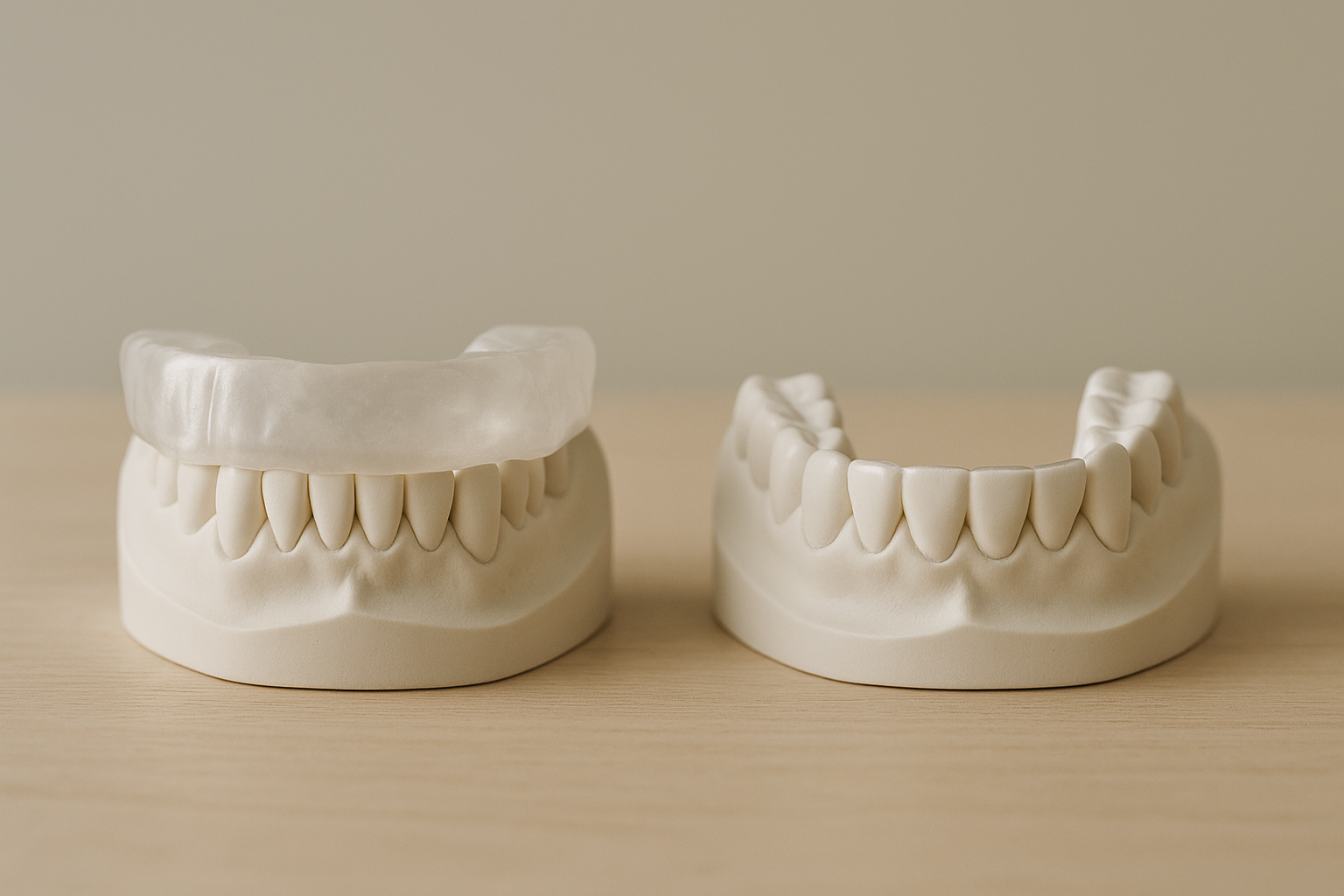
Night guards, also called occlusal splints, are thin trays that sit over your upper or lower teeth while you sleep. They work like shock absorbers, spreading the force of clenching and grinding across a broader surface. This reduces micro-fractures in enamel and eases pressure on the jaw joint, known as the temporomandibular joint (TMJ). To explore whether a night guard could affect your sleep quality, you might want to read about potential effects and considerations here.
Several studies support their value. A Brazilian review of public healthcare data found that dental splints significantly lowered the rate of enamel fractures after dental trauma cases were treated, helping patients avoid costly crown work [1]. A separate literature review on athletic performance saw splints improve bite stability and reduce muscle fatigue in high-contact sports [2]. While that study focused on athletes, the mechanical principle—redistributing bite forces—also applies to nighttime grinding. Finally, a 2024 clinical paper looking at complete dislocation of teeth reported faster periodontal healing when splints were in place for at least two weeks [3]. Splints protect teeth under stress, whether that stress comes from a linebacker’s shoulder or your own masseter muscles at 2 a.m.
For everyday bruxers, the benefits include:
- Less morning jaw pain and headaches
- Reduced risk of cracked fillings or chipped enamel
- Possible relief of TMJ clicking or popping
- Fewer expensive dental repairs over time
A custom guard from your dentist is considered the gold standard, but it can cost $300–$800. OTC guards bridge the gap between going without protection and investing in a lab-made appliance. Their performance hinges on material quality, fit, and how consistently you wear them, which brings us to our product roundup.
Top Value OTC Night Guards at Various Price Points
The market is crowded with mouthguards that promise a “lab feel” at a corner-store price. We examined user reviews, material data, and cost analyses to highlight options that deliver. Price categories are based on single-unit cost before tax.
Budget-Friendly Options (Under $25)
- DenTek Professional-Fit Dental Guard – Around $18, this kit uses a self-molding plastic tray and includes a forming handle to keep your fingers out of hot water. The fit is bulkier than premium guards but still adequate for moderate grinders. Its main perk is the durability rating: many users report three to six months of life per guard, making cost per night very low [4]. You can read a thorough review of the DenTek Comfort-Fit Dental Guard here.
- Plackers Grind No More – Sold in packs of ten disposable trays (approximately $1.80 each), these require no boiling. You bite to shape them and toss after three days or when they look chewed up. Ideal for travelers or anyone testing whether a guard helps before investing more.
- SISU Aero Sports Guard (Thin Version) – Marketed for athletes but increasingly used for sleep. At $20, it is ultra-thin (1.6 mm) and remoldable up to 20 times. The downside is less cushion than thicker guards, so heavy clenchers may wear through it faster.
Mid-Range Choices ($25–$60)
- Oral-B Nighttime Dental Guard with Scope Flavor – About $30. Comes with a heat-activated impression tray and a minty layer that masks plastic taste. The tray base is rigid, giving a snug feel similar to professional guards. A cost-effectiveness study on dental devices notes that mid-range polymer blends often strike the best balance between longevity and price [5].
- Cheeky Direct-to-Consumer Guard – Starts at $49 for a single hard-soft hybrid. Cheeky mails you a putty kit, you take impressions, and a lab crafts the guard. While technically OTC, the process mirrors dentist-made guards minus the office fee.
- Shock Doctor Gel Max Flavor Fusion – Priced around $35, this mouthguard is thicker and flavored. It is dual-density (soft liner over a firm shell) which provides extra shock absorption, but some users find it too bulky for sleep.
Premium Picks ($60–$150)
- Smile Brilliant Night Guard – $129 for a two-pack. Uses BPA-free laminate similar to dentist-grade acrylic. The company offers free refinements for 45 days if the fit feels off. According to a 2024 review on 3D printed splints, layered laminate materials can maintain structural integrity for up to two years when cleaned properly [6].
- Pro Teeth Guard (Dual Laminate) – Starts at $99. Made in a dental lab from the same EVA and copolyester sheets used by many dentists. You choose soft, hard, or dual laminate based on grinding severity. Average lifespan is one to three years, aligning with professional standards.
- J&S Dental Lab Custom Guard – $119 with a five-year warranty against defects. Thickness options range from 1.3 mm to 3 mm. A rigid inner core resists bite through, while the outer surface is polished to reduce plaque stickiness.
Here is how the numbers shake out over a single year of nightly use:
- DenTek Professional-Fit (replace every six months) – about $36 annually
- Oral-B Nighttime Guard (replace yearly) – about $30 annually
- Smile Brilliant (replace every two years) – about $65 annually
This math shows why mid-range guards often offer the best value. You pay more up front but replace less frequently, echoing findings from long-term cost models in implant dentistry that weighed short-lived versus durable materials [5].
Front-Teeth-Only Guards: A Budget-Friendly Alternative
If a full-arch guard feels like a mouthful, consider a front-teeth-only design, sometimes called a “bite plate” or “anterior deprogrammer.” These slim devices cover the incisors and canines, leaving the molars free. By giving your front teeth a small resting platform, you prevent back teeth from meeting, which turns off the chewing reflex.
Perks
- Lower cost—often under $30
- Minimal material in your mouth, making speech and breathing easier
- Less drooling for side sleepers
- Easier to clean due to smaller surface area
Limitations
- Not suited for people with loose front teeth or large gaps
- Can cause front-tooth soreness if clenching pressure is high
- Limited evidence for severe bruxers compared with full-arch guards
Most OTC versions are one-size-fits-all acrylic pads that clip over the upper or lower incisors. You warm them in hot water, press them against your front teeth, then let them cool. Because fit is less critical at the molars, even a rough impression can feel comfortable.
Popular picks
- GrindShield Anterior Guard – About $22 for a two-pack. Includes a vented storage case.
- SleepRight ProRx – Roughly $30. No boiling; you flex the wings to fit.
If you grind side to side or have TMJ pain, talk to your dentist before choosing an anterior guard. For mild, vertical clenchers on a tight budget, it can be an effective stopgap.
How to Choose the Right Night Guard for Your Needs
Factors to Consider
Your bite is as unique as your fingerprint, so the “best” guard depends on personal factors:
- Grinding intensity – Heavy grinders need thicker, dual-layer guards to avoid chewing holes.
- Jaw alignment – If your dentist says you have a cross-bite or open-bite, you may need a custom guard.
- Budget – A pricier guard that lasts two years can be cheaper over time than a bargain model you replace every quarter.
- Gag reflex – Slim guards or front-teeth-only designs minimize the urge to gag.
- Dental work – Crowns and veneers need gentle materials that will not scratch porcelain.
Fitting and Comfort
Boil-and-bite EVA plastic is the most common material. It softens around 160 °F, then stiffens as it cools. If you overheat, the plastic can thin out or wrinkle, creating weak spots. Follow timing instructions carefully.
Direct-to-consumer lab guards use dental stone models of your teeth. A dual-laminate process bonds a soft inner layer to a hard outer shell, providing the “pillow with a helmet” feel dentists like. A 2024 review of 3D printing methods reported accuracy within 0.1 mm when using digital scans, eliminating many of the fit issues seen in older thermoform models [6]. For those who are curious about the different materials used in night guards, you can learn more about the pros and cons here.
Fit checklist:
- Snug but not painful around the gumline
- No rocking when you bite down
- Can speak a short sentence without lisping badly
- Stays in place if you open your mouth and wiggle your jaw side to side
Material Options
- EVA (Ethylene Vinyl Acetate) – Soft, flexible, easy to remold. Wears faster but gentler on dental work.
- Acrylic (PMMA) – Rigid, crystal clear, resists bite marks. May crack if dropped on tile.
- Dual Laminate – Soft EVA inner, hard acrylic outer. Best of both worlds for many users.
- 3D-printed resin – Emerging option touted for precision and reduced porosity, though long-term data are still limited.
Avoid PVC guards from unknown brands. PVC can leach plasticizers over time, and the American Dental Association recommends BPA-free, medical-grade polymers [7].
Maintaining and Cleaning Your Night Guard
Proper care keeps your guard clear, odor-free, and bacteria-light:
- Rinse on removal – Hold under cool water the moment you wake up.
- Brush gently – Use a dedicated soft toothbrush and mild, clear soap. Skip toothpaste; the abrasives scratch plastic, giving plaque more grip.
- Soak weekly – Drop the guard in a denture-cleaning tablet solution or a 1:1 mix of white vinegar and water for 15 minutes. For those interested in alternative cleaning methods, you can find a simple, effective guide here.
- Air dry – Moist, dark cases are petri dishes. Dry the guard before closing the lid.
- Inspect monthly – Look for cracks, chew marks, or yellowing. Replace if the surface feels rough or the fit loosens.
Common mistakes include soaking in boiling water (warps the guard), using alcohol mouthwash (dries out plastic), and leaving it within dog reach—canines love chewing dental gear even more than you grind yours.
Conclusion
Night guards are seat belts for your smile. Research shows that dental splints distribute grinding forces, protect restorations, and may even calm overworked jaw muscles [1]. While a dentist-made guard offers the most precise fit, modern OTC options have narrowed the performance gap. Budget boil-and-bite models like DenTek provide an entry point under $20. Mid-range lab-direct guards such as Cheeky or Oral-B hit the sweet spot for many users, blending comfort and durability. Premium custom guards push close to dentist quality at half the office price.
Your best choice depends on grind intensity, mouth size, and how much you are willing to spend today to save dental bills tomorrow. Keep the guard clean, replace it when worn, and listen to your jaw. With the right barrier in place, you can sleep easier knowing your teeth are off the night shift.
References
- C. Orsi, R. A. de Oliveira, C. D. S. Junqueira (2026). Dental Splints in Dentoalveolar Trauma: An Overview of Public Healthcare Services in Brazil. European Dental Traumatology.
- C. Popovici, I. R. Bordea, A. Inchingolo (2025). Dental Splints and Sport Performance: A Review of the Current Literature. Dentistry Journal.
- D. Avetikov, L. Voloshyna, D. Steblovskyi (2024). Features of the Use of Dental Splints for Complete Dislocation of Teeth. Experimental and Clinical Dentistry.
- American Dental Association. Mouthguards. MouthHealthy.org.
- F. J. Strauss, L. Schiavon, N. Naenni (2025). Cost Effectiveness of Two Short Implants Versus One Short Implant With a Cantilever in the Posterior Region. Journal of Dental Research.
- A. Sayed, P. D. Joshi, W. M. V. Lobo (2024). Review of 3D Printing and Other Methodologies Used for Fabrication of Aesthetic Efficient, Passive, Biocompatible, Stable Dental Splints. International Journal of Health Technology and Innovation.
- Consumer Reports. Choosing a Mouthguard: Buying Guide. ConsumerReports.org.