Best Jaw Relaxation Techniques for Nighttime Clenchers
Discover effective jaw relaxation techniques to relieve nighttime clenching and jaw pain.
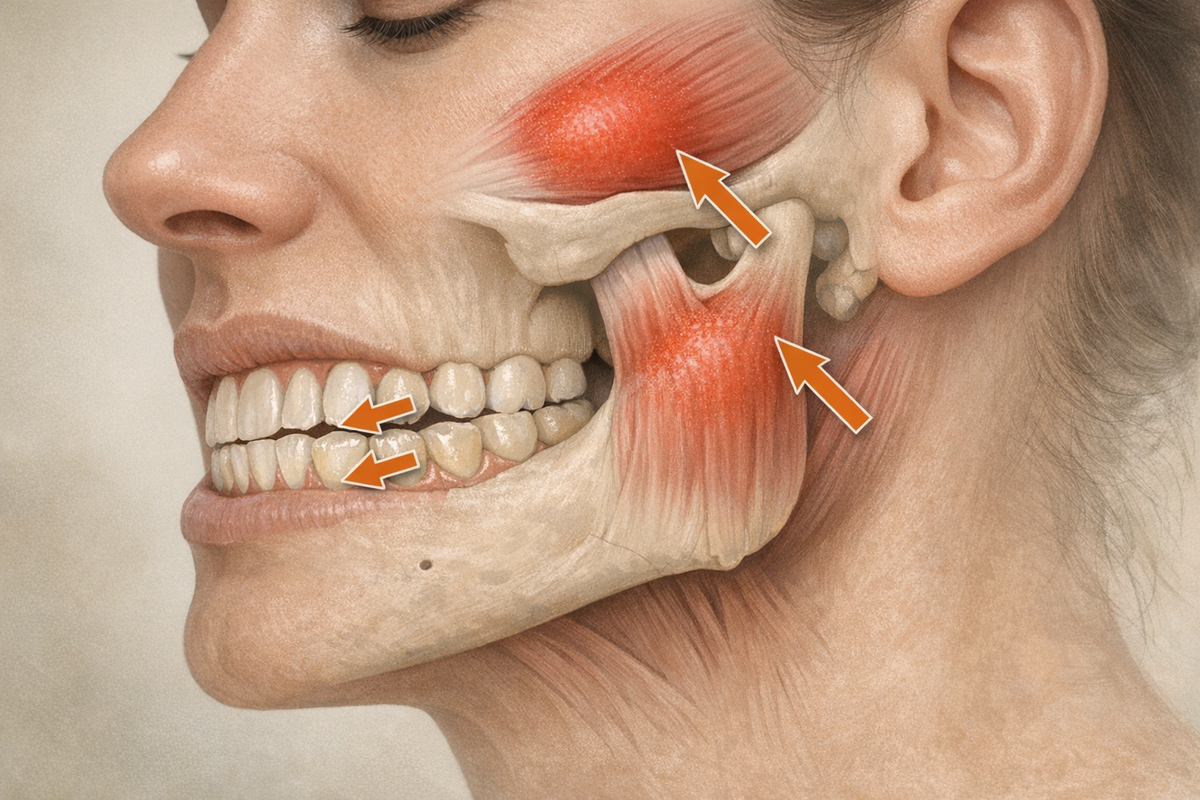
You wake up with your jaw feeling like it just finished a gym workout you never signed up for. Sound familiar? Nighttime clenching, also known as sleep bruxism, affects roughly one in ten adults. Many people don't realize it until they feel the morning ache or a partner complains about the noise. The good news: science-based jaw relaxation techniques can help relieve tension and give your jaw a much-needed break.
Below, you'll find evidence-backed methods for jaw relaxation, ranging from foundational muscle work to newer medical interventions. Each claim is linked to peer-reviewed studies or reputable health institutions, allowing you to fact-check as you read. Grab a mouth guard, a pillow, and a dose of curiosity. Let’s loosen that jaw.
Understanding Nighttime Jaw Clenching and Its Impacts
Causes of Jaw Clenching
Sleep bruxism refers to the unconscious habit of grinding or clenching your teeth while you sleep. Researchers have identified a mix of biological and behavioral triggers:
- Stress and anxiety. The autonomic nervous system remains active even during sleep; nighttime spikes in stress hormones can increase jaw muscle activity. Learn more about how stress and anxiety lead to nighttime teeth clenching.
- Malocclusion. When upper and lower teeth don't fit well, your muscles may "search" for a stable bite through clenching.
- Medications and substances. Caffeine, selective serotonin reuptake inhibitors, and alcohol all raise bruxism risk, according to the Mayo Clinic.
- Sleep disorders. Obstructive sleep apnea and restless legs syndrome often accompany bruxism, as arousals from deep sleep can trigger jaw muscle bursts. Explore the impact of sleep disorders on jaw clenching.
A 2024 systematic review by Sultan et al. found that clenching episodes peak in the lighter stages of sleep, supporting the theory that micro-arousals, not full awakenings, drive the behavior. Meanwhile, Kurtzman and colleagues in 2024 noted that people with high daytime stress scores are almost twice as likely to clench at night.
Symptoms and Consequences
You may not hear yourself grind, but your body notices. Common red flags include:
- Dull morning headaches around the temples
- Jaw muscle fatigue or stiffness that eases as the day progresses
- Flattened biting surfaces or tiny fractures visible to your dentist
- Clicking or popping sounds in the temporomandibular joint (TMJ)
- Fragmented sleep and daytime grogginess
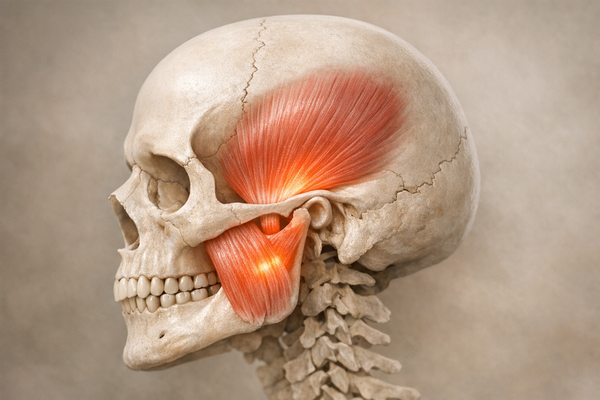
If the cycle continues unchecked, enamel wear can expose dentin, amplify sensitivity, and even shorten teeth. Overworked muscles may develop trigger points, reinforcing pain signals and making relaxation harder. These issues highlight why jaw relaxation techniques deserve attention.
Bottom line: you need strategies that calm the nervous system and physically relieve the load on your jaw. Let’s start with a classic.
Progressive Muscle Relaxation: A Foundation for Jaw Relaxation
How Progressive Muscle Relaxation Works
Progressive muscle relaxation (PMR) was developed in the 1930s by physician Edmund Jacobson. The technique involves tensing each muscle group for about five seconds, then releasing for 20–30 seconds. This contrast helps your brain recognize relaxation as the default state.
A 2025 clinical trial by Shindhe and Natekar reported that PMR reduced daytime fatigue by 31 percent in cancer patients. While the study didn't focus on bruxism, reduced systemic tension logically benefits any hyperactive muscle, including the masseter. Supporting this, a 2024 randomized trial by Zieliński et al. found that PMR, combined with trigger-point therapy, significantly lowered jaw pain scores in temporomandibular disorder patients.
Benefits for Jaw Clenching
- Neuro-muscular reset. Alternating tension and release lowers baseline electrical activity in your jaw muscles, making nocturnal clenching less likely.
- Improved sleep quality. PMR activates the parasympathetic nervous system, nudging you toward deeper, more restorative sleep stages. Consider exploring the role of sleep hygiene in managing bruxism for additional sleep improvements.
- Portable and cost-free. No devices, prescriptions, or dental appointments required. You can practice it in bed.
The Cleveland Clinic recommends PMR for people who grind, noting that even a five-minute nightly routine can reduce morning soreness.
Ready to try? Follow the step-by-step guide below.
- Lie on your back with shoulders resting comfortably. Take two slow breaths in through your nose and out through pursed lips.
- Feet and calves: Point toes, hold for five seconds, then let them flop outward.
- Thighs and glutes: Squeeze, hold, release.
- Abdomen and lower back: Pull your belly button toward the spine, release.
- Hands and forearms: Make fists, hold, release.
- Upper arms and shoulders: Shrug toward ears, let them drop.
- Neck: Gently press the back of your head into the pillow, relax.
- Face and jaw: Clench your teeth lightly, feel the masseter contract, then open the mouth wide and exhale while letting the jaw hang loose.
- Finish with three slow breaths, noticing the heaviness of relaxed muscles.
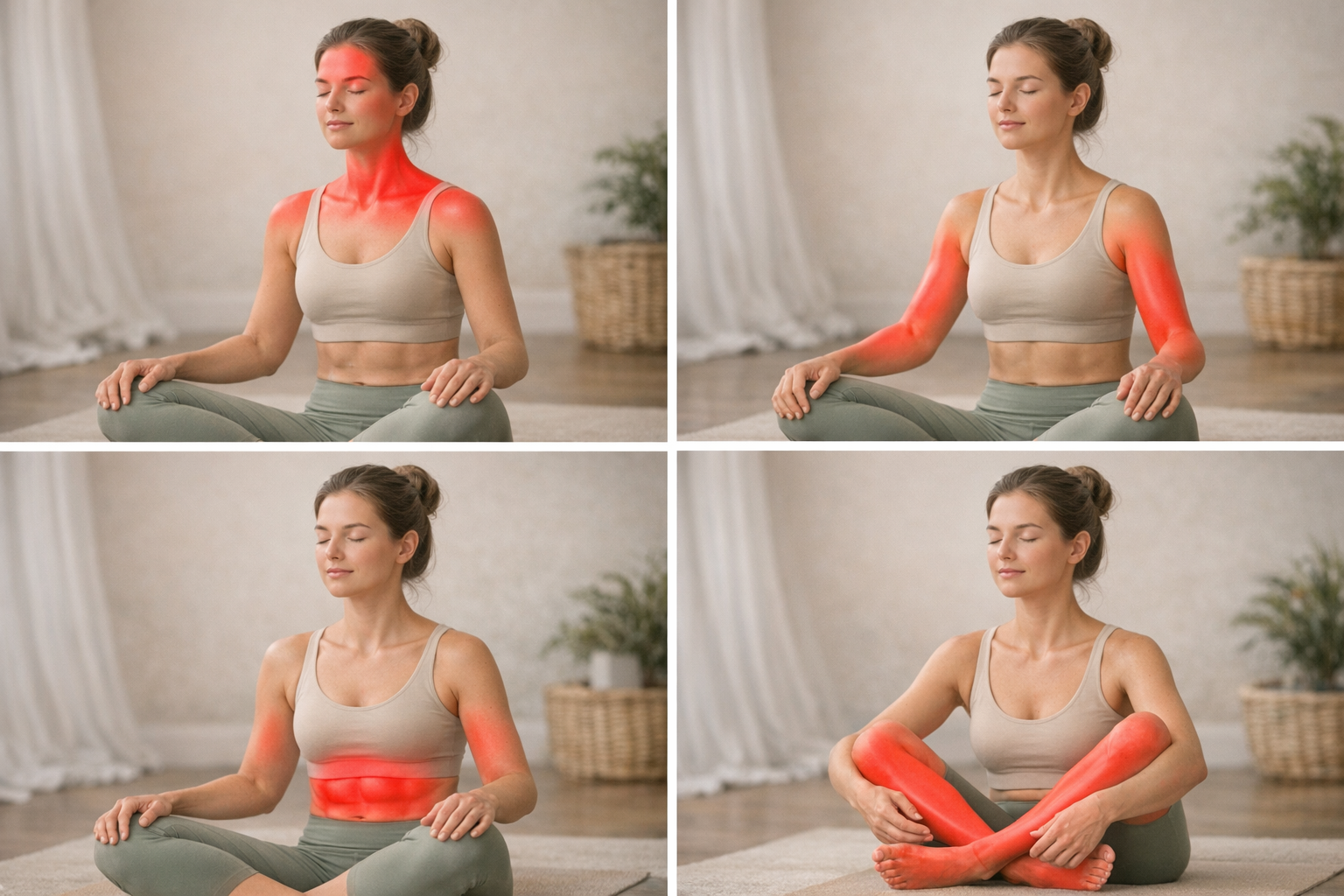
Perform this sequence nightly for two weeks and keep a journal of morning jaw comfort. Consistency is key; the nervous system loves patterns.
Incorporating Breathing Techniques for Jaw Pain Relief
Deep Breathing Exercises
While PMR targets muscles directly, breathing techniques tackle the root cause: stress arousal. Slow diaphragmatic breathing reduces heart rate, lowers cortisol, and shifts the body into rest-and-digest mode.
A 2025 systematic review by Calderone et al. found that controlled breathing improved quality of life scores in cardiovascular patients by up to 26 percent. Jaw muscles aren't part of the cardiac system, but they benefit from the same relaxation chain reaction.
Try this 4-7-8 pattern (borrowed from Dr. Andrew Weil and endorsed by the American Dental Association):
- Place a hand on your belly just below the ribcage.
- Inhale through your nose for a count of four, feeling the abdomen rise.
- Hold for seven counts. Think of tension melting off your jaw during the pause.
- Exhale audibly through the mouth for eight counts, letting the jaw slacken and tongue drop from the palate.
- Repeat four cycles.
Connecting Breath with Jaw Relaxation
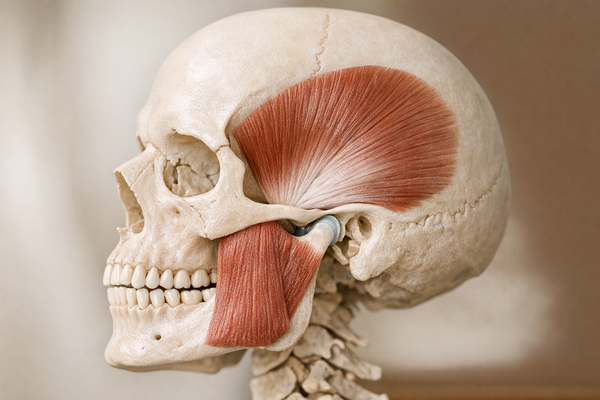
Add a visualization layer: on each exhale, picture warm air flowing across the masseter and temporalis muscles, softening them like butter in sunlight. Biofeedback studies show that pairing imagery with breath amplifies muscle release, making your practice more efficient.
You can combine deep breathing with PMR or use it as a standalone "quick fix" if you wake up at night noticing your jaw is clenched. Over time, the breath cue becomes an automatic off switch for jaw tension.
Using Occlusal Splints: A Mechanical Approach to Relax Jaw Clenching
Types of Occlusal Splints
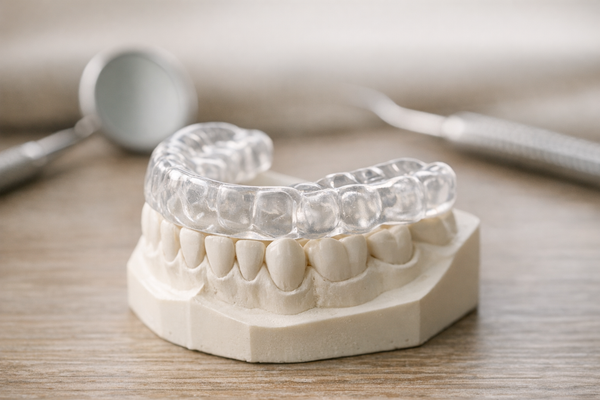
Relaxation exercises are powerful, but sometimes you need a physical barrier to keep teeth from grinding each other into dust. Enter the occlusal splint, also known as a night guard. According to the 2024 review by Sultan et al., the three main categories are:
- Soft thermoplastic splints. Over-the-counter variants you heat in hot water and mold at home.
- Hard acrylic stabilization splints. Custom-made by a dentist; they distribute biting forces evenly.
- Dual laminate splints. A soft inner layer for comfort fused to a hard outer shell for durability. Discover the differences between OTC and custom night guards to find the best fit for your needs.
Pros and Cons
Pros
- Provide immediate protection against enamel wear
- Reduce muscle load by slightly increasing vertical dimension of occlusion
- Custom versions show higher adherence and lower fracture rates
Cons
- Do not treat underlying stress or sleep disorder triggers
- Cheap boil-and-bite models can alter bite if chewed excessively
- Need regular cleaning; otherwise, bacterial buildup becomes a problem
Sultan’s review found no single splint type to be universally superior, but hard acrylic guards scored best for durability. Even then, users who combined a guard with behavioral therapy reported flatter pain curves than guard-only users.
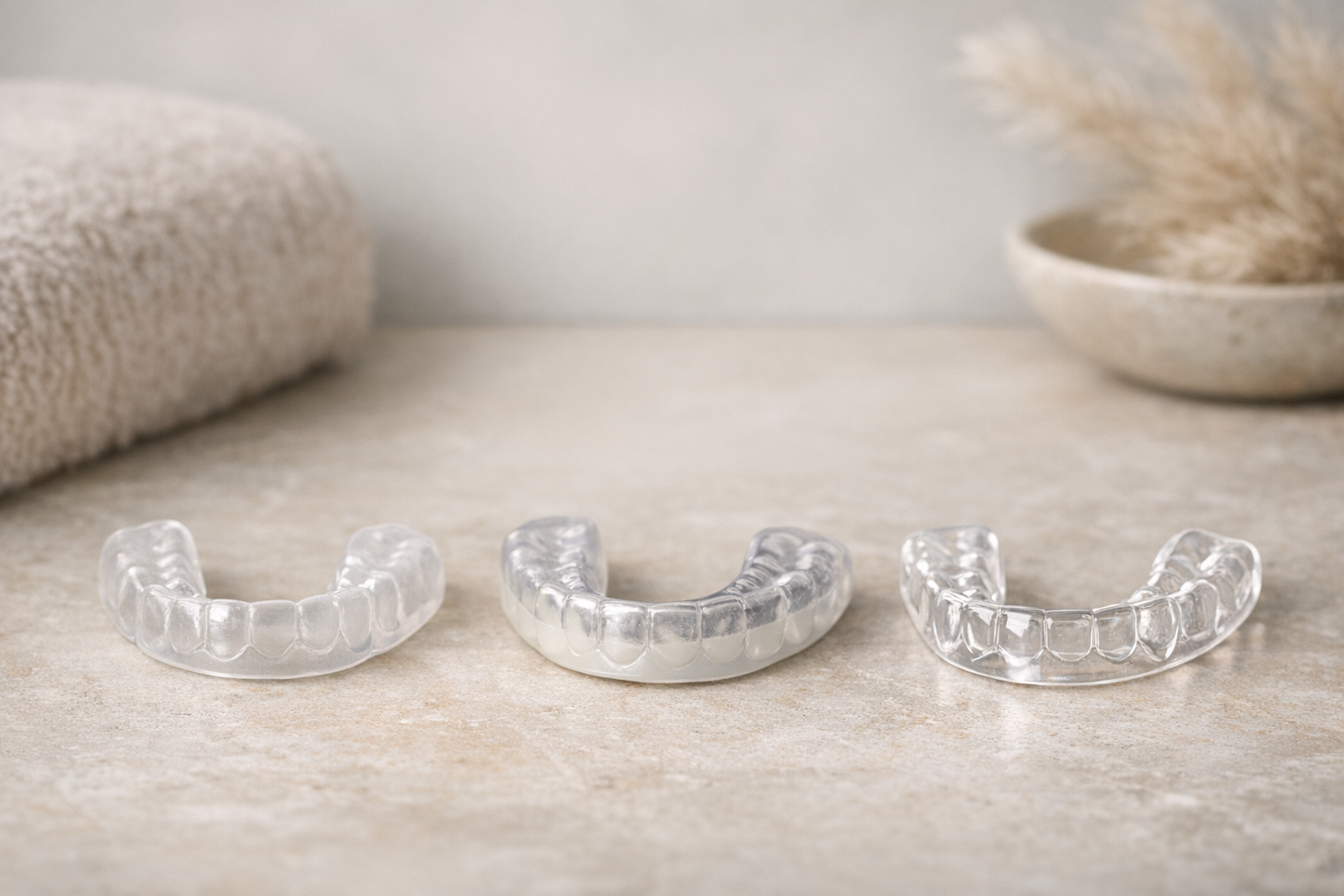
You can think of a splint as a seat belt: it won't stop the crash, but it keeps your teeth from smashing together while you work on safer driving habits.
Exploring Alternative Therapies: Beyond the Basics
Botulinum Toxin Injections
If muscle volume or hypertrophy is severe, botulinum toxin type A (BoNT-A) may help. The neurotoxin blocks acetylcholine release at neuromuscular junctions, leading to temporary weakness of the masseter and temporalis muscles.
A 2025 systematic review by Yacoub et al. concluded that BoNT-A reduced nocturnal electromyographic activity by 40–60 percent for up to six months. Adverse events were minor and transient, mostly soreness or mild asymmetry.
Similarly, Ferrillo and colleagues’ 2025 review on masseter hypertrophy highlighted high patient satisfaction and low complication rates when doses stayed within 25–30 units per side. However, costs are steep, and repeat injections are required two to three times per year.
Other Complementary Techniques
- Trigger-point dry needling. Targeting taut bands in the masseter can improve mouth opening and reduce tenderness, according to the randomized study by Zieliński et al.
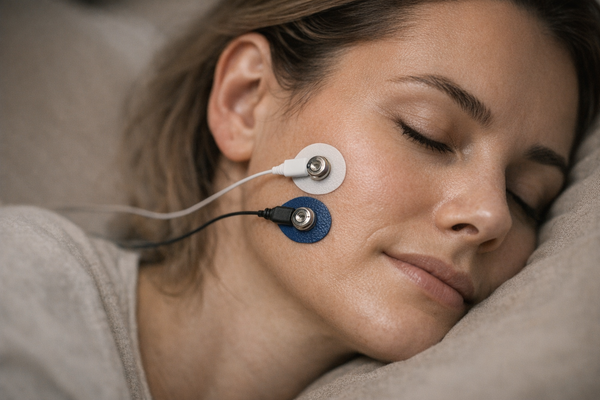
- Biofeedback headbands. Devices emitting gentle vibrations upon detecting clench pressure aim to nudge you into relaxation without fully waking you. Early pilot studies on these gadgets appear on the National Institute of Dental and Craniofacial Research site, though large trials are pending.
- Mindfulness meditation. A 2024 article by Kurtzman et al. lists mindfulness as a promising adjunct, noting its ability to reduce the frequency of micro-arousals that often precede clenching episodes.
- Physical therapy. Myofascial release, posture retraining, and cervical spine mobilization aim to relieve biomechanical stress cascading into the jaw. Explore evidence-based jaw pain treatment options for more relief methods.
Worth noting: many alternative treatments lack large randomized controlled trials, so weigh benefits against costs and talk to a qualified provider before jumping in.
Creating a Personalized Jaw Relaxation Routine
Combining Techniques
Think of jaw care like cross-training. One technique may lower muscle tension, another protects teeth, a third tackles stress. A 2026 randomized trial by Vaddamanu et al. tested a multimodal behavioral program (PMR, cognitive coping skills, and splint use) against splint-only control. The integrated group saw a 48 percent drop in DC/TMD pain scores, double the improvement of the control.
Here is a sample nightly routine:
- Brush and floss, then insert your custom night guard if you have one.
- Spend five minutes on PMR, starting from feet to face.
- Follow with four rounds of 4-7-8 breathing.
- End with a 60-second mindfulness check: notice jaw position, invite release, and set an intention for relaxed sleep.
Two or three mornings a week, self-massage the masseter using circular knuckle pressure for 60 seconds per side while in the shower. Consistency builds neuromuscular memory so the jaw defaults to "off duty."
Tracking Progress
You can't manage what you don't measure. Try these simple metrics:
- Pain scale. Rate morning jaw discomfort 0–10. Aim for a downward trend within four weeks.
- Splint inspection. Check for new bite marks or cracks; fewer dents suggest less clenching.
- Sleep app data. Some wearables log jaw movement or micro-arousals. Compare baseline to post-routine weeks.
If progress stalls, tweak the routine: add daytime breathing breaks, consult a physical therapist, or discuss BoNT-A with a specialist. Personalization is a living process, not a one-time fix.
Conclusion: Finding Relief for a More Restful Night
Nighttime jaw clenching is more than an annoying quirk; it can damage your teeth, strain your muscles, and disrupt deep sleep. Science suggests you don't need to wait for spontaneous remission. Progressive muscle relaxation and deep breathing can calm the nervous system. Occlusal splints shield enamel from grinding forces, and advanced options like botulinum toxin offer relief for stubborn cases. Most importantly, weaving these tools into a consistent, personalized routine maximizes benefits. Track your progress, stay curious, and give your jaw the rest it deserves so you can wake up pain-free and ready to enjoy your day.