Adderall and Teeth Grinding: Understanding Stimulant-Induced Bruxism
Explore why ADHD stimulants like Adderall cause teeth grinding and solutions.
If you are taking Adderall and waking up with a sore jaw, you are not alone. Researchers have been discussing stimulant-induced teeth grinding for years, yet most prescription inserts bury the problem in the fine print. This article delves into what the science says about bruxism, why ADHD medications can turn your molars into a grinding machine, and what you can do to protect your teeth.
We will keep the jargon minimal, rely on peer-reviewed studies, and add a touch of attitude to keep the reading lively. By the end, you will know how to identify grinding, how doctors diagnose it, and how to manage it without giving up the medication you need to stay focused.
Understanding Bruxism and Its Causes
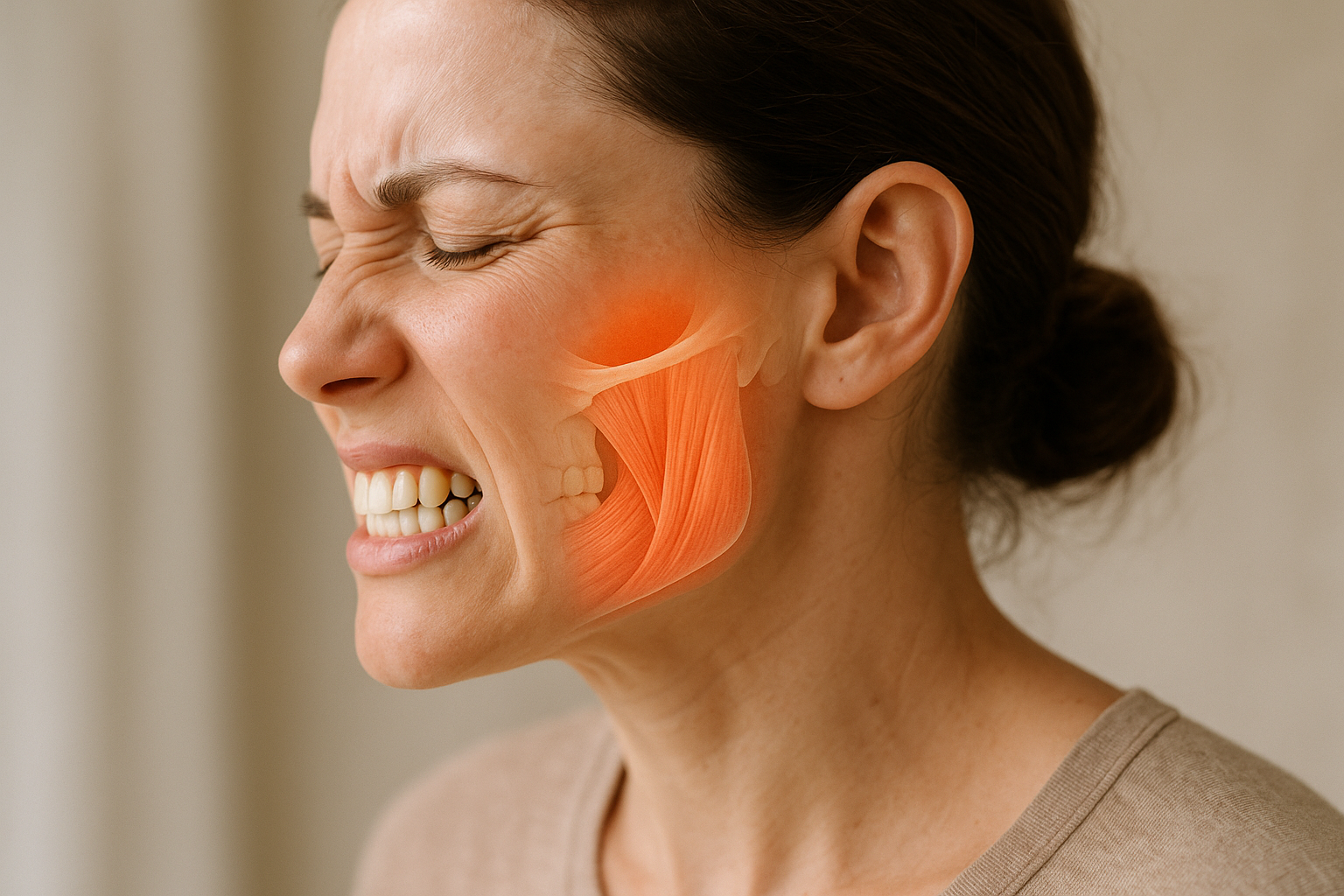
What is Bruxism?
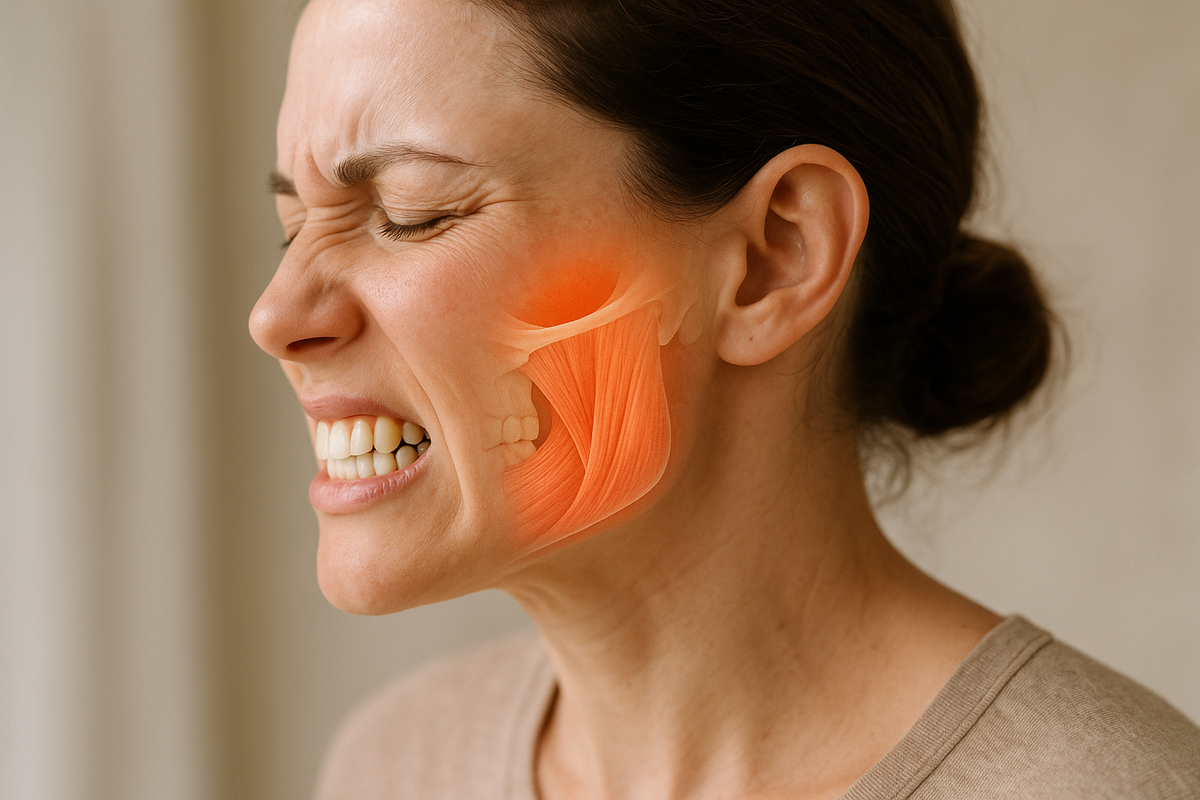
Bruxism is the clinical term for repetitive jaw-muscle activity that appears as teeth grinding or clenching. It can occur while you are awake (awake bruxism) or asleep (sleep bruxism). The core symptoms are straightforward:
- Audible grinding noises at night reported by a partner
- Jaw muscle fatigue or tightness in the morning
- Headaches that start near the temples
- Flattened, chipped, or cracked teeth
A 2014 review of psychotropic drugs and bruxism by Falisi et al. points out that bruxism is not a single disease but a behavior that can be triggered by multiple factors. Because the jaw muscles are some of the strongest in the body, even low-grade clenching can apply significant pressure on tooth enamel and the temporomandibular joint (TMJ).
Common Causes of Bruxism
You might grind your teeth for many reasons:
- Stress and anxiety: Fight-or-flight hormones prime muscles for action, including the masseters in your jaw.
- Sleep disorders: Conditions like obstructive sleep apnea can trigger micro-arousals that coincide with jaw activity.
- Malocclusion: When upper and lower teeth do not meet evenly, the jaw may hunt for a comfortable position, leading to clenching.
- Medications and substances: Certain drugs, especially those that tweak dopamine and serotonin, have been linked to bruxism. A critical review by Winocur et al. lists stimulants, antidepressants, and recreational drugs as common culprits.
The list of suspect medications keeps growing. A 2019 series of articles on medicaments and oral health by de Baat and colleagues highlights both prescription and over-the-counter drugs that can trigger grinding, with ADHD stimulants near the top.
How Stimulants Like Adderall Contribute to Bruxism
The Role of ADHD Medications
Adderall (mixed amphetamine salts) and other stimulant medications work by increasing levels of dopamine and norepinephrine in the brain’s synapses. You get sharper focus and improved impulse control, but those same neurotransmitters increase muscle tone and alertness. Think of the jaw as a small but high-powered motor: more fuel equals more RPMs. For more insight into how stimulants affect the jaw, check out why stimulants make you clench your jaw.
An upcoming paper on drug interactions and bruxism by Audemard and Robin stresses that stimulants lower the threshold for motor activity during both wakefulness and REM sleep, creating a perfect storm for involuntary clenching. The phenomenon is not purely theoretical. Case reports and observational studies keep stacking up.
Clinical Findings on Stimulant-Induced Bruxism
Let us run through the data:
- A case series in Child and Adolescent Psychopharmacology described two adolescents who developed severe nocturnal bruxism within a week of starting methylphenidate. Adding a bedtime dose of clonidine eased the grinding without dropping the stimulant.
- The 2019 medicaments series mentioned earlier (de Baat et al.) cataloged over twenty reports linking amphetamines and methylphenidate to both daytime jaw clenching and sleep bruxism.
- Animal work backs it up. Studies on MDMA and related compounds show increased jaw-opening reflexes and alpha-adrenergic modulation, implying a shared physiological pathway with prescription stimulants (Arrue et al., 2004).
Put simply, stimulants push your nervous system into a higher gear. While that helps your brain stay on task, it also keeps peripheral muscles like the masseter partially contracted. At night, when muscle tone should drop, stimulant metabolites still in your bloodstream can prevent full relaxation, making grinding more likely.
This is not the same as anxiety-driven bruxism, although stress can layer on top and make matters worse. Even people who feel calm on Adderall may find themselves chewing through mouth guards because the trigger is neurochemical, not psychological.
The Impact of Bruxism on Oral Health
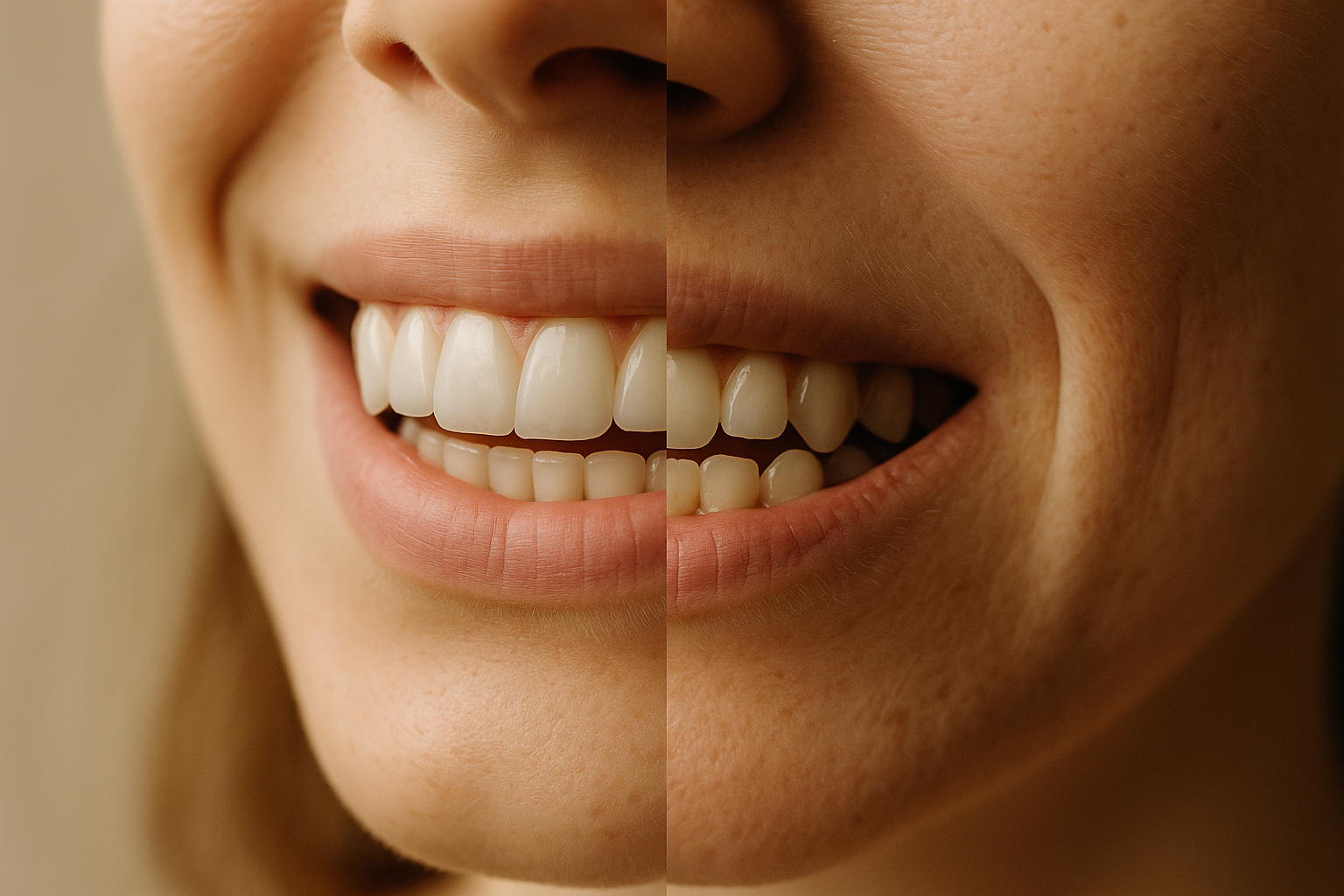
Potential Dental Damage
Teeth are built to bite, not to bench-press. Chronic bruxism wears down enamel, the hardest substance in your body, faster than normal chewing ever could. According to a review by Winocur et al. the average grinder loses up to 2 mm of tooth height per decade if the habit goes unchecked. Complications include:
- Cracked or fractured cusps that require crowns
- Sensitivity to heat and cold as dentin becomes exposed
- Sharp enamel edges that cut the tongue or cheek
- Accelerated dental caries when cracks harbor bacteria
These issues are expensive to fix. While insurance might cover fillings, it often balks at full-mouth rehabilitation. A classic 1981 review on jaw-muscle fatigue (Christensen, 1981) warned that the economic burden of untreated bruxism can rival that of periodontal disease.
Long-term Effects on Jaw Health
The temporomandibular joint is a small hinge with a thin cartilage disc. Grind hard enough, and that disc can slip, click, or even tear. Chronic overload also inflames surrounding ligaments, leading to TMJ disorder (TMD). A 2019 narrative review in the same medicaments series (de Baat et al.) connects stimulant-induced clenching to an uptick in TMD diagnoses. For more information on effective treatments, explore our jaw pain treatment guide for TMJ.
Muscle fatigue is another issue. Older work by Christensen and later by Torisu et al. recorded biochemical markers of fatigue in the masseter after just five minutes of voluntary clenching. Over time, fatigued muscles may develop trigger points, referring pain to the head and neck that masquerade as migraines.
Identifying and Diagnosing Bruxism
Signs and Symptoms
Because you cannot watch yourself sleep, bruxism often flies under the radar. Look for these red flags:
- Morning jaw stiffness or pain that fades by noon
- Indentations along the side of the tongue (called scalloping)
- Notches at the gumline known as abfraction lesions
- Partner reports of crunching sounds during the night
A 2014 psychotropic-drug review (Falisi et al.) recommends that clinicians ask targeted questions about sleep quality and jaw soreness when prescribing stimulants. Recognizing these signs you grind your teeth can help in early diagnosis and treatment.
Diagnostic Methods
Dentists typically start with a visual exam and palpation of jaw muscles. To get objective data, they may use:
- Intra-oral wear facets: Cast models or digital scans show flat spots on opposing teeth.
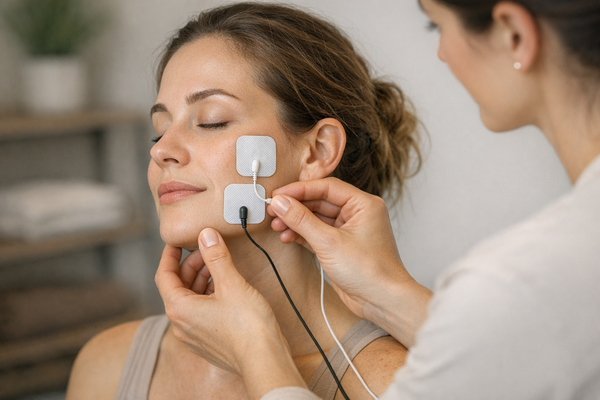
- Electromyography (EMG): Surface electrodes measure nocturnal muscle bursts. A recent engineering study combined EMG with brain-computer interfaces to flag jaw-clenching events with fewer false alarms (Chae et al., 2022).
- Polysomnography (sleep study): Gold standard for sleep bruxism, especially when ruling out sleep apnea. Some sleep labs include audio sensors to capture grinding noises.
Laboratory tools cost money, so many clinicians rely on patient history and signs. Still, if you suspect stimulant-induced bruxism is wrecking your teeth, pushing for objective testing can document the issue and support insurance coverage for treatment.
Practical Solutions for Managing Stimulant-Induced Bruxism
Lifestyle Changes and Stress Management
First, do not quit your ADHD medication cold turkey. Losing focus can tank work performance and mental health. Instead, try these steps:
- Jaw-awareness drills: Set a phone timer for random intervals. When it buzzes, check if your teeth are touching. If they are, drop your jaw so the lips meet but teeth do not.
- Mindful breathing: Slow, diaphragmatic breaths dampen the sympathetic nervous system. A 2023 review on stress management in youth but applicable to adults suggests paced breathing as a low-tech intervention (Zisopoulou & Varvogli, 2023).
- Limit late-day caffeine: Stimulant plus espresso is a double hit to jaw muscles. Cut off caffeine after 2 pm. Read more about why you should avoid caffeine late at night if you grind your teeth.
- Stretch and massage: Gently open the mouth, then use your thumbs to rub the masseter muscle in a circular motion for 60 seconds.
While lifestyle tweaks sound basic, they can reduce low-level clenching episodes, especially during daytime hours.
Or consider using a gentler alternative for keeping your focus, especially close to bedtime. Products like Night Moves use simple amino acid blends to bolster neurotransmitters and help you focus without impacting your sleep.
Medications and Medical Interventions
If grinding persists, talk with your prescriber and dentist about the following options:
- Timing or dosage tweaks: Shifting the last stimulant dose earlier in the day reduces active metabolites at bedtime. Some patients split the total dose into smaller installments to avoid peaks that trigger clenching. This strategy is supported by anecdotal reports collected in the medicaments review (de Baat et al., 2019).
- Adjunctive alpha-agonists: Low-dose clonidine or guanfacine at night calms the sympathetic system. The case report by Naguy et al. showed that 0.1 mg clonidine eliminated nocturnal grinding within three nights.
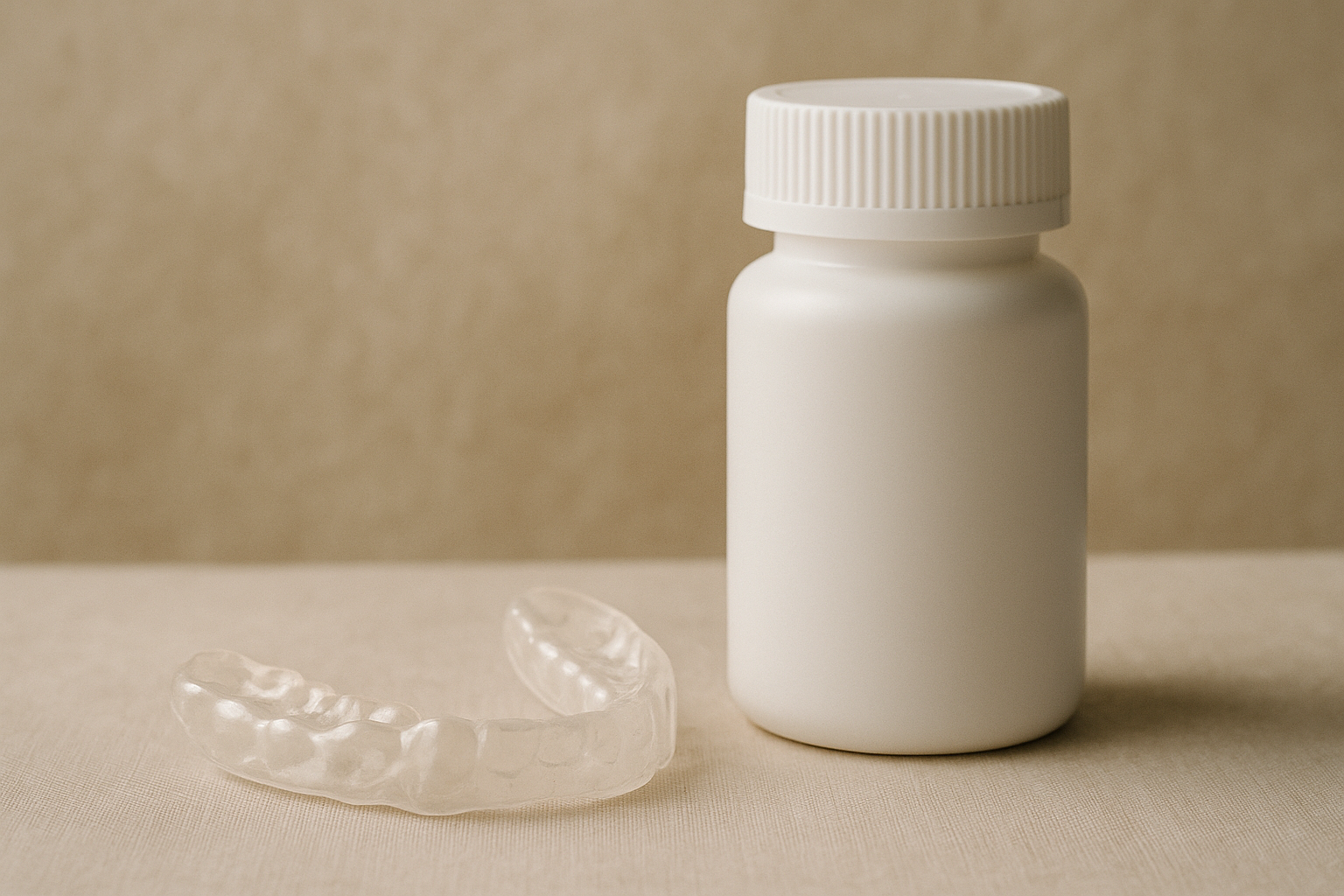
- Occlusal guards: Custom mouth guards create a physical barrier that protects enamel. They do not stop muscle activity but distribute force and reduce sound. According to the American Dental Association’s bruxism guidelines (ADA website), hard acrylic guards last longer than soft over-the-counter versions. For more on the benefits of custom guards, see our article on custom mouth guards for teeth grinding.
- Muscle relaxants: Short courses of cyclobenzaprine or low-dose diazepam can reduce nighttime clenching, but dependence and daytime drowsiness limit long-term use.
- Botulinum toxin (Botox): Injecting small doses into the masseter weakens the muscle enough to stop destructive grinding without affecting chewing. A 2024 case series on SSRI-induced bruxism also found Botox helpful when paired with mouth guards (Ghoshal & Singh, 2024). The logic applies to stimulant users as well. Learn more about Botox for bruxism as a treatment option.
Whichever path you pick, remember that bruxism often needs a combination approach. Lifestyle measures lower baseline tension, guards protect teeth, and medications target the neurochemical driver. Work with both a medical and a dental professional so solutions in one area do not interfere with the other.
Conclusion
Stimulants like Adderall enhance attention by boosting dopamine and norepinephrine, but that same neurochemical surge can push jaw muscles into overdrive. Multiple studies, from Audemard and Robin’s drug interaction review to Naguy et al.’s clonidine case report, confirm the link between stimulants and bruxism. The damage is not trivial: chipped enamel, TMJ pain, and hefty dental bills.
The good news is that you have options. Spot the signs early, get a proper diagnosis, and layer interventions—timing tweaks, stress control, mouth guards, and targeted medications. By collaborating with your prescriber and dentist, you can maintain your focus and keep your teeth intact, proving that it is possible to tackle your to-do list without literally grinding your teeth.