
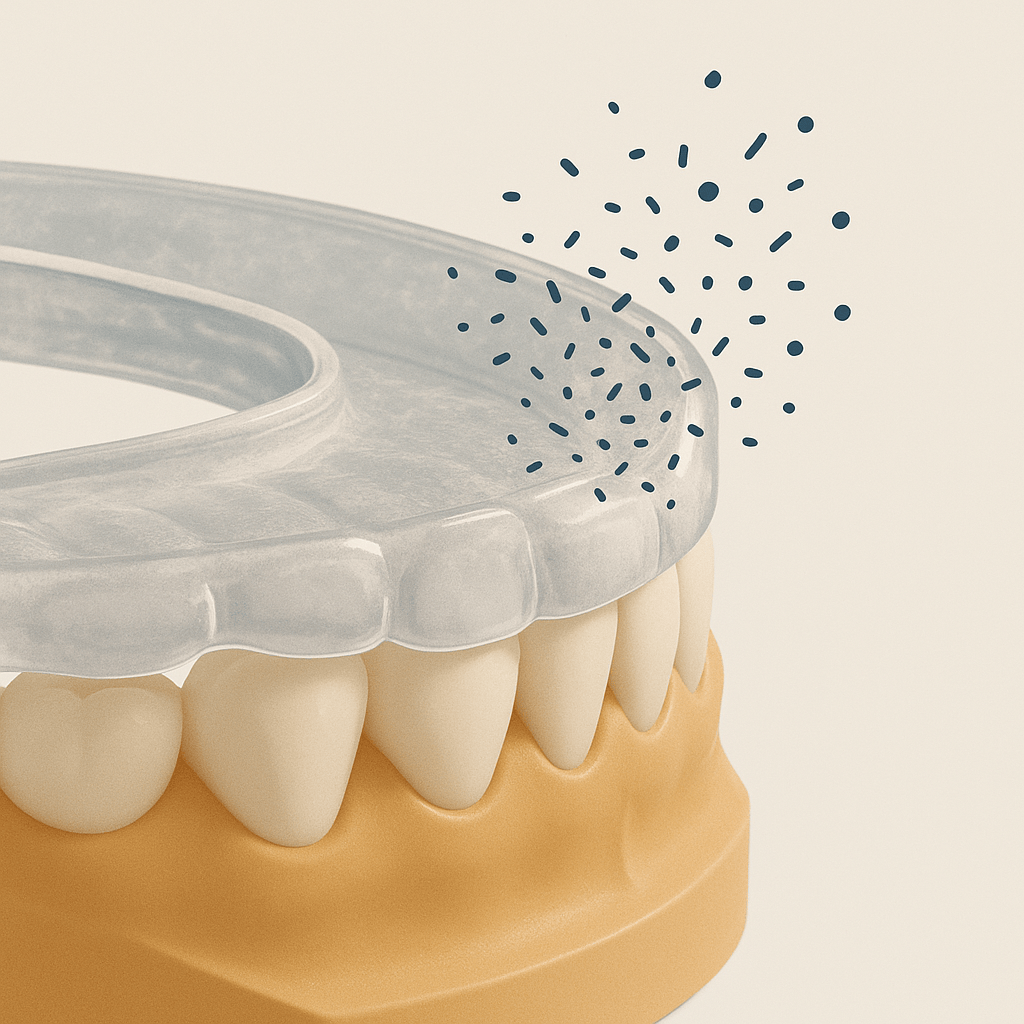
Waking up with a sore jaw or experiencing persistent ear pain can be draining—especially if jaw clenching or teeth grinding (bruxism) is to blame. Night guards are widely recommended to protect your teeth and ease discomfort, but more people are now asking tough questions about what goes in their mouth night after night. One emerging concern: Could wearing a night guard expose you to microplastics or toxins?
This article explores the science, what’s known (and not yet known), and how you can make safer choices if you need a night guard. Our goal: give you clear, evidence-based answers—so you can protect your smile, health, and peace of mind.
What Are Microplastics—and Why Should Night Guard Users Care?
Microplastics are tiny plastic particles less than 5 millimeters in size, often created when larger plastic products degrade through friction, heat, or environmental exposure. They’ve been detected in our food, water, air, and even inside the human body. While the long-term health implications are still being researched, some studies associate microplastics with inflammation and potential hormone disruption (source).
For those who use dental appliances—such as orthodontic aligners, retainers, or night guards—this raises a real question: Could my night guard be a source of microplastic exposure?
What Are Night Guards Made Of? Understanding Materials and Safety

Night guards are usually crafted from acrylic, EVA (ethylene vinyl acetate), or other dental-grade thermoplastics. These materials are chosen for durability and oral compatibility, but they are still forms of plastic and polymers. Over time, especially with heavy grinding or poor maintenance, even sturdy plastics can degrade or shed tiny fragments.
- Acrylic: Hard, durable, common in guards for severe bruxism.
- EVA (Soft): Flexible, comfortable, used for mild-moderate cases.
- Hybrid or Dual-Laminate: Hard outer layer with soft inner for both comfort and durability.
Most dental labs today produce BPA-free, medical-grade night guards and adhere to strict safety and material standards. However, over-the-counter “boil-and-bite” options, and older or damaged guards not replaced on schedule, are more likely to degrade and potentially shed microplastics.
Do Night Guards Really Release Microplastics?
The evidence:
- Early research suggests mechanical wear (from grinding) and exposure to saliva can cause trace release of microplastics from some thermoplastic appliances (study).
- The amount appears to be very minimal—and current studies don’t conclusively link night guard use with measurable health harm.
- The biggest risk factors: cheap or low-quality plastics, visible guard damage, and prolonged use without proper replacement.
The majority of your lifetime microplastic exposure is far more likely to come from food, water, and air than from a custom dental appliance. The benefits of preventing tooth wear, fractures, jaw pain due to wisdom teeth, and even ear pain from jaw clenching almost always outweigh unproven theoretical risks.
How to Minimize Microplastic Exposure from Night Guards: Practical Tips

- Choose Quality Materials: Ask your provider for BPA-free, phthalate-free, and FDA-approved materials only. Custom-fit guards from reputable dental labs use higher standards than most store-bought options.
- Replace Regularly: Inspect your guard monthly. Replace if you notice cracking, cloudiness, rough edges, or a change in fit. As a rule: soft guards last 6-12 months, hard/hybrid up to 2-3 years depending on grinding intensity.
- Clean Properly—But Gently: Use non-abrasive cleansers, avoid boiling water, and consider how to clean night guard with vinegar as a safe home method.
- Store Dry and Protected: Keep your night guard in its ventilated case and away from direct sunlight or heat when not in use.
- Consult Your Dentist or Dental Lab: If you’re concerned about safety, ask for documentation on the material source and FDA registration. Dentists can recommend the best option for your particular jaw pain or bruxism severity.
Are There Alternatives If You’re Concerned About Plastics?
If you’re seeking microplastic-free or non-plastic options, be aware that most *proven* bruxism solutions involve some form of polymer. However, you have alternatives:
- Jaw Exercises/Physical Therapy: Targeting the root cause of tension can reduce grinding (learn more about bruxism jaw exercises).
- Jaw Botox for Teeth Grinding: This treatment can relax hyperactive muscles that cause clenching, potentially easing symptoms and related ear pain.
- Lifestyle Adjustments: Reducing caffeine and alcohol, improving sleep habits, and addressing stress can often lessen symptoms naturally.
We’re committed to ending the need for night guards by exploring cures for bruxism. Meanwhile, choosing the safest dental device and caring for it well remains your best defense.
Frequently Asked Questions
- Can bruxism cause ear pain or jaw pain?
- Yes. Chronic clenching or grinding puts pressure on jaw joints and surrounding muscles, which can radiate discomfort toward the ears or cause TMJ issues.
- How do I clean my night guard with vinegar?
- Mix equal parts distilled white vinegar and cool water. Soak for 15-30 minutes, then brush gently and rinse thoroughly. Avoid prolonged soaking, which can degrade some materials.
- Is there a ‘perfectly safe’ night guard?
- Evidence suggests that high-quality, custom-fit, medical-grade guards are extremely safe for the vast majority of users—especially if maintained and replaced as recommended. Choose labs that are transparent about their materials. We are partnered with and recommend Pro Teeth Guard.
Conclusion: Protect Your Teeth, Stay Informed, and Choose Wisely
Current research on microplastic risks from night guards is limited and evolving, but most evidence points to a very low risk with proper use and care—especially compared to the damage from unprotected bruxism.
To protect your oral health (and minimize jaw pain due to wisdom teeth, ear pain from jaw clenching, or costly dental repairs), choose a reputable, high-quality night guard and follow best cleaning and replacement practices.
We’re your expert allies on the path to both a bruxism cure and informed, safe night guard use. Have questions? Subscribe to our newsletter, explore our deep-dive guides, or reach out to a dental professional for advice tailored to your needs.
 Grind My Teeth
Leave a comment