

Waking up with a sore jaw, dull headache, or even unexplained ear pain? You’re not alone. Millions struggle with nighttime teeth grinding—also known as bruxism—which can lead to persistent jaw clenching, tooth damage, and disrupted sleep. If you’re searching for a solution that’s effective, comfortable, and built to last, a custom mouth guard could be your best option.
This guide explores how custom mouth guards protect your teeth and jaw, what sets them apart from store-bought versions, and how wearing one can improve your oral health—and your quality of life.
Why Teeth Grinding Matters: Recognizing Bruxism and Its Consequences
Bruxism is more than just the sound of grinding teeth in the night. It’s a condition that can cause:

- Worn, cracked, or chipped teeth—sometimes requiring expensive dental repairs
- Jaw pain and soreness that lingers into the day and may radiate to the temples or neck
- Morning headaches, facial tension, and even tinnitus-like ear pain (can bruxism cause ear pain? Yes!)
- Damage to dental work such as crowns or implants
- Disturbed sleep—for you and your partner
Many people don’t realize they grind their teeth until the consequences appear. Dentists often spot the signs first: flattened chewing surfaces, tiny cracks, or gum recession. Jaw clenching and bruxism can cause wider issues, including contributing to TMJ disorders (temporomandibular joint dysfunction), which sometimes present with symptoms ranging from jaw clicking to ear pain.
Why Custom Mouth Guards Are the Gold Standard for Bruxism
You might have seen “boil-and-bite” guards at the drugstore, or tried a soft mouth guard from a pharmacy. For some mild cases, over-the-counter options may help temporarily. But if you’re grinding hard enough to cause pain, it’s time to consider a custom mouth guard.
What Makes a Custom Mouth Guard Different?
- Personalized Fit: Your dentist takes detailed impressions or digital scans of your teeth, creating a guard that matches your unique bite and jaw alignment perfectly.
- Superior Comfort and Retention: Custom guards are less bulky, fit snugly, and are tailored to accommodate braces, crowns, dental implants, and even jaw irregularities. This means you’re far more likely to actually use it every night.
- Effective Protection: The guard acts as a durable barrier, absorbing the pressure from grinding and clenching—sparing your enamel, restorations, and jaw joints.
- Durability: Custom guards, made from medical-grade materials, usually last years with proper care, unlike store-bought guards, which may need replacement every few months.
Bottom line: The up-front cost is higher, but custom mouth guards pay for themselves by preventing future dental repairs, reducing pain, and supporting better sleep.
How Does a Custom Night Guard Work?
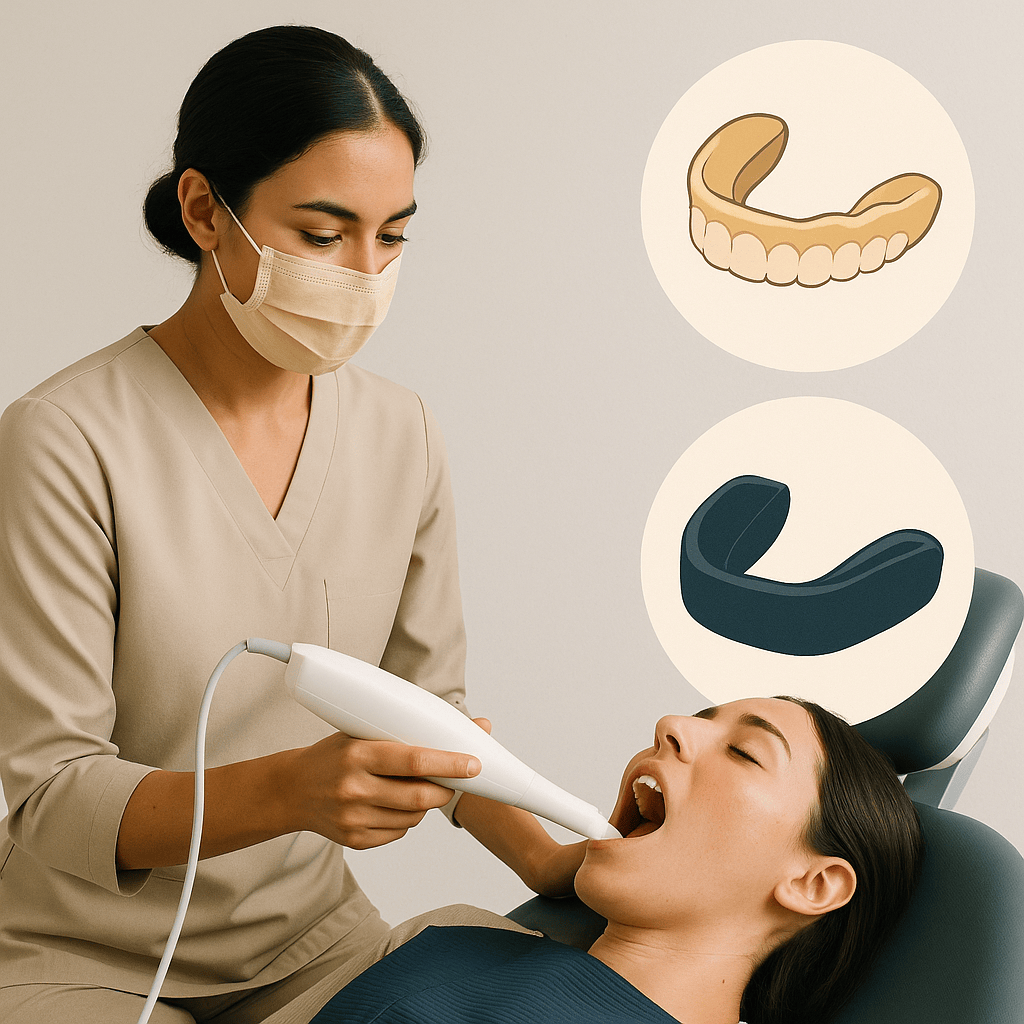
A custom night guard, also called an occlusal or bruxism splint, is worn over your upper (sometimes lower) teeth during sleep. Here’s what you can expect from the process:
- Dental Impression or Scan: Your dentist will take an impression of your teeth, using dental putty or a digital scanner. This captures every contour and bite alignment for a precise fit.
- Fabrication: The impression goes to a dental lab to create your guard from durable, biocompatible plastics.
- Fitting and Adjustment: When it’s ready, your dentist checks and adjusts the fit to ensure it’s comfortable and does not interfere with your bite or breathing.
- Regular Use: Wear your guard every night while you sleep (and, if recommended, during the day if you’re a chronic jaw clencher).
Recognizing If You Need a Mouth Guard
Common signs you might benefit from a custom night guard include:
- Frequent morning headaches or facial pain
- Jaw pain upon waking, or pain that worsens with stress
- Soreness that radiates as ear pain from jaw clenching or even as jaw pain due to wisdom teeth
- Noticeable tooth wear, sensitivity, chips, or cracks
- Partner tells you that you grind your teeth in your sleep
If you recognize these symptoms, schedule an evaluation with a dentist—not just for a guard, but to check for existing damage too.
Benefits of Wearing a Custom Mouth Guard for Teeth Grinding
1. Protects Teeth Against Costly Damage
The primary job of a night guard is to serve as a resilient barrier, preventing your upper and lower teeth from grinding against each other. This helps reduce enamel wear, chips, and fractures, and can preserve existing dental work.
2. Alleviates Jaw Pain, Headaches, and Ear Pain
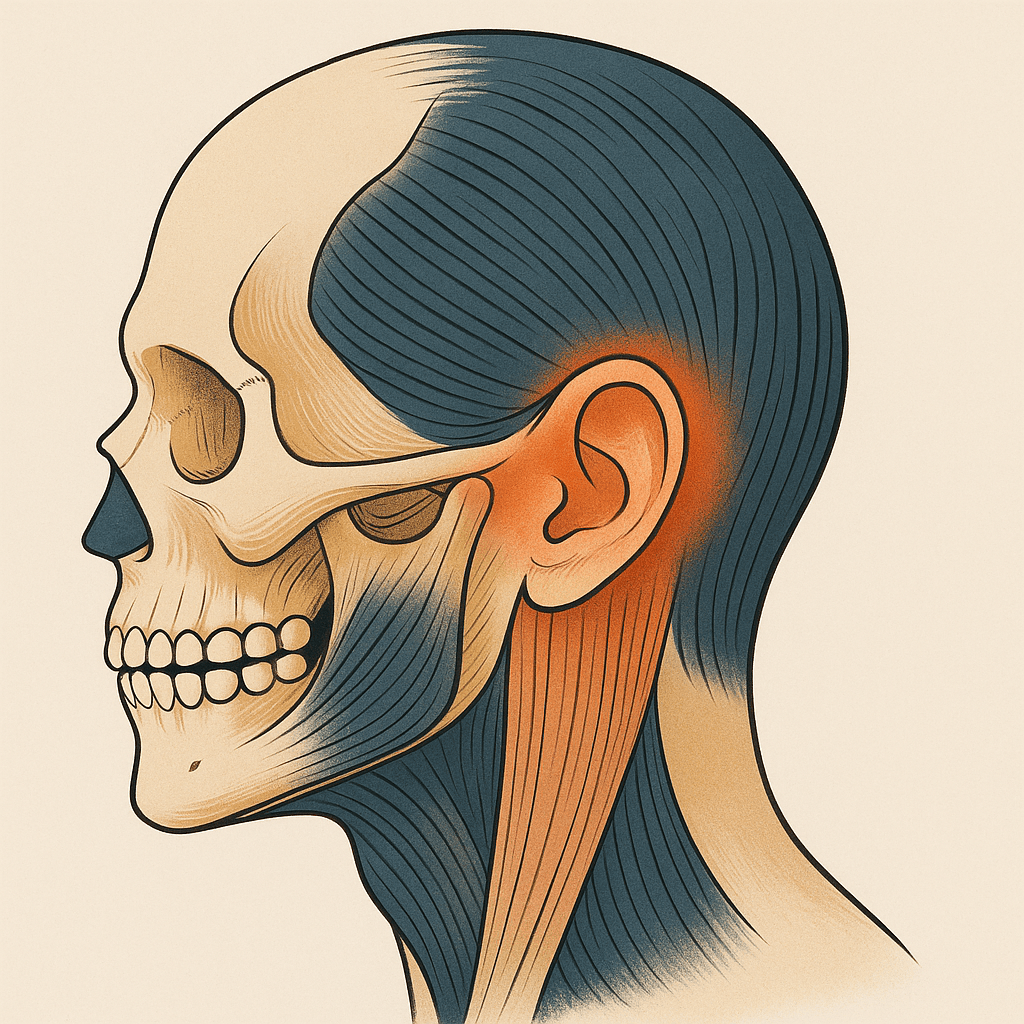
By cushioning the pressure of nighttime jaw clenching, custom guards help relax jaw muscles and reduce strain on the TMJ—a major contributor to headaches and ear pain related to bruxism. For some, a guard alone provides remarkable relief.
3. Prevents and Eases TMJ Disorders
Chronic grinding and clenching can strain the joints that move your jaw (TMJs). Over time, this may cause popping, clicking, or even jaw locking. A well-fitted guard helps maintain healthy joint alignment and minimizes inflammation, sometimes making it easier to find daytime relief—even if considering jaw Botox for teeth grinding as a future option.
4. Supports Better Sleep and Wellbeing
Unaddressed bruxism can disrupt your sleep cycles, cause fragmented sleep, and lead to fatigue. Some people with sleep apnea or severe snoring—known to overlap with jaw clenching—may also notice improvements with custom oral appliances.
Care and Cleaning: Tips for Maintaining Your Night Guard
A night guard is only as good as its condition. To keep your guard clean and safe:
- Rinse in cool water after each use—never hot water, which can warp it.
- Use a soft brush and mild soap. How to clean night guard with vinegar: Soak your guard periodically (about once a week) in a 1:1 mix of white vinegar and water for 30 minutes, then rinse thoroughly and air dry.
- Store in a ventilated case away from pets.
- Bring your guard to dental checkups for inspection.
FAQs and When to Seek Professional Help
Can bruxism cause ear pain?
Absolutely. The jaw’s proximity to the ear means that persistent clenching or TMJ inflammation can radiate discomfort around or inside the ear canal. If you suspect your ear pain is related to jaw tension or bruxism, a dental evaluation is wise.
Is jaw pain due to wisdom teeth the same as jaw pain from grinding?
They may feel similar, but the causes differ. Wisdom teeth can cause intermittent, localized jaw discomfort (especially if impacted), while bruxism pain is usually more diffuse and present upon waking. If in doubt, a dentist can diagnose the source—and occasionally, both issues can co-exist.
Custom vs. Store-Bought: Is It Worth the Investment?
While store-bought mouth guards offer an inexpensive, short-term solution, evidence and long-term experience show that custom-fitted guards are far more comfortable, effective, and actually used by patients—avoiding the cycle of continued damage and mounting dental bills.
Conclusion: Take the Next Step Toward Relief
Teeth grinding isn’t just a bad nighttime habit—it’s a health issue that can lead to chronic pain, ear discomfort, broken teeth, and disturbed sleep. A custom mouth guard designed by a dental professional offers durable, tailored protection to break the cycle of damage and help you reclaim comfort and confidence.
If you’re experiencing jaw clenching, morning headaches, or unexplained ear pain, don’t wait until significant damage occurs. Consult your dentist about custom mouth guard options. With the right guard, proper care, and support, you’re taking a smart step toward ending the impact of bruxism—while our community continues striving for a true cure.
 Grind My Teeth
Leave a comment