

Waking up with a sore jaw or unexplained ear pain? If you clench or grind your teeth—especially at night—you’re not alone. Bruxism is common, frustrating, and often overlooked, but the latest wave of smart wearables may help.
Can Wearable Tech Help You Understand—and Manage—Bruxism?
Thanks to advances in sensor technology and miniaturization, new “earables” and wearables are now being tested as tools to track jaw muscle activity right from your own bedroom. Imagine a discreet device—no wires, no lab—capable of detecting when you clench or grind in real time.
Not only does this make tracking bruxism much less intimidating, it opens the door to immediate biofeedback and practical behaviour change. But how reliable are these devices, and what should you know before trying one? Let’s break down where the evidence stands and how you can make wearable tech work for you.
What Are Earables and How Do They Work?
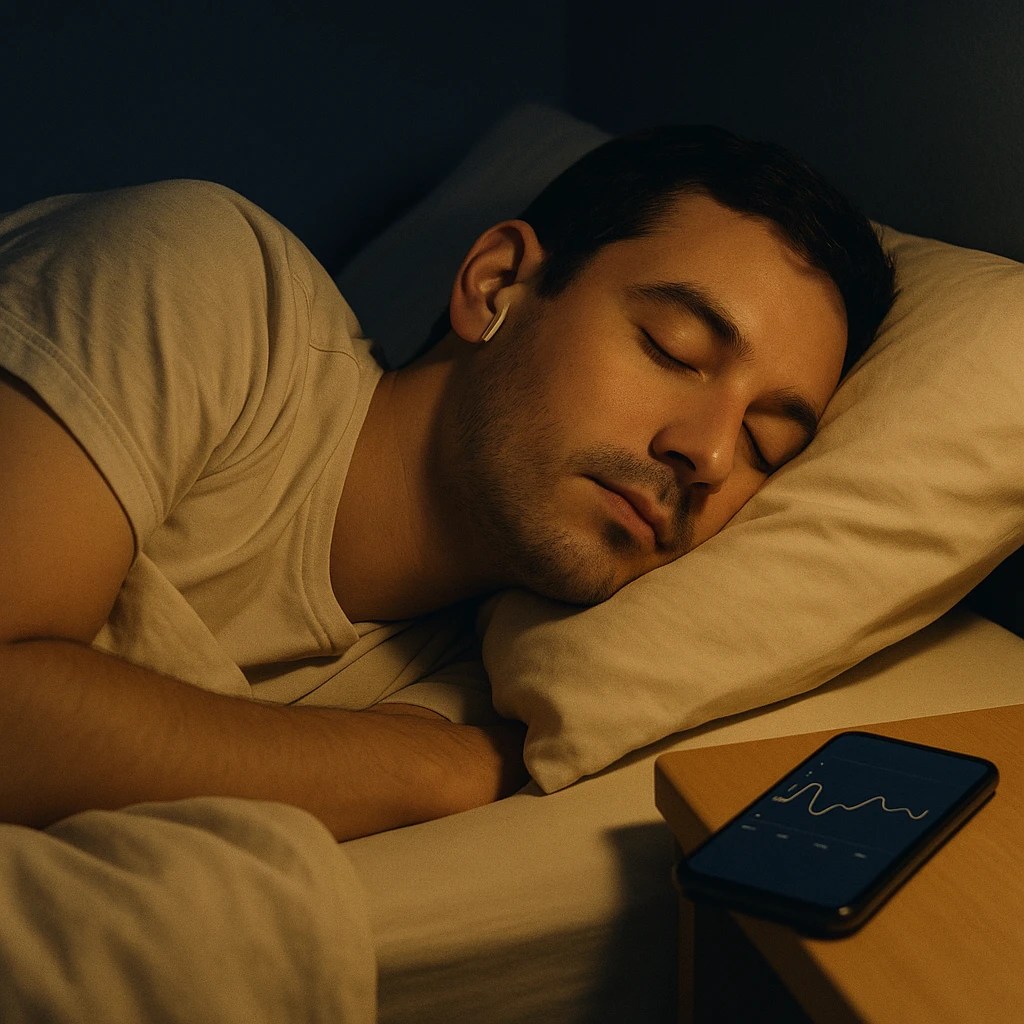
Earables are a new category of wearable device designed to sit comfortably in or around the ear. Unlike traditional night guards or EMG (electromyography) sensors placed on the jaw, these devices use miniaturized sensors to monitor muscle activity and vibrations linked to clenching and grinding. With smart algorithms, they can often detect events and send the data to your smartphone for review or feedback.
This isn’t just theoretical. In a recent real-world feasibility study, earables achieved approximately 76% accuracy for detecting grinding events and 73% for clenching[1]. While that’s not perfect, it’s a significant step forward—especially for home use.
Earables vs. Traditional Sleep Studies: What’s the Difference?
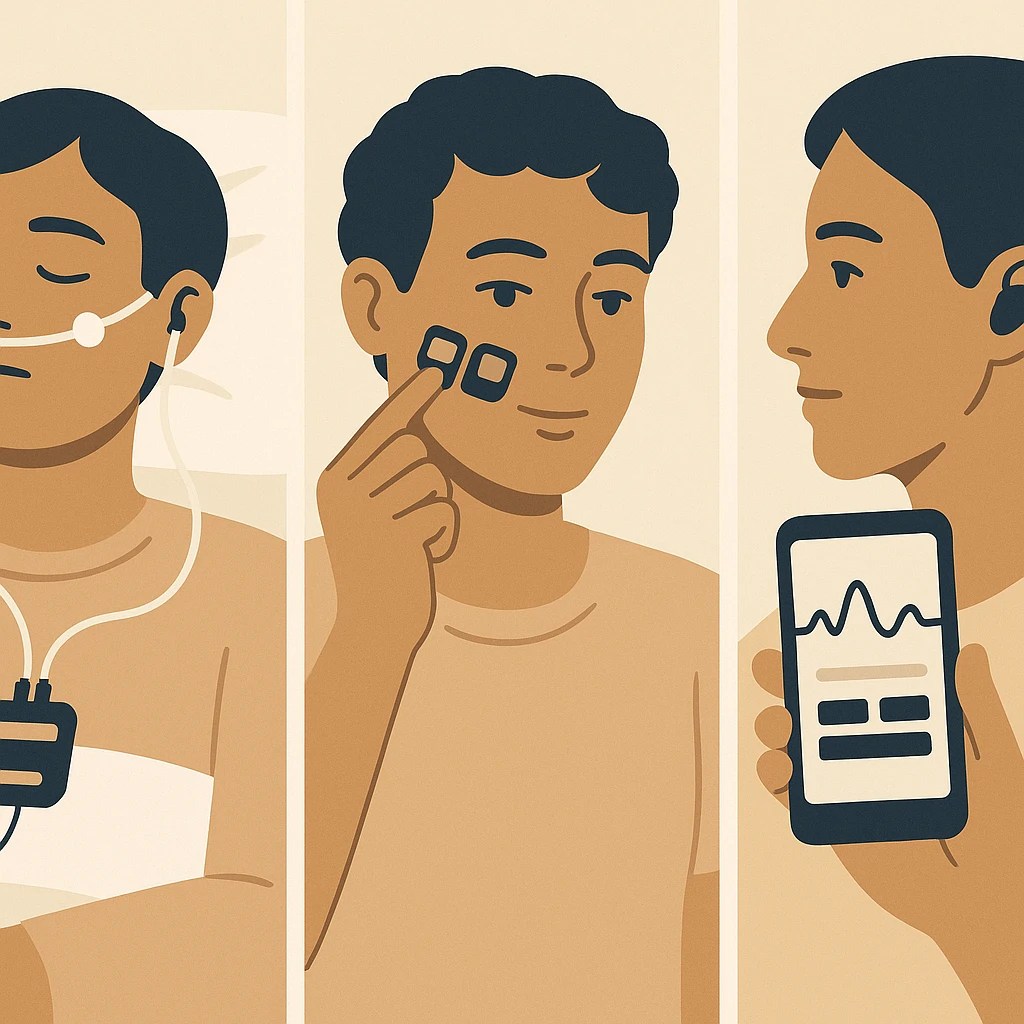
To put earables in context, here’s how they compare to standard methods:
- Polysomnography (PSG): The gold standard, combining EEG (brainwaves), EMG (muscle activity), EOG (eye movement), and more. Involves a full-night stay in a sleep lab, glued-on sensors, and expert scoring. Comprehensive but expensive, often uncomfortable, and hard to repeat at home.
- Traditional EMG Devices: Often use adhesive electrodes on the jaw. Accurate, but can irritate sensitive skin, disrupt sleep, and require technical know-how to interpret data.
- Earables & Wearables: Discreet, designed for home use, and user-friendly. Most pair with a phone app, offering immediate results, reminders, or biofeedback cues.
The trade-off: While still less precise than a lab EMG, modern earables are making objective bruxism monitoring more accessible to anyone who grinds their teeth.
Potential Benefits: Beyond Simple Tracking

- Increased Self-Awareness: Many people don’t realize how often they clench or grind. Continuous at-home monitoring reveals patterns—such as spikes in stress, poor sleep, or during specific activities (like long drives or screen time).
- Real-Time Biofeedback: Some earables can alert you (gently) when they sense prolonged clenching, helping you break the habit through increased awareness—a proven behaviour modification technique.
- Data to Share with Professionals: Documented evidence of your grinding can help inform dental or medical treatment (including discussions about possible jaw pain due to wisdom teeth, or questioning if bruxism is contributing to ear pain).
- Empowerment: Knowledge is actionable. Seeing hard data can motivate changes in stress management, posture, and sleep routines.
Current Limitations: The Fine Print
- Accuracy Is Improving—but Not Perfect: 73-76% accuracy means there’s risk of false positives/negatives. If your device flags an event, it’s a cue for attention, not a guarantee.
- Usability While Sleeping: Comfort varies. Some users may find ear-mounted wearables less intrusive than headbands or chin straps, but any device can take getting used to. Light sleepers should expect an adaptation period.
- Battery Life & Connectivity: Most require nightly recharging and can have occasional Bluetooth or data-sync issues.
- Cost: These devices are generally not cheap. Insurance rarely covers them. Always check return policies before purchasing.
Here’s where a practical, solution-focused mindset matters: No wearable replaces conversations with your dentist or physician, but it can provide new insights to guide that dialogue.
Practical Guide: How to Test a Bruxism Wearable the Right Way
- Set Clear Goals: Are you looking to confirm suspected nighttime clenching, track daytime jaw tension, or monitor progress after starting a new treatment (like jaw Botox for teeth grinding)? Define your purpose up front.
- Record Baseline Data: Wear the device for at least 3–7 nights without changing your routine. Note time spent asleep, stress levels, and any jaw/ear pain in a sleep journal.
- Look for Patterns: Does the device detect more clenching on stressful days? Is grinding more common when you skip your night guard or change sleep position?
- Self-Validate Events: Some devices let you mark “events” (e.g., when you purposely clench). Try this while awake to see how the sensor responds—this helps you interpret charts later.
- Share Data with Your Dentist: If the device detects frequent bruxism—or if you’re unsure about confusing results—bring your data to your next dental appointment. Your professional may suggest a formal sleep study, evaluation for ear pain due to jaw clenching, or advise on alternative therapies.
- Consider Behavioral Feedback: If your wearable offers vibration or sound alerts, give them a try for daytime clenching. Evidence shows biofeedback can help some people reduce subconscious jaw tension.
- Check for Signs of Improvement: After a few weeks, review: Are you waking up with less jaw pain or fewer headaches? Are you more aware of (and able to stop) clenching during the day?
Tip: For extra DIY rigor, alternate nights wearing your night guard to see if the device confirms a drop in grinding events. If you’re cleaning it, remember: a 1:1 vinegar-water soak for 15–30 minutes, followed by a thorough rinse, can help keep your night guard fresh without damage.
Frequently Asked: Can Bruxism Cause Ear Pain?
Many readers ask us: “Can bruxism cause ear pain?” The answer is yes—clenching and grinding can put excess pressure on the jaw joint (temporomandibular joint, or TMJ), which sits directly in front of the ear canal. This stress can radiate as ear pain, ringing, or what feels like an earache, especially in the absence of a true ear infection. Wearable tech that helps you recognize and reduce jaw tension may, in turn, reduce ear pain over time.
Bottom Line: Do Wearables Have a Role in Beating Bruxism?
While night guards and lifestyle changes remain mainstays for protecting your teeth against bruxism—for now—the new generation of earables and wearables offers a promising, user-friendly window into your own jaw health. They are not a replacement for professional care, but they can empower you to take earlier, more informed action, especially if you’re grappling with unexplained jaw or ear pain, nighttime tension, or persistent dental issues.
If you decide to try a wearable, do it intentionally: Track your jaw, look for patterns, and always loop your dental professional into the conversation. This approach helps you make better choices while supporting the bigger mission—moving toward a world where bruxism can be more easily managed, and eventually cured, for everyone.


 Grind My Teeth
Leave a comment