Is Jaw Pain From Wisdom Teeth or Teeth Grinding?
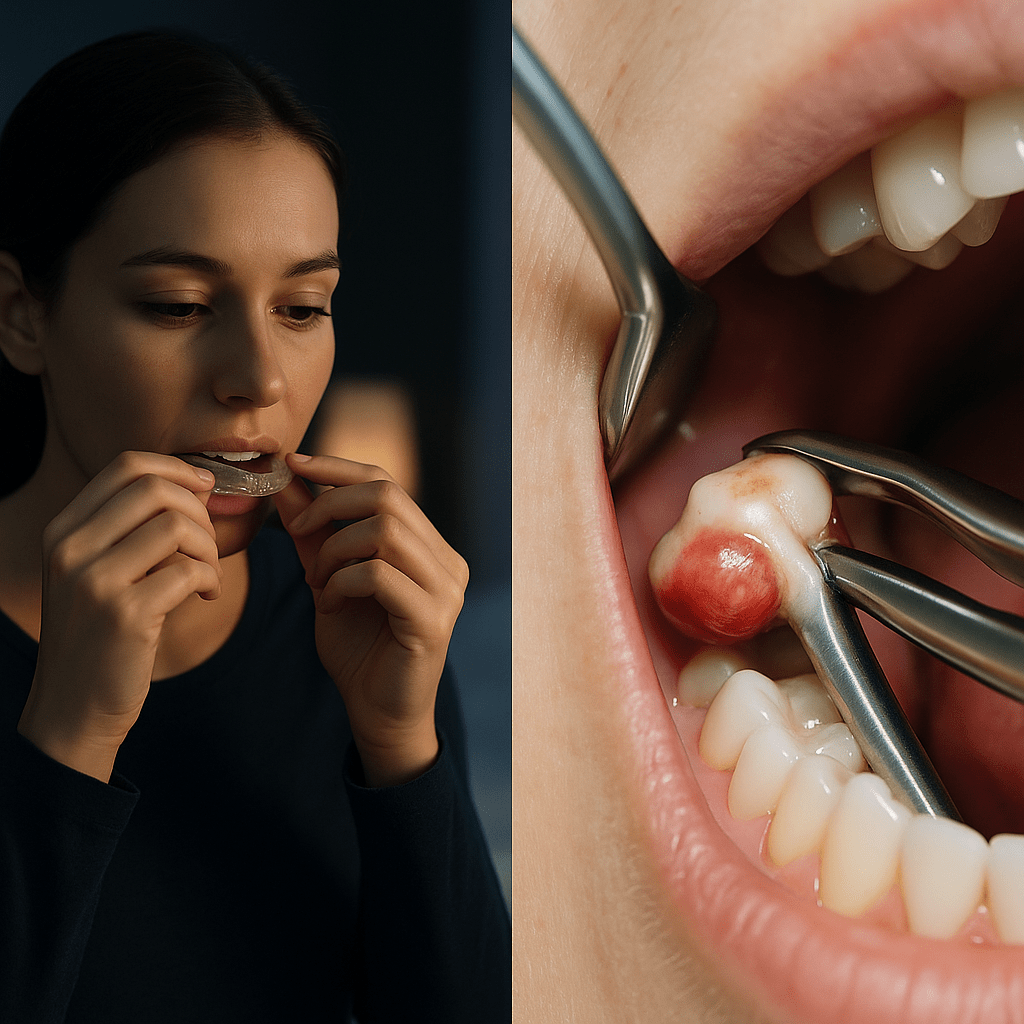
Jaw pain can come from wisdom teeth or teeth grinding. Here’s how to tell the difference and what to do about it.
The Overlap: Why It’s Hard to Tell
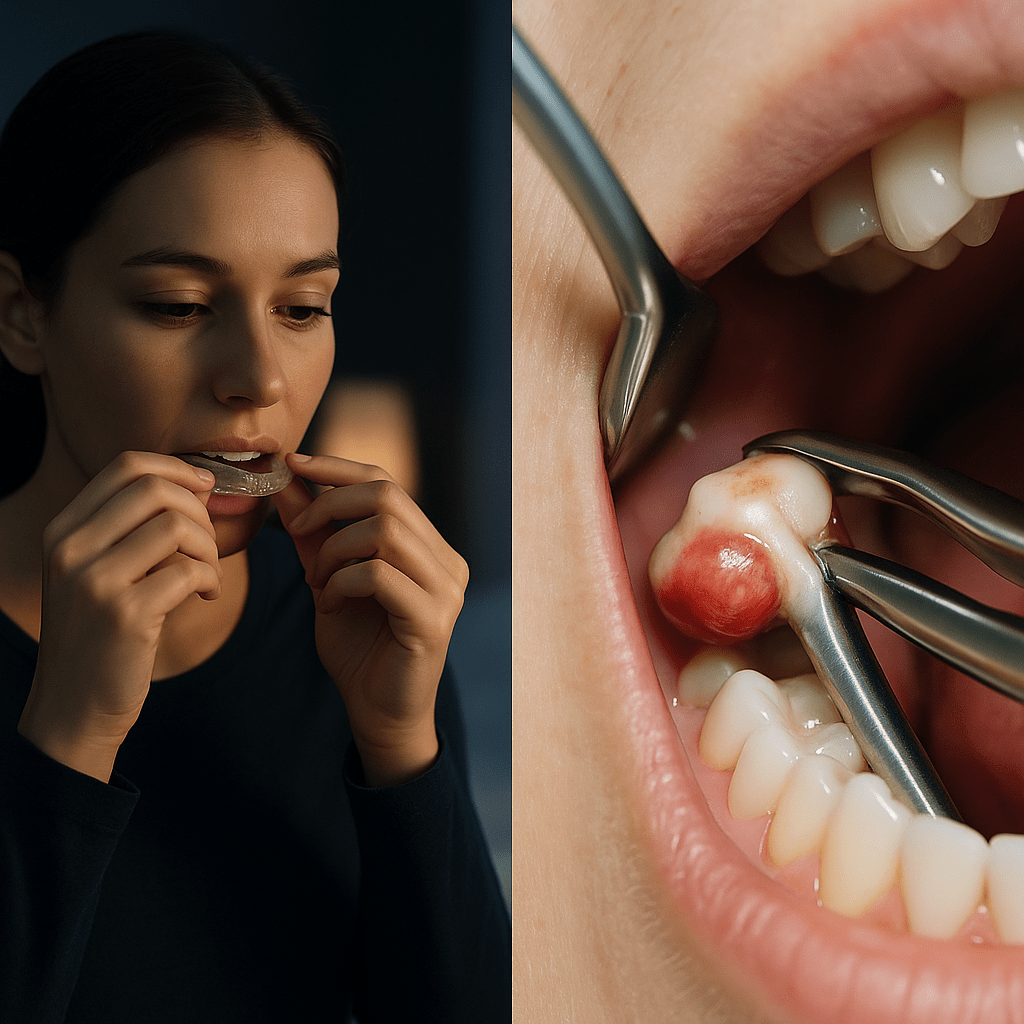
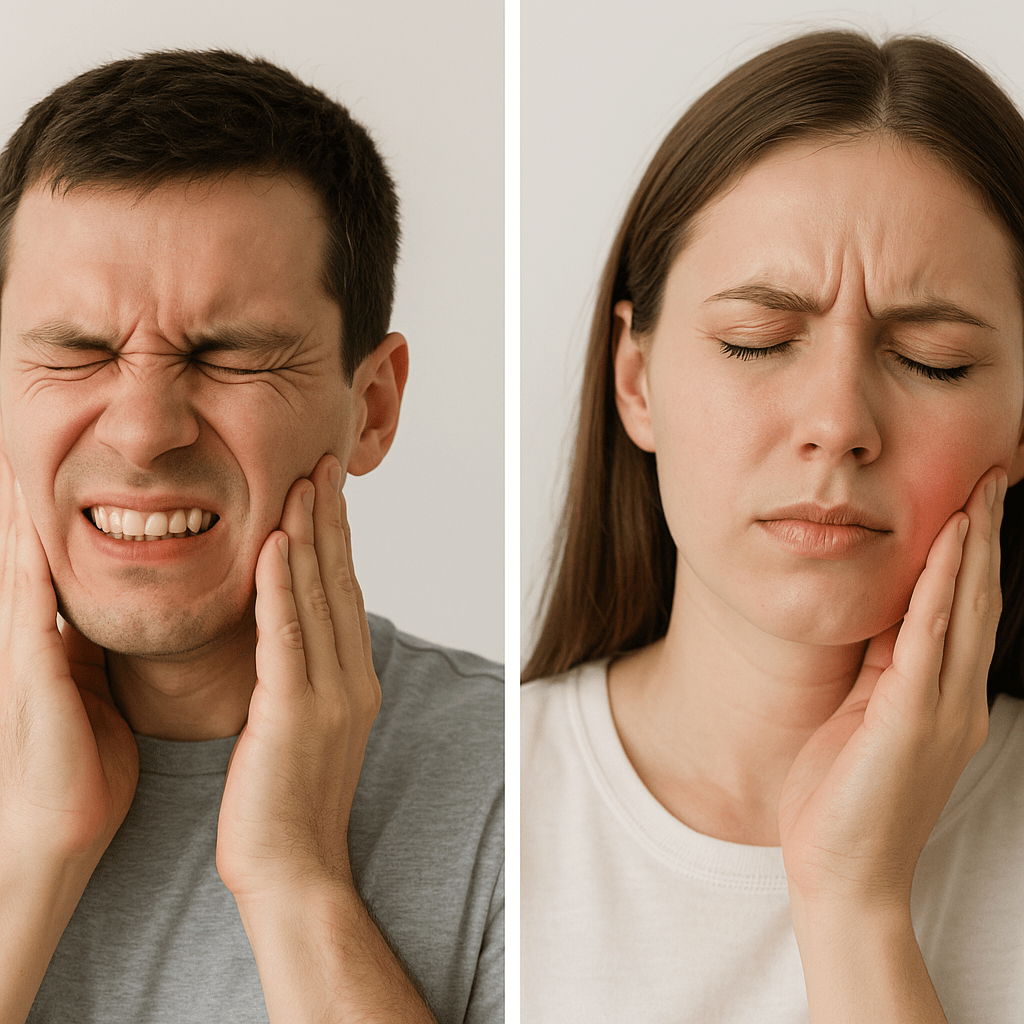
Both wisdom teeth issues and bruxism can cause jaw soreness, headaches, and even ear pain. But they originate from different mechanisms—one is dental crowding or impaction, the other is muscle overuse.
Symptoms of Bruxism
- Pain on both sides of the jaw
- Morning headaches
- Flattened or chipped teeth
- Earaches without infection
Bruxism is often tied to stress, sleep disorders, or stimulant use (Mayo Clinic).
Symptoms of Wisdom Tooth Problems
- Pain on one side of the jaw
- Swelling near the back molars
- Gum inflammation or bleeding
- Difficulty opening your mouth
Wisdom tooth pain may come in waves and worsen during chewing or brushing.
How to Tell the Difference
Ask yourself:
- Is the pain symmetrical or one-sided?
- Do I feel it more in the morning (grinding) or after eating (wisdom teeth)?
- Any visible swelling near the back of the jaw?
Diagnostic Tips
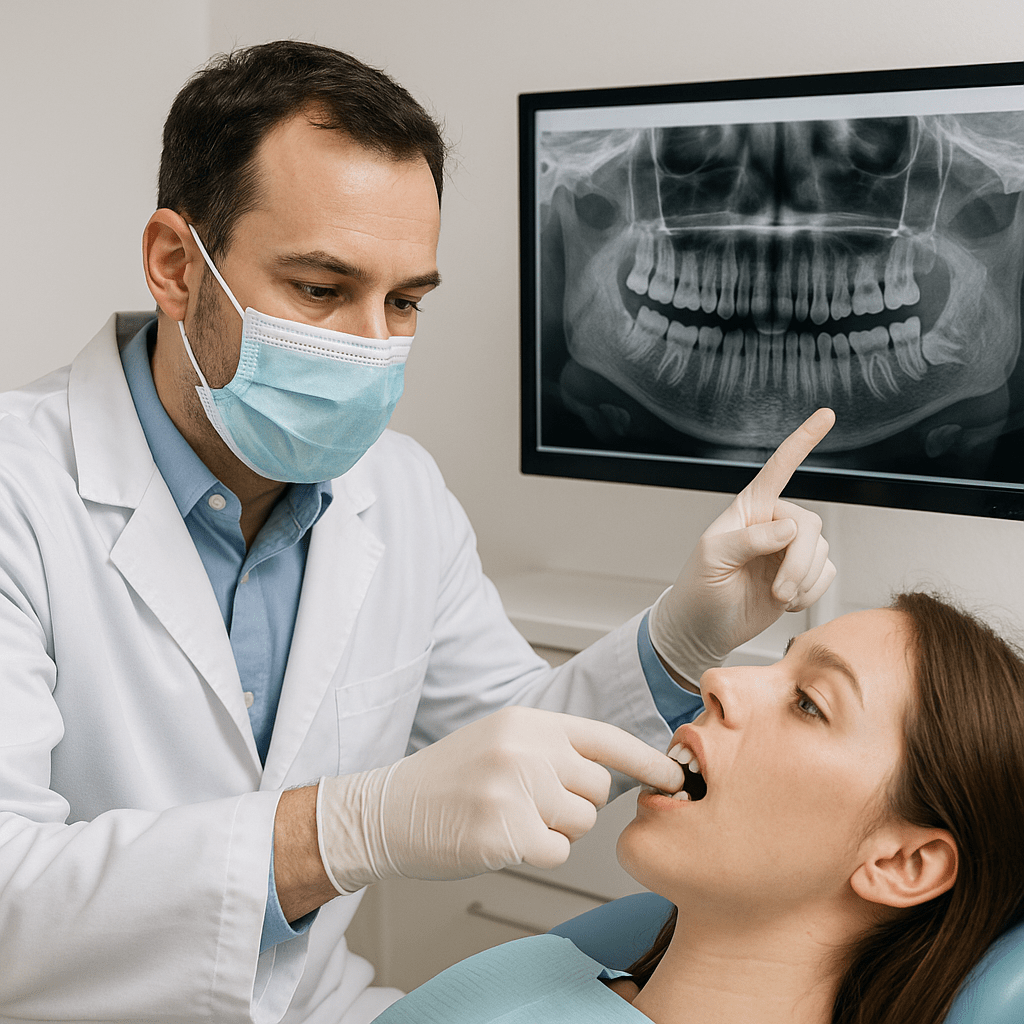
A dentist will usually:
- Examine your bite
- Look for enamel wear or jaw muscle tenderness
- Take a panoramic X-ray to evaluate wisdom teeth
Next Steps for Treatment
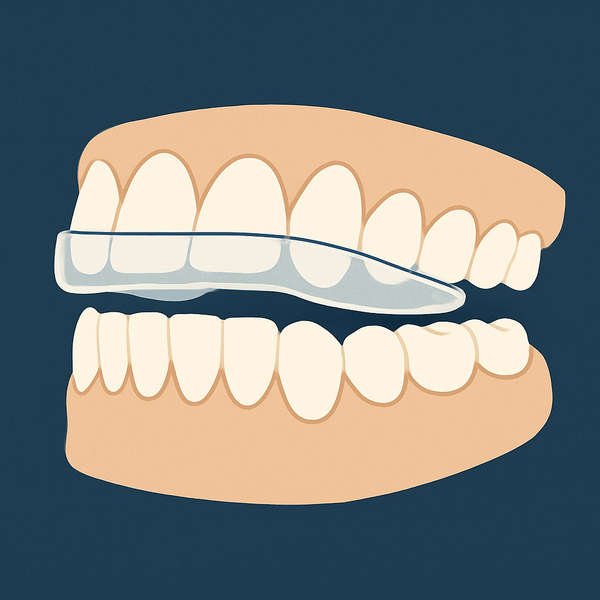
- For bruxism: Try a custom night guard, stress management techniques, or physical therapy.
- For wisdom teeth: Extraction may be needed if they’re impacted or causing pain.
FAQs
Can I have both issues at once? Yes—and when they overlap, they can amplify your discomfort.
Should I treat grinding even if my wisdom teeth are the main problem? Yes. Protecting your teeth is always worthwhile, especially if you grind at night.