
Noticing teeth grinding after your wisdom teeth surgery? Learn why it happens, how long it lasts, and how to ease it.
Can Surgery Trigger Grinding?
It might seem surprising, but many people experience new or worsened teeth grinding in the days following wisdom tooth extraction. Why?
- Surgical stress: Even minor surgery can increase cortisol levels and lead to stress-related behaviors.

- Sleep disruption: Pain, medications, and changes in routine can all interfere with restful sleep.
- Temporary bite changes: Post-op swelling or altered jaw motion may lead to compensatory clenching.
Is It Really Bruxism or Just Healing Pain?
Here’s how to tell:
- Grinding pain is usually dull, symmetric, and worst in the morning.
- Surgical pain is sharper, localized, and triggered by touching or chewing.
Tips to Ease Grinding During Recovery
- Jaw warm-ups: Gentle stretching before bed can relax the muscles.
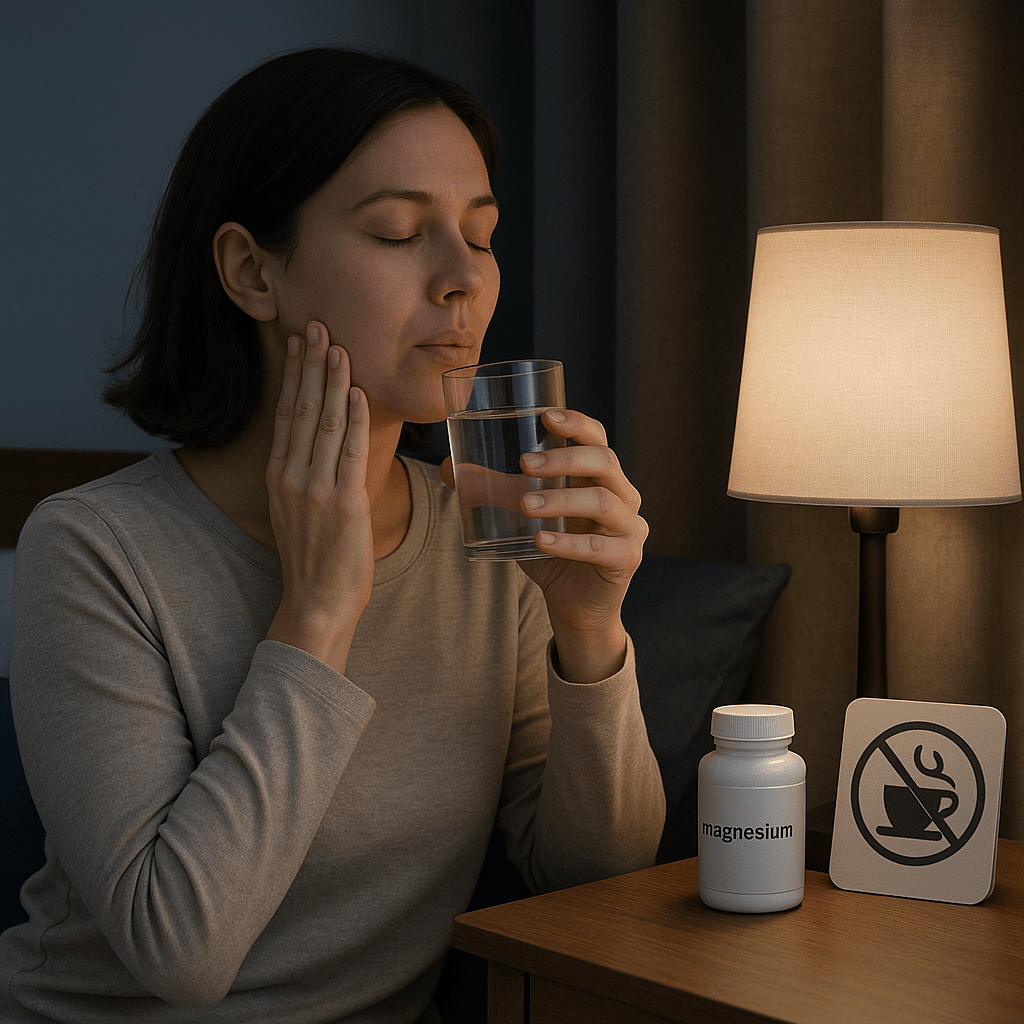
- Hydration & diet: Avoid caffeine and hard foods that stress the jaw.
- Relaxation rituals: Try breathwork, meditation, or magnesium supplements to reduce stress before bed.
When to Resume Using Your Night Guard
After 7–10 days, most patients can resume use if:
- Their mouth feels normal (no swelling or soreness)
- They aren’t experiencing pressure on the surgical site
- Their bite hasn’t changed significantly
What If It Doesn’t Go Away?
If you’re still grinding weeks later:
- Talk to your dentist about re-fitting your guard
- Consider seeing a TMJ specialist
- Rule out sleep apnea, which can also trigger bruxism (Sleep Foundation)
FAQs
Can wisdom tooth surgery make bruxism worse? In the short term, yes—but it’s usually temporary.
Is a night guard safe to use during healing? With your dentist’s approval, yes—but don’t rush it.
 Grind My Teeth
Leave a comment