

Bruxism, or teeth grinding/clenching, is a common dental condition that affects many individuals. It can lead to many dental problems, including worn-down teeth, jaw pain, and headaches.
Night guards are often recommended as an effective solution for managing bruxism. That being said, if you’re scheduled for wisdom teeth removal, you must be asking, “Can I wear my night guard after wisdom teeth removal?”
In this article, we explore if it’s safe to wear night guards after wisdom teeth extraction and shed light on post-wisdom teeth removal considerations.
Understanding Wisdom Teeth Removal
Wisdom teeth, also known as third molars, often emerge in the late teens or early twenties. Due to limited space in the mouth, these molars can cause issues such as impaction, overcrowding, and misalignment.
Wisdom teeth removal is a common dental procedure that involves extracting these molars. The surgery may be performed under local anesthesia, sedation, or general anesthesia, depending on the complexity of the case.
Following wisdom teeth removal, the patient may experience swelling, discomfort, and restricted jaw movement. The recovery period usually lasts for several days to a couple of weeks.
During the recovery, it’s essential to take extra care of your oral health and make any necessary adjustments to your daily routine.
Wisdom Teeth Removal and Night Guards
Night guards, also referred to as occlusal splints, are custom-fitted dental appliances that are worn during sleep to protect the teeth from the damaging effects of bruxism.
Bruxism is characterized by the involuntary clenching, grinding, or gnashing of teeth, often during sleep. It can be caused by various factors, including stress, misaligned teeth, or an abnormal bite.
Night guards work by introducing a protective barrier between the upper and lower teeth. This barrier absorbs the forces generated during teeth grinding.
Night guards help alleviate symptoms associated with bruxism, including tooth wear, jaw pain, and headaches. They also assist in reducing muscle tension and promoting a more relaxed jaw position.
Can you wear a night guard after a wisdom teeth removal, though?
It’s generally recommended to avoid wearing a night guard immediately after a wisdom teeth removal. The timing depends on your specific case and the advice of your dentist.
Post-Wisdom Teeth Removal Considerations
When it comes to wearing night guards after a wisdom teeth removal, there are a few crucial factors to consider, namely:
Timing
The timing of wearing your night guard after wisdom teeth removal depends on the extent of the surgery and the recommendation of your dentist.
Wisdom teeth extraction is a surgical procedure that involves the removal of teeth, resulting in swelling, discomfort, and restricted jaw movement during the initial healing period.
Wearing a night guard too soon after the procedure may exacerbate the symptoms and interfere with the natural healing process. It’s crucial to allow your mouth time to heal without additional pressure or discomfort from the night guard.
Impact on Bruxism Management

Wisdom teeth removal does not eliminate bruxism. While the removal of a wisdom tooth may alleviate some discomfort or misalignment-related issues, bruxism can persist.
It’s important to manage bruxism effectively even after wisdom teeth extraction to prevent any potential dental problems from worsening.
Dentist’s Recommendations
Your dentist is the best person to advise you on when to start wearing your night guard again after wisdom teeth removal.
They will assess your individual case, taking into consideration factors such as the complexity of the extraction, any complications encountered, and the progress of your recovery.
Following their recommendations will ensure that you don’t jeopardize your healing process or compromise your oral health.
Choosing the Right Post-Extraction Night Guard
When it comes to selecting a night guard after a wisdom teeth removal, be sure to take the following factors into consideration:
- Consult With Your Dentist: Start by consulting with your dentist who performed the wisdom tooth extraction. They are familiar with your specific case and can provide valuable insights and recommendations tailored to your needs.
- Type of Night Guard: There are different types of night guards available, including stock, boil-and-bite, and custom-fitted night guards. Custom-fitted night guards, typically made by a dental professional, offer the best fit, comfort, and effectiveness. They are custom-designed to match your teeth and bite, providing superior protection and minimizing discomfort.
- Level of Protection: Consider the level of protection you require based on the severity of your bruxism and the recommendations of your dentist. Some night guards offer different levels of thickness and durability, providing varying degrees of protection against teeth grinding and clenching.
- Material: Night guards can be made from various materials, including soft or hard acrylic, flexible plastic, or a combination. Discuss with your dentist the pros and cons of different materials and choose one that balances comfort, durability, and protection.
- Fit and Comfort: The night guard should fit comfortably in your mouth without causing additional discomfort or irritation, especially during the healing process after wisdom tooth extraction. Custom-fitted night guards are designed to provide a precise fit, ensuring maximum comfort while effectively protecting your teeth.
- Maintenance and Longevity: Consider the ease of cleaning and maintaining the night guard. Some night guards require special cleaning solutions or regular adjustments, while others can be easily cleaned with regular toothpaste and a toothbrush. Make sure you maintain it so it doesn’t start to smell! Additionally, inquire about the expected lifespan of the night guard and whether it can be adjusted or replaced if needed.
Tips for Wearing Night Guards Post-Extraction
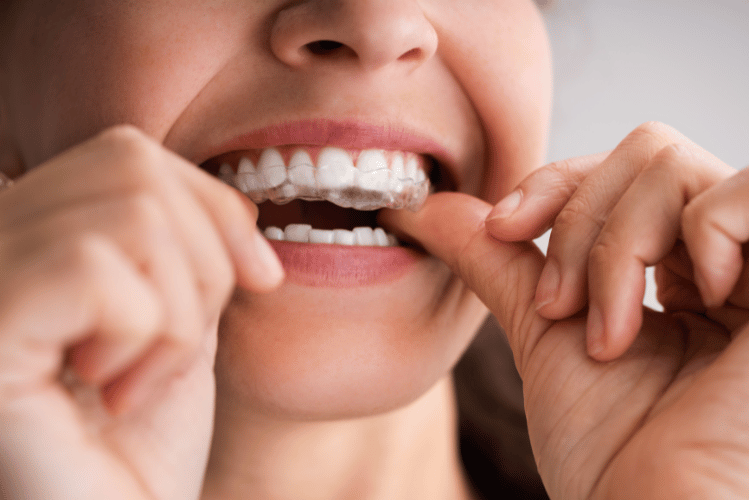
Once your dentist approves the use of your night guard after wisdom teeth removal, we strongly recommend following these tips:
- Cleanliness: Keep your night guard clean by rinsing it with warm water before and after each use. Avoid using hot water or harsh cleaning agents that may damage the guard.
- Oral Hygiene: Maintain a good oral hygiene routine, including brushing your teeth and flossing, before wearing your night guard. Clean your night guard separately to prevent the accumulation of bacteria.
- Comfort: If you experience any discomfort or pressure on your extraction sites while wearing the night guard, consult your dentist immediately. They may suggest modifications or adjustments to ensure a comfortable fit.
- Regular Check-Ups: Schedule regular follow-up visits with your dentist to monitor your oral health, the healing of the extraction sites, and the effectiveness of your night guard in managing bruxism.
Alternatives to Night Guards
While night guards are a recommended solution for managing bruxism, there are alternative methods that can complement or replace their use, including:
- Lifestyle Changes: Managing stress, practicing relaxation techniques, and establishing a consistent sleep routine can help reduce the frequency and intensity of teeth grinding.
- Physical Therapy: In some cases, bruxism can be a result of muscle tension or jaw misalignment. Physical therapy exercises, jaw stretches, and massages can help alleviate these issues.
- Medications: In severe cases of bruxism, medications such as muscle relaxants or antidepressants may be prescribed. However, the long-term use of these medications should be carefully monitored by a healthcare professional.
- Dental Procedures: If bruxism is severe and causing significant dental problems, your dentist may recommend dental procedures such as orthodontics, bite adjustments, or dental restorations to address the underlying issues.
Wrapping Up
In conclusion, managing bruxism after wisdom teeth removal is crucial for maintaining optimal oral health and preventing dental problems.
While wearing a night guard is an effective solution for bruxism management, the timing of using a night guard post-extraction requires careful consideration. This is why it’s advisable to consult with your dentist to determine when it is safe to resume wearing your night guard.
Bear in mind that wisdom teeth removal doesn’t eliminate bruxism, and managing this condition remains important for long-term oral health. Incorporating lifestyle changes, practicing relaxation techniques, and seeking alternative methods can complement the use of a night guard.
Further, choosing the right night guard, maintaining proper oral hygiene, and attending regular dental check-ups are essential for maximizing the effectiveness of your treatment and ensuring a comfortable fit.
Remember, your dentist is your best resource for personalized advice and guidance. By working closely with them, you can develop a comprehensive plan to manage bruxism effectively while avoiding the main side-effects of wearing a night guard.
Frequently Asked Questions:
1. Is it painful to wear a night guard after wisdom teeth extraction?
Wearing a night guard too soon can cause pain or pressure on the healing gums. If your guard feels uncomfortable or presses against the extraction sites, stop using it and ask your dentist when it’s safe to try again.
6. Can I get a new night guard made after wisdom teeth removal?
Yes. Once your mouth fully heals and your bite has stabilized, your dentist may recommend a new custom night guard. This ensures the device fits properly and provides the best protection against teeth grinding.
7. What can I do to protect my teeth from grinding while I heal from wisdom teeth removal?
If you can’t wear your night guard during recovery, try stress-reduction techniques, jaw relaxation exercises, or warm compresses to ease tension. Your dentist may also suggest temporary alternatives until you’re ready to wear your guard again.
Medical Disclaimer: The information provided in this blog post, including all text, graphics, and other material, is for informational purposes only and is not intended to serve as a substitute for the consultation, diagnosis, and/or medical treatment of a qualified physician or healthcare provider. The content is not meant to be exhaustive or to apply to every individual’s specific situation.
 Grind My Teeth
Leave a comment