Alcohol and Teeth Grinding
Drinking alcohol is thought to indirectly contribute to your bruxism by reducing your sleep quality.
Teeth grinding effects many of us, and in some studies we've seen there's a link between consuming alcohol and how much you grind your teeth. While it may not be a direct factor, it is thought to indirectly contribute to your bruxism by reducing your sleep quality. We get into the detail below and explore the relationship, and ways that you can reduce the impact of the alcohol.
Understanding Teeth Grinding (Bruxism)
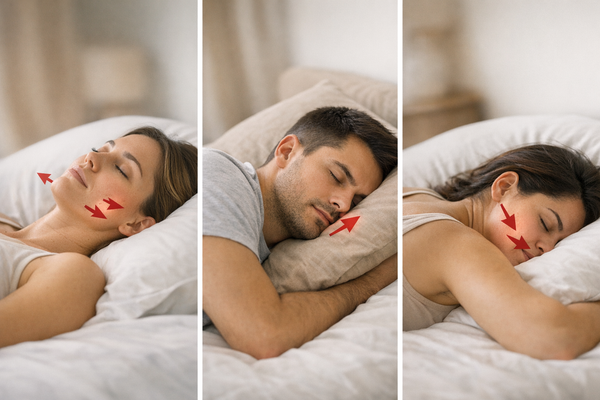
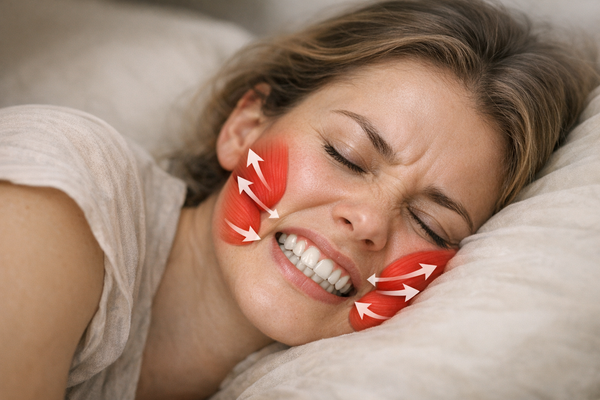
Bruxism, more commonly known as teeth grinding, is a condition distinguished by the involuntary grinding or clenching of teeth. It often occurs subconsciously during sleep, although it can also manifest during waking hours, particularly in periods of intense stress or concentration.
The causes of bruxism can be multifaceted, ranging from stress and anxiety to more physiological factors such as an abnormal bite, or even sleep disorders. Individuals suffering from bruxism often experience a myriad of symptoms. These may include jaw pain, headaches, worn-down teeth, and in some instances, disrupted sleep. Moreover, the constant grinding can lead to more severe dental issues, such as loss of tooth enamel, increased tooth sensitivity, and even chipped or broken teeth.
It's a widespread issue; the American Dental Association estimates that around 10-15% of adults experience bruxism. However, many aren't even aware they have this condition until significant dental damage occurs. By that point, the effects of teeth grinding are already quite profound, underlining the importance of early detection and intervention.
The Impact of Alcohol on Teeth Grinding
Alcohol is a central nervous system depressant and can influence a myriad of bodily functions. Its effects on our body are varied and extensive, and one area it significantly affects is our sleep patterns. While alcohol might initially appear to promote sleep due to its sedative effect, it paradoxically leads to less restful and restorative sleep. This disruption in sleep quality can inadvertently exacerbate conditions like bruxism.
Several scientific studies have probed into the link between alcohol consumption and teeth grinding, with results indicating a probable correlation. Given how many variables are thought to effect teeth grinding, it's hard to isolate just alcohol and do a study on that and draw strong conclusions. Generally though, it's accepted that alcohol disrupts sleep, and given this and the effect that lack of sleep can have on stress in your life and your overall wellbeing, it's easy to see how alcohol could have a potentially devastating impact on your teeth grinding. This is not a direct impact, at least there currently isn't great evidence pointing to a direct relationship.

One interesting thing we found in our research of academic literature was that although there is a teeth erosion in alcoholics, it is thought to be from chemical damage (erosion) rather than from grinding or attrition. It may be that alcoholics having damaged teeth was part of why folks have always associated bruxism with alcohol.
Coping Strategies and Remedies
Even though the connection between alcohol and teeth grinding seems daunting, it's important to know that bruxism is a manageable condition. Effective coping strategies exist, and in the case of bruxism being exacerbated by alcohol, the most obvious first step is to reduce alcohol consumption. This could lead to higher quality sleep, better overall health, lower stress, and ultimately less bruxism.
Additionally, stress management techniques can play a crucial role in managing bruxism. Practices such as yoga, meditation, and regular exercise can alleviate stress, one of the root causes of teeth grinding, thereby reducing its occurrence. Healthy sleep habits, including maintaining consistent sleep schedules and creating a conducive sleep environment, can also positively impact bruxism.
One other factor that is specific to alcohol consumption is dehydration. Alcohol is a diuretic and leads to your body becoming dehydration, and this has been implicated as a contributor to teeth grinding as well. Hydrating after consuming alcohol is important, and using electrolytes alongside your water is a sure bet.
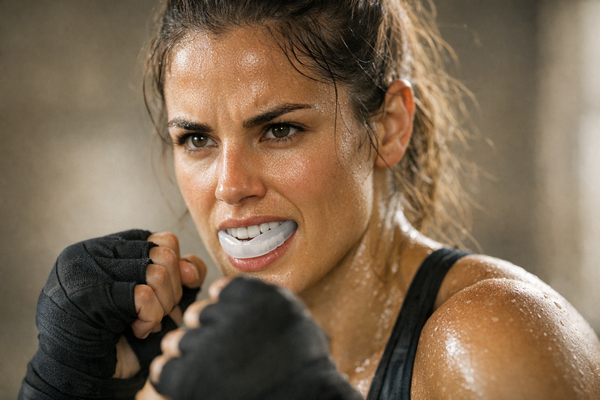
For those with severe bruxism, dental interventions could be necessary. The use of dental night guards or other procedures like masseter botox can help manage the condition and prevent further dental damage. It's always advisable to consult with a dental professional if you suspect you're suffering from bruxism. Together, you can explore potential bruxism remedies and decide on a treatment plan that suits your specific needs.
Alcohol reduction strategies, stress relief practices, maintaining healthy sleep patterns, and seeking professional help can all play a vital role in managing bruxism. Implementing these changes can lead to a significant improvement in one's quality of life and oral health.
Frequently Asked Questions (FAQs) about Alcohol and Teeth Grinding
- Can alcohol cause teeth grinding? While alcohol itself may not directly cause teeth grinding, it can contributes to conditions that make bruxism more likely. These include disrupting sleep patterns and encouraging muscular relaxation.
- What can I do to stop grinding my teeth after drinking? Reducing alcohol consumption, especially close to bedtime, can be beneficial. Good sleep hygiene practices and incorporating relaxation techniques can also help mitigate teeth grinding after drinking.
- Are there specific treatments for alcohol-induced teeth grinding? While there aren't treatments specifically for alcohol-induced bruxism, common bruxism treatments like stress management, lifestyle changes, and dental interventions can be beneficial.
Conclusion: alcohol can be a contributing factor to bruxism
Increasingly the world is waking up to the damage alcohol can wreak on our health, both mental and physical. Given the impact of alcohol on all of these factors that we know contribute to teeth grinding, it's a safe bet that further consumption of it is not helping your bruxism. If you can't reduce or completely remove alcohol from your life, definitely look at some other areas of stress reduction in your life. Reducing other stimulant usage could be one step, as could be staying well hydrated before bed. Lastly, a dental night guard can be a cheap way to ensure you don't damage your teeth in the long run.
References
- Association between sleep bruxism and alcohol, caffeine, tobacco, and drug abuse: A systematic review, 2016
- The Effects of Alcohol on Quality of Sleep, 2015
- Dental erosion in patients with chronic alcoholism, 1989