
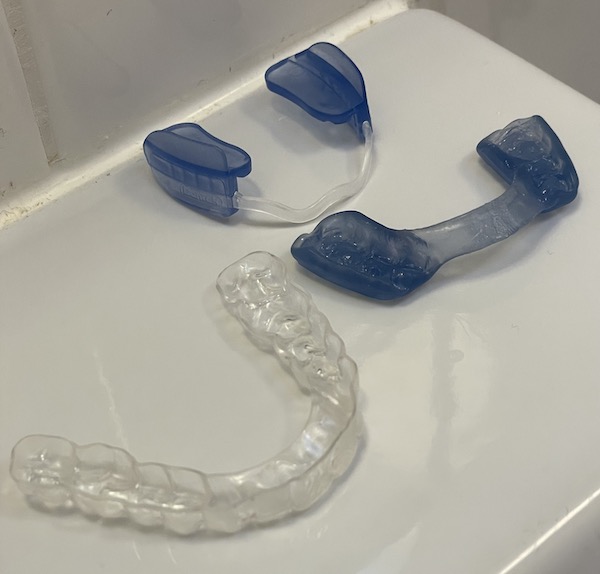
Dental night guards serve an essential purpose for individuals who suffer from teeth grinding, also known as bruxism, or temporomandibular joint (TMJ) disorders. By providing a barrier between the upper and lower teeth, night guards can help prevent tooth wear, reduce pain, and alleviate other related symptoms. Here, we will explore the factors that influence the lifespan of a night guard and provide tips on how to extend its durability.
Factors Influencing the Lifespan of a Night Guard
Material
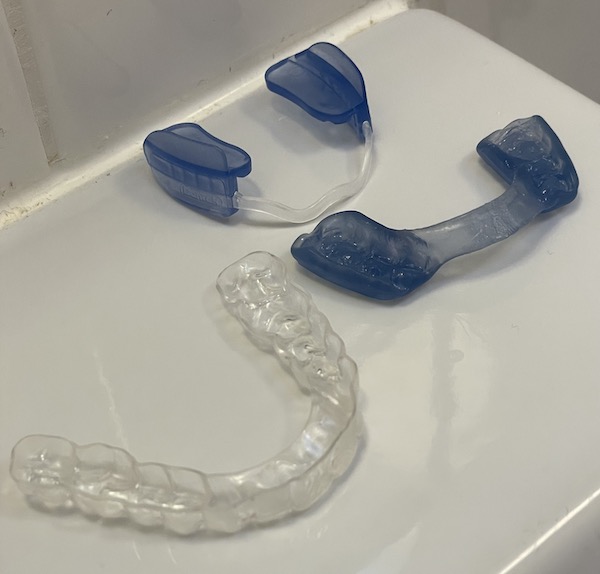
The material used to construct a night guard plays a significant role in its durability. There are three main types of night guards, which vary in terms of material and strength:
- Hard acrylic night guards: These night guards are made from a rigid acrylic material and are generally the most durable option.
- Soft night guards: Constructed from a softer material, these night guards tend to be more comfortable but less durable than their hard acrylic counterparts.
- Dual laminate night guards: These night guards feature a combination of hard and soft materials, offering a balance between comfort and durability.
Frequency and Intensity of Teeth Grinding
The lifespan of a night guard can also be influenced by how often and how intensely you grind your teeth. Individuals with more severe bruxism or those who grind their teeth more frequently may find that their night guards wear out more quickly than those with milder symptoms.
Proper Care and Maintenance
Taking care of your night guard by cleaning and storing it properly can significantly impact its lifespan. By maintaining good hygiene practices and following your dentist’s recommendations for cleaning and disinfecting it, you can help prevent the buildup of bacteria and prolong the life of your night guard.
Quality of the Night Guard (Custom-made vs. Over-the-counter)
Custom-made night guards, which are created by your dentist to fit your specific dental structure, tend to last longer than over-the-counter options. This is because custom night guards are made from high-quality materials and are designed to provide an optimal fit, reducing the risk of damage due to improper fit or uneven pressure.
Average Lifespan of Different Types of Night Guards
Hard Acrylic Night Guards
Hard acrylic night guards are typically the longest-lasting option, with an average lifespan of 2 to 5 years. Their durability can be attributed to the rigid acrylic material, which is more resistant to wear and tear compared to softer materials.
Soft Night Guards
Soft night guards, on the other hand, tend to have a shorter lifespan, usually lasting between 6 months to 2 years. While these night guards may be more comfortable for some individuals, the softer material is more susceptible to wear and tear, especially for those with moderate to severe teeth grinding.
Dual Laminate Night Guards
Dual laminate night guards, which combine the durability of hard acrylic with the comfort of a soft material, generally have an average lifespan of 1 to 3 years. This option provides a balance between comfort and durability for individuals with varying degrees of teeth grinding severity.
Signs That It’s Time to Replace Your Night Guard
Changes in Fit or Comfort
If you notice that your night guard no longer fits as comfortably as it once did, or if it begins to cause pain or discomfort, it may be time to replace it. Changes in fit can indicate that the night guard has worn down or that your dental structure has changed.
Visible Wear or Damage
Inspect your night guard regularly for signs of wear, such as thinning or cracking. If you notice visible damage, it’s essential to replace the night guard to ensure it continues to provide adequate protection for your teeth.
Persistent Odors or Discoloration
If your night guard develops persistent odors or discoloration despite regular cleaning, it could be a sign that it’s time for a replacement. Odors and discoloration can be indicative of bacterial buildup, which can not only reduce the effectiveness of the night guard but also pose a risk to your oral health.

Recurring Symptoms of Teeth Grinding or TMJ Issues
If you begin to experience symptoms associated with teeth grinding or TMJ disorders despite using your night guard consistently, it may be a sign that your night guard is no longer providing adequate protection. In such cases, consult your dentist to determine if a replacement or alternative treatment is necessary.
Tips to Extend the Lifespan of Your Night Guard
Proper Cleaning and Storage
To prolong the life of your night guard, clean it regularly following your dentist’s recommendations, or read our article on how to clean your night guard here. Store it in a clean, dry case when not in use, and keep it away from direct sunlight, heat, and moisture to prevent warping or damage.
Handling the Night Guard with Care
Handle your night guard gently to avoid causing damage. When inserting or removing the appliance, use both hands to evenly distribute pressure and avoid bending or twisting it.
Regular Dental Check-ups
Maintaining regular dental appointments will allow your dentist to monitor the effectiveness and condition of your night guard. They can provide guidance on when it’s time for a replacement and ensure that your night guard continues to provide the protection you need.
Using a Night Guard Case
Invest in a protective case designed specifically for night guards. This will not only help maintain the cleanliness of your night guard but also protect it from damage during storage or travel.
In Summary
The lifespan of a night guard can vary depending on factors such as the type of material, the severity of teeth grinding, and the quality of the night guard itself. By being mindful of these factors and taking steps to properly care for and maintain your night guard, you can help extend its lifespan and ensure that it continues to provide the protection and relief you need. Remember to consult with your dental professional for personalized advice and care, and to monitor the condition of your night guard regularly to determine when it’s time for a replacement.
Medical Disclaimer: The information provided in this blog post, including all text, graphics, and other material, is for informational purposes only and is not intended to serve as a substitute for the consultation, diagnosis, and/or medical treatment of a qualified physician or healthcare provider. The content is not meant to be exhaustive or to apply to every individual’s specific situation.
 Grind My Teeth
Leave a comment