
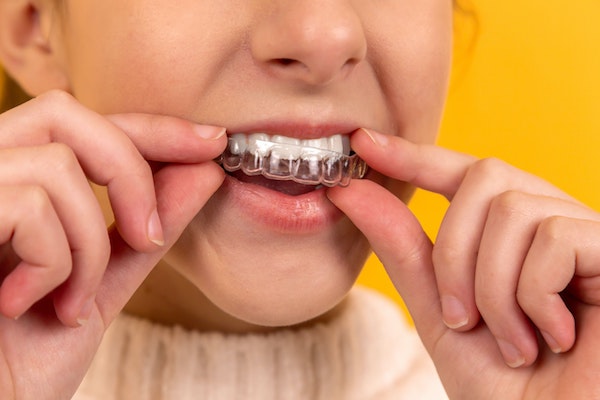
Imagine this: you’ve had a long day, you’re exhausted, and you’re ready to call it a night. You reach for your trusty night guard, only to be greeted by an unpleasant odor. If you’re one of the many teeth grinders who use a night guard, this scenario might sound all too familiar. But why is your night guard smelly? Is it something you’re doing (or not doing), or is it just a natural consequence of wearing a foreign object in your mouth? Let’s explore the possible causes behind this mysterious and unwelcome stench, and offer some tips on how to keep your night guard smelling fresh.
Possible Causes
Before we delve into the details, let’s quickly go over the main reasons why your night guard might smell:
- Bacteria buildup
- Fungal growth
- Inadequate cleaning
- Material breakdown
Bacteria Buildup
One of the primary reasons your night guard might smell is the buildup of bacteria. Your mouth is home to hundreds of different types of bacteria, many of which are harmless or even beneficial. However, when you wear a night guard, you create a warm, moist environment that can encourage the growth of less friendly bacteria. Over time, these bacteria can cause odors, discoloration, and even lead to infections.
To reduce the growth of bacteria on your night guard, it’s important to keep it clean and store it properly. A dry, ventilated storage case can help prevent the growth of bacteria when you’re not wearing the guard. Additionally, regular cleaning and disinfection can help keep bacteria at bay. We’ll discuss proper cleaning techniques in a later section.
Fungal Growth
Just like bacteria, fungi can also thrive in the warm, moist environment created by your night guard. The most common type of fungus found in the mouth is Candida, which can cause oral thrush, a fungal infection characterized by white patches on the tongue and inner cheeks. Candida can also grow on your night guard, leading to unpleasant odors.
To minimize the risk of fungal growth on your night guard, follow the same cleaning and storage tips mentioned for bacteria control. If you suspect you have a fungal infection, consult your dentist for treatment options and recommendations on how to keep your night guard fungus-free.
Inadequate Cleaning
Even with the best intentions, sometimes we just don’t clean our night guards as well as we should. Failing to clean your night guard properly can lead to a buildup of bacteria, fungi, and other debris, which can cause unpleasant odors. Additionally, using the wrong cleaning products or techniques can damage your night guard, making it even more susceptible to odor-causing microbes.

Proper Cleaning Technique
To keep your night guard fresh and clean, it’s important to follow a consistent cleaning routine. Here’s a step-by-step guide to help you maintain a clean and odor-free night guard:
- Rinse your night guard with warm water immediately after removing it from your mouth. This helps to remove any saliva, food particles, and debris that may have accumulated during the night.
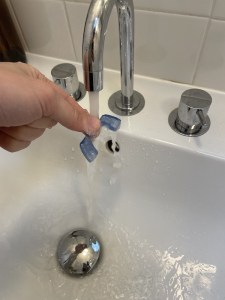
- Use a soft toothbrush and a non-abrasive toothpaste or a specialized night guard cleaner to gently brush the entire surface of the night guard.
- Rinse the night guard thoroughly with warm water to remove any remaining toothpaste or cleaner.
- Once a week, soak your night guard in a denture cleaning solution or a mixture of equal parts water and white vinegar for 15-30 minutes. This will help to disinfect the guard and remove any stubborn odors.
Material Breakdown
Another factor that might contribute to your night guard’s unpleasant smell is the breakdown of the materials used in its construction. Night guards are typically made from a variety of plastics, such as acrylic or thermoplastic materials. Over time, these materials can break down, which can lead to the release of volatile organic compounds (VOCs) and other odor-causing substances.
- Wear and Tear: Just like any other item that you use on a daily basis, your night guard is subject to wear and tear. As you clench and grind your teeth, the pressure exerted on the guard can cause it to weaken, crack, or become misshapen. This wear and tear can lead to an increased likelihood of material breakdown and the subsequent release of unpleasant odors. Regularly inspecting your night guard for signs of damage and replacing it as needed can help to reduce the impact of material breakdown on its smell.
- Heat Exposure: Exposure to high temperatures can also cause the materials in your night guard to break down more rapidly. For example, leaving your night guard in a hot car or using water that is too hot during the cleaning process can accelerate the degradation of the plastic. To prevent heat-induced material breakdown, avoid exposing your night guard to extreme temperatures and always use warm, not hot, water when cleaning it.
- Chemical Reactions: Certain chemicals, such as alcohol or bleach, can react with the materials in your night guard, causing them to degrade and release odors. To avoid this issue, always use gentle, non-abrasive cleaning products that are specifically designed for use with dental appliances or follow your dentist’s recommendations for cleaning solutions. Speaking from experience on this one, I once used rubbing alcohol to soak one of my cheap over the counter night guards, and that night I got some sort of chemical burn in my mouth!
- Material Quality: Lastly, the quality of the materials used to manufacture your night guard can play a role in its propensity to break down and smell. Cheaper, lower-quality materials may degrade more quickly than their higher-quality counterparts. Investing in a high-quality night guard made from durable materials can help to minimize the risk of material breakdown and the associated odors.
Conclusion
Understanding the possible causes behind your night guard’s smell can help you take the necessary steps to keep it clean and odor-free. By maintaining a consistent cleaning routine, storing your night guard properly, and buying higher quality mouth guards made from good materials, you can ensure that your night guard remains an effective and pleasant-smelling tool in your anti teeth grinding arsenal.
Frequently Asked Questions:
1. Why does my night guard smell bad?
A smelly night guard is usually caused by bacteria or fungal buildup, inadequate cleaning, or breakdown of the plastic material over time. Warm, moist conditions in your mouth make odors more likely if the guard isn’t cleaned and dried properly.
2. How do I clean a night guard that smells?
Rinse your night guard after each use, brush it gently with a soft toothbrush and non-abrasive toothpaste or cleaner, and let it dry completely before storing. For deeper cleaning, soak it weekly in denture solution or a water-vinegar mix.
3. Can a smelly night guard cause health problems?
Yes. An unclean night guard can harbor bacteria and fungi, which may lead to bad breath, gum irritation, or even oral infections. Regular cleaning and proper storage greatly reduce these risks.
4. When should I replace a night guard that smells?
If odors persist despite cleaning, or if your guard shows cracks, discoloration, or material breakdown, it’s time to replace it. A worn or degraded night guard not only smells worse but also offers less protection against teeth grinding.
 Grind My Teeth
Leave a comment