
Stimulants are a class of drugs that are commonly used to increase alertness and energy levels. They work by stimulating the central nervous system, which can cause a number of physical and psychological effects. One of the most common side effects of stimulant use is jaw clenching or teeth grinding, also known as bruxism. In this blog post, we will explore why stimulants make you clench your jaw and what you can do to prevent or manage this side effect. If you’re interested in reading about other causes of bruxism, you can read more here.

What are stimulants?
Stimulants are a class of drugs that increase activity in the brain and body. They are commonly used to treat attention deficit hyperactivity disorder (ADHD), narcolepsy, and obesity. They can also be used recreationally, as they produce feelings of euphoria and increased energy. Common stimulants include amphetamines, cocaine, caffeine, and nicotine.

How do stimulants work?
Stimulants work by increasing the levels of certain neurotransmitters in the brain. Neurotransmitters are chemical messengers that transmit signals between neurons. The most commonly affected neurotransmitters in stimulant use are dopamine, norepinephrine, and serotonin.

Dopamine is a neurotransmitter that is associated with pleasure, motivation, and reward. When you do something pleasurable, such as eating a delicious meal or engaging in sexual activity, your brain releases dopamine. Stimulants increase the levels of dopamine in the brain, which can lead to feelings of euphoria and increased motivation.
Norepinephrine is a neurotransmitter that is associated with the “fight or flight” response. It increases heart rate, blood pressure, and respiratory rate. Stimulants increase the levels of norepinephrine in the brain, which can lead to increased alertness and energy levels.
Serotonin is a neurotransmitter that is associated with mood regulation, appetite, and sleep. Stimulants increase the levels of serotonin in the brain, which can lead to feelings of well-being and decreased appetite.
Why do stimulants make you clench your jaw?
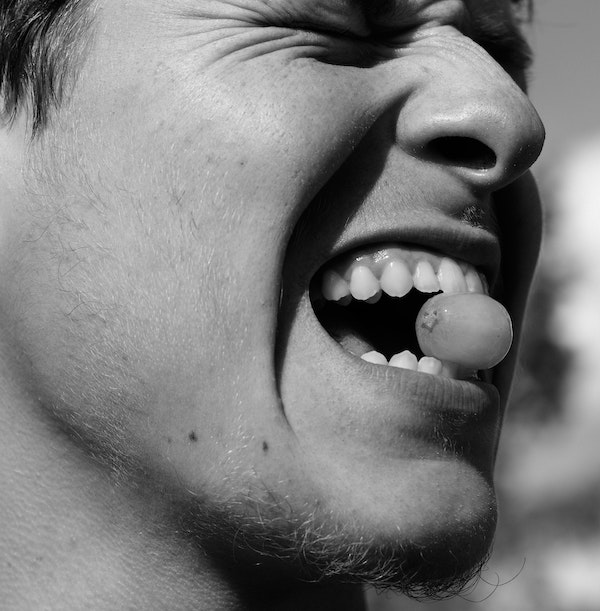
The exact mechanism behind why stimulants make you clench your jaw is not fully understood. However, there are several theories as to why this side effect occurs.
One theory is that jaw clenching is a result of increased muscle tension caused by the increased levels of norepinephrine in the brain. Norepinephrine is known to increase muscle tension, particularly in the jaw and neck muscles. This increased muscle tension can lead to jaw clenching or teeth grinding.
Another theory is that jaw clenching is a result of the increased dopamine levels in the brain. Dopamine is known to increase muscle tone and activity, particularly in the facial muscles. This increased muscle activity can lead to jaw clenching or teeth grinding.
It is also possible that jaw clenching is a result of the overall increase in physical activity that comes with stimulant use. Stimulants increase heart rate, blood pressure, and respiratory rate, which can lead to increased muscle tension and activity throughout the body, including in the jaw muscles.
Managing Jaw Clenching From Stimulant Use
While jaw clenching is a common side effect of stimulant use, there are several methods you can use to prevent or manage this discomfort. Here are some ways to manage jaw clenching from stimulant use:
- Take Breaks from Stimulant Use: One of the most effective ways to manage jaw clenching from stimulant use is to take breaks from using the drug. This can help reduce the amount of muscle tension in the jaw and allow it to relax. If you are taking stimulants for medical purposes, talk to your doctor about ways to gradually reduce your dosage or take a break from the medication altogether. If you are using stimulants recreationally, consider taking longer breaks between uses or using lower doses.
- Reduce Dosage: Another way to manage jaw clenching from stimulant use is to reduce your dosage. This can help reduce the overall muscle tension in the body, including the jaw muscles. Talk to your doctor about adjusting your medication dosage or reducing your recreational dose to see if this helps reduce your jaw clenching.
- Use a Mouthguard: A mouthguard is a dental appliance that can be worn over the teeth to prevent them from grinding or clenching. While typically used for individuals who grind their teeth at night, mouthguards can also be used during the day to manage jaw clenching from stimulant use. Mouthguards are available over-the-counter or can be custom-made by a dentist. They can help reduce jaw clenching-related pain and prevent dental problems caused by prolonged clenching.
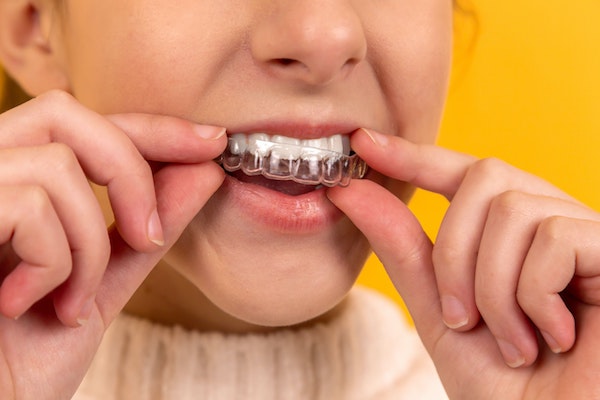
While these methods can be effective in managing jaw clenching from stimulant use, it’s important to understand the potential risks and benefits of each method. Taking breaks from stimulant use can help reduce muscle tension, but it can also lead to a return of symptoms or other side effects. Reducing your dosage can also help manage jaw clenching, but it may also lead to a reduction in the overall effects of the medication. Using a mouthguard can be an effective way to prevent dental problems and manage pain, but it may not address the root cause of the jaw clenching.
In addition to these methods, there are several other tips and recommendations for individuals looking to manage jaw clenching from stimulant use:
- Stay Hydrated: Dehydration can increase muscle tension and make jaw clenching worse. Make sure to drink plenty of water throughout the day to keep your body hydrated and your muscles relaxed. Also consider using an electrolyte product to maximize your hydration.
- Use Warm Compresses: Applying a warm compress to the jaw muscles can help relax them and reduce pain caused by jaw clenching. You can use a warm towel, heating pad, or microwavable rice pack for this purpose.
- Practice Stress-Reduction Techniques: Stress and anxiety can contribute to jaw clenching, so practicing stress-reduction techniques like deep breathing, meditation, or yoga can help reduce tension in the body and promote relaxation.
Other Potential Side Effects of Stimulant Use
In addition to jaw clenching, there are several other potential side effects of stimulant use. These side effects can include headaches, anxiety, and increased heart rate. It’s important to understand the relationship between these side effects and jaw clenching, as well as how managing one may impact the others.
Headaches are a common side effect of stimulant use, and can be caused by increased blood flow to the brain. Jaw clenching can also contribute to headaches, as it can lead to tension in the muscles of the head and neck. Managing jaw clenching through the methods discussed earlier, such as taking breaks from use and reducing dosage, may help alleviate headaches caused by this side effect.
Anxiety is another potential side effect of stimulant use, and can be caused by the release of certain neurotransmitters in the brain. Jaw clenching can also be a symptom of anxiety, as it can be a physical manifestation of tension in the body. Managing anxiety through techniques like cognitive behavioral therapy and relaxation exercises may help reduce jaw clenching and other physical symptoms caused by anxiety.
Increased heart rate is a potential side effect of stimulant use, and can be caused by the release of certain hormones in the body. Jaw clenching can also be a symptom of increased heart rate, as it can be a physical response to the body’s increased arousal. Managing increased heart rate through methods like taking breaks from use and reducing dosage may help reduce jaw clenching and other physical symptoms caused by this side effect.
While stimulants can be effective in treating certain conditions like ADHD and narcolepsy, they also come with potential risks and side effects. It’s important to understand the potential risks and benefits of using stimulants, as well as the importance of managing side effects. Side effects like jaw clenching, headaches, anxiety, and increased heart rate can be uncomfortable and potentially harmful if left unmanaged. However, with the right approach, individuals can safely use stimulants while minimizing these side effects.
So while jaw clenching is a common side effect of stimulant use, it is not the only potential side effect. Headaches, anxiety, and increased heart rate are also potential side effects of stimulant use, and managing one side effect may impact the others. It’s important to understand the relationship between these side effects and jaw clenching, and to take steps to manage them through techniques like taking breaks from use, reducing dosage, and using relaxation exercises. By understanding the potential risks and benefits of using stimulants, individuals can safely use these medications while minimizing the discomfort caused by side effects.
Conclusion: Stimulants can cause jaw clenching
In conclusion, jaw clenching is a common side effect of stimulant use, particularly of drugs that increase the levels of dopamine and norepinephrine in the brain. The exact mechanism behind this side effect is not fully understood, but it is thought to be related to increased muscle tension caused by the drug’s effect on neurotransmitters, particularly in the jaw and neck muscles. While taking breaks from stimulant use, reducing dosage, and using a mouthguard are some ways to manage jaw clenching, it is important to weigh the potential risks and benefits of each method. Additionally, staying hydrated and using warm compresses can help relax the jaw muscles and reduce pain.
 Grind My Teeth
Leave a comment