
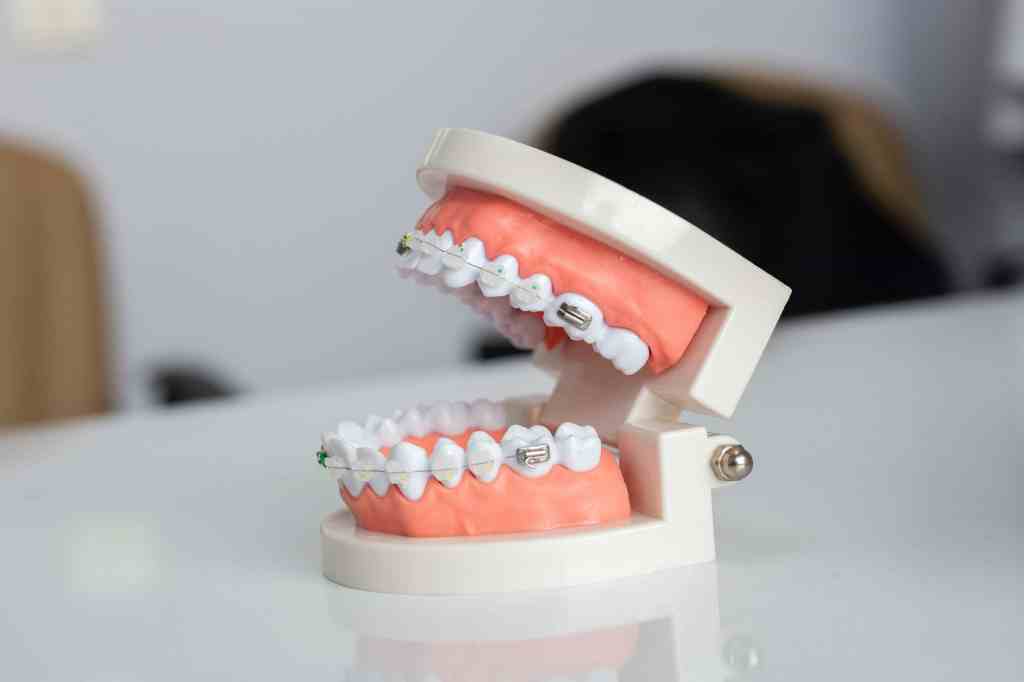
The best way to stop, is to figure out why you started.
Bruxism or teeth grinding is a condition that we are still studying to make sense of. I created this blog to track my research into what it is, why I do it, and how I can eventually fix it. There’s grinding while asleep, and grinding while awake, essentially the same thing but in a different context.
What exactly causes teeth grinding is not certain yet. It seems to be a multivariate problem, meaning many things affect your likelihood to grind your teeth.
Risk factors
There are some risk factors that the science points to as being contributors to your likelihood to grind. If you’re trying to find the root cause of your own grinding, these might be a good place to start.
Stress:

Stress and anxiety are the top suspects when it comes to teeth grinding. They’re also the hardest to quantify, which is why most of you will keep reading even if this resonates.
Vices:

Smoking of any kind, drinking caffeine (tenuous that it’s a vice… but I’m addicted so I’m leaving it on the list), alcohol or recreational drugs can all have an impact on bruxism. My unscientific guess is that they also directly interact with your stress levels (see the first bullet point).
Medications:

Some medications are thought to impact bruxism, especially those that are linked to mental health, so psychiatric medications and antidepressants.
Health conditions:

Some medical conditions have been linked to increased teeth grinding as well, especially mental health conditions.
Sleep Apnea:
This is thought by many to be a common underlying cause of teeth grinding. Many of us are (believe it or not) not the best at breathing during the night. Case in point: snoring! So any breathing problems during sleep could potentially be a risk factor for bruxism.
Mouth/Dental Issues:
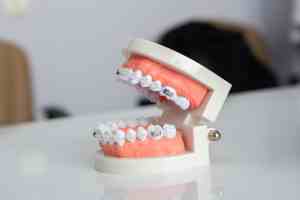
Some folks have a theory that jaw alignment and teeth alignment could play a role in bruxism. For example a tongue tie or partial tongue tie has been suggested to be a potential cause for bruxism because of how it affects the rest of the parts of your mouth, especially the tongue. If this resonates, we recommend consulting a specialist to learn more.
Genetics:

There is thought to be some hereditary quality to bruxism, so if your Mom or Dad grinds… there’s a higher chance that you do as well. At this point, there’s not much you can do about this one. Check back in a couple of decades and maybe we’ll have figured it out.
Conclusion
There are many risk factors for teeth grinding that increase the chances you’ll do it. If any of the risk factors written up here sound familiar, that might be a good place to start on your journey to stopping grinding.
 Grind My Teeth
Leave a comment